
BuddhistCatholicContemplativeEvangelicalGeneral ChristianHinduJewishLatter-day SaintMuslimNew VisionsProgressive Christian
Beliefs
- Buddhist
- Catholic
- Contemplative
- Evangelical
- General Christian
- Hindu
- Jewish
- Latter-day Saint
- More Voices
- Muslim
- New Visions
- Pagan
- Progressive Christian
Topics
- Religion News
- Food and Religion
- Sports and Religion
- Religious Art
- Religious Music and Entertainment
- Religious Events
- History and Religion
- Style and Religion
- Politics and Religion
- Women in Religion
- Recreation Outdoors and Religion
- Business Finance and Religion
- Careers Workplace and Religion
- Education and Religion
- Family Parenting and Religion
- Health Fitness and Religion
- Home and Religion
- Relationships and Religion
- Technology and Religion
- Travel and Religion
Columnists
- Buddhist Columnists
- Business Finance and Religion Columnists
- Careers Workplace and Religion Columnists
- Catholic Columnists
- Contemplative Columnists
- Education and Religion Columnists
- Evangelists Columnists
- Family Parenting and Religion Columnists
- General Christian Columnists
- Health Fitness and Religion Columnists
- Hindu Columnists
- History and Religion Columnists
- Home and Religion Columnists
- Jewish Columnists
- More Voices Columnists
- Latter Day Columnists
- Muslim Columnists
- New Visions Columnists
- Nonreligious Columnists
- Pagan Columnists
- Politics and Religion Columnists
- Progressive Columnists
- Recreation Outdoors and Religion Columnists
- Relationships and Religion Columnists
- Religion News Columnists
- Religious Art Columnists
- Religious Events Columnists
- Religious Music and Entertainment Columnists
- Sports and Religion Columnists
- Style and Religion Columnists
- Technology and Religion Columnists
- Travel and Religion Columnists
- Women in Religion Columnists
Resource Library
- 2026 Calendar
- Library of World Religions
- The 100 Most Holy Places on Earth
- Patheos Answers
- Podcasts
- Videos
- Faith Leaders Database
- Anglican Episcopalian
- Bahai
- Baptist
- Buddhism
- Christianity
- Confucianism
- Eastern Orthodoxy
- Hinduism
- Holiness and Pentecostal
- ISKCON
- Islam
- Judaism
- Lutheran
- Methodist
- The Church of Jesus Christ of Latter-day Saints
- New Age
- Paganism
- Presbytarian and Reformed
- Protestantism
- Religion Behind the Scenes
- Roman Catholic
- Scientology
- Shia Islam
- Sikhism
- Sufism
- Sunni Islam
- Taoism
- Zen
- See all religions
Research Tools
 Ad-Free & Subscriber Log-In Subscription Support
Ad-Free & Subscriber Log-In Subscription Support
Follow Patheos 

- Trending:
- Forgiveness
- |
- Marriage
- |
- Consciousness
- |
- Death Penalty
- |
- Election
- |
- Halloween
 Christian Crier
- Home
- Evangelical
- Philippians 2 As A Mission Statement
Philippians 2 As A Mission Statement
Last updated on: July 6, 2018 at 4:00 am by Jack Wellman
Philippians 2 As A Mission Statement 2018-07-02T13:46:33-05:00 Jack Wellman
Patheos Explore the world's faith through different perspectives on religion and spirituality! Patheos has the views of the prevalent religions and spiritualities of the world.
For the Body of Christ, Philippians 2 is a great chapter to take to heart and mind as it reflects Christ Himself.
A Church’s Mission
Most churches have mission statements or specific purpose statements. They have these in order to tell a visitor what the church’s central focus is or what their mission is. Is it aligned with Christ’s directives (Matt 25:35-36, 28:18-20), or is it ambiguous and doesn’t really say much? What is the church’s priority here on earth? What is its involvement with the community? What is the church doing now? Most importantly, is there the preaching of the Word; primarily expository preaching, verse by verse preaching? Are worship services Christ-centered or what they call, Christo-centric? Does the gospel include what Jesus says it must include, which is to repent and believe the gospel (Mark 1:14-15)? A church’s mission statement is one thing, but what comes out of the pulpit is essential.
To Know Him
I’ve read that the word “Christian” really means a “little Christ,” but upon examination of the Greek word (“chrematizo”), which is in the active voice, means “take up the name,” and in baptism, we are identified with Christ, as well as the Father and the Holy Spirit, but regardless of that, it should be the goal of every believer to become more like Christ and less like our selves. What complicates things is that sanctification takes a lifetime. The best we can do is to yield to the Spirit’s work in us and try to imitate Christ as best we can. Naturally we don’t do this to save ourselves since we’re saved by God’s grace independent of our works (Eph 2:8-9), but we’re told to imitate Christ one of the best imitations of Christ is found in Philippians 2, and these are the very things to consider as we desire to be more Christ-like, but most people wouldn’t sign up for suffering, even though the Bible says we can know Him better by sharing in the same sufferings that He did. These things can help us know Christ better. Paul’s great desire was, “that I may know him and the power of his resurrection, and may share his sufferings, becoming like him in his death” (Phil 3:10). Want to know Christ better? Share in His sufferings, but what were His sufferings? The most obvious suffering was that of the cross, so we can’t share in that suffering, but we can suffer rejection, scorn, ridicule, and even being called insane, because that’s what happened to Jesus! Paul writes as if the Philippians had received a great reward, saying that, “it has been granted to you that for the sake of Christ you should not only believe in him but also suffer for his sake” (Phil 1:29), but in reality, it is a reward. And you cannot know how Christ’s rejection felt to Him until you’ve been rejected because of Christ. If you are sharing in His rejections, you are sharing in His sufferings, but that’s okay; that’s how we get to know Him better!
Jesus’ Nature
If you ever wanted to take to heart your own personal mission statement, you’ll find excellent material in Philippians 2. The Apostle Paul prayed that the church would be “of the same mind, having the same love, being in full accord and of one mind” (Phil 2:2), and unity works best when we “Do nothing from selfish ambition or conceit, but in humility count others more significant than yourselves” (Phil 2:3). One way we can esteem others better than ourselves is to have humility, as we “look not only to his own interests, but also to the interests of others” (Phil 2:4). Now contrast that with who we are and Who Jesus is, and how He “emptied himself, by taking the form of a servant, being born in the likeness of men” (Phil 2:7), and even “though he was in the form of God, did not count equality with God a thing to be grasped” (Phil 2:6). The ultimate expression of Jesus’ selflessness, humility, and servanthood was when “he humbled himself by becoming obedient to the point of death, even death on a cross” (Phil 2:8). God has given us a schematic that we can align our lives to in having unity, humility, selflessness, and dying to one’s own carnal desires to serve others. It’s found in Philippians 2.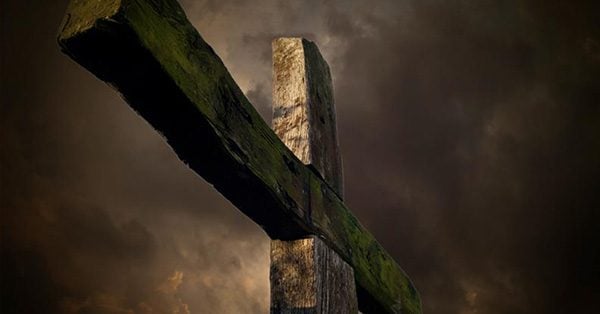
Christlikeness
Philippians 2 defines true Christlikeness to me; to be Christ-like is to be like Christ, and this includes a desire to have unity (Phil 2:2), and humility (Phil 2:3), while thinking of others (Phil 2:4), and being a servant (Phil 2:7), even dying to self (Phil 2:6). These characteristics are what Christ was like! He and the Father are one in unity and purpose and always have been, and the Body of Christ must act like Christ and must function in unity in order to do what Jesus would do if He were still here on earth, and those things are defined by Jesus Himself. For example in Matthew 25:35-36, we do it to others, but it’s really doing it unto Him (Matt 25:40), but it’s very difficult to do these things without unity, humility, selflessness, and not dying to self. Of course, we don’t do things for Christ in order to be saved; it is because we are saved. Many who profess Christ and yet do nothing for Him will be in stunned on the Day of Judgment (Matt 25:41). Others will be doing these things because they’re only playing church, but that too will end tragically (Matt 7:21-23). This may be why the Apostle Peter said to “be all the more diligent to confirm your calling and election, for if you practice these qualities you will never fall” (2 Pet 1:10).
Conclusion
So Philippians 2 is our template upon which to carry out the commission Christ has given us. It shows us that we are to serve Christ in humility, harmony, unity, and do so willingly, and that includes sharing the gospel (Matt 25:18-20), and when you share the gospel of repentance and faith, you’ll soon be sharing in the sufferings of Christ; being rejected, ridiculed, scorned, and despised, but that’s fine. We can know Christ better, and besides, “If you are insulted for the name of Christ, you are blessed, because the Spirit of glory and of God rests upon you” (1 Pet 4:14). Of course, we don’t seek out persecution, but we will receive it when we share Christ. It will happen because it happened to Him (John 15:20). We are to do to others as we do unto Christ (Matt 25:40), and that means we should “Do all things without grumbling or disputing” (Phil 2:14), because that’s just what Jesus did (1 Pet 2:23), and remember, our mission is to become more like Him and less like us.
Article by Jack Wellman
Jack Wellman is Pastor of the Mulvane Brethren Church in Mulvane Kansas. Jack is a writer at Christian Quotes and also the Senior Writer at What Christians Want To Know whose mission is to equip, encourage, and energize Christians and to address questions about the believer’s daily walk with God and the Bible. You can follow Jack on Google Plus or check out his book Teaching Children the Gospel available on Amazon.
Previous Post

July 4, 2018
How Does The Bible Define Love?
Next Post
July 9, 2018 5 Great Prayers For Times Of Trouble
Browse Our Archives
Select a Category Bible Answers Bible Definitions Bible Story Bible Study Bible Verses Christian Books Christian Entertainment Christian Fathers Christian Mothers Christian Quotes Devotional Famous Christians Music News Parables Prayers Quotes Sunday School Lesson Uncategorized Youth Sermons
Select a Month October 2019 September 2019 August 2019 July 2019 June 2019 May 2019 April 2019 March 2019 February 2019 January 2019 December 2018 November 2018 October 2018 September 2018 August 2018 July 2018 June 2018 May 2018 April 2018 March 2018 February 2018 January 2018 December 2017 November 2017 October 2017 September 2017 August 2017 July 2017 June 2017 May 2017 April 2017 March 2017 February 2017 January 2017 December 2016 November 2016 October 2016 September 2016 August 2016 July 2016 June 2016 May 2016 March 2016 February 2016 January 2016 December 2015 November 2015 October 2015 September 2015 August 2015 July 2015 June 2015 May 2015 April 2015 March 2015 February 2015 January 2015 December 2014 November 2014 October 2014 September 2014 August 2014 July 2014 June 2014 May 2014 April 2014 March 2014 February 2014 January 2014 December 2013 November 2013 October 2013 September 2013 August 2013 July 2013 June 2013 May 2013 April 2013 March 2013
Follow Us!
TAKE THE
Religious Wisdom Quiz
Which disciple was exiled to the island of Patmos?
Select your answer to see how you score.
Thomas John Peter Paul
Related posts from Christian Crier
Whatever Happened To Humility?



Seeing The Gospel In Biblical Accounts
TRENDING AT PATHEOS Evangelical

How the author of the world's best hymn...
I've been working with John Newton for a while now. This makes...

Long before this Lectio Divina, Psalm 130 - the song - started...

What About the Trees? Another Living Parable
After I finished writing the last article about falling leaves as a...

Why Classical Education Is a Conversation, Not a...
Come and Read: Joy in Classical Education When I was a little...

Falling Leaves: A Living Parable on Letting Go
I’ve spent the vast majority of my life in the southeast corner...

Cornell University has received a great deal of negative publicity and intense...
view all Evangelical blogs
Ad-Free & Subscriber Log-In Subscription Support
- About Us
- 2026 Calendar
- Videos
- Podcasts
- Library of World Religions
- Faith In Media Tracker
- Advertise With Us
- Write for Us
- Privacy Policy
- Terms of Service
- Do Not Sell My Data
- Contact Us
- Radiant Digital
- Manage Newsletter Subscriptions
- Unsubscribe From Notifications
- Sitemap
Copyright 2008-2026, Patheos. All rights reserved.
Subscription Support Ad-Free & Subscriber Log-In
Follow Patheos