
BuddhistCatholicContemplativeEvangelicalGeneral ChristianHinduJewishLatter-day SaintMuslimNew VisionsProgressive Christian
Beliefs
- Buddhist
- Catholic
- Contemplative
- Evangelical
- General Christian
- Hindu
- Jewish
- Latter-day Saint
- More Voices
- Muslim
- New Visions
- Pagan
- Progressive Christian
Topics
- Religion News
- Food and Religion
- Sports and Religion
- Religious Art
- Religious Music and Entertainment
- Religious Events
- History and Religion
- Style and Religion
- Politics and Religion
- Women in Religion
- Recreation Outdoors and Religion
- Business Finance and Religion
- Careers Workplace and Religion
- Education and Religion
- Family Parenting and Religion
- Health Fitness and Religion
- Home and Religion
- Relationships and Religion
- Technology and Religion
- Travel and Religion
Columnists
- Buddhist Columnists
- Business Finance and Religion Columnists
- Careers Workplace and Religion Columnists
- Catholic Columnists
- Contemplative Columnists
- Education and Religion Columnists
- Evangelists Columnists
- Family Parenting and Religion Columnists
- General Christian Columnists
- Health Fitness and Religion Columnists
- Hindu Columnists
- History and Religion Columnists
- Home and Religion Columnists
- Jewish Columnists
- More Voices Columnists
- Latter Day Columnists
- Muslim Columnists
- New Visions Columnists
- Nonreligious Columnists
- Pagan Columnists
- Politics and Religion Columnists
- Progressive Columnists
- Recreation Outdoors and Religion Columnists
- Relationships and Religion Columnists
- Religion News Columnists
- Religious Art Columnists
- Religious Events Columnists
- Religious Music and Entertainment Columnists
- Sports and Religion Columnists
- Style and Religion Columnists
- Technology and Religion Columnists
- Travel and Religion Columnists
- Women in Religion Columnists
Resource Library
- 2026 Calendar
- Library of World Religions
- The 100 Most Holy Places on Earth
- Patheos Answers
- Podcasts
- Videos
- Faith Leaders Database
- Anglican Episcopalian
- Bahai
- Baptist
- Buddhism
- Christianity
- Confucianism
- Eastern Orthodoxy
- Hinduism
- Holiness and Pentecostal
- ISKCON
- Islam
- Judaism
- Lutheran
- Methodist
- The Church of Jesus Christ of Latter-day Saints
- New Age
- Paganism
- Presbytarian and Reformed
- Protestantism
- Religion Behind the Scenes
- Roman Catholic
- Scientology
- Shia Islam
- Sikhism
- Sufism
- Sunni Islam
- Taoism
- Zen
- See all religions
Research Tools
 Ad-Free & Subscriber Log-In Subscription Support
Ad-Free & Subscriber Log-In Subscription Support
Follow Patheos 

- Trending:
- Forgiveness
- |
- Marriage
- |
- Consciousness
- |
- Death Penalty
- |
- Election
- |
- Halloween
 Christian Crier
- Home
- Evangelical
- Four Core Characteristics of God
Four Core Characteristics of God
Last updated on: June 28, 2018 at 10:14 pm by Jack Wellman
Four Core Characteristics of God 2018-06-28T22:14:46-05:00 Jack Wellman
Patheos Explore the world's faith through different perspectives on religion and spirituality! Patheos has the views of the prevalent religions and spiritualities of the world.
Here are four core attributes or characteristics of God that have not and will not ever change.
Holiness
One characteristic of God is that He cannot dwell with or be in the presence of sin. After the fall, God’s fellowship with mankind was severed even if His relationship with them wasn’t. God is altogether holy and cannot look upon sin because sin is completely contrary to the very nature of God. This may explain why God had to turn away, even from His own Son, while He hung on the cross, and why Jesus cried out, “Eli, Eli, lema sabachthani?” that is, “My God, my God, why have you forsaken me” (Matt 27:46)? Since Jesus bore the sins of mankind, God the Father could not look upon Him. That explains the three hours of darkness during Jesus’ last hours. This was the first time in all eternity that the Father and the Son had been separated, so how agonizing that must have been for both of them. Since Jesus had taken upon the sins of humanity, it makes sense that this is the only time where Jesus called God, “My God, My God” and not, “My Father, My father.” For a brief moment in time, Jesus was separated from the Father, and it was because of our sins that the Father had to look away. Psalm 22:1 was a Messianic prophecy about Calvary, where David wrote, “My God, my God, why have you forsaken me? Why are you so far from helping me?” On the cross, Jesus God was “far from helping [Him].” God distances Himself from the presence of sin, and that reveals perhaps His greatest attribute of all, that He is “holy, holy, holy” (Isaiah 6:3). In Jewish literature, repeating something three times is the greatest emphasis possible. To repeat something twice in the same sentence is of supreme importance in itself as God calls out only a select few by calling out their name twice. For example, God said, “Abraham, Abraham, Saul, Saul; Peter, Peter,” and so on, but to three-peat something shows that it’s of the utmost importance.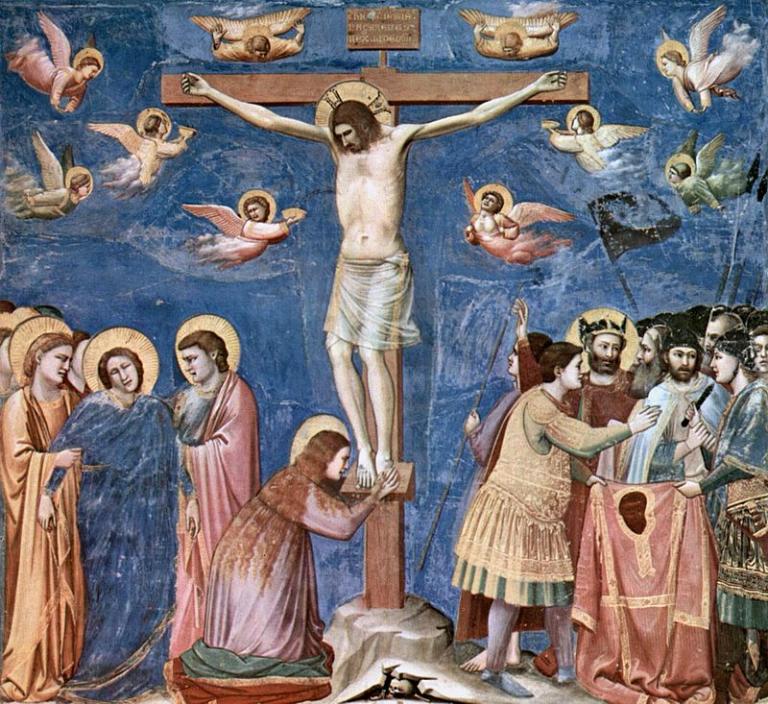
Goodness
What does the creation tell me about God and His character? It tells me that whatever He wills, that He does. He only needs to speak and it is done! God said that His creation was good, and that means it was perfect. Why? In Mark 10:17 a young rich man came up to Jesus and said, “Good teacher,” he asked, “what must I do to inherit eternal life?” Jesus responds by saying, “Why do you call me good?” Jesus answered. “No one is good—except God alone” (Mark 10:18). Of course, Jesus was God too, but the young man didn’t know to whom he was speaking, so this why Jesus said that only God is good, so what He creates is also good. After God had created the heavens and the earth, He said “It was good,” and whatever is repeated in the Bible indicates the importance of it, and the phrase “And God saw that it was good” is repeated 5 times. Since God is holy, pure, and perfect, everything God created reflected part of His character as being “good.” The creation was good because God is good, just as Jesus had said in Mark 10.
Fellowship
Yet another characteristic of God is that He is desires fellowship with us, just like the fellowship that existed before the creation where the Father, Son, and the Holy Spirit had perfect relationships and fellowship with one another. The Father, the Son, and the Holy Spirit are always in perfect harmony, fellowship, and in relationship with One Another. God is a personal God and seeks to dwell with us, and even though He is both transcendent and immanent, He desires to dwell with His own children. He is altogether holy and transcendent, being above all things, but He still walks with those who are like Enoch who walked with God “and was no more” (Gen 5:24). God walked in the Garden with mankind just after creation (Gen 3:8), but once sin entered, God could no longer walk or be present or dwell with mankind in the same way. John 1:14 says that “The Word became flesh and made his dwelling among us,” which is better rendered “to have one’s tabernacle, abide (or live) in a tabernacle (or tent), tabernacle.” [1] Strong’s concordance says the Greek word for dwelt (G4637) σκηνόω (skēnoō) (dwelt) is used only 5 times in the New Testament, including John 1:14, and interestingly, the other four times are found in the Book of Revelation. John writes, “Rejoice then, you heavens and those who dwell (tabernacle) in them” (Rev 12:12), and “It opened its mouth to utter blasphemies against God, blaspheming his name and his dwelling, that is, those who dwell (tabernacle) in heaven” (Rev 13:6). In Revelation 21:3 it John writes, “And I heard a loud voice from the throne saying, “See, the home of God is among mortals. He will dwell (tabernacle) with them; they will be his peoples, and God himself will be with them.” In every case, order has been restored, sin has been dwelt with, and God is able to dwell (tabernacle) with the redeemed. At that time, the creation is restored, and God can again dwell where there is no corruption of sin.
Order
A final characteristic of God is that the creation reveals that what God creates is in perfect harmony and symmetry. God is a God of order and not of chaos (1 Cor 14:33). This is the theme of the book, the Privileged Planet by Guillermo Gonzalez and Jay Richards (Regnery Publishing, 2004). The perfection and precision of God’s creation is plainly known to science. If the moon were any closer or further away…if the earth’s axis would not be where it is today (and life may not have been possible). The symmetry of the universe reflects God’s nature, just as the beauty of the creation does. The heavens declare the glory of the work of His hands (Psalm 19:1). The New Revised Standard Version reads: “The heavens are telling the glory of God; and the firmament proclaims his handiwork.” They do tell about God and power and glory. The creation tells us that God should be glorified and mankind’s proper response should be to live a holy life worthy of His creating us, and that He is most worthy to be worshiped. The Father is seeking such to worship Him in truth and in spirit (John 4:24), but truth without the spirit is religion and spirit without truth is useless.
Conclusion
God has many attributes, but I believe His greatest attribute is that He is holy. The only attribute of God that is mentioned three times is that He is holy, and to repeat something three times is the highest form of emphasis possible in Jewish literary form. The Bible never says that God is love, love, love, although He is love…it doesn’t say He is merciful, merciful, merciful, although this is true, but rather it says He is “holy, holy, holy” (Isaiah 6:1-8). That may be His greatest characteristic of all.
1 Sowing Circle Ministries. Blue Letter Bible. http://www.blueletterbible.org/lang/lexicon/lexicon. cfm?Strongs=G4637&t=KJV. (Accessed June 25, 2018).
Article by Jack Wellman
Jack Wellman is Pastor of the Mulvane Brethren Church in Mulvane Kansas. Jack is a writer at Christian Quotes and also the Senior Writer at What Christians Want To Know whose mission is to equip, encourage, and energize Christians and to address questions about the believer’s daily walk with God and the Bible. You can follow Jack on Google Plus or check out his book Teaching Children the Gospel available on Amazon.
Previous Post

June 25, 2018
How Abraham Was Justified 2,000 Years Before Christ
Next Post
June 29, 2018 What The Bible Teaches About Loving Our Enemies
Browse Our Archives
Select a Category Bible Answers Bible Definitions Bible Story Bible Study Bible Verses Christian Books Christian Entertainment Christian Fathers Christian Mothers Christian Quotes Devotional Famous Christians Music News Parables Prayers Quotes Sunday School Lesson Uncategorized Youth Sermons
Select a Month October 2019 September 2019 August 2019 July 2019 June 2019 May 2019 April 2019 March 2019 February 2019 January 2019 December 2018 November 2018 October 2018 September 2018 August 2018 July 2018 June 2018 May 2018 April 2018 March 2018 February 2018 January 2018 December 2017 November 2017 October 2017 September 2017 August 2017 July 2017 June 2017 May 2017 April 2017 March 2017 February 2017 January 2017 December 2016 November 2016 October 2016 September 2016 August 2016 July 2016 June 2016 May 2016 March 2016 February 2016 January 2016 December 2015 November 2015 October 2015 September 2015 August 2015 July 2015 June 2015 May 2015 April 2015 March 2015 February 2015 January 2015 December 2014 November 2014 October 2014 September 2014 August 2014 July 2014 June 2014 May 2014 April 2014 March 2014 February 2014 January 2014 December 2013 November 2013 October 2013 September 2013 August 2013 July 2013 June 2013 May 2013 April 2013 March 2013
Follow Us!
TAKE THE
Religious Wisdom Quiz
What is the biblical view on telling the truth?
Select your answer to see how you score.
Lie to help others Use flattering words Stay silent always Speak the truth in love
Related posts from Christian Crier

What Does The Bible Say About Our Thoughts?

Top 13 Bible Verses About Virtue

Do Colors Have Special Meaning In The Bible?

The Greatest Father In History
TRENDING AT PATHEOS Evangelical

How the author of the world's best hymn...
I've been working with John Newton for a while now. This makes...

Long before this Lectio Divina, Psalm 130 - the song - started...

What About the Trees? Another Living Parable
After I finished writing the last article about falling leaves as a...

Why Classical Education Is a Conversation, Not a...
Come and Read: Joy in Classical Education When I was a little...

Falling Leaves: A Living Parable on Letting Go
I’ve spent the vast majority of my life in the southeast corner...

Cornell University has received a great deal of negative publicity and intense...
view all Evangelical blogs
Ad-Free & Subscriber Log-In Subscription Support
- About Us
- 2026 Calendar
- Videos
- Podcasts
- Library of World Religions
- Faith In Media Tracker
- Advertise With Us
- Write for Us
- Privacy Policy
- Terms of Service
- Do Not Sell My Data
- Contact Us
- Radiant Digital
- Manage Newsletter Subscriptions
- Unsubscribe From Notifications
- Sitemap
Copyright 2008-2026, Patheos. All rights reserved.
Subscription Support Ad-Free & Subscriber Log-In
Follow Patheos