
BuddhistCatholicContemplativeEvangelicalGeneral ChristianHinduJewishLatter-day SaintMuslimNew VisionsProgressive Christian
Beliefs
- Buddhist
- Catholic
- Contemplative
- Evangelical
- General Christian
- Hindu
- Jewish
- Latter-day Saint
- More Voices
- Muslim
- New Visions
- Pagan
- Progressive Christian
Topics
- Religion News
- Food and Religion
- Sports and Religion
- Religious Art
- Religious Music and Entertainment
- Religious Events
- History and Religion
- Style and Religion
- Politics and Religion
- Women in Religion
- Recreation Outdoors and Religion
- Business Finance and Religion
- Careers Workplace and Religion
- Education and Religion
- Family Parenting and Religion
- Health Fitness and Religion
- Home and Religion
- Relationships and Religion
- Technology and Religion
- Travel and Religion
Columnists
- Buddhist Columnists
- Business Finance and Religion Columnists
- Careers Workplace and Religion Columnists
- Catholic Columnists
- Contemplative Columnists
- Education and Religion Columnists
- Evangelists Columnists
- Family Parenting and Religion Columnists
- General Christian Columnists
- Health Fitness and Religion Columnists
- Hindu Columnists
- History and Religion Columnists
- Home and Religion Columnists
- Jewish Columnists
- More Voices Columnists
- Latter Day Columnists
- Muslim Columnists
- New Visions Columnists
- Nonreligious Columnists
- Pagan Columnists
- Politics and Religion Columnists
- Progressive Columnists
- Recreation Outdoors and Religion Columnists
- Relationships and Religion Columnists
- Religion News Columnists
- Religious Art Columnists
- Religious Events Columnists
- Religious Music and Entertainment Columnists
- Sports and Religion Columnists
- Style and Religion Columnists
- Technology and Religion Columnists
- Travel and Religion Columnists
- Women in Religion Columnists
Resource Library
- 2026 Calendar
- Library of World Religions
- The 100 Most Holy Places on Earth
- Patheos Answers
- Podcasts
- Videos
- Faith Leaders Database
- Anglican Episcopalian
- Bahai
- Baptist
- Buddhism
- Christianity
- Confucianism
- Eastern Orthodoxy
- Hinduism
- Holiness and Pentecostal
- ISKCON
- Islam
- Judaism
- Lutheran
- Methodist
- The Church of Jesus Christ of Latter-day Saints
- New Age
- Paganism
- Presbytarian and Reformed
- Protestantism
- Religion Behind the Scenes
- Roman Catholic
- Scientology
- Shia Islam
- Sikhism
- Sufism
- Sunni Islam
- Taoism
- Zen
- See all religions
Research Tools
 Ad-Free & Subscriber Log-In Subscription Support
Ad-Free & Subscriber Log-In Subscription Support
Follow Patheos 

- Trending:
- Forgiveness
- |
- Marriage
- |
- Consciousness
- |
- Death Penalty
- |
- Election
- |
- Halloween
 Christian Crier
- Home
- Evangelical
- The Book Of Esther And God’s Providence
The Book Of Esther And God’s Providence
Last updated on: April 25, 2018 at 5:00 am by Jack Wellman
The Book Of Esther And God’s Providence 2018-04-18T15:42:43-05:00 Jack Wellman
Patheos Explore the world's faith through different perspectives on religion and spirituality! Patheos has the views of the prevalent religions and spiritualities of the world.
In the Book of Esther, God’s name is never mentioned, but you can clearly see the fingerprints of God’s sovereignty throughout the book.
Queen Vashti Rebels
The Book of Esther is the only book in the Bible that does not mention God by name. It doesn’t matter because you can see God’s divine fingerprints over everything that happens. Maybe that’s the point; when we see no evidence of God moving in our life, and it seems we’re on the brink of catastrophe, God moves in history and time to do what He purposed to do long ago. It’s not so much history occurring as it is “His-story” unfolding. The fact that the Jews fasted presumes belief in God, and prayer must have been a priority because they were in danger of annihilation, so the Book of Esther begins in the days of “Ahasuerus who reigned from India to Ethiopia over 127 provinces, in those days when King Ahasuerus sat on his royal throne in Susa, the citadel” (Esther 1:1-2). This was one powerful king with a huge kingdom. When the king commanded that they “bring Queen Vashti before the king with her royal crown, in order to show the peoples and the princes her beauty, for she was lovely to look at” (Esther 1:11), “Queen Vashti refused to come at the king’s command delivered by the eunuchs” (Esther 1:12). The king responds by seeking out a new queen, and that’s where Esther enters the picture of history, or His-story.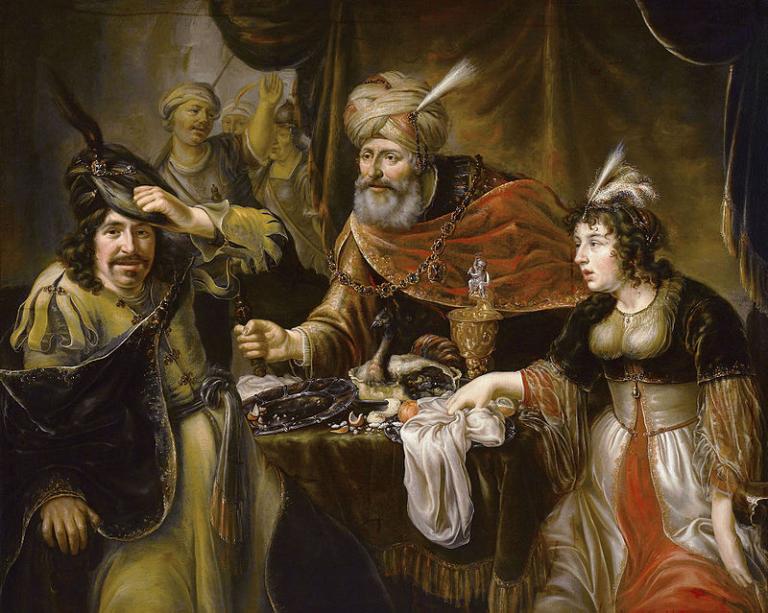
Esther Crowned Queen
It must be remembered that Esther may have had no choice but to wed the king. Some who criticize her for this don’t understand that the Jews were subjects of the kingdom and the king, like everyone else, so she probably had no choice. Besides, Esther never intentionally sought out the crown, but rather, it was God’s divine providence that brought her there. Providence basically means to see head of time: Pro for “look ahead” and videre for “to see.” In the Bible it often refers to God’s provisions that are made beforehand. In this case, God provided a queen for the king, and a Jewish queen at that, and she, being the queen, could seek an opportunity to speak to the king. Later, this would prove to be most convenient for the Jews. When Mordecai uncovered a plot to murder the king, he told Queen Esther who told the king. This may have saved the king’s life (Esther 2:19-23), but for some reason, Mordecai’s discovery went largely unnoticed and unrewarded. Much later, all of that would prove to be very important.
Haman Plots Against the Jews
When Mordecai refused to kneel before Haman, as all were commanded to do, Mordecai became so incensed that he plotted to exterminate all the Jews in the kingdom (Esther 3:5-6), so Haman comes to the king and accuses the Jews of breaking the king’s laws, saying, “There is a certain people scattered abroad and dispersed among the peoples in all the provinces of your kingdom. Their laws are different from those of every other people, and they do not keep the king’s laws, so that it is not to the king’s profit to tolerate them.” (Esther 3:8). To entice the king to go along with the plot, Haman says, “I will pay 10,000 talents of silver into the hands of those who have charge of the king’s business, that they may put it into the king’s treasuries” (Esther 3:9). The king agreed but for the wrong reasons. Haman had tricked the king into signing a law that would wipe out all the Jews in the land. Thankfully, Mordecai discovered the plot and came to Queen Esther to have her intercede for the Jews. Mordecai said, “Do not think to yourself that in the king’s palace you will escape any more than all the other Jews. For if you keep silent at this time, relief and deliverance will rise for the Jews from another place, but you and your father’s house will perish. And who knows whether you have not come to the kingdom for such a time as this” (Esther 4:13-14)? Queen Esther’s told Mordecai to declare a three day fast among all the Jews, and then gave a legendary reply; “Then I will go to the king, though it is against the law, and if I perish, I perish” (Esther 4:16b). There were three possible outcomes for Esther; she could perish when she went before the king; she could perish when Haman’s plot was fulfilled; or…she could get the king to amend the law and stop the coming slaughter of the Jews.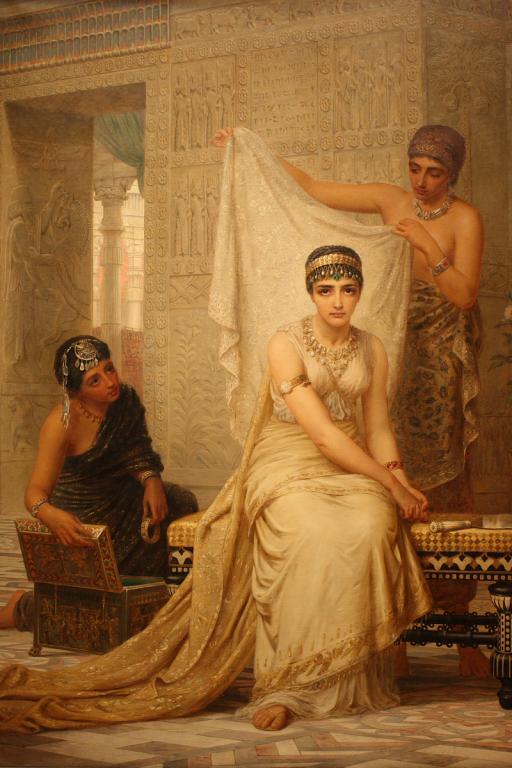
Insomnia Saves a People
Here is where we being to see God intervention. It must have been near the end of the Jews three-day fast that there was a “night the king could not sleep. And he gave orders to bring the book of memorable deeds, the chronicles, and they were read before the king” (Esther 6:1). That would surely put anyone to sleep, but the king discovered that Mordecai had uncovered a plot to kill the king, but he was never recognized or reward for it (Esther 6:3). That’s when the king asked Haman to “Let them dress the man whom the king delights to honor, and let them lead him on the horse through the square of the city, proclaiming before him: ‘Thus shall it be done to the man whom the king delights to honor’” (Esther 6:9), and that man, to Haman’s great dismay, was Mordecai. When Queen Esther tells the king what Haman was about to do to her people (the Jews), the king was outraged, and they hanged Haman on the gallows he had built for Mordecai.
Conclusion
Still, with no mention of God, God saves the Jews through His divine providence. He even used the enemy’s work (Haman) against him. Queen Esther’s bravery, and the Jews willingness to afflict themselves before God, was all part of God’s providence to do what He had planned to do already. Nothing has ever occurred to God. God is never caught by surprise. Even a bad case of insomnia could be used for much good. That’s often how God works, using evil for good (Gen 50:20; John 3:16)…or even a bad case of insomnia.
Article by Jack Wellman
Jack Wellman is Pastor of the Mulvane Brethren Church in Mulvane Kansas. Jack is a writer at Christian Quotes and also the Senior Writer at What Christians Want To Know whose mission is to equip, encourage, and energize Christians and to address questions about the believer’s daily walk with God and the Bible. You can follow Jack on Google Plus or check out his book Teaching Children the Gospel available on Amazon.
Previous Post

April 23, 2018
What It Means To Lay Aside Every Weight And Sin
Next Post
April 27, 2018 Biblical Warnings About False Prophets
Browse Our Archives
Select a Category Bible Answers Bible Definitions Bible Story Bible Study Bible Verses Christian Books Christian Entertainment Christian Fathers Christian Mothers Christian Quotes Devotional Famous Christians Music News Parables Prayers Quotes Sunday School Lesson Uncategorized Youth Sermons
Select a Month October 2019 September 2019 August 2019 July 2019 June 2019 May 2019 April 2019 March 2019 February 2019 January 2019 December 2018 November 2018 October 2018 September 2018 August 2018 July 2018 June 2018 May 2018 April 2018 March 2018 February 2018 January 2018 December 2017 November 2017 October 2017 September 2017 August 2017 July 2017 June 2017 May 2017 April 2017 March 2017 February 2017 January 2017 December 2016 November 2016 October 2016 September 2016 August 2016 July 2016 June 2016 May 2016 March 2016 February 2016 January 2016 December 2015 November 2015 October 2015 September 2015 August 2015 July 2015 June 2015 May 2015 April 2015 March 2015 February 2015 January 2015 December 2014 November 2014 October 2014 September 2014 August 2014 July 2014 June 2014 May 2014 April 2014 March 2014 February 2014 January 2014 December 2013 November 2013 October 2013 September 2013 August 2013 July 2013 June 2013 May 2013 April 2013 March 2013
Follow Us!
TAKE THE
Religious Wisdom Quiz
Who was stoned to death for preaching about Jesus?
Select your answer to see how you score.
James Paul Peter Stephen
Related posts from Christian Crier

Blind Bartimaeus And The Salvation Of The Sinner

The Exodus And Christian Conversion
Walking the Passion Week with Christ - Part...
TRENDING AT PATHEOS Evangelical

How the author of the world's best hymn...
I've been working with John Newton for a while now. This makes...

Long before this Lectio Divina, Psalm 130 - the song - started...

What About the Trees? Another Living Parable
After I finished writing the last article about falling leaves as a...

Why Classical Education Is a Conversation, Not a...
Come and Read: Joy in Classical Education When I was a little...

Falling Leaves: A Living Parable on Letting Go
I’ve spent the vast majority of my life in the southeast corner...

Cornell University has received a great deal of negative publicity and intense...
view all Evangelical blogs
Ad-Free & Subscriber Log-In Subscription Support
- About Us
- 2026 Calendar
- Videos
- Podcasts
- Library of World Religions
- Faith In Media Tracker
- Advertise With Us
- Write for Us
- Privacy Policy
- Terms of Service
- Do Not Sell My Data
- Contact Us
- Radiant Digital
- Manage Newsletter Subscriptions
- Unsubscribe From Notifications
- Sitemap
Copyright 2008-2026, Patheos. All rights reserved.
Subscription Support Ad-Free & Subscriber Log-In
Follow Patheos