
BuddhistCatholicContemplativeEvangelicalGeneral ChristianHinduJewishLatter-day SaintMuslimNew VisionsProgressive Christian
Beliefs
- Buddhist
- Catholic
- Contemplative
- Evangelical
- General Christian
- Hindu
- Jewish
- Latter-day Saint
- More Voices
- Muslim
- New Visions
- Pagan
- Progressive Christian
Topics
- Religion News
- Food and Religion
- Sports and Religion
- Religious Art
- Religious Music and Entertainment
- Religious Events
- History and Religion
- Style and Religion
- Politics and Religion
- Women in Religion
- Recreation Outdoors and Religion
- Business Finance and Religion
- Careers Workplace and Religion
- Education and Religion
- Family Parenting and Religion
- Health Fitness and Religion
- Home and Religion
- Relationships and Religion
- Technology and Religion
- Travel and Religion
Columnists
- Buddhist Columnists
- Business Finance and Religion Columnists
- Careers Workplace and Religion Columnists
- Catholic Columnists
- Contemplative Columnists
- Education and Religion Columnists
- Evangelists Columnists
- Family Parenting and Religion Columnists
- General Christian Columnists
- Health Fitness and Religion Columnists
- Hindu Columnists
- History and Religion Columnists
- Home and Religion Columnists
- Jewish Columnists
- More Voices Columnists
- Latter Day Columnists
- Muslim Columnists
- New Visions Columnists
- Nonreligious Columnists
- Pagan Columnists
- Politics and Religion Columnists
- Progressive Columnists
- Recreation Outdoors and Religion Columnists
- Relationships and Religion Columnists
- Religion News Columnists
- Religious Art Columnists
- Religious Events Columnists
- Religious Music and Entertainment Columnists
- Sports and Religion Columnists
- Style and Religion Columnists
- Technology and Religion Columnists
- Travel and Religion Columnists
- Women in Religion Columnists
Resource Library
- 2026 Calendar
- Library of World Religions
- The 100 Most Holy Places on Earth
- Patheos Answers
- Podcasts
- Videos
- Faith Leaders Database
- Anglican Episcopalian
- Bahai
- Baptist
- Buddhism
- Christianity
- Confucianism
- Eastern Orthodoxy
- Hinduism
- Holiness and Pentecostal
- ISKCON
- Islam
- Judaism
- Lutheran
- Methodist
- The Church of Jesus Christ of Latter-day Saints
- New Age
- Paganism
- Presbytarian and Reformed
- Protestantism
- Religion Behind the Scenes
- Roman Catholic
- Scientology
- Shia Islam
- Sikhism
- Sufism
- Sunni Islam
- Taoism
- Zen
- See all religions
Research Tools
 Ad-Free & Subscriber Log-In Subscription Support
Ad-Free & Subscriber Log-In Subscription Support
Follow Patheos 

- Trending:
- Forgiveness
- |
- Marriage
- |
- Consciousness
- |
- Death Penalty
- |
- Election
- |
- Halloween
 Christian Crier
- Home
- Evangelical
- What Was Paul’s “Thorn In The Flesh?”
What Was Paul’s “Thorn In The Flesh?”
Last updated on: February 13, 2017 at 1:00 am by Jack Wellman
What Was Paul’s “Thorn In The Flesh?” 2017-02-07T14:51:00-06:00 Jack Wellman
Patheos Explore the world's faith through different perspectives on religion and spirituality! Patheos has the views of the prevalent religions and spiritualities of the world.
Many have speculated about what Paul’s “thorn in the flesh” was so what do most believe it was?
Why the Thorn?
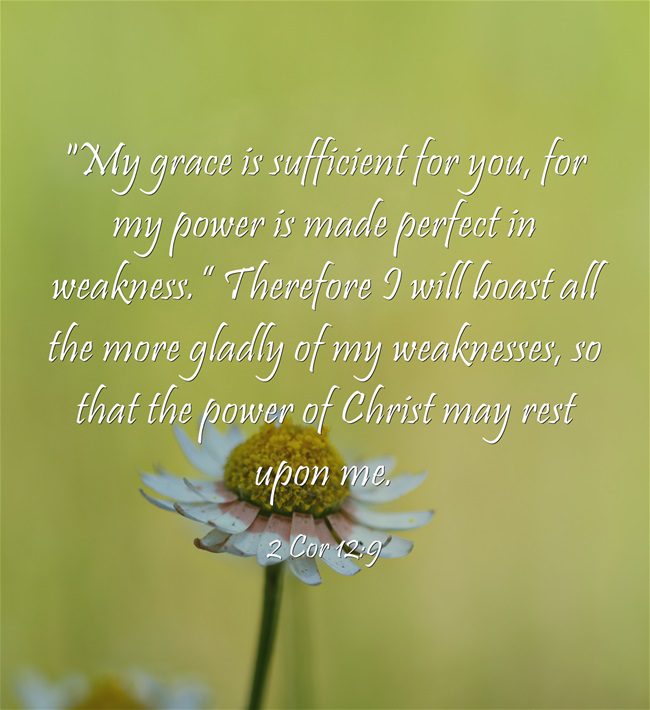
The Bible says that the Apostle Paul prayed three times to have his “thorn in the flesh,” and wrote, “Three times I pleaded with the Lord about this, that it should leave me” (2nd Cor 12:8), but God did not remove it, so the first question that comes to mind is, why did God allow the Apostle Paul to suffer from a “thorn in the flesh?” The Apostle Paul tells us that God allowed this thorn in his flesh “to keep me from becoming conceited because of the surpassing greatness of the revelations, a thorn was given me in the flesh, a messenger of Satan to harass me, to keep me from becoming conceited” (2nd Cor 12:7). We can only imagine everything that God revealed to Paul. Wouldn’t that increase the chances of a person becoming prideful or arrogant, even someone like the Apostle Paul? The “revelations given to” Paul (2nd Cor 12:1-4) must have been incredible, and some things he wasn’t even allowed share, so God, knowing human nature, kept Paul humble by allowing a thorn in his flesh so that he would be dependent upon God for strength but also remain humble. Paul prayed three times to have it removed, but God said to him, “My grace is sufficient for you, for my power is made perfect in weakness.” Therefore I will boast all the more gladly of my weaknesses, so that the power of Christ may rest upon me” (2nd Cor 12:9), and so “For the sake of Christ, then, I am content with weaknesses, insults, hardships, persecutions, and calamities. For when I am weak, then I am strong” (2nd Cor 12:10).
What Was the Thorn?
Was the thorn in the flesh an illness or was it someone in particular who was constantly antagonizing Paul? Maybe it was the Jews in general because they hounded him relentlessly wherever he went, and on occasions, they incited the crowds to riot against Paul and his associates. The Apostle Paul was a threat to the Jews because Christianity was growing, and so that threatened their own following and positions of power. Was Paul’s thorn the incessant spiritual battles he may have experienced? Maybe it was even a physical illness or disease that made it difficult to travel. If so, many would have undoubtedly looked down upon him for this affliction. They would have seen it as a sign that God was punishing him for his “blasphemous teachings” that Jesus was God and was raised from the dead. It’s likely the Jews made a big deal out of Paul’s thorn, whatever it was. In fact, they could have been that thorn Paul was writing about.
Other Possibilities
Another possibility is that Alexander the Coppersmith was Paul’s thorn in the flesh because Paul said he had done him much harm (2nd Tim 4:14), or even another Alexander who was involved in a public protest with Paul and a hostile crowd (Acts 19:33)? The problem with that is Paul’s comment about Alexander the Coppersmith came just prior to his execution, and he doesn’t mention him before this. It could have even been the “Alexander, and all who were of the high-priestly family,” because we know they opposed the gospel from the very beginning (Acts 4:5-7), however I find it interesting that Paul uses the word “flesh” in speaking of this thorn, so that could certainly refer to a physical problem in his flesh, because Paul tends to use the word flesh in describing our physical bodies. The Greek word he uses is “sarx,” which means the “flesh” or “substance of the body,” however that view doesn’t seem to fit the context because two verses later Paul writes that it was “For the sake of Christ, then, I am content with weaknesses insults, hardships, persecutions, and calamities,” so this seems to be more of a thorn of persecutions (2nd Cor 12:10) than anything else. Some believe it might be an issue with his eyes based upon his writing, “See with what large letters I am writing to you with my own hand,” (Gal 6:11), but that appears to be his way of highlighting or emphasizing a point in this chapter about the circumcised or the Jews who insisted the law was necessary to be saved, and Paul hated their boasting about their alleged superiority over the uncircumcised (Gentiles).
Why Thorns?
The question of why God allowed Paul’s thorn in the flesh was obvious. It was to keep him humble and reliant upon Christ and His strength, “so that the power of Christ may rest upon me” (2nd Cor 12:9,) and “to keep me from becoming conceited” (2nd Cor 12:7). Paul didn’t have to guess about the reason for the thorn or ask, “Why God?” He was satisfied in the sovereignty of God, knowing all things were in His hands (Rom 8:28). If a thorn can do that for Paul, then it’s not really a bad thing is it? From a human perspective, it seems bad…but in the eternal scope of things, God brings good out of it, as He does from evil (Gen 50:20; John 3:16). Suffering is not a novel thing for the Christian…it is often the life they live. The Apostle Peter said “even if you should suffer for righteousness’ sake, you will be blessed. Have no fear of them, nor be troubled” (1st Pet 3:14), because “this is a gracious thing, when, mindful of God, one endures sorrows while suffering unjustly” (1st Pet 2:19), and certainly suffering physically can feel unjust, however it’s not just for the few but “For to this you have been called, because Christ also suffered for you, leaving you an example, so that you might follow in his steps” (1st Pet 2:21). Christians can do exceedingly more in their sufferings, so “we rejoice in our sufferings, knowing that suffering produces endurance” (Rom 5:3). The way that Paul looked at suffering is as if there were a gigantic scale, and on one side there is a tiny speck of dust representing this life now, but on the other side is all the glory that’s coming, and so he could write “For I consider that the sufferings of this present time are not worth comparing with the glory that is to be revealed to us” (Rom 8:18). Paul trusted in the sovereignty of God and knew that “for those who love God all things work together for good, for those who are called according to his purpose“ (Rom 8:28).
Conclusion
Perhaps God did not inspire Paul to reveal what this thorn was because it might have caused others to associate with Paul and make them think they too were linked with him by their illness and God wants us to focus on Christ, not Paul. If God had wanted us to know what that thorn was, He would have done it, so all we can do is to take educated, biblical guesses for now, but someday we can ask Paul to his face. What we do know is it was a reminder or “a messenger of Satan,” that he needed Christ and he couldn’t endure without Him or in his own strength, and that he would remain humble. Paul’s suffered so he would remain humble and dependent upon God, but it’s not just for Paul…it also is our calling to share in the sufferings of Christ, because we are supposed to “follow in his steps.” Those steps include suffering. Each of us have our own “thorn in the flesh,” don’t we?
Article by Jack Wellman
Jack Wellman is Pastor of the Mulvane Brethren Church in Mulvane Kansas. Jack is also the Senior Writer at What Christians Want To Know whose mission is to equip, encourage, and energize Christians and to address questions about the believer’s daily walk with God and the Bible. You can follow Jack on Google Plus or check out his book Teaching Children the Gospel available on Amazon.
Previous Post

February 10, 2017
How The Shack Distorts Our View Of God
Next Post
February 15, 2017 How Can Our Righteousness Exceed That Of The Pharisees?
Browse Our Archives
Select a Category Bible Answers Bible Definitions Bible Story Bible Study Bible Verses Christian Books Christian Entertainment Christian Fathers Christian Mothers Christian Quotes Devotional Famous Christians Music News Parables Prayers Quotes Sunday School Lesson Uncategorized Youth Sermons
Select a Month October 2019 September 2019 August 2019 July 2019 June 2019 May 2019 April 2019 March 2019 February 2019 January 2019 December 2018 November 2018 October 2018 September 2018 August 2018 July 2018 June 2018 May 2018 April 2018 March 2018 February 2018 January 2018 December 2017 November 2017 October 2017 September 2017 August 2017 July 2017 June 2017 May 2017 April 2017 March 2017 February 2017 January 2017 December 2016 November 2016 October 2016 September 2016 August 2016 July 2016 June 2016 May 2016 March 2016 February 2016 January 2016 December 2015 November 2015 October 2015 September 2015 August 2015 July 2015 June 2015 May 2015 April 2015 March 2015 February 2015 January 2015 December 2014 November 2014 October 2014 September 2014 August 2014 July 2014 June 2014 May 2014 April 2014 March 2014 February 2014 January 2014 December 2013 November 2013 October 2013 September 2013 August 2013 July 2013 June 2013 May 2013 April 2013 March 2013
Follow Us!
TAKE THE
Religious Wisdom Quiz
How many Gospels are in the New Testament?
Select your answer to see how you score.
4 3 5 6
Related posts from Christian Crier

What Does The Bible Say About Our Thoughts?

Do Colors Have Special Meaning In The Bible?

The Glass – Half Empty Or Half Full?

TRENDING AT PATHEOS Evangelical

How the author of the world's best hymn...
I've been working with John Newton for a while now. This makes...

Long before this Lectio Divina, Psalm 130 - the song - started...

What About the Trees? Another Living Parable
After I finished writing the last article about falling leaves as a...

Why Classical Education Is a Conversation, Not a...
Come and Read: Joy in Classical Education When I was a little...

Falling Leaves: A Living Parable on Letting Go
I’ve spent the vast majority of my life in the southeast corner...

Cornell University has received a great deal of negative publicity and intense...
view all Evangelical blogs
Ad-Free & Subscriber Log-In Subscription Support
- About Us
- 2026 Calendar
- Videos
- Podcasts
- Library of World Religions
- Faith In Media Tracker
- Advertise With Us
- Write for Us
- Privacy Policy
- Terms of Service
- Do Not Sell My Data
- Contact Us
- Radiant Digital
- Manage Newsletter Subscriptions
- Unsubscribe From Notifications
- Sitemap
Copyright 2008-2026, Patheos. All rights reserved.
Subscription Support Ad-Free & Subscriber Log-In
Follow Patheos