
BuddhistCatholicContemplativeEvangelicalGeneral ChristianHinduJewishLatter-day SaintMuslimNew VisionsProgressive Christian
Beliefs
- Buddhist
- Catholic
- Contemplative
- Evangelical
- General Christian
- Hindu
- Jewish
- Latter-day Saint
- More Voices
- Muslim
- New Visions
- Pagan
- Progressive Christian
Topics
- Religion News
- Food and Religion
- Sports and Religion
- Religious Art
- Religious Music and Entertainment
- Religious Events
- History and Religion
- Style and Religion
- Politics and Religion
- Women in Religion
- Recreation Outdoors and Religion
- Business Finance and Religion
- Careers Workplace and Religion
- Education and Religion
- Family Parenting and Religion
- Health Fitness and Religion
- Home and Religion
- Relationships and Religion
- Technology and Religion
- Travel and Religion
Columnists
- Buddhist Columnists
- Business Finance and Religion Columnists
- Careers Workplace and Religion Columnists
- Catholic Columnists
- Contemplative Columnists
- Education and Religion Columnists
- Evangelists Columnists
- Family Parenting and Religion Columnists
- General Christian Columnists
- Health Fitness and Religion Columnists
- Hindu Columnists
- History and Religion Columnists
- Home and Religion Columnists
- Jewish Columnists
- More Voices Columnists
- Latter Day Columnists
- Muslim Columnists
- New Visions Columnists
- Nonreligious Columnists
- Pagan Columnists
- Politics and Religion Columnists
- Progressive Columnists
- Recreation Outdoors and Religion Columnists
- Relationships and Religion Columnists
- Religion News Columnists
- Religious Art Columnists
- Religious Events Columnists
- Religious Music and Entertainment Columnists
- Sports and Religion Columnists
- Style and Religion Columnists
- Technology and Religion Columnists
- Travel and Religion Columnists
- Women in Religion Columnists
Resource Library
- 2026 Calendar
- Library of World Religions
- The 100 Most Holy Places on Earth
- Patheos Answers
- Podcasts
- Videos
- Faith Leaders Database
- Anglican Episcopalian
- Bahai
- Baptist
- Buddhism
- Christianity
- Confucianism
- Eastern Orthodoxy
- Hinduism
- Holiness and Pentecostal
- ISKCON
- Islam
- Judaism
- Lutheran
- Methodist
- The Church of Jesus Christ of Latter-day Saints
- New Age
- Paganism
- Presbytarian and Reformed
- Protestantism
- Religion Behind the Scenes
- Roman Catholic
- Scientology
- Shia Islam
- Sikhism
- Sufism
- Sunni Islam
- Taoism
- Zen
- See all religions
Research Tools
 Ad-Free & Subscriber Log-In Subscription Support
Follow Patheos 

- Trending:
- Advent
- |
- Forgiveness
- |
- Thanksgiving
- |
- Election
- |
- Seasonal Holidays
- |
- Marriage
 Christian Crier
- Home
- Evangelical
- How The Shack Distorts Our View Of God
How The Shack Distorts Our View Of God
Last updated on: February 10, 2017 at 1:00 am by Jack Wellman
How The Shack Distorts Our View Of God 2017-02-09T09:00:01-06:00 Jack Wellman
Patheos Explore the world's faith through different perspectives on religion and spirituality! Patheos has the views of the prevalent religions and spiritualities of the world.
Does the movie and the book, The Shack, give us a distorted view of God?
The Shack
The Shack, by William P. Young (2008) has been called heretical and unbiblical, as far as what God is like and the attributes of the Three Persons of the Trinity, even though the book is primarily about how to deal with suffering, however, those who defend the book say it’s not intended as a theological study of the triune nature of God, rather it’s a look at how we deal with suffering and process our thoughts about God. In the book, and now the movie, the main character, Mack, grieves over the loss of his daughter Missy during a mishap on a lake. Mack blames himself for the rape and murder of his youngest daughter due to his inattentiveness during the lake accident, so The Shack addresses specific issues over the grieving process that humans endure when they face tragedies like the loss of a loved one, and particularly when losing one’s own child. At first, Mack is angry that God has allowed this to happen and He wonders why God allows such suffering in the world, so the author is obviously trying to show how such a difficult loss of such magnitude is experienced. It is what Mack calls the “Great Sadness.” To lose perhaps his most prized earthly treasure, the youngest of his three children, was more than he could bear, and as a result, Mack becomes angry at God and has lost his sense of trust in Him.
Review of the Book
In Roger E. Olson’s Finding God in the Shack (2009), he asks, are “we are supposed to believe that God really appeared to Mack as a Trinity of the Three distinct personages of God” (Olson, 12)? In the book, Mack begins to question God, and since God is sovereign and knows the future, was part of His plan the taking a young child’s life? In His sovereignty, does God help us endure such great loss and suffering? Part of what God is doing is “to change our image of God” (Olson, 34), but Mack seems to be saying that God is submitted to us and not that we must submit to Him and trust Him with our lives since He knows the end from the beginning (Olson, p 47), but it’s as if Mack is putting God on trial for crimes against humanity, but God points the finger right back at us because humans own responsibility for going their own way (Olson, 59). What is deeply troubling is Mack seems to indicate God has already forgiven Missy’s murderer, called Lady Killer, even if the murderer has not asked for forgiveness (Olson, 72), and then Mack “…implies that God doesn’t consign anyone to hell” (Olson, 77), instead, the author would have God still pursuing people in hell and hoping they’ll repent since God never abandons the sinner, even in hell (Olson, 78). To me, this is not only inaccurate, but it’s dangerous, but that’s why it’s fiction, and even since it’s fiction, when relating about the things of God, we can easily misconstrue it for biblical teaching, especially for newer believers. I do agree that “Sin is humanities declaration of independence from God” (Olson, 82), but Roger Olson still sees this book as “blatantly heretical” (Olson, 144), and even though it’s not designed to be systematic theology, it still sounds very much like theology (Olson, 147). In defense of the book, Young explains that he is only a Christian father trying to help his children understand his relationship with God.
Finding God in a Shack?
Can we really find God in a shack…or any place else? No, it is God Who sought us rather than us seeking God, and by the way, God is not in a shack because the heavens themselves cannot contain Him (2nd Sam 7:5). The Apostle Paul makes it crystal clear that “All have turned aside; together they have become worthless; no one does good, not even one” (Rom 3:12), so that narrows it down to zero the number of “good people” and “seekers” of God. Personally, I cannot recommend this book unless someone has a firm, theological understanding of biblical doctrine. I wished the book would have included a proper understanding of Who God is and His redemptive plan for mankind. I believe it’s a bad choice for new believers for the reason simple reason that the author’s portrayal of God is confusing at best, and untrue at worst, so having an engaging story is not enough, particularly when it’s about God. It should have at least some accuracy to it and not play loose and fast with the biblical facts. Mack’s first encounter with God was at the front door of the shack as he met “Papa,” which is his wife’s favorite name for God, and appears as a “large beaming African-American woman,” who is supposed to be the Father, and then meets a “small, distinctively Asian woman,” named Sarayu, and a Middle Eastern laborer, who is obviously Jesus (Young, 83). Mack’s conclusion is that “this was a Trinity sort of thing” (Young, 87), but was it? Is the Trinity like this? This is a human view of God that it is fraught with error because his view of Christ confuses the natures and undermines the uniqueness of the hypostatic union. In one conversation between Mack and Papa, Mack explains his belief that the miracles of Jesus are evidence of His deity. Papa corrects him by saying, “No, it proves that Jesus is truly human,” and continues, “Jesus is fully human and He has only lived out of his relationship with me, living in the very same manner that I desire to be in relationship with every human being. He is just the first to do it to the uttermost—the first to absolutely trust my life within him, the first to believe in my love and my goodness without regard for appearance or consequence” (Young, 99 – 100), however if Christ gave up His deity when He became human, and if He did not retain full deity on earth, He is not fully divine! Also, God cannot learn anything at any time since He is omniscient, and since Jesus is God, He had no need to learn to “believe in my love and goodness.” He was the Word of God and the Word was with God before time existed (John 1:1-2), so to insinuate He learned anything is to bring Jesus down to our human level.
Conclusion
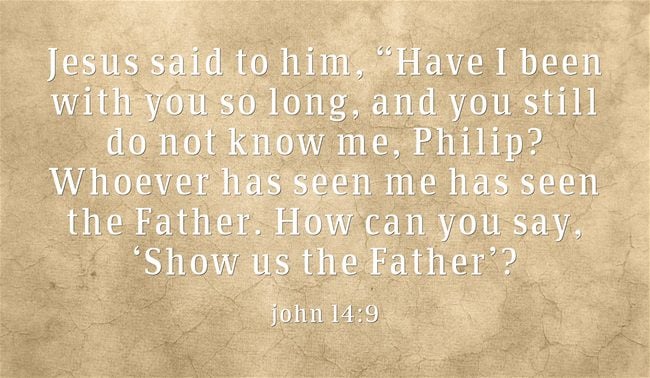
Even though The Shack is fiction, I believe it is dangerous, particularly for new Christians, because they don’t have enough knowledge of the Bible and of God, and so they might confuse these fictional characters with the way God really is. There is the risk they might begin to believe Young’s description of God and the Trinity. It appears that the author of The Shack is simply following the culture by creating their own image of God to match their own likenesses, and reshaping Him into their own image from their own imaginations, like the serpent said, “Did God really say?” (Gen 3:1). In the author’s fictional view, Jesus’ sacrifice allows Christians and non-Christians to spend eternity with God, in what is deemed, Universal Reconciliation. In other words, everybody goes to heaven, not just followers of Jesus, and some in this camp even include the devil and his demons. If you do choose to see The Shack, you might do well to examine your own beliefs from the Bible about repentance, sin, the Trinity, and communication with the dead (which is also troubling about this book and movie). I don’t need another fictional book to tell me what God is like. We have the best source on earth for that and its call the Bible. We don’t have to guess about the nature of God or His attributes, because we can know. Jesus says if you have seen Him, you have seen the Father (John 14:9), and by the way, the Father is not an African American woman and the Holy Spirit is not a mysterious Asian woman named Sarayu.
Article by Jack Wellman
Jack Wellman is Pastor of the Mulvane Brethren Church in Mulvane Kansas. Jack is also the Senior Writer at What Christians Want To Know whose mission is to equip, encourage, and energize Christians and to address questions about the believer’s daily walk with God and the Bible. You can follow Jack on Google Plus or check out his book Teaching Children the Gospel available on Amazon.
Young, William P. The Shack. Copyright 2008. Windblown Media, Newbury Park, CA.
Olson, Roger E. Finding God In The Shack. Copyright, 2009. Intervarsity Press, Downers Grove, IL.
Previous Post

February 8, 2017
Who Goes To Heaven? Do Only Good People Go To Heaven?
Next Post
February 13, 2017 What Was Paul’s “Thorn In The Flesh?”
Browse Our Archives
Select a Category Bible Answers Bible Definitions Bible Story Bible Study Bible Verses Christian Books Christian Entertainment Christian Fathers Christian Mothers Christian Quotes Devotional Famous Christians Music News Parables Prayers Quotes Sunday School Lesson Uncategorized Youth Sermons
Select a Month October 2019 September 2019 August 2019 July 2019 June 2019 May 2019 April 2019 March 2019 February 2019 January 2019 December 2018 November 2018 October 2018 September 2018 August 2018 July 2018 June 2018 May 2018 April 2018 March 2018 February 2018 January 2018 December 2017 November 2017 October 2017 September 2017 August 2017 July 2017 June 2017 May 2017 April 2017 March 2017 February 2017 January 2017 December 2016 November 2016 October 2016 September 2016 August 2016 July 2016 June 2016 May 2016 March 2016 February 2016 January 2016 December 2015 November 2015 October 2015 September 2015 August 2015 July 2015 June 2015 May 2015 April 2015 March 2015 February 2015 January 2015 December 2014 November 2014 October 2014 September 2014 August 2014 July 2014 June 2014 May 2014 April 2014 March 2014 February 2014 January 2014 December 2013 November 2013 October 2013 September 2013 August 2013 July 2013 June 2013 May 2013 April 2013 March 2013
Follow Us!
TAKE THE
Religious Wisdom Quiz
True or False: Paul's first missionary journey was with Silas.
Select your answer to see how you score.
TRUE FALSE
Related posts from Christian Crier

How The Trinity Works In Our Salvation
When Worship Music Replaces Worship Of God

How To Live A Life Of Contentment

Is God Using Natural Disasters As A Judgment...
TRENDING AT PATHEOS Evangelical

When you hear the word riches, what comes to mind? For most...

Don’t Miss the Parents: A Creative Christmas Meditation
As we enter the Advent Season, I see many people trying to...

Making Stones Into Bread: Choosing the “Right” Work
I was on my online arts ministry Zoom meeting with the International...

Ukraine’s exhausted Christians face fifth winter of war
By Julian Lukins The full-scale war in Ukraine is taking “a serious...

Russell Brand's Conviction is not anti-Christian Persecution
How do we shed the reputation that the Church is OK with...

Have you ever caught yourself saying, “I’ll do it tomorrow,” or “Now...
view all Evangelical blogs
Ad-Free & Subscriber Log-In Subscription Support
- About Us
- 2026 Calendar
- Videos
- Podcasts
- Library of World Religions
- Faith In Media Tracker
- Advertise With Us
- Write for Us
- Privacy Policy
- Terms of Service
- Do Not Sell My Data
- Contact Us
- Radiant Digital
- Manage Newsletter Subscriptions
- Unsubscribe From Notifications
- Sitemap
Copyright 2008-2026, Patheos, part of the Radiant Digital network of media brands. All rights reserved.
Subscription Support Ad-Free & Subscriber Log-In
Follow Patheos