
BuddhistCatholicContemplativeEvangelicalGeneral ChristianHinduJewishLatter-day SaintMuslimNew VisionsProgressive Christian
Beliefs
- Buddhist
- Catholic
- Contemplative
- Evangelical
- General Christian
- Hindu
- Jewish
- Latter-day Saint
- More Voices
- Muslim
- New Visions
- Pagan
- Progressive Christian
Topics
- Religion News
- Food and Religion
- Sports and Religion
- Religious Art
- Religious Music and Entertainment
- Religious Events
- History and Religion
- Style and Religion
- Politics and Religion
- Women in Religion
- Recreation Outdoors and Religion
- Business Finance and Religion
- Careers Workplace and Religion
- Education and Religion
- Family Parenting and Religion
- Health Fitness and Religion
- Home and Religion
- Relationships and Religion
- Technology and Religion
- Travel and Religion
Columnists
- Buddhist Columnists
- Business Finance and Religion Columnists
- Careers Workplace and Religion Columnists
- Catholic Columnists
- Contemplative Columnists
- Education and Religion Columnists
- Evangelists Columnists
- Family Parenting and Religion Columnists
- General Christian Columnists
- Health Fitness and Religion Columnists
- Hindu Columnists
- History and Religion Columnists
- Home and Religion Columnists
- Jewish Columnists
- More Voices Columnists
- Latter Day Columnists
- Muslim Columnists
- New Visions Columnists
- Nonreligious Columnists
- Pagan Columnists
- Politics and Religion Columnists
- Progressive Columnists
- Recreation Outdoors and Religion Columnists
- Relationships and Religion Columnists
- Religion News Columnists
- Religious Art Columnists
- Religious Events Columnists
- Religious Music and Entertainment Columnists
- Sports and Religion Columnists
- Style and Religion Columnists
- Technology and Religion Columnists
- Travel and Religion Columnists
- Women in Religion Columnists
Resource Library
- 2026 Calendar
- Library of World Religions
- The 100 Most Holy Places on Earth
- Patheos Answers
- Podcasts
- Videos
- Faith Leaders Database
- Anglican Episcopalian
- Bahai
- Baptist
- Buddhism
- Christianity
- Confucianism
- Eastern Orthodoxy
- Hinduism
- Holiness and Pentecostal
- ISKCON
- Islam
- Judaism
- Lutheran
- Methodist
- The Church of Jesus Christ of Latter-day Saints
- New Age
- Paganism
- Presbytarian and Reformed
- Protestantism
- Religion Behind the Scenes
- Roman Catholic
- Scientology
- Shia Islam
- Sikhism
- Sufism
- Sunni Islam
- Taoism
- Zen
- See all religions
Research Tools
 Ad-Free & Subscriber Log-In Subscription Support
Ad-Free & Subscriber Log-In Subscription Support
Follow Patheos 

- Trending:
- Forgiveness
- |
- Marriage
- |
- Consciousness
- |
- Death Penalty
- |
- Election
- |
- Halloween
 Christian Crier
- Home
- Evangelical
- What Is Kabbalah Or Kabbalists? Is This Biblical?
What Is Kabbalah Or Kabbalists? Is This Biblical?
Last updated on: March 9, 2016 at 8:57 am by Jack Wellman
What Is Kabbalah Or Kabbalists? Is This Biblical? 2016-03-09T08:57:00-06:00 Jack Wellman
Patheos Explore the world's faith through different perspectives on religion and spirituality! Patheos has the views of the prevalent religions and spiritualities of the world.
What is Kabbalah? Where did the idea come from? Is it biblical?
What is Kabbalah?
Kabbalah is original with Judaism and is an ancient wisdom that is supposed to reveal how the universe and life work. The word Kabbalah means “to receive” and in this case, it is the receiving of the ancient wisdom that the Jews have long since held onto by tradition. Kabbalah is a study course really with the chief goal being the receiving of fulfillment in one’s life. It’s not just being happy but it means you are connecting to the energy, and maintaining your connection to true long-lasting fulfillment of life that few others even know about. It’s not really a secret society but it comes pretty close to it because not just anyone can be a Kabbalist. Kabbalah attempts to explain the relationship between the infinite and the finite.
Kabbalists
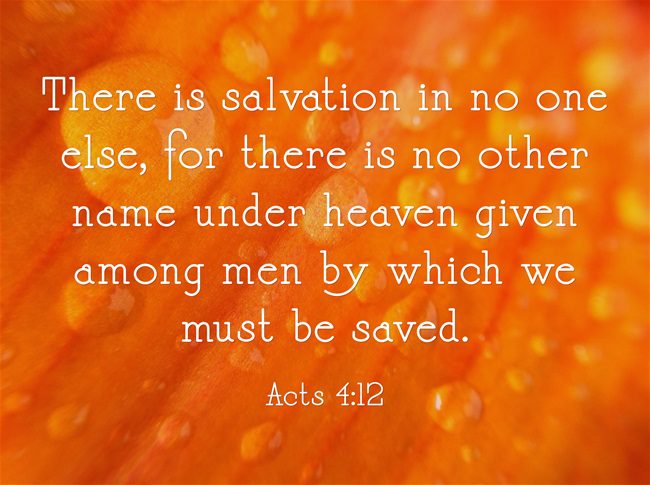
A person who has or is receiving the ancient wisdom and living by it is called a Kabbalists. The Kabbalist seeks to reach fulfillment in this life and that means following and living by the ancient Jewish paradigm for this life. The end point is to fully understand how the universe works at its core level and that allows the Kabbalist to find the permanent and complete fulfillment in life that only Kabbalah can bring. You would think that since Kabbalah has Jewish origins, it would make reference to a personal God but it’s almost the pursuit of the knowledge of how the universe works so that complete fulfillment can be reached or received but there is trouble with this thinking. In the first place, it eliminates God from the picture and it makes it something we do to reach fulfillment which is contrary to the way a person is saved (Eph 2:8-9) but also most troubling is they believe that their universal principles can apply to all peoples of all faiths and all religions, no matter what god or gods they worship or no gods at all. That is universalism that is contrary to the biblical teaching that “there is salvation in no one else, for there is no other name under heaven given among men by which we must be saved” (Acts 4:12).
Rejecting Truth and Believing a Lie
Sadly, the Jews have as a whole rejected Jesus as their Messiah even though the evidence for His being the perfect fulfillment of the Messiah can be found in the Old Testament. Since they have rejected Jesus, He told them “unless you repent, you will all likewise perish” (Luke 13:5) and even more tragic, Jesus tells the Jews “In that place there will be weeping and gnashing of teeth, when you see Abraham and Isaac and Jacob and all the prophets in the kingdom of God but you yourselves cast out. And people will come from east and west, and from north and south, and recline at table in the kingdom of God” (Luke 13:28-29). They had thought it was their connection to Abraham that they would enter the kingdom and that by this external, outward circumcision of the flesh that set them apart, ignoring the fact that “a Jew is one inwardly, and circumcision is a matter of the heart, by the Spirit, not by the letter. His praise is not from man but from God” (Rom 2:29).
Kabbalah’s Source
When Kabbalah began, many saw it as having a Greek origin and it was a form of Neo-Platonism and its “Christian” offshoot, Gnosticism. Gnosticism is a heresy which is made up of a diverse set of beliefs and is the teaching based on the idea of gnosis (a Koine Greek word meaning “secret knowledge”) that only a select few could have. The Gnostics thought that there physical material was evil, especially the human body, and that there was a constant tension between the flesh and the spirit but is this what the Bible teaches? A person is saved by believing in Jesus Christ and the Son of God as Savior and Lord (John 3:16) and not by trying to figure it all out by the use of knowledge. The Gnostics and the Kabbalists cannot see that it is only “by grace you have been saved through faith. And this is not your own doing; it is the gift of God, not a result of works, so that no one may boast” (Eph 2:8-9) but they want it to be by their own doing and works so that they can personally discover the way the universe works so that they can be fulfilled for the rest of their life.
Conclusion
If you know of someone who is a Kabbalist, please tell them that there is no other way to be saved than by repentance and faith (Mark 1:15) and that no one can save themselves by their own knowledge. Salvation is obtained by the knowledge of God and not by man’s own knowledge. God will save only those who repent, which means that they turn away from and forsake their sins and then they put their trust in Christ. There is simply no other way to be saved (Acts 16:30-31).
Article by Jack Wellman
Jack Wellman is Pastor of the Mulvane Brethren Church in Mulvane Kansas. Jack is also the Senior Writer at What Christians Want To Know whose mission is to equip, encourage, and energize Christians and to address questions about the believer’s daily walk with God and the Bible. You can follow Jack on Google Plus or check out his book Teaching Children the Gospel available on Amazon.
Previous Post

March 8, 2016
Is The KJV The Only True Bible Translation?
Next Post
March 9, 2016 What Is The Oldest Religion?
Browse Our Archives
Select a Category Bible Answers Bible Definitions Bible Story Bible Study Bible Verses Christian Books Christian Entertainment Christian Fathers Christian Mothers Christian Quotes Devotional Famous Christians Music News Parables Prayers Quotes Sunday School Lesson Uncategorized Youth Sermons
Select a Month October 2019 September 2019 August 2019 July 2019 June 2019 May 2019 April 2019 March 2019 February 2019 January 2019 December 2018 November 2018 October 2018 September 2018 August 2018 July 2018 June 2018 May 2018 April 2018 March 2018 February 2018 January 2018 December 2017 November 2017 October 2017 September 2017 August 2017 July 2017 June 2017 May 2017 April 2017 March 2017 February 2017 January 2017 December 2016 November 2016 October 2016 September 2016 August 2016 July 2016 June 2016 May 2016 March 2016 February 2016 January 2016 December 2015 November 2015 October 2015 September 2015 August 2015 July 2015 June 2015 May 2015 April 2015 March 2015 February 2015 January 2015 December 2014 November 2014 October 2014 September 2014 August 2014 July 2014 June 2014 May 2014 April 2014 March 2014 February 2014 January 2014 December 2013 November 2013 October 2013 September 2013 August 2013 July 2013 June 2013 May 2013 April 2013 March 2013
Follow Us!
TAKE THE
Religious Wisdom Quiz
How many disciples did Jesus choose?
Select your answer to see how you score.
10 12 13 11
Related posts from Christian Crier

What Does The Bible Say About Our Thoughts?

Top 13 Bible Verses About Virtue

Do Colors Have Special Meaning In The Bible?

The Greatest Father In History
TRENDING AT PATHEOS Evangelical

The REST of Your Life: A Creative Wrestles...
This week I had a conversation with a good friend from church....

How the author of the world's best hymn...
I've been working with John Newton for a while now. This makes...

Long before this Lectio Divina, Psalm 130 - the song - started...

What About the Trees? Another Living Parable
After I finished writing the last article about falling leaves as a...

Why Classical Education Is a Conversation, Not a...
Come and Read: Joy in Classical Education When I was a little...

Cornell University has received a great deal of negative publicity and intense...
view all Evangelical blogs
Ad-Free & Subscriber Log-In Subscription Support
- About Us
- 2026 Calendar
- Videos
- Podcasts
- Library of World Religions
- Faith In Media Tracker
- Advertise With Us
- Write for Us
- Privacy Policy
- Terms of Service
- Do Not Sell My Data
- Contact Us
- Radiant Digital
- Manage Newsletter Subscriptions
- Unsubscribe From Notifications
- Sitemap
Copyright 2008-2026, Patheos. All rights reserved.
Subscription Support Ad-Free & Subscriber Log-In
Follow Patheos