
BuddhistCatholicContemplativeEvangelicalGeneral ChristianHinduJewishLatter-day SaintMuslimNew VisionsProgressive Christian
Beliefs
- Buddhist
- Catholic
- Contemplative
- Evangelical
- General Christian
- Hindu
- Jewish
- Latter-day Saint
- More Voices
- Muslim
- New Visions
- Pagan
- Progressive Christian
Topics
- Religion News
- Food and Religion
- Sports and Religion
- Religious Art
- Religious Music and Entertainment
- Religious Events
- History and Religion
- Style and Religion
- Politics and Religion
- Women in Religion
- Recreation Outdoors and Religion
- Business Finance and Religion
- Careers Workplace and Religion
- Education and Religion
- Family Parenting and Religion
- Health Fitness and Religion
- Home and Religion
- Relationships and Religion
- Technology and Religion
- Travel and Religion
Columnists
- Buddhist Columnists
- Business Finance and Religion Columnists
- Careers Workplace and Religion Columnists
- Catholic Columnists
- Contemplative Columnists
- Education and Religion Columnists
- Evangelists Columnists
- Family Parenting and Religion Columnists
- General Christian Columnists
- Health Fitness and Religion Columnists
- Hindu Columnists
- History and Religion Columnists
- Home and Religion Columnists
- Jewish Columnists
- More Voices Columnists
- Latter Day Columnists
- Muslim Columnists
- New Visions Columnists
- Nonreligious Columnists
- Pagan Columnists
- Politics and Religion Columnists
- Progressive Columnists
- Recreation Outdoors and Religion Columnists
- Relationships and Religion Columnists
- Religion News Columnists
- Religious Art Columnists
- Religious Events Columnists
- Religious Music and Entertainment Columnists
- Sports and Religion Columnists
- Style and Religion Columnists
- Technology and Religion Columnists
- Travel and Religion Columnists
- Women in Religion Columnists
Resource Library
- 2026 Calendar
- Library of World Religions
- The 100 Most Holy Places on Earth
- Patheos Answers
- Podcasts
- Videos
- Faith Leaders Database
- Anglican Episcopalian
- Bahai
- Baptist
- Buddhism
- Christianity
- Confucianism
- Eastern Orthodoxy
- Hinduism
- Holiness and Pentecostal
- ISKCON
- Islam
- Judaism
- Lutheran
- Methodist
- The Church of Jesus Christ of Latter-day Saints
- New Age
- Paganism
- Presbytarian and Reformed
- Protestantism
- Religion Behind the Scenes
- Roman Catholic
- Scientology
- Shia Islam
- Sikhism
- Sufism
- Sunni Islam
- Taoism
- Zen
- See all religions
Research Tools
 Ad-Free & Subscriber Log-In Subscription Support
Ad-Free & Subscriber Log-In Subscription Support
Follow Patheos 

- Trending:
- Forgiveness
- |
- Marriage
- |
- Consciousness
- |
- Death Penalty
- |
- Election
- |
- Halloween
 Christian Crier
- Home
- Evangelical
- A Sunday School Lesson On Noah
A Sunday School Lesson On Noah
Last updated on: January 31, 2016 at 5:00 pm by Jack Wellman
A Sunday School Lesson On Noah 2016-01-31T17:00:11-06:00 Jack Wellman
Patheos Explore the world's faith through different perspectives on religion and spirituality! Patheos has the views of the prevalent religions and spiritualities of the world.
Here is a Sunday school lesson or Bible study on Noah.
The Favor of God
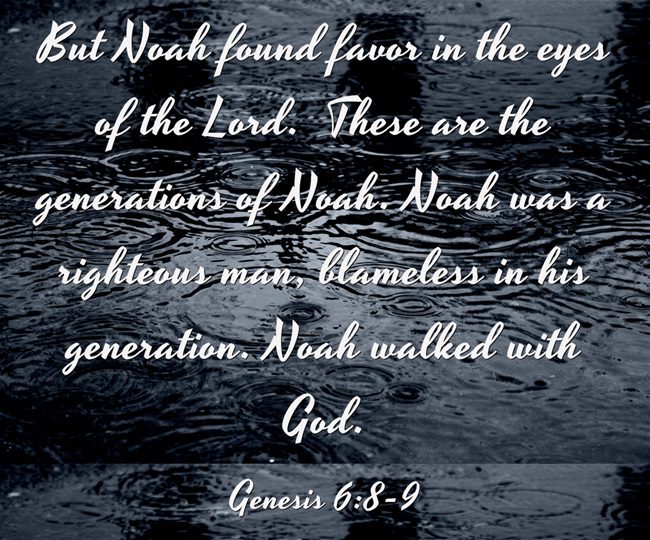
Genesis 6:8-9 “But Noah found favor in the eyes of the Lord. These are the generations of Noah. Noah was a righteous man, blameless in his generation. Noah walked with God.”
God showed favor on Noah because he was blameless before him in all his generation or among all those who were his contemporaries but “The Lord saw that the wickedness of man was great in the earth, and that every intention of the thoughts of his heart was only evil continually” (Gen 6:5) and at that time, “the earth was corrupt in God’s sight, and the earth was filled with violence. And God saw the earth, and behold, it was corrupt, for all flesh had corrupted their way on the earth. And God said to Noah, “I have determined to make an end of all flesh, for the earth is filled with violence through them. Behold, I will destroy them with the earth” (Genesis 6:11-13). God knew that those outside of Noah’s family would never repent and believe because they hadn’t listened to Noah for at least forty years.
Had mankind reached a point of no return or where repentance was impossible?
Is the present world like the days of Noah?
Why was Noah considered righteous by God?
Enter the Ark
Genesis 7:1 “Then the Lord said to Noah, “Go into the ark, you and all your household, for I have seen that you are righteous before me in this generation.”
Several times we have seen why God spared Noah, and for his sake, the lives of his family, since “Noah did all that the Lord had commanded him” (Gen 7:5). Today, we know that the very righteousness of Christ is what we need but God imparts His righteousness upon all who trust in Him (2nd Cor 5:21). Part of the gospel message of being saved by faith and not by works (Eph 2:8-9) is that salvation comes by Christ alone (Acts 4:12) and that God seals it by His Spirit (Eph 1:13-14), and so “those that entered, male and female of all flesh, went in as God had commanded him. And the Lord shut him in” (Gen 7:16). Did you notice that Noah didn’t close the door because there was probably no inside door handle but “the Lord shut him in,” meaning it was God alone Who saved Noah and his family. Without God telling Noah to build an ark, Noah and his family would have also been drowned in the flood.
Why is it important to point out that “the Lord shut him in?”
Do you think Noah’s family members were righteous or blameless?
Were they saved on account of Noah?
The Flood of Judgment
Second Peter 2:5 “if he did not spare the ancient world, but preserved Noah, a herald of righteousness, with seven others, when he brought a flood upon the world of the ungodly.”
The Apostle Peter is writing to the dispersed Christian Jews that God won’t spare the ungodly in this present world any more than he didn’t spare the ancient world in Noah’s day. God “brought a flood upon the world of the ungodly” and He “did not spare angels when they sinned, but cast them into hell and committed them to chains of gloomy darkness to be kept until the judgment” (2nd Pet 2:4). One example of God’s judgment was “by turning the cities of Sodom and Gomorrah to ashes he condemned them to extinction, making them an example of what is going to happen to the ungodly” (2nd Pet 2:6). Jesus warned about this same type of society in the last days by saying it will be just like it was in the days of Noah when the Son of Man comes (Luke 17:26).
Do you think God has changed His mind about ungodliness? Why?
What angels did God not spare “but cast them into hell?”
Does Noah and Sodom’s example still apply to today?
Fear and Faith
Hebrews 11:7 “By faith Noah, being warned by God concerning events as yet unseen, in reverent fear constructed an ark for the saving of his household. By this he condemned the world and became an heir of the righteousness that comes by faith.”
We know for sure that “The fear of the Lord is the beginning of wisdom, and the knowledge of the Holy One is insight” (Prov 9:10) but this is not the way the world thinks about fear. It’s like a child who fears discipline if their hand is caught in the cookie jar. The child doesn’t fear that their parent won’t love them; they fear getting caught, so out of respect or revering what dad or mom said, they will obey them (most of the time). Noah had a godly fear, not a fear of being struck dead, but a reverential fear that showed up in obedience and belief. He built an ark for something he had never seen before because He feared God, trusted God, and believed God. By this, God could declare Noah as a man of faith which makes him (and us) “an heir of the righteousness that comes by faith.”
What is the difference between what the world calls fear and what Christians call the fear of God?
Was the gospel message contained in the account of Noah?
How did Noah condemn the world?
Conclusion
I urge you in your study to look at all of the Bible verses and read them aloud in the class so that you can get the most out of this lesson on Noah which brings us to the present day when Jesus said, “Just as it was in the days of Noah, so will it be in the days of the Son of Man. They were eating and drinking and marrying and being given in marriage, until the day when Noah entered the ark, and the flood came and destroyed them all” (Luke 17:26-27). Today, we should warn people of God’s coming wrath (Rev 20:12-15) on all unrepentant sinners (Rev 21:8) and those who reject Jesus as Lord and Savior (John 3:36b) because we are called for this purpose (Matt 28:19-20).
Is there another “flood” coming to this world?
Is this world similar to what Jesus said as in the days of Noah?
What has changed in your understanding about Noah after this study?
Article by Jack Wellman
Jack Wellman is Pastor of the Mulvane Brethren Church in Mulvane Kansas. Jack is also the Senior Writer at What Christians Want To Know whose mission is to equip, encourage, and energize Christians and to address questions about the believer’s daily walk with God and the Bible. You can follow Jack on Google Plus or check out his book Teaching Children the Gospel available on Amazon.
Previous Post

January 30, 2016
A Sunday School Lesson On Gideon
Next Post
January 31, 2016 A Sunday School Lesson On Nicodemus
Browse Our Archives
Select a Category Bible Answers Bible Definitions Bible Story Bible Study Bible Verses Christian Books Christian Entertainment Christian Fathers Christian Mothers Christian Quotes Devotional Famous Christians Music News Parables Prayers Quotes Sunday School Lesson Uncategorized Youth Sermons
Select a Month October 2019 September 2019 August 2019 July 2019 June 2019 May 2019 April 2019 March 2019 February 2019 January 2019 December 2018 November 2018 October 2018 September 2018 August 2018 July 2018 June 2018 May 2018 April 2018 March 2018 February 2018 January 2018 December 2017 November 2017 October 2017 September 2017 August 2017 July 2017 June 2017 May 2017 April 2017 March 2017 February 2017 January 2017 December 2016 November 2016 October 2016 September 2016 August 2016 July 2016 June 2016 May 2016 March 2016 February 2016 January 2016 December 2015 November 2015 October 2015 September 2015 August 2015 July 2015 June 2015 May 2015 April 2015 March 2015 February 2015 January 2015 December 2014 November 2014 October 2014 September 2014 August 2014 July 2014 June 2014 May 2014 April 2014 March 2014 February 2014 January 2014 December 2013 November 2013 October 2013 September 2013 August 2013 July 2013 June 2013 May 2013 April 2013 March 2013
Follow Us!
TAKE THE
Religious Wisdom Quiz
Who was the king who arranged for Hezekiah's scribes to compile additional Proverbs?
Select your answer to see how you score.
Jeroboam Hezekiah Ahab Solomon
Related posts from Christian Crier


Seeing The Gospel In Biblical Accounts
Getting The Most Out Of Your Bible Reading

Philippians 2 As A Mission Statement
TRENDING AT PATHEOS Evangelical

How the author of the world's best hymn...
I've been working with John Newton for a while now. This makes...

Long before this Lectio Divina, Psalm 130 - the song - started...

What About the Trees? Another Living Parable
After I finished writing the last article about falling leaves as a...

Why Classical Education Is a Conversation, Not a...
Come and Read: Joy in Classical Education When I was a little...

Falling Leaves: A Living Parable on Letting Go
I’ve spent the vast majority of my life in the southeast corner...

Cornell University has received a great deal of negative publicity and intense...
view all Evangelical blogs
Ad-Free & Subscriber Log-In Subscription Support
- About Us
- 2026 Calendar
- Videos
- Podcasts
- Library of World Religions
- Faith In Media Tracker
- Advertise With Us
- Write for Us
- Privacy Policy
- Terms of Service
- Do Not Sell My Data
- Contact Us
- Radiant Digital
- Manage Newsletter Subscriptions
- Unsubscribe From Notifications
- Sitemap
Copyright 2008-2026, Patheos. All rights reserved.
Subscription Support Ad-Free & Subscriber Log-In
Follow Patheos