
BuddhistCatholicContemplativeEvangelicalGeneral ChristianHinduJewishLatter-day SaintMuslimNew VisionsProgressive Christian
Beliefs
- Buddhist
- Catholic
- Contemplative
- Evangelical
- General Christian
- Hindu
- Jewish
- Latter-day Saint
- More Voices
- Muslim
- New Visions
- Pagan
- Progressive Christian
Topics
- Religion News
- Food and Religion
- Sports and Religion
- Religious Art
- Religious Music and Entertainment
- Religious Events
- History and Religion
- Style and Religion
- Politics and Religion
- Women in Religion
- Recreation Outdoors and Religion
- Business Finance and Religion
- Careers Workplace and Religion
- Education and Religion
- Family Parenting and Religion
- Health Fitness and Religion
- Home and Religion
- Relationships and Religion
- Technology and Religion
- Travel and Religion
Columnists
- Buddhist Columnists
- Business Finance and Religion Columnists
- Careers Workplace and Religion Columnists
- Catholic Columnists
- Contemplative Columnists
- Education and Religion Columnists
- Evangelists Columnists
- Family Parenting and Religion Columnists
- General Christian Columnists
- Health Fitness and Religion Columnists
- Hindu Columnists
- History and Religion Columnists
- Home and Religion Columnists
- Jewish Columnists
- More Voices Columnists
- Latter Day Columnists
- Muslim Columnists
- New Visions Columnists
- Nonreligious Columnists
- Pagan Columnists
- Politics and Religion Columnists
- Progressive Columnists
- Recreation Outdoors and Religion Columnists
- Relationships and Religion Columnists
- Religion News Columnists
- Religious Art Columnists
- Religious Events Columnists
- Religious Music and Entertainment Columnists
- Sports and Religion Columnists
- Style and Religion Columnists
- Technology and Religion Columnists
- Travel and Religion Columnists
- Women in Religion Columnists
Resource Library
- 2026 Calendar
- Library of World Religions
- The 100 Most Holy Places on Earth
- Patheos Answers
- Podcasts
- Videos
- Faith Leaders Database
- Anglican Episcopalian
- Bahai
- Baptist
- Buddhism
- Christianity
- Confucianism
- Eastern Orthodoxy
- Hinduism
- Holiness and Pentecostal
- ISKCON
- Islam
- Judaism
- Lutheran
- Methodist
- The Church of Jesus Christ of Latter-day Saints
- New Age
- Paganism
- Presbytarian and Reformed
- Protestantism
- Religion Behind the Scenes
- Roman Catholic
- Scientology
- Shia Islam
- Sikhism
- Sufism
- Sunni Islam
- Taoism
- Zen
- See all religions
Research Tools
 Ad-Free & Subscriber Log-In Subscription Support
Ad-Free & Subscriber Log-In Subscription Support
Follow Patheos 

- Trending:
- Forgiveness
- |
- Marriage
- |
- Consciousness
- |
- Death Penalty
- |
- Election
- |
- Halloween
 Christian Crier
- Home
- Evangelical
- How Do Demons Attack People According To The Bible?
How Do Demons Attack People According To The Bible?
Last updated on: December 22, 2015 at 6:35 pm by Jack Wellman
How Do Demons Attack People According To The Bible? 2015-12-22T18:35:24-06:00 Jack Wellman
Patheos Explore the world's faith through different perspectives on religion and spirituality! Patheos has the views of the prevalent religions and spiritualities of the world.
How do demons or Satan attack God’s people? What are their specific tactics?
Why they Attack
Why do demons attack? What does the Bible say is the reason? For one thing, we’re not battling an enemy that we can see with our eyes since “we do not wrestle against flesh and blood, but against the rulers, against the authorities, against the cosmic powers over this present darkness, against the spiritual forces of evil in the heavenly places” (Eph 6:12). These demons of darkness are opposed to the gospel of Jesus Christ and will do anything that can to prevent people from being saved. In one case, Daniel had prayed to God but it took three weeks for the angel of God to deliver the message. Why? The angel told Daniel that “The prince of the kingdom of Persia withstood me twenty-one days, but Michael, one of the chief princes, came to help me, for I was left there with the kings of Persia” (Dan 10:13). Michael, as one of the chief princes or angels, had to come to ensure the message got through to Daniel as they were fighting the “prince of Persia,” most likely a very powerful demon angel. Demons are simply fallen angels who choose to follow Lucifer’s rebellion and have joined with the prince of darkness to interfere in any way possible with the plan of salvation and that includes attacking Christians.
Is it Satan or a Demon?
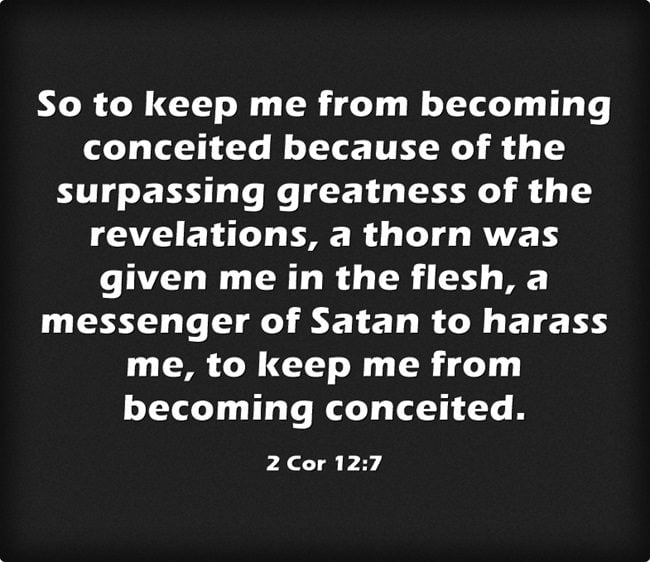
If I hear someone say that “Satan is attacking them or harassing them” and then about a dozen others say the same thing, I have to think that they are probably going through spiritual attacks but not by Satan but by demons. That’s because Satan is not omnipresent, like God is. As a created being, he can only be in one place at a time; therefore they are likely dealing with demons and not Satan. He most likely spends his time on the most effective evangelists, teachers, preachers, missionaries, and maybe even world leaders as Paul writes that “you were dead in the trespasses and sins in which you once walked, following the course of this world, following the prince of the power of the air, the spirit that is now at work in the sons of disobedience” (Eph 2:1-2) so who do these demons focus on? Who are their prime targets?
Who they Attack
The demons focus on those who are entering enemy territory. That is, they are bringing the gospel into the community, the town square, on the streets, into prisons, into the nursing homes, and just about any place that there are people. The demons hate anything about God and will focus on those who are actively sharing their faith. Why would they waste their time on silent, underground, private-eye Christians who might look more like “pew potatoes” than believers who are living out the Great Commission (Matt 28:19-20; Acts 1:8)? Like the demons prevented Daniel’s message from arriving for three weeks, demons will try to disrupt our lives as much as possible.
How they Attack
Demons will attack your belief in your own salvation by filling you full of doubts it, but for everyone who’s repented and put their trust in Christ, their doubts are groundless. Demons will also try to persecute you, even using others to bring about railing accusations, false rumors, profanity-laced tirades, insults, name calling and flat out lies. The Devil’s name means slanderer and that’s what he’ll try to do with your good name. The Apostle John writes that Satan, “the accuser of our brothers has been thrown down, who accuses them day and night before our God” (Rev 12:10b) so he is constantly accusing us of sin. And he’s right but the difference is that when we confess our sins, God forgives us and then cleanses us from all of our unrighteousness (1st John 1:9) so Christians are untouchable as they “have conquered him by the blood of the Lamb and by the word of their testimony, for they loved not their lives even unto death” (Rev 12:11). Demons will also try to make you feel hopeless, lost, depressed, without purpose, and try to destroy your faith because if they can, they will immobilize your testimony for Christ.
Conclusion
Satan or his demons have no problems with unbelievers because they’re already headed down the broad path of destruction. Jesus says that there are only two possible paths that we can take and He urges us to “Enter by the narrow gate. For the gate is wide and the way is easy that leads to destruction, and those who enter by it are many” (Matt 7:13) and “the gate is narrow and the way is hard that leads to life, and those who find it are few” (Matt 7:14) for “Whoever believes in the Son has eternal life; whoever does not obey the Son shall not see life, but the wrath of God remains on him” (John 3:36).
Article by Jack Wellman
Jack Wellman is Pastor of the Mulvane Brethren Church in Mulvane Kansas. Jack is also the Senior Writer at What Christians Want To Know whose mission is to equip, encourage, and energize Christians and to address questions about the believer’s daily walk with God and the Bible. You can follow Jack on Google Plus or check out his book Teaching Children the Gospel available on Amazon.
Previous Post

December 22, 2015
What Are The Different Types Of Demons In The Bible?
Next Post
December 22, 2015 Top 7 Bible Verses About Overcoming Sin
Browse Our Archives
Select a Category Bible Answers Bible Definitions Bible Story Bible Study Bible Verses Christian Books Christian Entertainment Christian Fathers Christian Mothers Christian Quotes Devotional Famous Christians Music News Parables Prayers Quotes Sunday School Lesson Uncategorized Youth Sermons
Select a Month October 2019 September 2019 August 2019 July 2019 June 2019 May 2019 April 2019 March 2019 February 2019 January 2019 December 2018 November 2018 October 2018 September 2018 August 2018 July 2018 June 2018 May 2018 April 2018 March 2018 February 2018 January 2018 December 2017 November 2017 October 2017 September 2017 August 2017 July 2017 June 2017 May 2017 April 2017 March 2017 February 2017 January 2017 December 2016 November 2016 October 2016 September 2016 August 2016 July 2016 June 2016 May 2016 March 2016 February 2016 January 2016 December 2015 November 2015 October 2015 September 2015 August 2015 July 2015 June 2015 May 2015 April 2015 March 2015 February 2015 January 2015 December 2014 November 2014 October 2014 September 2014 August 2014 July 2014 June 2014 May 2014 April 2014 March 2014 February 2014 January 2014 December 2013 November 2013 October 2013 September 2013 August 2013 July 2013 June 2013 May 2013 April 2013 March 2013
Follow Us!
TAKE THE
Religious Wisdom Quiz
What did Isaiah tell Hezekiah to use as a remedy for his illness?
Select your answer to see how you score.
Wine A poultice of figs Olive oil River water
Related posts from Christian Crier

What Does The Bible Say About Our Thoughts?

Do Colors Have Special Meaning In The Bible?

The Glass – Half Empty Or Half Full?

TRENDING AT PATHEOS Evangelical

How the author of the world's best hymn...
I've been working with John Newton for a while now. This makes...

Long before this Lectio Divina, Psalm 130 - the song - started...

What About the Trees? Another Living Parable
After I finished writing the last article about falling leaves as a...

Why Classical Education Is a Conversation, Not a...
Come and Read: Joy in Classical Education When I was a little...

Falling Leaves: A Living Parable on Letting Go
I’ve spent the vast majority of my life in the southeast corner...

Cornell University has received a great deal of negative publicity and intense...
view all Evangelical blogs
Ad-Free & Subscriber Log-In Subscription Support
- About Us
- 2026 Calendar
- Videos
- Podcasts
- Library of World Religions
- Faith In Media Tracker
- Advertise With Us
- Write for Us
- Privacy Policy
- Terms of Service
- Do Not Sell My Data
- Contact Us
- Radiant Digital
- Manage Newsletter Subscriptions
- Unsubscribe From Notifications
- Sitemap
Copyright 2008-2026, Patheos. All rights reserved.
Subscription Support Ad-Free & Subscriber Log-In
Follow Patheos