
BuddhistCatholicContemplativeEvangelicalGeneral ChristianHinduJewishLatter-day SaintMuslimNew VisionsProgressive Christian
Beliefs
- Buddhist
- Catholic
- Contemplative
- Evangelical
- General Christian
- Hindu
- Jewish
- Latter-day Saint
- More Voices
- Muslim
- New Visions
- Pagan
- Progressive Christian
Topics
- Religion News
- Food and Religion
- Sports and Religion
- Religious Art
- Religious Music and Entertainment
- Religious Events
- History and Religion
- Style and Religion
- Politics and Religion
- Women in Religion
- Recreation Outdoors and Religion
- Business Finance and Religion
- Careers Workplace and Religion
- Education and Religion
- Family Parenting and Religion
- Health Fitness and Religion
- Home and Religion
- Relationships and Religion
- Technology and Religion
- Travel and Religion
Columnists
- Buddhist Columnists
- Business Finance and Religion Columnists
- Careers Workplace and Religion Columnists
- Catholic Columnists
- Contemplative Columnists
- Education and Religion Columnists
- Evangelists Columnists
- Family Parenting and Religion Columnists
- General Christian Columnists
- Health Fitness and Religion Columnists
- Hindu Columnists
- History and Religion Columnists
- Home and Religion Columnists
- Jewish Columnists
- More Voices Columnists
- Latter Day Columnists
- Muslim Columnists
- New Visions Columnists
- Nonreligious Columnists
- Pagan Columnists
- Politics and Religion Columnists
- Progressive Columnists
- Recreation Outdoors and Religion Columnists
- Relationships and Religion Columnists
- Religion News Columnists
- Religious Art Columnists
- Religious Events Columnists
- Religious Music and Entertainment Columnists
- Sports and Religion Columnists
- Style and Religion Columnists
- Technology and Religion Columnists
- Travel and Religion Columnists
- Women in Religion Columnists
Resource Library
- 2026 Calendar
- Library of World Religions
- The 100 Most Holy Places on Earth
- Patheos Answers
- Podcasts
- Videos
- Faith Leaders Database
- Anglican Episcopalian
- Bahai
- Baptist
- Buddhism
- Christianity
- Confucianism
- Eastern Orthodoxy
- Hinduism
- Holiness and Pentecostal
- ISKCON
- Islam
- Judaism
- Lutheran
- Methodist
- The Church of Jesus Christ of Latter-day Saints
- New Age
- Paganism
- Presbytarian and Reformed
- Protestantism
- Religion Behind the Scenes
- Roman Catholic
- Scientology
- Shia Islam
- Sikhism
- Sufism
- Sunni Islam
- Taoism
- Zen
- See all religions
Research Tools
 Ad-Free & Subscriber Log-In Subscription Support
Ad-Free & Subscriber Log-In Subscription Support
Follow Patheos 

- Trending:
- Forgiveness
- |
- Marriage
- |
- Consciousness
- |
- Death Penalty
- |
- Election
- |
- Halloween
 Christian Crier
- Home
- Evangelical
- Does God Appear In The United States Constitution?
Does God Appear In The United States Constitution?
Last updated on: October 20, 2015 at 11:37 am by Jack Wellman
Does God Appear In The United States Constitution? 2015-10-20T11:37:41-05:00 Jack Wellman
Patheos Explore the world's faith through different perspectives on religion and spirituality! Patheos has the views of the prevalent religions and spiritualities of the world.
Does God’s name appear in the U.S. Constitution? If so, where is it and if not, does this mean the founding fathers were not believers?
The Obvious God
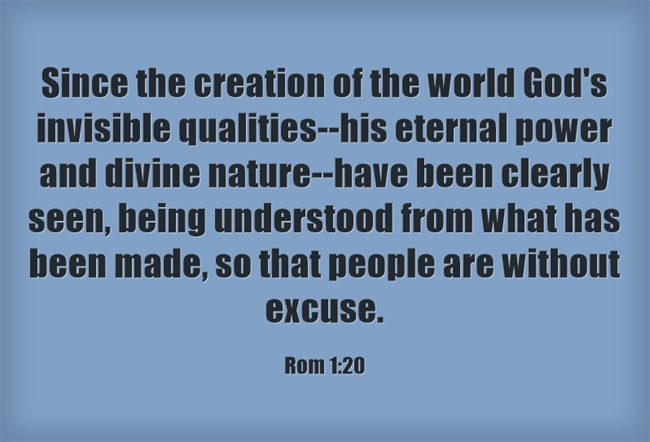
God doesn’t hide Himself as some might think. Anyone with a brain can see that “The heavens declare the glory of God, and the sky above proclaims his handiwork” (Psalm 19:1) and in fact, “since the creation of the world God’s invisible qualities–his eternal power and divine nature–have been clearly seen, being understood from what has been made, so that people are without excuse” (Rom 1:20) because “For what can be known about God is plain to them, because God has shown it to them” (Rom 1:19). God’s existence then is declared or proclaimed through His creation. God’s existence is clearly seen through “what has been made” because “God has shown it to them.” There is no excuse. Only the fool would say in his or her heart that there is no God (Psalm 14:1). For those who deny the existence of God, they are only suppressing the truth (Rom 1:18) because they love their sin and they don’t want to submit to anyone.
References to God
The U.S. Constitution may not directly say God’s name but it does clearly indicate Christianity because George Mason, who is called the “Father of the Bill of Rights” proposed the language of the First Amendment “All men have an equal, natural and unalienable right to the free exercise of religion, according to the dictates of conscience; and that no particular sect or society of Christians ought to be favored or established by law in preference to others.” [1] This was known as the Establishment Clause because the express purpose for writing this law was so that there would be no state-sanctioned religion as it was in England for which reason the Puritans fled in the first place. What the Puritans wanted was extreme reformed Protestantism, stripped away of ALL Catholic tendencies and the Anglican Church. In reading “Congress shall make no law respecting an establishment of religion, or prohibiting the free exercise thereof” the framers of the U.S. Constitution intended that the government not interfere with the worship of God or determine which was to be the religion of the state.
The Lord’s Day
Interestingly the Article I, Section 7 stated that “any Bill shall not be returned by the President within ten Days (Sundays excepted) after it shall have been presented to him, the Same shall be a Law, in like Manner as if he had signed it” establishing Sunday as a day that the federal government would not be open. If the foundation of this nation had been Muslim then it might have been Friday or if by Jewish influence, we might expect the government would shut down on Saturday. If there were no Christian influence, would there even be a day of rest at all? Instead, what we see is that Sunday is singled out specifically and there can be no doubt that it was due to the observance of the Lord’s Day.
The Lord’s Name
The U.S. Constitution does reference the Lord and clearly, this is the Lord God for there is no doubt even with the way they dated their document as we read in the close of the Constitution in Article VII that this was “Done in Convention by the Unanimous Consent of the States present the Seventeenth Day of September in the Year of our Lord one thousand seven hundred and Eighty seven and of the Independence of the United States of America” showing both the Lord’s name and also in specifying the year in which our Lord was born into human flesh and by which we date our years. During George Washington’s first Proclamation as President he said “it is the duty of all nations to acknowledge the providence of Almighty God, to obey His will, to be grateful for His benefits, and humbly to implore His protection and favor.” [2] Strange talk for an unbeliever, if he were. The most likely reason that God doesn’t appear by name in the Articles of Confederation was because it does not appear in the Preamble in the Articles of Confederation because that document was what they based the Constitution on. It is not hard to see that the fundamental principles and laws of our nation were based upon the Ten Commandments and the ethics of Jesus Christ.
Conclusion
God’s name might not appear in the U.S. Constitution per se but clearly “the heavens proclaim his righteousness, for he is a God of justice” (Psalm 50:6) and His laws are the foundation of the laws of many nations. The inferences about God are clearly seen. Some modern historical revisionists want to change the fact that that this nation was not founded by Protestants but by secularists despite the fact that “God’s invisible qualities…have been clearly seen” and “what can be known about God is plain to them, because God has shown it to them” so they “are without excuse.” No wonder the fool says in their “heart that there is no God.”
Article by Jack Wellman
Jack Wellman is Pastor of the Mulvane Brethren church in Mulvane Kansas. Jack is also the Senior Writer at What Christians Want To Know whose mission is to equip, encourage, and energize Christians and to address questions about the believer’s daily walk with God and the Bible. You can follow Jack on Google Plus or check out his book Teaching Children the Gospel available on Amazon.
1. Rowland, Kate (1892), The Life of George Mason (New York: G.P. Putnam’s Sons).
2. Vol 1. Messages and Papers of the Presidents, p. 64 (1896).
Previous Post

October 20, 2015
Does God Answer The Prayers Of Unbelievers?
Next Post
October 20, 2015 Does God Bless Nations?
Browse Our Archives
Select a Category Bible Answers Bible Definitions Bible Story Bible Study Bible Verses Christian Books Christian Entertainment Christian Fathers Christian Mothers Christian Quotes Devotional Famous Christians Music News Parables Prayers Quotes Sunday School Lesson Uncategorized Youth Sermons
Select a Month October 2019 September 2019 August 2019 July 2019 June 2019 May 2019 April 2019 March 2019 February 2019 January 2019 December 2018 November 2018 October 2018 September 2018 August 2018 July 2018 June 2018 May 2018 April 2018 March 2018 February 2018 January 2018 December 2017 November 2017 October 2017 September 2017 August 2017 July 2017 June 2017 May 2017 April 2017 March 2017 February 2017 January 2017 December 2016 November 2016 October 2016 September 2016 August 2016 July 2016 June 2016 May 2016 March 2016 February 2016 January 2016 December 2015 November 2015 October 2015 September 2015 August 2015 July 2015 June 2015 May 2015 April 2015 March 2015 February 2015 January 2015 December 2014 November 2014 October 2014 September 2014 August 2014 July 2014 June 2014 May 2014 April 2014 March 2014 February 2014 January 2014 December 2013 November 2013 October 2013 September 2013 August 2013 July 2013 June 2013 May 2013 April 2013 March 2013
Follow Us!
TAKE THE
Religious Wisdom Quiz
Who did angels visit, warning of Sodom's destruction?
Select your answer to see how you score.
Abram Lot Laban Noah
Related posts from Christian Crier

What Does The Bible Say About Our Thoughts?

Do Colors Have Special Meaning In The Bible?

The Glass – Half Empty Or Half Full?

TRENDING AT PATHEOS Evangelical

The REST of Your Life: A Creative Wrestles...
This week I had a conversation with a good friend from church....

How the author of the world's best hymn...
I've been working with John Newton for a while now. This makes...

Long before this Lectio Divina, Psalm 130 - the song - started...

What About the Trees? Another Living Parable
After I finished writing the last article about falling leaves as a...

Why Classical Education Is a Conversation, Not a...
Come and Read: Joy in Classical Education When I was a little...

Cornell University has received a great deal of negative publicity and intense...
view all Evangelical blogs
Ad-Free & Subscriber Log-In Subscription Support
- About Us
- 2026 Calendar
- Videos
- Podcasts
- Library of World Religions
- Faith In Media Tracker
- Advertise With Us
- Write for Us
- Privacy Policy
- Terms of Service
- Do Not Sell My Data
- Contact Us
- Radiant Digital
- Manage Newsletter Subscriptions
- Unsubscribe From Notifications
- Sitemap
Copyright 2008-2026, Patheos. All rights reserved.
Subscription Support Ad-Free & Subscriber Log-In
Follow Patheos