
BuddhistCatholicContemplativeEvangelicalGeneral ChristianHinduJewishLatter-day SaintMuslimNew VisionsProgressive Christian
Beliefs
- Buddhist
- Catholic
- Contemplative
- Evangelical
- General Christian
- Hindu
- Jewish
- Latter-day Saint
- More Voices
- Muslim
- New Visions
- Pagan
- Progressive Christian
Topics
- Religion News
- Food and Religion
- Sports and Religion
- Religious Art
- Religious Music and Entertainment
- Religious Events
- History and Religion
- Style and Religion
- Politics and Religion
- Women in Religion
- Recreation Outdoors and Religion
- Business Finance and Religion
- Careers Workplace and Religion
- Education and Religion
- Family Parenting and Religion
- Health Fitness and Religion
- Home and Religion
- Relationships and Religion
- Technology and Religion
- Travel and Religion
Columnists
- Buddhist Columnists
- Business Finance and Religion Columnists
- Careers Workplace and Religion Columnists
- Catholic Columnists
- Contemplative Columnists
- Education and Religion Columnists
- Evangelists Columnists
- Family Parenting and Religion Columnists
- General Christian Columnists
- Health Fitness and Religion Columnists
- Hindu Columnists
- History and Religion Columnists
- Home and Religion Columnists
- Jewish Columnists
- More Voices Columnists
- Latter Day Columnists
- Muslim Columnists
- New Visions Columnists
- Nonreligious Columnists
- Pagan Columnists
- Politics and Religion Columnists
- Progressive Columnists
- Recreation Outdoors and Religion Columnists
- Relationships and Religion Columnists
- Religion News Columnists
- Religious Art Columnists
- Religious Events Columnists
- Religious Music and Entertainment Columnists
- Sports and Religion Columnists
- Style and Religion Columnists
- Technology and Religion Columnists
- Travel and Religion Columnists
- Women in Religion Columnists
Resource Library
- 2026 Calendar
- Library of World Religions
- The 100 Most Holy Places on Earth
- Patheos Answers
- Podcasts
- Videos
- Faith Leaders Database
- Anglican Episcopalian
- Bahai
- Baptist
- Buddhism
- Christianity
- Confucianism
- Eastern Orthodoxy
- Hinduism
- Holiness and Pentecostal
- ISKCON
- Islam
- Judaism
- Lutheran
- Methodist
- The Church of Jesus Christ of Latter-day Saints
- New Age
- Paganism
- Presbytarian and Reformed
- Protestantism
- Religion Behind the Scenes
- Roman Catholic
- Scientology
- Shia Islam
- Sikhism
- Sufism
- Sunni Islam
- Taoism
- Zen
- See all religions
Research Tools
 Ad-Free & Subscriber Log-In Subscription Support
Ad-Free & Subscriber Log-In Subscription Support
Follow Patheos 

- Trending:
- Forgiveness
- |
- Marriage
- |
- Consciousness
- |
- Death Penalty
- |
- Election
- |
- Halloween
 Christian Crier
- Home
- Evangelical
- What Is Systematic Theology?
What Is Systematic Theology?
Last updated on: September 16, 2015 at 5:12 pm by Jack Wellman
What Is Systematic Theology? 2015-09-16T17:12:52-05:00 Jack Wellman
Patheos Explore the world's faith through different perspectives on religion and spirituality! Patheos has the views of the prevalent religions and spiritualities of the world.
Have you heard of the phrase “systematic theology?” If so or if not, what does it mean?
Systematic
A definition of something that is systematic involves a system, method, or plan like a systematic course of reading or having systematic efforts in a program of study. It is typically presented or formulated as a coherent body of ideas or principles and in the case of theology it is a sub-discipline of studying the Word of God and the associated doctrines that appear from Genesis 1 to Revelation 22. Part of a systematic theology may contain a statement of important biblical facts and beliefs in order that the greater part of the student’s time in class and outside of the class can allow them to learn the different parts of how a person is saved, by what means they are saved, and what that belief system entails. The fact that a person is saved by grace and not by works (Eph 2:8-9) is part of the systematic theology of the Bible.
What is Theology?
Systematic theology is a systematic and rational study of the concepts of God and of the nature of religious ideas as found in the Bible but it can also mean the learned profession acquired by completing a specialized training at a school or seminary. The word theology is a compound word and means a study or knowledge (logia) of God (theos). In short, it is a study of the divine things and is limited, not to experience, but to the Bible. The “logia” is the “utterances, sayings” or “oracles” as in this case, the study of the Bible and of God Who is the Author of Scripture (2nd Tim 3:16).
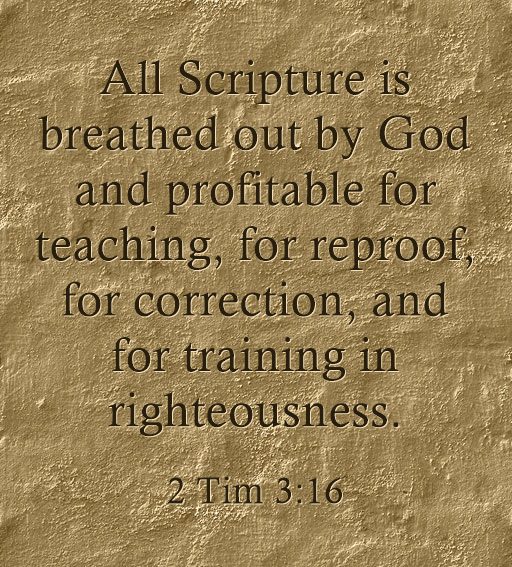
Systematic Theology
Systematic theology is essentially a discipline of Christian theology that formulates an orderly, rational, and coherent account of the Christian faith and beliefs as found in the Bible and is an academic discipline that aims to give a critical and balanced account of central themes in Christian belief and practice. Systematic theology studies the nature of God, the process of salvation, and the work of Christ in His earthly ministry. The main goal is to reduce all revealed truth to a series of statements that together shall constitute an organized whole and may be recorded as confessions of faith for a body of believers like a local church or for a denomination. Biblical theology is not exactly the same thing as systematic theology because biblical theology seeks to understand the progressive unfolding of God’s special revelation throughout history as it is progressively revealed in Scripture from beginning to end. Systematic theology’s goal is to present the entire scriptural teaching on certain specific truths, or doctrines, all at one time, without going through the progressive unfolding from Genesis to Revelation. It gives a snapshot of all scriptural teachings for the believer in Christ. Some creeds were written using systematic theology as its basis.
The Right Savior
If you don’t have the right Jesus then you’ve got the wrong Savior. Many believe that Jesus was a good man, a prophet, or a wise teacher. He was all of these thing yes, but He is also God and Man. Some cults teach that Jesus was created and that He was the half-brother of Satan and thus, He too was a created being but a created being is insufficient to pay for the sins of humanity. A sinless God is! It also takes more than just knowing Jesus as He said “this is eternal life, that they know you the only true God, and Jesus Christ whom you have sent” (John 17:3). Jesus said “For I gave them the words you gave me and they accepted them. They knew with certainty that I came from you, and they believed that you sent me” (John 17:8). Jesus’ point is that eternal life are for those who know the one true God, the Father, “and Jesus Christ whom you have sent” so the person who wants to be saved must obviously know Jesus (John 6:44; Acts 4:12) but they must also know the Father Who sent Jesus. I know the president but I imagine if I showed up at the White House and said “I know the president and I want to see him” they would escort me right out of there but if the president knew me, he’d call the guards (secret service) and tell them that he knows me and that I can come in and see him. So to know God is important; including Jesus and the Father but the most important question is; does He know you (Matt 7:23)?
Conclusion
Systematic theology is very important because we use a systematic approach to studying the scriptures and studying the doctrines of the Bible. Certain systematic theological statements are what we hang our hat on as believers and are substantial, tangible beliefs that we can trust and rely upon. Anything outside of the Bible is subjective (and subject to error) but what we read and learn in the Bible is objective truth and cannot be altered or changed by man, therefore, systematic theology is important to the believer because the main things are the plain things and the plain things should always be the main things.
Article by Jack Wellman
Jack Wellman is Pastor of the Mulvane Brethren church in Mulvane Kansas. Jack is also the Senior Writer at What Christians Want To Know whose mission is to equip, encourage, and energize Christians and to address questions about the believer’s daily walk with God and the Bible. You can follow Jack on Google Plus or check out his book Teaching Children the Gospel available on Amazon.
Previous Post

September 16, 2015
What Does The Bible Say About Race Wars?
Next Post
September 16, 2015 What Is The God Particle?
Browse Our Archives
Select a Category Bible Answers Bible Definitions Bible Story Bible Study Bible Verses Christian Books Christian Entertainment Christian Fathers Christian Mothers Christian Quotes Devotional Famous Christians Music News Parables Prayers Quotes Sunday School Lesson Uncategorized Youth Sermons
Select a Month October 2019 September 2019 August 2019 July 2019 June 2019 May 2019 April 2019 March 2019 February 2019 January 2019 December 2018 November 2018 October 2018 September 2018 August 2018 July 2018 June 2018 May 2018 April 2018 March 2018 February 2018 January 2018 December 2017 November 2017 October 2017 September 2017 August 2017 July 2017 June 2017 May 2017 April 2017 March 2017 February 2017 January 2017 December 2016 November 2016 October 2016 September 2016 August 2016 July 2016 June 2016 May 2016 March 2016 February 2016 January 2016 December 2015 November 2015 October 2015 September 2015 August 2015 July 2015 June 2015 May 2015 April 2015 March 2015 February 2015 January 2015 December 2014 November 2014 October 2014 September 2014 August 2014 July 2014 June 2014 May 2014 April 2014 March 2014 February 2014 January 2014 December 2013 November 2013 October 2013 September 2013 August 2013 July 2013 June 2013 May 2013 April 2013 March 2013
Follow Us!
TAKE THE
Religious Wisdom Quiz
What is the correct order of the armor of God as listed in Ephesians?
Select your answer to see how you score.
Belt of truth, breastplate of righteousness, feet fitted with readiness, shield of faith, helmet of salvation, sword of the Spirit Shield of faith, helmet of salvation, belt of truth, breastplate of righteousness, sword of the Spirit, feet fitted with readiness Breastplate of righteousness, belt of truth, shield of faith, helmet of salvation, sword of the Spirit, feet fitted with readiness Helmet of salvation, breastplate of righteousness, belt of truth, feet fitted with readiness, shield of faith, sword of the Spirit
Related posts from Christian Crier

What Does The Bible Say About Our Thoughts?

Do Colors Have Special Meaning In The Bible?

The Glass – Half Empty Or Half Full?

TRENDING AT PATHEOS Evangelical

How the author of the world's best hymn...
I've been working with John Newton for a while now. This makes...

Long before this Lectio Divina, Psalm 130 - the song - started...

What About the Trees? Another Living Parable
After I finished writing the last article about falling leaves as a...

Why Classical Education Is a Conversation, Not a...
Come and Read: Joy in Classical Education When I was a little...

Falling Leaves: A Living Parable on Letting Go
I’ve spent the vast majority of my life in the southeast corner...

Cornell University has received a great deal of negative publicity and intense...
view all Evangelical blogs
Ad-Free & Subscriber Log-In Subscription Support
- About Us
- 2026 Calendar
- Videos
- Podcasts
- Library of World Religions
- Faith In Media Tracker
- Advertise With Us
- Write for Us
- Privacy Policy
- Terms of Service
- Do Not Sell My Data
- Contact Us
- Radiant Digital
- Manage Newsletter Subscriptions
- Unsubscribe From Notifications
- Sitemap
Copyright 2008-2026, Patheos. All rights reserved.
Subscription Support Ad-Free & Subscriber Log-In
Follow Patheos