
BuddhistCatholicContemplativeEvangelicalGeneral ChristianHinduJewishLatter-day SaintMuslimNew VisionsProgressive Christian
Beliefs
- Buddhist
- Catholic
- Contemplative
- Evangelical
- General Christian
- Hindu
- Jewish
- Latter-day Saint
- More Voices
- Muslim
- New Visions
- Pagan
- Progressive Christian
Topics
- Religion News
- Food and Religion
- Sports and Religion
- Religious Art
- Religious Music and Entertainment
- Religious Events
- History and Religion
- Style and Religion
- Politics and Religion
- Women in Religion
- Recreation Outdoors and Religion
- Business Finance and Religion
- Careers Workplace and Religion
- Education and Religion
- Family Parenting and Religion
- Health Fitness and Religion
- Home and Religion
- Relationships and Religion
- Technology and Religion
- Travel and Religion
Columnists
- Buddhist Columnists
- Business Finance and Religion Columnists
- Careers Workplace and Religion Columnists
- Catholic Columnists
- Contemplative Columnists
- Education and Religion Columnists
- Evangelists Columnists
- Family Parenting and Religion Columnists
- General Christian Columnists
- Health Fitness and Religion Columnists
- Hindu Columnists
- History and Religion Columnists
- Home and Religion Columnists
- Jewish Columnists
- More Voices Columnists
- Latter Day Columnists
- Muslim Columnists
- New Visions Columnists
- Nonreligious Columnists
- Pagan Columnists
- Politics and Religion Columnists
- Progressive Columnists
- Recreation Outdoors and Religion Columnists
- Relationships and Religion Columnists
- Religion News Columnists
- Religious Art Columnists
- Religious Events Columnists
- Religious Music and Entertainment Columnists
- Sports and Religion Columnists
- Style and Religion Columnists
- Technology and Religion Columnists
- Travel and Religion Columnists
- Women in Religion Columnists
Resource Library
- 2026 Calendar
- Library of World Religions
- The 100 Most Holy Places on Earth
- Patheos Answers
- Podcasts
- Videos
- Faith Leaders Database
- Anglican Episcopalian
- Bahai
- Baptist
- Buddhism
- Christianity
- Confucianism
- Eastern Orthodoxy
- Hinduism
- Holiness and Pentecostal
- ISKCON
- Islam
- Judaism
- Lutheran
- Methodist
- The Church of Jesus Christ of Latter-day Saints
- New Age
- Paganism
- Presbytarian and Reformed
- Protestantism
- Religion Behind the Scenes
- Roman Catholic
- Scientology
- Shia Islam
- Sikhism
- Sufism
- Sunni Islam
- Taoism
- Zen
- See all religions
Research Tools
 Ad-Free & Subscriber Log-In Subscription Support
Ad-Free & Subscriber Log-In Subscription Support
Follow Patheos 

- Trending:
- Forgiveness
- |
- Marriage
- |
- Consciousness
- |
- Death Penalty
- |
- Election
- |
- Halloween
 Christian Crier
- Home
- Evangelical
- Synopsis Of The Book of Acts From The Bible
Synopsis Of The Book of Acts From The Bible
Last updated on: April 28, 2014 at 5:58 pm by Jack Wellman
Synopsis Of The Book of Acts From The Bible 2014-04-28T17:58:22-05:00 Jack Wellman
Patheos Explore the world's faith through different perspectives on religion and spirituality! Patheos has the views of the prevalent religions and spiritualities of the world.
The Book of Acts tells about the beginning of the church. What are the highlights of this book? Here is a synopsis of the Book of Acts.
Acts Date and Purpose
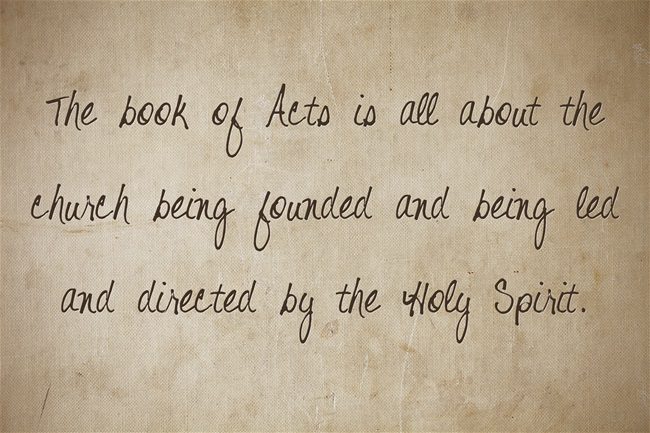
The Book of Acts is simply called “Acts” and some call it “The Book of Acts” while others call it “The Acts of the Apostles” but I believe is should really be called “The Acts of the Holy Spirit” for it is all about the church being founded and being led and directed by the Holy Spirit even though the book is most often called “The Book of Acts.” The Spirit plays a dominant role in this book like in no other book in the Bible. The Holy Spirit seems to be the most neglected of the Holy Trinity. The Book of Acts and the Gospel of Luke were originally one book and only later, during canonization, was it separated into two different books but we do know that the author was Luke and it appears that is was written prior to A.D. 70 because the destruction of the Temple and Jerusalem occurred at that time and it would be astounding if this were not mentioned in Acts. We also know that the Apostle Paul was beheaded in Rome (about 68 A.D.) before the fall of Jerusalem and the book ends with Paul being under house arrest, yet having the freedom to preach the gospel and still waiting for his appeal to Caesar. This would have to place the book before A.D. 70 and so the completion of the book had to be at least prior to A.D. 64.
Acts seems to be a recorded history of the birth and early growth of the church that was requested to be written by Theophilus (Luke 1:3; Acts 1:1). Ancient and contemporary historians reflect on both Luke and Acts as a finite, detailed historical account of the church that is rich in geographical and political details that equal that of the Jewish historian, Josephus. Many of Luke’s accounts are verified by ancient historians as well as by Josephus. Luke had a keen eye for detail and mentioned many accounts of eyewitnesses by name, ruling provincial characters, and governmental authorities that history and archeology have empirically verified as facts. Luke’s recording of the church begins before the church does. It starts with Jesus’ ascension into heaven (Acts 1:9-11)after He gives the imperative command for the Great Commission for the apostles to go into all the world, starting in Jerusalem but including Samaria and the ends of the world (Acts 1:8). The book begins that command with the founding of the church and the coming of the Holy Spirit which Jesus promised would come after He ascended to the Father (Acts 1:4-6).
Act One
The church is founded in Jerusalem only by means of and after the outpouring of the Holy Spirit and the boldest of sermons by Peter on the Day of Pentecost (Acts 2:1-41) and which is the fulfillment of Joel where God said that He would pour out His spirit (Joel 2:28-32). This is followed by the fellowship of the believers where they all shared their belongings, met daily in the breaking of bread, praising God, devoting themselves to the apostle’s teachers, gaining favor among the people and numbers being saved day by day (2:42-47).
Act Two
Peter and John were headed to the temple when they healed a lame man (3:1-10) and which ended with Peter and John being brought to the Council and commanded to speak no more about Jesus and saying “we cannot but speak of what we have seen and heard” (3:20) and were released. The church was more joined in heart and soul than ever before and shared in their belongings once more with those who had little (4:32-37). When Ananias and Sapphira tried to donate money but withheld some and lied to the apostles (really they lied to the Holy Spirit), they were struck dead on the spot and great fear struck those within and those outside of the church (5:1-11).
Act Three
God began to perform many signs and wonders through the apostles and more and more believers were added to the church and just as they had done with Jesus, they began to bring many of the sick and they were healed (5:12-16). This is when the high priest and the religious leaders “rose up…and [were] filled with jealousy and they arrested the apostles and put them in the public prison (5:17-19) but the Lord opened up the prison doors and brought them out and told them to “stand in the temple and speak to the people all the words of this Life” (5:19-21). Shocked upon seeing them speaking in the temple they brought them back to stand before the council but they were afraid to use force because of fear of the people who believed would stone the captain and the officers, as stunning as that seems (Acts 5:26).
Act Four
The first martyr, Stephen is stoned to death for proclaiming the truth of the gospel. When Stephen is stoned, he actually sees Jesus stand up (possibly to welcome him home?) and the (false) “witnesses laid down their garments at the feet of a young man names Saul” (7:58). Saul was ravaging the church and taking people and having them arrested, dragging them off to prison, both men and women (8:1-3) and this caused the church too scatter but this scattering caused the preaching of the gospel to spread even further (8:4). One thing that persecution does is that every time the Devil tries to stamp out the church, like trying to stomp out a prairie grass fire, he only serves to spread it. The church is said to grow on the blood of the martyrs and that’s what happens every single time they attempt to destroy the church.
Act Five
The biggest conversion that may have ever occurred takes an act of God…literally…when Saul is struck down and blinded by Jesus Himself. This shows two things; that absolutely no one is beyond saving and that no matter how much they hate Christians and how hard their heart is, God can soften any heart He wants and save anyone He desires; it also shows that there isn’t one person alive that God does not want saved and that He cannot save so keep praying for that person that you think will never, ever come to faith because nothing is impossible with God (9:1-19). This also shows that when people persecute Christians, they are really persecuting Jesus Himself because Jesus asks Saul why he is persecuting Him (9:4). The lesson is that when we receive persecution, it is Jesus Who they really hate. They might hate our message but it’s not the messenger they hate but the Message; that of the gospel of Jesus Christ and Him crucified for sinners. Saul ends up as perhaps the greatest evangelist, apostle, and church planter that the world has ever seen.
Act Six
When Peter sees the vision and sees that God has opened the gospel to the Gentiles, it changes everything. No longer is it about race, it is now about grace. The Gentiles hear the gospel and rejoice and they too receive the Holy Spirit (10:34-48). Peter informs the church of this exciting new chapter in the history of God’s redemptive plan (11). When Christianity starts to spread among the Gentiles and gains in popularity with all the people, this is when James is killed and Peter is imprisoned (12:1-5) but Peter is miraculously freed from prison.
Act Seven
The evangelizing or missionary work now begins in earnest with Barnabas and Saul being sent off and church planting begins to spread the Body of Christ like never before in history (11) with the first of many of Paul’s missionary journeys taking him all the way into Cyprus and then into Asia Minor (12:25-14:28) even though Paul is nearly stoned to death and thought to have died (14:19).
Act Eight
When Paul is arrested and at his trial appeals to Caesar, he take the gospel by divine providence, to Rome (21:17-26:32) and during the voyage to Rome wins more converts by miracles done through him (27:1-28:16).
Conclusion: Book of Acts Two?
Is the Book of Acts Part Two being written today? It is possible because the Book of Acts was never finished. If you read the end of this book it is left open-ended. It is a story that is still taking place today and as of now, is yet unfinished. Who will be in this book, if there will be a second book written? What would the book say about the church since the first book was finished? It is still, in my opinion, being completed today and perhaps in the Kingdom of Heaven, when every neighbor will know about the things of God, the Book of Acts Two may be part of that teaching. Then, “No longer will they teach their neighbor, or say to one another, ‘Know the Lord,’ because they will all know me, from the least of them to the greatest” (Heb 8:11) and as Jeremiah gives us more on this he writes that “no longer will they teach their neighbor, or say to one another, ‘Know the LORD,’ because they will all know me, from the least of them to the greatest,” declares the LORD. “For I will forgive their wickedness and will remember their sins no more” (Jer 31:34). Time will tell but I can’t wait for that day!
Another Reading on Patheos to Check Out: What Did Jesus Really Look Like: A Look at the Bible Facts
 Article by Jack Wellman
Jack Wellman is Pastor of the Mulvane Brethren church in Mulvane Kansas. Jack is also the Senior Writer at What Christians Want To Know whose mission is to equip, encourage, and energize Christians and to address questions about the believer’s daily walk with God and the Bible. You can follow Jack on Google Plus or check out his book Blind Chance or Intelligent Design available on Amazon
Previous Post

April 27, 2014
David and Bathsheba Bible Story: Summary, Lessons and Study
Next Post
April 29, 2014 What Is the Difference Between Calling and Chosen in the Bible?
Browse Our Archives
Select a Category Bible Answers Bible Definitions Bible Story Bible Study Bible Verses Christian Books Christian Entertainment Christian Fathers Christian Mothers Christian Quotes Devotional Famous Christians Music News Parables Prayers Quotes Sunday School Lesson Uncategorized Youth Sermons
Select a Month October 2019 September 2019 August 2019 July 2019 June 2019 May 2019 April 2019 March 2019 February 2019 January 2019 December 2018 November 2018 October 2018 September 2018 August 2018 July 2018 June 2018 May 2018 April 2018 March 2018 February 2018 January 2018 December 2017 November 2017 October 2017 September 2017 August 2017 July 2017 June 2017 May 2017 April 2017 March 2017 February 2017 January 2017 December 2016 November 2016 October 2016 September 2016 August 2016 July 2016 June 2016 May 2016 March 2016 February 2016 January 2016 December 2015 November 2015 October 2015 September 2015 August 2015 July 2015 June 2015 May 2015 April 2015 March 2015 February 2015 January 2015 December 2014 November 2014 October 2014 September 2014 August 2014 July 2014 June 2014 May 2014 April 2014 March 2014 February 2014 January 2014 December 2013 November 2013 October 2013 September 2013 August 2013 July 2013 June 2013 May 2013 April 2013 March 2013
Follow Us!
TAKE THE
Religious Wisdom Quiz
In the Lord's Prayer, what do Christians ask for daily?
Select your answer to see how you score.
Daily bread Riches Fame Long life
Related posts from Christian Crier

What Does The Bible Say About Our Thoughts?

Do Colors Have Special Meaning In The Bible?

The Glass – Half Empty Or Half Full?

TRENDING AT PATHEOS Evangelical

The REST of Your Life: A Creative Wrestles...
This week I had a conversation with a good friend from church....

How the author of the world's best hymn...
I've been working with John Newton for a while now. This makes...

Long before this Lectio Divina, Psalm 130 - the song - started...

What About the Trees? Another Living Parable
After I finished writing the last article about falling leaves as a...

Why Classical Education Is a Conversation, Not a...
Come and Read: Joy in Classical Education When I was a little...

Cornell University has received a great deal of negative publicity and intense...
view all Evangelical blogs
Ad-Free & Subscriber Log-In Subscription Support
- About Us
- 2026 Calendar
- Videos
- Podcasts
- Library of World Religions
- Faith In Media Tracker
- Advertise With Us
- Write for Us
- Privacy Policy
- Terms of Service
- Do Not Sell My Data
- Contact Us
- Radiant Digital
- Manage Newsletter Subscriptions
- Unsubscribe From Notifications
- Sitemap
Copyright 2008-2026, Patheos. All rights reserved.
Subscription Support Ad-Free & Subscriber Log-In
Follow Patheos