
BuddhistCatholicContemplativeEvangelicalGeneral ChristianHinduJewishLatter-day SaintMuslimNew VisionsProgressive Christian
Beliefs
- Buddhist
- Catholic
- Contemplative
- Evangelical
- General Christian
- Hindu
- Jewish
- Latter-day Saint
- More Voices
- Muslim
- New Visions
- Pagan
- Progressive Christian
Topics
- Religion News
- Food and Religion
- Sports and Religion
- Religious Art
- Religious Music and Entertainment
- Religious Events
- History and Religion
- Style and Religion
- Politics and Religion
- Women in Religion
- Recreation Outdoors and Religion
- Business Finance and Religion
- Careers Workplace and Religion
- Education and Religion
- Family Parenting and Religion
- Health Fitness and Religion
- Home and Religion
- Relationships and Religion
- Technology and Religion
- Travel and Religion
Columnists
- Buddhist Columnists
- Business Finance and Religion Columnists
- Careers Workplace and Religion Columnists
- Catholic Columnists
- Contemplative Columnists
- Education and Religion Columnists
- Evangelists Columnists
- Family Parenting and Religion Columnists
- General Christian Columnists
- Health Fitness and Religion Columnists
- Hindu Columnists
- History and Religion Columnists
- Home and Religion Columnists
- Jewish Columnists
- More Voices Columnists
- Latter Day Columnists
- Muslim Columnists
- New Visions Columnists
- Nonreligious Columnists
- Pagan Columnists
- Politics and Religion Columnists
- Progressive Columnists
- Recreation Outdoors and Religion Columnists
- Relationships and Religion Columnists
- Religion News Columnists
- Religious Art Columnists
- Religious Events Columnists
- Religious Music and Entertainment Columnists
- Sports and Religion Columnists
- Style and Religion Columnists
- Technology and Religion Columnists
- Travel and Religion Columnists
- Women in Religion Columnists
Resource Library
- 2026 Calendar
- Library of World Religions
- The 100 Most Holy Places on Earth
- Patheos Answers
- Podcasts
- Videos
- Faith Leaders Database
- Anglican Episcopalian
- Bahai
- Baptist
- Buddhism
- Christianity
- Confucianism
- Eastern Orthodoxy
- Hinduism
- Holiness and Pentecostal
- ISKCON
- Islam
- Judaism
- Lutheran
- Methodist
- The Church of Jesus Christ of Latter-day Saints
- New Age
- Paganism
- Presbytarian and Reformed
- Protestantism
- Religion Behind the Scenes
- Roman Catholic
- Scientology
- Shia Islam
- Sikhism
- Sufism
- Sunni Islam
- Taoism
- Zen
- See all religions
Research Tools
 Ad-Free & Subscriber Log-In Subscription Support
Ad-Free & Subscriber Log-In Subscription Support
Follow Patheos 

- Trending:
- Forgiveness
- |
- Marriage
- |
- Consciousness
- |
- Death Penalty
- |
- Election
- |
- Halloween
 Chrisicisms
- Home
- Religious Music & Entertainment
- Lord, Save Us From Your Followers: ‘The Keepers’ and the Dark side of Christianity
Lord, Save Us From Your Followers: ‘The Keepers’ and the Dark side of Christianity
Last updated on: June 7, 2017 at 1:40 pm by Chris Williams
Lord, Save Us From Your Followers: ‘The Keepers’ and the Dark side of Christianity 2017-06-07T13:40:00-05:00 Chris Williams
Patheos Explore the world's faith through different perspectives on religion and spirituality! Patheos has the views of the prevalent religions and spiritualities of the world.
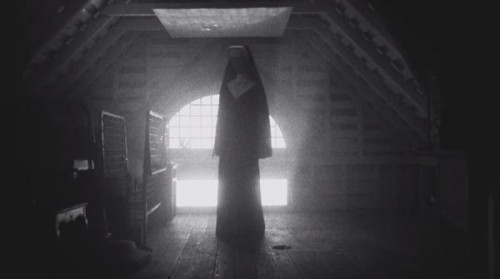
Few shows have provoked as much rage in me as Netflix’s “The Keepers.”
I started watching Netflix’s seven-part docuseries on Labor Day and finished it this past weekend. As a fan of true-crime podcasts and television shows, I found myself riveted by each part of this murder mystery, but also chilled and enraged at its depiction of Christianity perverted by lust and power. It’s essential viewing, but it’s not for the weak at heart.
Righting the wrongs of “Making a Murderer”
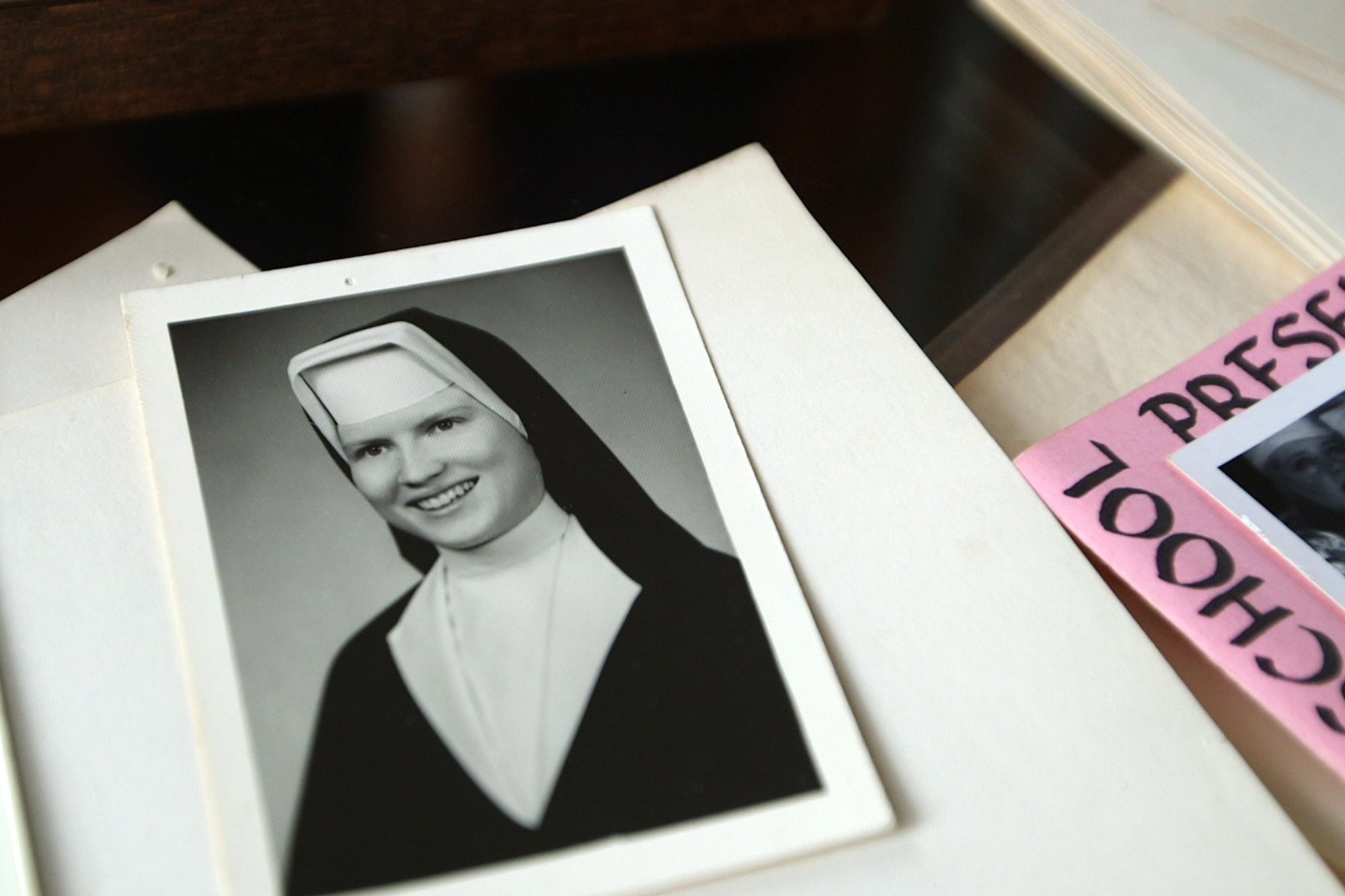
“The Keepers” is an attempt to solve the 1969 murder of a Baltimore nun. Sister Cathy Cesnik was a 26-year-old teacher who disappeared one night while out getting an engagement gift for her sister. Her body was found in the woods two months later. More than 40 years on, no one has been arrested or charged, and Sister Cathy’s story is one of the city’s most notorious cold cases.
In the 1990s, the case was reopened when a woman came forward with allegations of horrendous sexual abuse at the hands of the priest who oversaw the school. Even more shocking, the woman — who had repressed the memories for much of her life — claimed that the priest had taken her to the woods to view the nun’s body as a warning. Baltimore police re-opened the case and the woman sued the Baltimore archdiocese, but still, no arrests were made. “The Keepers” follows two women who have organized their own amateur investigation, aided by freelance journalists and a Facebook crowd that’s eager to provide whatever assistance they can. Over the course of seven episodes, “The Keepers” takes us through every nook and cranny of this case. And if it doesn’t give us enough information to have closure or certainty, it unfolds with enough theories and evidence to help us formulate our own idea of what might have happened that night.
This isn’t Netflix’s first foray into true-crime documentaries. Nearly two years ago, the outlet released “Making a Murderer,” a docuseries that looked into the story of a man who went to jail for a crime he may not have committed. Like many others, I was addicted to “Making a Murderer” and the plight of Steven Avery and Brendan Dassey, whom the series argued were railroaded by corrupt cops. I devoured the show in just three days, enraged by what I saw as a travesty of justice. Unfortunately, the more I let it sit, the more I was troubled by “Making a Murderer’s” one-sided approach to the story and the way that the show glossed over or even refused to acknowledge evidence that would cast Avery’s tale in a completely different light.
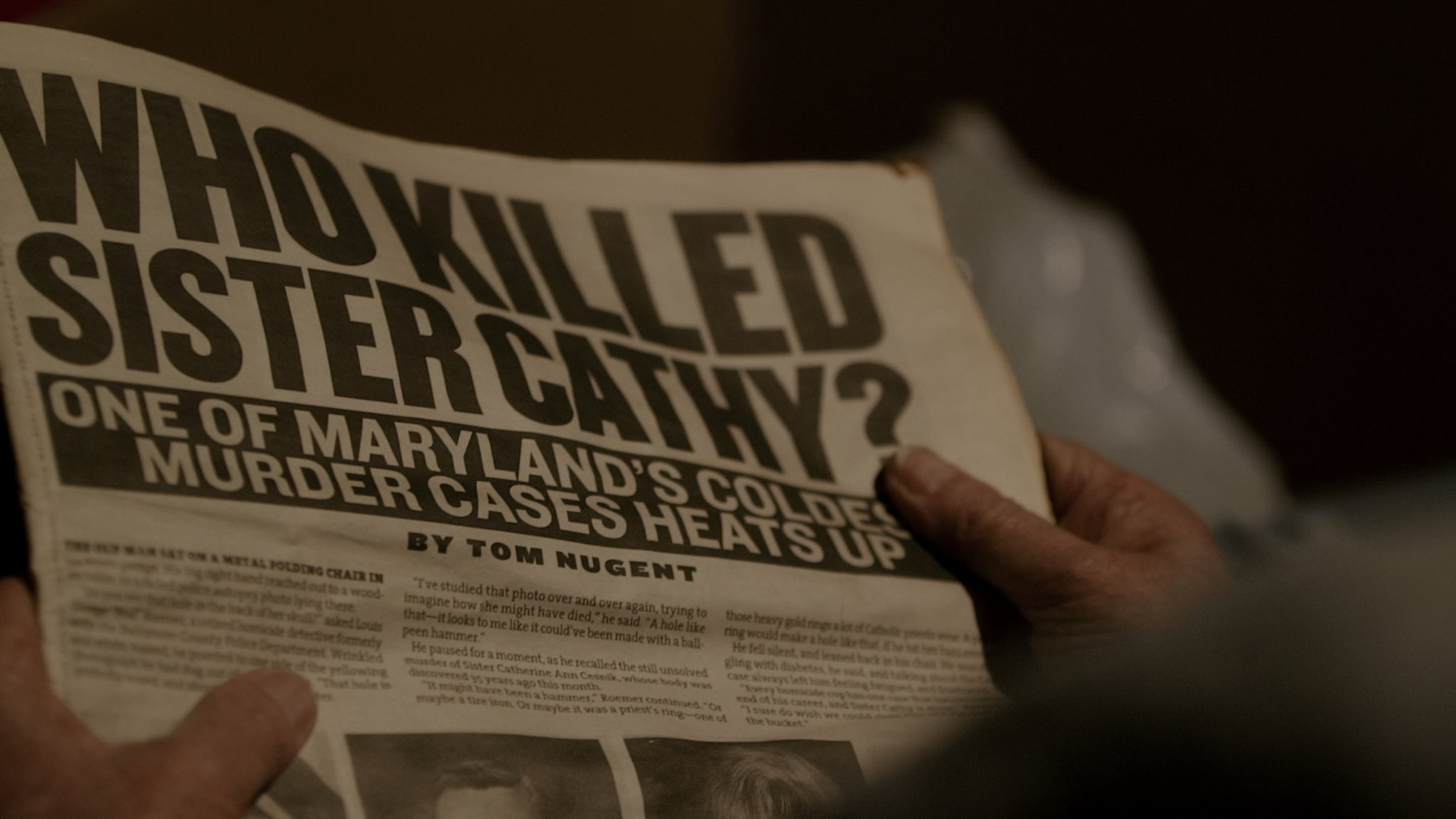
“The Keepers” is just as riveting as “Making a Murderer,” with each episode delivering shocking revelations and ending on notes that make it impossible not to start the next episode immediately. The first episode details Sister Cathy’s disappearance and the discovery of her body, and the next few episodes jump back and forth between the grassroots investigation and the stories of nightmarish abuse alleged to have taken place at Bishop Keough High School. Quickly, a story of abuse and possible cover-up by the Catholic Church appears, mixed in with asides about repressed memories, post-traumatic stress disorder, and the legal complexity of going up against the Church. Witnesses are doubted, new suspects are revealed, documents go missing and we begin to piece together what might have happened even as we get the sinking feeling that there will not be a resolution. It has the drama of television’s best crime shows, underscored with the soberness and horror of nonfiction.
Where “Making a Murderer” was often lurid, tawdry and trashy, “The Keepers” is respectful and humane. Where the former show often became more obsessed with proving the innocence of Avery and Dassey, “The Keepers” never loses sight of the warm, charismatic woman whose death set this whole story into motion. Many of the subjects interviewed were students of Sister Cathy’s, and they speak of her with fondness; when we meet her sister late in the series, she’s as lively and warm as we’d expect. Meanwhile, because the series’ villain, Father Joseph Maskell, is not only a suspect in Cathy’s disappearance but also the subject of abuse in dozens of cases, the series never bothers about tip-toeing around allegations about him (it also helps that Maskell died years ago). And when the story is getting unbearably sad, it pauses to take in the two cheerful amateur sleuths trying to solve the case or revel in the heroism of a woman who had the strength to come forward and confront her abusers. It’s compelling TV, but it’s also incredibly human, never letting us forget that this story had victims who are still alive and healing from their ordeals.
It’s also a more comprehensive program than “Making a Murderer,” following up on suspects and admitting when its investigators hit a dead end. The series doesn’t shy away from confrontations; there’s an interview with a potential subject late in the film that had me holding my breath. But even these scenes are tinged less with suspense than sadness; by now the suspect is an old, tired and confused man. What makes “The Keepers” so compelling comes not from the lurid nature of its crime but from the constant reminders that the window to solve it is quickly closing. Sister Cathy disappeared in 1969; nearly 50 years later, those involved have either died or are reaching the ends of their lives. The victims have had to live with their nightmares for decades. The film constantly ping-pongs back and forth between pictures of the abused teens in their youth to them as middle-aged adults, reflecting on the scars they’ve had to carry for years. “The Keepers” is powerful because it’s a reminder of the lingering pain of abuse and aching, mournful voids that don’t close with time.
But beyond that, there’s a spiritual element to “The Keepers” that kept me riveted to the screen, mulling over questions that I wish I never had to ask.
Lord, Save Us From Your Followers
Much of the series is centered on Jean Wehner, the Jane Doe in the court suits against Father Maskell and the archdiocese. In 1992, memories of abuse that Jean had repressed for nearly thirty years came to flooding back to her, prompting the lawsuit and the reopening of the Sister Cathy’s murder. Jean wasn’t the only person to suffer abuse by Maskell and several others, but she was the first to come forward. The allegations are sickening. The way the priests at Bishop Keough abused their positions, their parishoners’ trust, and sacred elements like Confession is horrendous. Jean goes into graphic detail about the abuse, something that is never lurid but rightfully nightmarish. I found myself balling my hands into fists and I had to watch an episode of “Unbreakable Kimmy Schmidt” just to calm myself down.
“The Keepers” is far from the first movie, television series or documentary to detail sexual abuse at the hands of Catholic priests. We’re exhausted by these stories now; they sadly carry the note of cliche. Almost as infuriating as the abuse is the cover up by the church itself, using lawyers to harass and badger victims, exchanging money to keep things quiet, and rotating accused priests to health clinics and other parishes in lieu of legal punishment. It’s sickening and evil, antithetical toward the love, compassion, kindness and commitment to truth that should be indicative of Christians. It’s behavior for which the phrase “Lord, save us from your followers” was invented.
And let’s be frank: It’s not limited to the Catholic church. Yes, that’s where it gets the most press, and I’d argue that a theological system that requires a life of celibacy, coupled by a hierarchy that easily breeds power and corruption, make it a susceptible breeding ground for crimes like these. But abuse like this, along with other sins that are covered up, occur in nearly every church.
I know this because I’ve seen this. I’ve attended churches where sexual sin is kept quiet and dealt with in the shadows, too often with a slap on the wrist. I’ve had a man I attended Sunday School with revealed to have possessed child pornography; he left shortly after, but no warnings were sent out to the congregations, no heads-up that this man who was a friend to many young people in the church was in possession of such vile materials. I once learned that a good friend of mine, a youth pastor at the church I attended, was romantically involved with a student in his charge. I brought my concerns to the pastor. I was informed to trust him; that the church would handle it. It went on for years and that youth pastor was at the church longer than I was.
Why do these cover-ups happen? Why do churches keep things quiet instead of being transparent? Why do they hide sin and shut up victims instead of punishing sin and showing compassion?
A telling answer comes late in “The Keepers.” A friend of Father Maskell’s recalls visiting him late in his life and confronting him with these allegations, asking him why he never came forward or said anything. His answer? It would be harmful to the church if he did.
Too often, we Christians are quick to protect the institution of the Church instead of caring for the members of it. We worry that if the sin of our leaders is revealed, the Church will collapse. If we’re transparent with sin, it will harm our witness. If our hypocrisy is seen, the church will have no power in the culture. Those are understandable fears, but they’re ones that reveal the way we can so easily turn institutions into idols. If we’re concerned with maintaining power in the church or making the church an institutional force instead of a body of members who need each other, we’re already losing our witness. It’s been said before that the church is not a museum for saints but a hospital for sinners. I think it also needs to be said that the church is not a business whose infrastructure needs protected at all costs; it’s a village where we need to be loving, protecting and caring for one another. And that sometimes means protecting each other against others in the village.
“The Keepers” is one of the best television programs I’ve watched in a year of great TV. For true-crime fans, it offers a mystery that is by turns infuriating and confounding. For lovers of drama, there’s a human element that is heartbreaking, coupled with heroism that inspires. But for the soul, it confronts us with tough questions and asks us to consider our roles in protecting and caring for each other.
Previous Post

June 1, 2017
"It's My Favorite" Returns With a Pop Culture Gumbo!
Next Post

June 6, 2017 Great news! You can now watch "Step Brothers" at church!
Browse Our Archives
Select a Category christmas Culture humor interviews Lists long reads movies we need news Podcasts Reviews story of God Uncategorized Weekend Read
Select a Month October 2017 September 2017 August 2017 July 2017 June 2017 May 2017 April 2017 March 2017 February 2017 January 2017 December 2016 November 2016 October 2016 September 2016 August 2016 July 2016 June 2016 May 2016 April 2016 March 2016 February 2016 January 2016
Follow Us!
TAKE THE
Religious Wisdom Quiz
Which parable features a man building on rock versus sand?
Select your answer to see how you score.
The Workers in the Vineyard The Sower The Talents The Wise and Foolish Builders
Related posts from Chrisicisms

Review: 'Killing Gunther' Bungles the Execution

Movie of the Week: Little Shop of Horrors...
Review: "Blade Runner 2049" is Smart, Stylish Successor...
TRENDING AT PATHEOS Religious Music & Entertainment

"Les Diabolique" and Transgression
Alongside something like Arrival, Vertigo, or Charade, Les Diaboliques is a...

"The Plague Dogs" and Mortality
So, flashback to the late 70s, early 80s. Walt Disney Studios is...

With the recent and highly successful release of Christopher Nolan’s epic film,...

"L'avventura" and Human Weakness
Today's piece is going to be a little different for a few...

I first want to apologize for not posting or writing anything. I'm...

I've engaged in the multi-year project of reading through the Church Fathers,...
view all Religious Music & Entertainment blogs
Ad-Free & Subscriber Log-In Subscription Support
- About Us
- 2026 Calendar
- Videos
- Podcasts
- Library of World Religions
- Faith In Media Tracker
- Advertise With Us
- Write for Us
- Privacy Policy
- Terms of Service
- Do Not Sell My Data
- Contact Us
- Radiant Digital
- Manage Newsletter Subscriptions
- Unsubscribe From Notifications
- Sitemap
Copyright 2008-2026, Patheos. All rights reserved.
Subscription Support Ad-Free & Subscriber Log-In
Follow Patheos