
BuddhistCatholicContemplativeEvangelicalGeneral ChristianHinduJewishLatter-day SaintMuslimNew VisionsProgressive Christian
Beliefs
- Buddhist
- Catholic
- Contemplative
- Evangelical
- General Christian
- Hindu
- Jewish
- Latter-day Saint
- More Voices
- Muslim
- New Visions
- Pagan
- Progressive Christian
Topics
- Religion News
- Food and Religion
- Sports and Religion
- Religious Art
- Religious Music and Entertainment
- Religious Events
- History and Religion
- Style and Religion
- Politics and Religion
- Women in Religion
- Recreation Outdoors and Religion
- Business Finance and Religion
- Careers Workplace and Religion
- Education and Religion
- Family Parenting and Religion
- Health Fitness and Religion
- Home and Religion
- Relationships and Religion
- Technology and Religion
- Travel and Religion
Columnists
- Buddhist Columnists
- Business Finance and Religion Columnists
- Careers Workplace and Religion Columnists
- Catholic Columnists
- Contemplative Columnists
- Education and Religion Columnists
- Evangelists Columnists
- Family Parenting and Religion Columnists
- General Christian Columnists
- Health Fitness and Religion Columnists
- Hindu Columnists
- History and Religion Columnists
- Home and Religion Columnists
- Jewish Columnists
- More Voices Columnists
- Latter Day Columnists
- Muslim Columnists
- New Visions Columnists
- Nonreligious Columnists
- Pagan Columnists
- Politics and Religion Columnists
- Progressive Columnists
- Recreation Outdoors and Religion Columnists
- Relationships and Religion Columnists
- Religion News Columnists
- Religious Art Columnists
- Religious Events Columnists
- Religious Music and Entertainment Columnists
- Sports and Religion Columnists
- Style and Religion Columnists
- Technology and Religion Columnists
- Travel and Religion Columnists
- Women in Religion Columnists
Resource Library
- 2026 Calendar
- Library of World Religions
- The 100 Most Holy Places on Earth
- Patheos Answers
- Podcasts
- Videos
- Faith Leaders Database
- Anglican Episcopalian
- Bahai
- Baptist
- Buddhism
- Christianity
- Confucianism
- Eastern Orthodoxy
- Hinduism
- Holiness and Pentecostal
- ISKCON
- Islam
- Judaism
- Lutheran
- Methodist
- The Church of Jesus Christ of Latter-day Saints
- New Age
- Paganism
- Presbytarian and Reformed
- Protestantism
- Religion Behind the Scenes
- Roman Catholic
- Scientology
- Shia Islam
- Sikhism
- Sufism
- Sunni Islam
- Taoism
- Zen
- See all religions
Research Tools
 Ad-Free & Subscriber Log-In Subscription Support
Ad-Free & Subscriber Log-In Subscription Support
Follow Patheos 

- Trending:
- Forgiveness
- |
- Marriage
- |
- Consciousness
- |
- Death Penalty
- |
- Election
- |
- Halloween

-
Explore
- Home
- Evangelical
- Reformation 500: Is Sola Scriptura a Blueprint for Anarchy?
Reformation 500: Is Sola Scriptura a Blueprint for Anarchy?
Last updated on: October 9, 2017 at 8:41 am by Jack Lee
Reformation 500: Is Sola Scriptura a Blueprint for Anarchy? 2017-10-09T08:41:36-05:00 Jack Lee
Patheos Explore the world's faith through different perspectives on religion and spirituality! Patheos has the views of the prevalent religions and spiritualities of the world.
Introduction
Growing up in the bible-belt, I had no cultural resistance to the doctrine of Sola Scriptura; it seemed a natural truth for any professing Christian. We know God through His Word, His Word is true, and His Word is everywhere. If you were to visit my hometown, you would find bible verses on billboards, cars, and yard ornaments. Some business owners even use it as a marketing tool to help prospective customers know their establishment is ethical and trustworthy – which stirs up other questions on ethics; but, we’ll save those for another day.
Because of my predisposition to the doctrine of Sola Scriptura, I was largely unprepared when a family member converted to Roman Catholicism. I was faced with questions on “modes of transmissions” and differing relationships between the church and sacred scripture. I was confronted on the economy of Protestantism; namely, that the use of denominations is bad fruit from a wrongfully inspirited Reformation. Then, there was the number – 30,000 by some estimates. The immense number of Protestant denominations was upheld as forensic evidence of a deep theological and ecclesiastical suicide. I feared I had been mislead my entire life.
At the core of these questions and issues is Sola Scriptura, a formal principle of most Protestant denominations – one of the 5 solas of the Reformation and a beautiful doctrine to all who hold it. But, is Sola Scriptura nothing more than a “blueprint for anarchy” and division?
Defining Sola Scriptura
Before going further, let’s briefly define the term. Sola Scriptura states that the Bible is the supreme authority in all spiritual matters, and that the pages of Holy Scripture contain all the truth we need for salvation.
The Westminster Confession of Faith puts it like this:
“The whole counsel of God, concerning all things necessary for his own glory, man’s salvation, faith, and life, is either expressly set down in scripture, or by good and necessary consequence may be deduced from scripture: unto which nothing at any time is to be added, whether by new revelations of the Spirit, or traditions of men.”
I’ve seen confusion on both sides of the issue when the doctrine is overstated and/or over-applied; this is occasionally referred to as “Solo Scriptura”. Sola Scriptura does not deny other forms of instruction or authorities (such as the church, devotionals, testimonies, teachings, etc.). These can contain a great wealth of truth and insight for believers. The church is the “pillar and foundation of truth.” Still, as valuable as some of these authorities may be, they are subject to the word of God as the final and ultimate authority.
While not completely within the scope of this article, I do want to briefly point out that Sola Scriptura does have a scriptural foundation. Consider 2 Timothy 3:16-17, “All Scripture is breathed out by God and profitable for teaching, for reproof, for correction, and for training in righteousness, that the man of God may be complete, equipped for every good work.” Paul is clear: scripture is sufficient to make the man of God “complete”.
The Providence of Division and Doctrine
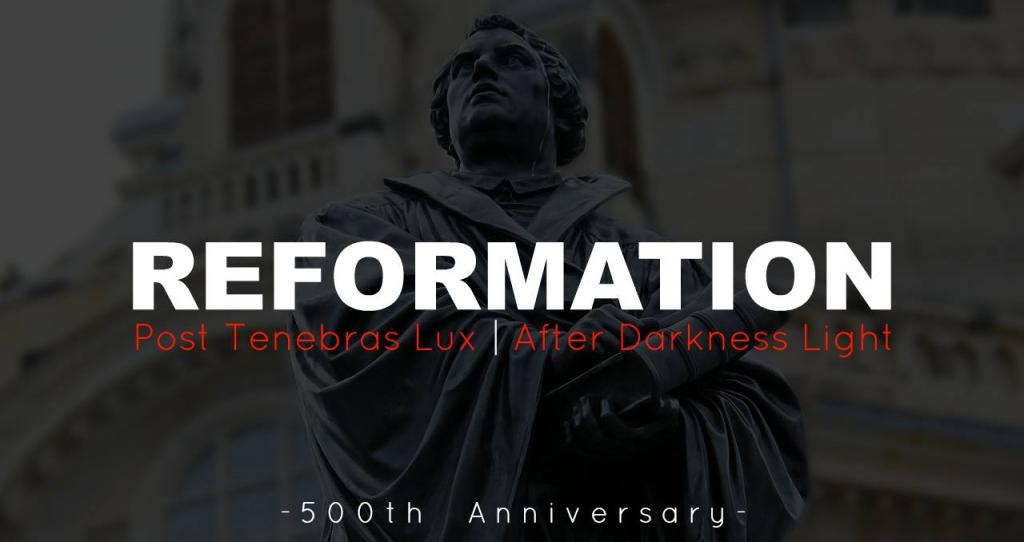 While unity should always the goal, the truth is that’s not the reality of the world we live in right now. Nor was it the reality of God’s people before Christ. Historically speaking, God has always allowed different factions and divisions within His people. Think back to Judaism. Here we have The Pharisees, Sadducees, Samaritans, Zealots, Jewish Gnostics, Jewish Platonists, and so on. This economy was understood to be useful and God honoring – each group with their own roles and distinctives.
The unifying element of these groups was not a central human figure head, as Rome boasts. The article that kept God’s people united throughout covenants, kings, and exiles was God’s law; His Word. While circumstances around the nation of Israel were always in flux, God’s law remained a lighthouse for all to follow. So why is it such a stretch to conclude that God employs a similar economy today?
One might counter with an argue that says roughly: The New Covenant is a better covenant and Jesus prayed for us to be one (John 17); therefore, divisions are sinful. This a fair point. However, we can’t know or presume to understand God’s timing for unifying His church. To do so assumes an unrealized eschatological position – clearly, that’s not today. God hasn’t prevented the spreading of the Protestant movement; it’s flourishing! Protestant churches are sprouting up all over the world. While all Christians should pursue unity within the body of Christ, I also realize that God is still proactively gathering in His people (2 Peter 3:9); the harvest is not complete.
A logical counter argument to this might be to bring up alternative religious groups, for example Mormons or Jehovah Witnesses. God allows these groups to continue. Should we view them the same? I suppose you can if you want to include organizations that deny Christianity’s foundational Creeds.
Providentially, much of the writing of church fathers was focused on exposing heresies and defining the core doctrines of faith. Church fathers worked tirelessly in the first few centuries to craft an understanding of what Christianity is. The church developed creeds that give us clear boundaries for Christianity to exist within. While there may be some doctrinal differences throughout the body of Christ, these boundary lines help us to recognize genuine Christianity and its required elements.
While doctrinal issues of the Reformation did cause division, a careful study of Church History would show that nationalism and liberalism played a major part as well. Many denominations coming out of the Reformation were formed due to geopolitical rule (ie. Luther and German Princes). The denominations that were created often found agreement on all creedal issues of the faith.
Additionally, many of the modern denominations exist as they have adopted liberalism or relativism. They have abandoned the faith. This has little to do with the Sola Scriptura. The bible does not allow for much of what is done in the name of progressivism. Even parts of the Catholic church are listening to the siren song if liberalism; some even fear a schism.
A compelling article released last year by The National Catholic Register called Why We Need to Stop Saying That There Are 33,000 Protestant Denominations points out how absurd this number truly is. Scott Eric Alt writes,
“However strong the temptation some may have to characterize anything not Catholic or Orthodox as “Protestant,’ you can’t do that. All that tells Protestant apologists is that you don’t know what Protestantism is, or what its distinctives are—and they would be right. And why would they take anything you say seriously after that? If you don’t know what Protestantism is, who are you to be talking about its errors? Not only are Mormons, Jehovah’s Witnesses, Oneness Pentecostals, Unitarians, Prosperity Gospel believers not Protestant, they are not even Christian; they adhere to a false Christology. Protestants and Catholics are in agreement about who Christ is; these other groups have other ideas.”
When surveying the divisions within modern Protestantism, we must also take in account geopolitical lines, liberalism, and creedal theology. These all play an important role in helping us better understand denominational lines, and more importantly, what is truly Christian.
Conclusion
To conclude, let’s look to the New Testament. Paul’s words might surprise you. 1 Corinthians 11-17:19 reads, “But in the following instructions I do not commend you, because when you come together it is not for the better but for the worse. For, in the first place, when you come together as a church, I hear that there are divisions among you. And I believe it in part, for there must be factions among you in order that those who are genuine among you may be recognized.” There are productive reasons for allowing factions to exist within the body of Christ – it helps us identify who is a believer and who isn’t.
Once more, this isn’t ideal – we should always pursue unity. But God has not allowed that to happen, thus far. In its place, we have denominations of churches full of sinful people that are all subject the unchanging Word of God. It will remain the same when nations fall and progressive theologies undo themselves. It’s objective, immovable, and contains everything we need for salvation.
Other Articles In This Series:
- Reformation 500: Sola Fide and The Roman Catholic Church
- Reformation 500: Sola Fide and The Historic Protestant View
- Reformation 500: Sola Gratia to a World That Needs It
- Reformation 500: Sola Fide, The Apostle Paul and Romans 3-4
- Reformation 500: Is Sola Scriptura a Blueprint for Anarchy?
Previous Post

September 30, 2017
Mother!, Beatrix, and Creation Care
Next Post

October 9, 2017 Should the Reformation be Celebrated or Lamented?
Browse Our Archives
Select a Category #ShoutYourAbortion 10 Commandments 2016 Election 2017 2020 Election Abortion Accelerate Books Adultery America Andy Stanley Arminianism Ashley Madison Atonement B&H Academic Baptism Barry Horner Beauty Biblical Elders Billy Graham Blog Book Review Bruce Jenner Caitlyn Jenner Calvin Calvinism Cheating Chick-fil-A Children Christ Christian History Christian Living Christian Podcasts Christianity Christmas Church History Church Leadership Civil Disobedience Constitutional Coronavirus Culture Death Demoninations Discipleship Doctrine Doctrine of God Donald Trump Ecclesiology Entertainment Eschatology Ethics Evangelical Evangelism Evil Evolution Fear Forgive Yourself Forgiveness Francis Chan Future Israel Gay Marriage Gender Genesis George Floyd Gospel Government Gun Control Halloween hamartiology Heavenly Reward Hermeneutics History Hollywood Holy Spirit Homeschool Homosexual Homosexuality Hope Hospitality Humor Husband Infant Baptism Interview Jesus John Piper Josh Duggar Joshua Harris Judgment Justice Kathy Griffin Kim Davis Leadership Logic Love Manhood Marriage Martin Luther Messianic Prophecy Miscarriage Mocking Modesty Money Movie Reviews Music Music Review Netflix New Testament Obergefell Old Testament Parenting Pastor Pastoring Persecution Planned Parenthood Podcast Politics Pop Culture Pornography Prayer Preaching Predestination Pride Prosperity Gospel Rachel Held Evans Racism Ravi Zacharias Redemption Reformation 500 Reformation Day Reformed Theology Relationship Repentance Salvation Same Sex Marriage Satan Satire Scripture Seminary Sex Sin slavery Sola Scriptura Soteriology Sovereignty Spiritual Gifts Spurgeon Star Wars Steven Furtick Suffering Sufficiency of Scripture Sunday School Supreme Court Technology Testimony The Church The Lord of the Rings The Problem of Evil The Shack Theology Theonomy Tithing Transgenderism Tullian Tchividjian Uncategorized Universalism Vanity Fair Video Games Virgin Birth Voting Wife Women Worldview Worship
Select a Month June 2025 April 2025 March 2025 March 2024 February 2024 January 2024 December 2023 June 2023 April 2023 March 2023 January 2023 December 2022 November 2022 October 2022 September 2022 August 2022 July 2022 June 2022 May 2022 April 2022 March 2022 February 2022 January 2022 December 2021 November 2021 October 2021 August 2021 July 2021 June 2021 May 2021 April 2021 March 2021 February 2021 January 2021 December 2020 November 2020 October 2020 September 2020 August 2020 July 2020 June 2020 May 2020 April 2020 March 2020 February 2020 January 2020 December 2019 November 2019 October 2019 September 2019 August 2019 July 2019 June 2019 May 2019 April 2019 March 2019 February 2019 January 2019 December 2018 November 2018 October 2018 September 2018 August 2018 July 2018 June 2018 May 2018 April 2018 March 2018 February 2018 January 2018 December 2017 November 2017 October 2017 September 2017 August 2017 July 2017 June 2017 May 2017 April 2017 March 2017 February 2017 January 2017 December 2016 November 2016 October 2016 September 2016 August 2016 July 2016 June 2016 May 2016 April 2016 March 2016 February 2016 January 2016 December 2015 November 2015 October 2015 September 2015 August 2015 July 2015 June 2015 May 2015 April 2015 March 2015 February 2015 January 2015 December 2014 November 2014 October 2014 September 2014 August 2014 July 2014
Follow Us!
TAKE THE
Religious Wisdom Quiz
Which branch of Christianity uses the term "Patriarch" for its highest officials?
Select your answer to see how you score.
Eastern Orthodox Catholic Baptist Methodist
Related posts from The Chorus In The Chaos
Reformation 500: Not a Celebration of the Reformers,...
Should the Reformation be Celebrated or Lamented?
Reformation 500: Sola Gratia to a World Who...
Reformation 500: Sola Fide, The Apostle Paul and...
TRENDING AT PATHEOS Evangelical

The REST of Your Life: A Creative Wrestles...
This week I had a conversation with a good friend from church....

How the author of the world's best hymn...
I've been working with John Newton for a while now. This makes...

Long before this Lectio Divina, Psalm 130 - the song - started...

What About the Trees? Another Living Parable
After I finished writing the last article about falling leaves as a...

Why Classical Education Is a Conversation, Not a...
Come and Read: Joy in Classical Education When I was a little...

Cornell University has received a great deal of negative publicity and intense...
view all Evangelical blogs
Ad-Free & Subscriber Log-In Subscription Support
- About Us
- 2026 Calendar
- Videos
- Podcasts
- Library of World Religions
- Faith In Media Tracker
- Advertise With Us
- Write for Us
- Privacy Policy
- Terms of Service
- Do Not Sell My Data
- Contact Us
- Radiant Digital
- Manage Newsletter Subscriptions
- Unsubscribe From Notifications
- Sitemap
Copyright 2008-2026, Patheos. All rights reserved.
Subscription Support Ad-Free & Subscriber Log-In
Follow Patheos