
BuddhistCatholicContemplativeEvangelicalGeneral ChristianHinduJewishLatter-day SaintMuslimNew VisionsProgressive Christian
Beliefs
- Buddhist
- Catholic
- Contemplative
- Evangelical
- General Christian
- Hindu
- Jewish
- Latter-day Saint
- More Voices
- Muslim
- New Visions
- Pagan
- Progressive Christian
Topics
- Religion News
- Food and Religion
- Sports and Religion
- Religious Art
- Religious Music and Entertainment
- Religious Events
- History and Religion
- Style and Religion
- Politics and Religion
- Women in Religion
- Recreation Outdoors and Religion
- Business Finance and Religion
- Careers Workplace and Religion
- Education and Religion
- Family Parenting and Religion
- Health Fitness and Religion
- Home and Religion
- Relationships and Religion
- Technology and Religion
- Travel and Religion
Columnists
- Buddhist Columnists
- Business Finance and Religion Columnists
- Careers Workplace and Religion Columnists
- Catholic Columnists
- Contemplative Columnists
- Education and Religion Columnists
- Evangelists Columnists
- Family Parenting and Religion Columnists
- General Christian Columnists
- Health Fitness and Religion Columnists
- Hindu Columnists
- History and Religion Columnists
- Home and Religion Columnists
- Jewish Columnists
- More Voices Columnists
- Latter Day Columnists
- Muslim Columnists
- New Visions Columnists
- Nonreligious Columnists
- Pagan Columnists
- Politics and Religion Columnists
- Progressive Columnists
- Recreation Outdoors and Religion Columnists
- Relationships and Religion Columnists
- Religion News Columnists
- Religious Art Columnists
- Religious Events Columnists
- Religious Music and Entertainment Columnists
- Sports and Religion Columnists
- Style and Religion Columnists
- Technology and Religion Columnists
- Travel and Religion Columnists
- Women in Religion Columnists
Resource Library
- 2026 Calendar
- Library of World Religions
- The 100 Most Holy Places on Earth
- Patheos Answers
- Podcasts
- Videos
- Faith Leaders Database
- Anglican Episcopalian
- Bahai
- Baptist
- Buddhism
- Christianity
- Confucianism
- Eastern Orthodoxy
- Hinduism
- Holiness and Pentecostal
- ISKCON
- Islam
- Judaism
- Lutheran
- Methodist
- The Church of Jesus Christ of Latter-day Saints
- New Age
- Paganism
- Presbytarian and Reformed
- Protestantism
- Religion Behind the Scenes
- Roman Catholic
- Scientology
- Shia Islam
- Sikhism
- Sufism
- Sunni Islam
- Taoism
- Zen
- See all religions
Research Tools
 Ad-Free & Subscriber Log-In Subscription Support
Ad-Free & Subscriber Log-In Subscription Support
Follow Patheos 

- Trending:
- Forgiveness
- |
- Marriage
- |
- Consciousness
- |
- Death Penalty
- |
- Election
- |
- Halloween
 Cooperative Baptist Fellowship
- Home
- Progressive Christian
- Creating a theologically diverse church community (Part 2)
Creating a theologically diverse church community (Part 2)
Last updated on: December 7, 2016 at 3:05 pm by Guest Contributor
Creating a theologically diverse church community (Part 2) 2016-12-07T15:05:56-04:00 Guest Contributor
Patheos Explore the world's faith through different perspectives on religion and spirituality! Patheos has the views of the prevalent religions and spiritualities of the world.
By Andy Hale
Editor’s Note: This is the second part in a 3-part series. Read Part 1 here.
Americans Need Something Wholly Different from Tribalism
After one of the most controversial and divisive elections in history, Americans find themselves in a more fractured and polarizing place. The election results are proof in themselves with the country nearly divided in half over each candidate. Yet what is even more telling is nearly half of Americans chose to not even cast a vote.
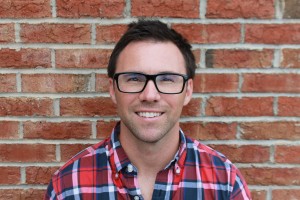
Andy Hale is pastor of Mosaic in Clayton, N.C.
In the days since the election results, the country has ignited with protests against the President-elect and subsequent anti-protester movements. While there have been protests in major cities, most Americans have experienced the divisiveness of this election in familial, social, faith, and work circles.
In many regards, social media has become the microcosm of our culture. Facebook reported that there were 10 billion election related likes, comments, posts, and shares from March 23, 2015 through November 1, 2016. Election Day had 115.3 million people on Facebook generating 716.3 million elections related posts, likes, comments, or shares.
One can only guess how many Americans on Facebook utilized the unfollow, unfriend, or block features post-Election Day.
While the new direction of America is yet to be determined, one thing is clear, we are more polarized now than one week ago. Americans are retreating to their tribes quickly.
Instead of feelings of superiority, faultlessness, and self-righteousness that are often associated with tribalism, as well as a tendency to surrounding ourselves with people who think, talk, live, speak, work, and believe like us, what Americans need something wholly different.
The Church Must Create a Safe Space for Open Dialogue
One thing is clear, the church must settle into the context of America. However, it must rise above the tribal and divisive tendencies of the prevailing culture. Instead of closing the doors to people who think, live, and act differently, the church has an opportunity to create a safe space for open dialogue. This is an opportunity to create a more diverse theological church community.
What this looks like is worth a lengthy dissertation. We all must recognize and embrace the challenge and patience necessary for creating a safe space for open dialogue. However, let me offer a few suggestions to begin working towards this goal:
Suggestion 1: Check Yourself
Before we can even begin to approach people who see life, politics, theology and the like differently than we do, we need to check our attitude, motives and temperament.
A few questions you might want to introspectively consider: Why am I trying to create diversity? What’s my real end goal? Am I really trying to create a safe space for a multitude of thoughts or am I trying to create a venue to be “right”?
Engaging in dialogue with people who do not see the world in the way you do can create an opportunity for anxiety, frustration, anger and maybe even resentment. Therefore, it is essential that you understand what pushes your emotional buttons. Learn to differentiate between you and others, between your perspective and others’ perspectives, between begin “right” and being open to listen.
Suggestion 2: Build Healthy Community
If your end goal is to have a larger crowd to prove you are right, then maybe it’s not a good idea to create a theologically diverse church.
So consider the goal of creating deeper, fuller, and healthier relationships with people who are also God’s children that happen to see the world differently from you. That’s an excellent motive.
Before we can even dream of dialoguing over theological matters, a mutual trust must be fostered. This may not come through ideological dialogue. It might be achieved through sharing a meal, a cup of coffee, or an adult beverage. Consider doing something that all parties involved enjoy, such as like interest activities (e.g. art, playing sports, underwater basket weaving, etc).
Build healthy community with a diverse group of people in the most natural way that you have built healthy community with your other friendships.
So find ways outside of conversing over various topics to build healthy community.
Suggestion 3: Create Space for Healthy Dialogue
When mutual trust and respect has been carefully built, then it can lead to healthy dialogue.
However, do not assume that everyone knows how to have healthy dialogue. The group must define the guidelines for healthy conversation and the goal of the dialogue, such as:
- I am not trying to be right. I am trying to be a cohesive, effective, and community-centered.
- Before speaking, I will consider reasons for speaking. What is my intent? What am I really trying to gain?
- When I speak, I am talking about a particular viewpoint, not particular people.
- I will give kind-spirited and gracious suggestions.
- I will listen without interrupting, keep an open mind, and truly listen without thinking about how I want to respond.
- I will not take someone’s alternative perspective as a personal attack.
- I will watch my body language. Nonverbal communication is part of delivering feedback.
- I will ask for clarification instead of making assumptions.
- I will keep an open mind, allowing myself to see the world from a different perspective.
- I will one-time share, allowing others to share the dialogue.
- I will respect the right to disagree respectfully.
Have the group covenant together to hold to these guidelines and goal.
Aesthetics matter. You should consider where you will meet, what the gathering space will look like, how and where people will sit, how hospitality comes into play, and how long you will meet. A lack of or sense of comfort will make or break healthy dialogue.
Andy Hale leads Church Starts Initiative of the Cooperative Baptist Fellowship. Hale is a CBF church starter who serves pastor of Mosaic of Clayton in Clayton, N.C. For more information about CBF’s Church Starts Initiative, click here. Subscribe to the CBF Church Starts Conversation Podcast in iTunes.
Previous Post

December 5, 2016
This Is Us and the Season of Advent
Next Post

December 9, 2016 Cultivating Trust: A minister's most important task
Browse Our Archives
Select a Category Advent Advocacy Baptist Black Lives Matter Campbell University CCM Chaplain Children Church Starts Clergy Sexual Misconduct Coaching Culture Environment Equality Ethics Events Field Personnel Health History Human Trafficking Immigration Interfaith Interviews Lent Ministry Missions Payday Pentecost Politics Prayer Race Refugees Religious Liberty Sermon Spirituality Theology Uncategorized United Nations Women Worship Young Adults
Select a Month November 2018 October 2018 September 2018 August 2018 July 2018 June 2018 May 2018 April 2018 March 2018 February 2018 January 2018 December 2017 November 2017 October 2017 September 2017 August 2017 July 2017 June 2017 May 2017 April 2017 March 2017 February 2017 January 2017 December 2016 November 2016 October 2016 February 2016
Follow Us!
TAKE THE
Religious Wisdom Quiz
Who is commended in 3 John for walking in the truth?
Select your answer to see how you score.
Demetrius Diotrephes Gaius Philemon
Related posts from Cooperative Baptist Fellowship

Cooperative Baptist Fellowship

CBF Podcast: A Conversation with Peter Enns
Cooperative Baptist Fellowship
When Jesus Broke Up the “Boys-Will-Be-Boys” Club
Cooperative Baptist Fellowship
CBF Podcast: A Conversation with Christian Piatt
Cooperative Baptist Fellowship
TRENDING AT PATHEOS Progressive Christian

Why Christians Have a Sacred Duty to Vote:...
The Bible offers strong support for the sacred duty to vote. Here...

What Being a Modern-Day Apostle Means to Me
In my last column, I discussed the ins and outs of modern-day...

Did Ancient China Once Worship the God of...
Across human history, a common thread weaves through the origins of the...

Love Your Neighbor – Including Earth-Kin: Lev. 19,...
God’s command to love your neighbor means acting in an ethical and...

Lead a Church Study of “Jesus and Lao...
Guest writer Jack Thomas (The Irreverent Reverend) reflects on leading his church...

Principles for Understanding the Apostolic Ministry Today
Whenever people discover that my formal ministry title is "apostle," as in...
view all Progressive Christian blogs
Ad-Free & Subscriber Log-In Subscription Support
- About Us
- 2026 Calendar
- Videos
- Podcasts
- Library of World Religions
- Faith In Media Tracker
- Advertise With Us
- Write for Us
- Privacy Policy
- Terms of Service
- Do Not Sell My Data
- Contact Us
- Radiant Digital
- Manage Newsletter Subscriptions
- Unsubscribe From Notifications
- Sitemap
Copyright 2008-2026, Patheos. All rights reserved.
Subscription Support Ad-Free & Subscriber Log-In
Follow Patheos