
BuddhistCatholicContemplativeEvangelicalGeneral ChristianHinduJewishLatter-day SaintMuslimNew VisionsProgressive Christian
Beliefs
- Buddhist
- Catholic
- Contemplative
- Evangelical
- General Christian
- Hindu
- Jewish
- Latter-day Saint
- More Voices
- Muslim
- New Visions
- Pagan
- Progressive Christian
Topics
- Religion News
- Food and Religion
- Sports and Religion
- Religious Art
- Religious Music and Entertainment
- Religious Events
- History and Religion
- Style and Religion
- Politics and Religion
- Women in Religion
- Recreation Outdoors and Religion
- Business Finance and Religion
- Careers Workplace and Religion
- Education and Religion
- Family Parenting and Religion
- Health Fitness and Religion
- Home and Religion
- Relationships and Religion
- Technology and Religion
- Travel and Religion
Columnists
- Buddhist Columnists
- Business Finance and Religion Columnists
- Careers Workplace and Religion Columnists
- Catholic Columnists
- Contemplative Columnists
- Education and Religion Columnists
- Evangelists Columnists
- Family Parenting and Religion Columnists
- General Christian Columnists
- Health Fitness and Religion Columnists
- Hindu Columnists
- History and Religion Columnists
- Home and Religion Columnists
- Jewish Columnists
- More Voices Columnists
- Latter Day Columnists
- Muslim Columnists
- New Visions Columnists
- Nonreligious Columnists
- Pagan Columnists
- Politics and Religion Columnists
- Progressive Columnists
- Recreation Outdoors and Religion Columnists
- Relationships and Religion Columnists
- Religion News Columnists
- Religious Art Columnists
- Religious Events Columnists
- Religious Music and Entertainment Columnists
- Sports and Religion Columnists
- Style and Religion Columnists
- Technology and Religion Columnists
- Travel and Religion Columnists
- Women in Religion Columnists
Resource Library
- 2026 Calendar
- Library of World Religions
- The 100 Most Holy Places on Earth
- Patheos Answers
- Podcasts
- Videos
- Faith Leaders Database
- Anglican Episcopalian
- Bahai
- Baptist
- Buddhism
- Christianity
- Confucianism
- Eastern Orthodoxy
- Hinduism
- Holiness and Pentecostal
- ISKCON
- Islam
- Judaism
- Lutheran
- Methodist
- The Church of Jesus Christ of Latter-day Saints
- New Age
- Paganism
- Presbytarian and Reformed
- Protestantism
- Religion Behind the Scenes
- Roman Catholic
- Scientology
- Shia Islam
- Sikhism
- Sufism
- Sunni Islam
- Taoism
- Zen
- See all religions
Research Tools
 Ad-Free & Subscriber Log-In Subscription Support
Ad-Free & Subscriber Log-In Subscription Support
Follow Patheos 

- Trending:
- Forgiveness
- |
- Marriage
- |
- Consciousness
- |
- Death Penalty
- |
- Election
- |
- Halloween
 Catholic News
- Home
- Catholic
- Religion News
- Philosophy professor launches international pro-life academy
Philosophy professor launches international pro-life academy
Last updated on: November 3, 2017 at 1:00 am by CNA Daily News
Philosophy professor launches international pro-life academy 2017-11-03T01:00:00+00:00 CNA Daily News
Patheos Explore the world's faith through different perspectives on religion and spirituality! Patheos has the views of the prevalent religions and spiritualities of the world.
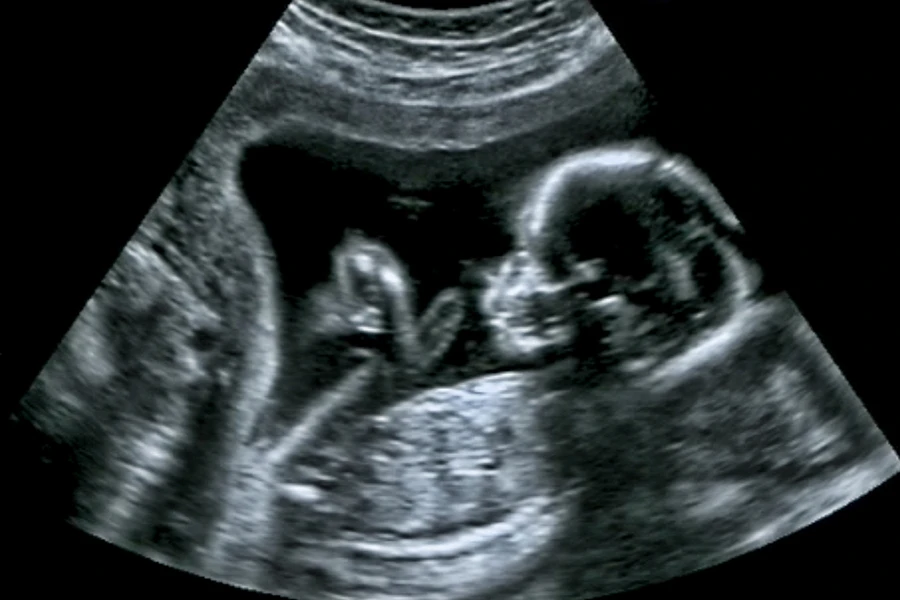
Vatican City, Nov 2, 2017 / 07:00 pm (CNA/EWTN News).- A former member of the Pontifical Academy for Life has launched an independent organization he claims will work to “unfold the splendor of truth about life and family.”
Josef Seifert, president of the new lay-run John Paul II Academy for Human Life and Family, announced the academy Oct. 18 in Rome at a conference on the topic of Blessed Paul VI's encyclical “Humanae Vitae.”
“The academy’s aim is to clarify, to teach and to spread that part of the truth about man and about God that serves human life and the natural family, and, through serving these, serves and glorifies God,” said Seifert.
Seifert, a philosophy professor from Austria, has taught at the University of Dallas. He was founding rector of the International Academy of Philosophy in Liechtenstein. Until recently, he had served as Dietrich von Hildebrand Chair for Realist Phenomenology at the International Academy of Philosophy-Instituto de Filosofía Edith Stein.
He has said he was forced to retire for asking whether parts of Pope Francis’ 2016 post-synodal exhortation “Amoris Laetitia” led to the conclusion that there are no intrinsically wrong acts. He had previously been suspended from teaching seminarians, following the publication of a different essay criticizing the exhortation.
According to Seifert, the new organization aims to serve the same goals as the original Pontifical Academy for Life, founded in 1994 by St. John Paul II. This academy will be “a lay non-governmental organization that will remain independent of civil and religious organizations.”
The Pontifical Academy for Life is a team of scientists and ethicists representing different branches of biomedical sciences who are appointed by the Holy Father to work with Vatican dicasteries to discuss issues related to science and the protection of the dignity of human life. Under Pope Francis, its new statutes explicitly advocate care for the human person “at different stages of life” as well as an authentic “human ecology” that aims to restore balance in creation “between the human person and the entire universe.”
The American members of this academy appointed or confirmed by Pope Francis include Carl Anderson, Supreme Knight of the Knights of Columbus; John M. Haas, president of the National Catholic Bioethics Center in Philadelphia; and Kathleen M. Foley, M.D., attending neurologist in the Pain and Palliative Care Service at Memorial Sloan Kettering Cancer Center and professor of neurology, neuroscience, and clinical pharmacology at Weill Cornell Medicine of Cornell University.
In Nov. 2016, Pope Francis promulgated new statutes for the Pontifical Academy for Life, withdrawing the lifetime appointments of 139 members, including Seifert. While 28 members were reappointed in June 2017, Seifert was not among them.
The academy’s new statutes explicitly allow non-Catholics to be appointed to the pontifical academy, and establish that new members would no longer be required to sign a statement promising to defend life according to Catholic teaching.
Some new appointees were criticized for apparent disagreement with Catholic teaching on questions like euthanasia.
Seifert said his new lay academy includes several former members of the pontifical academy. Most of these were lifetime members. The members of the new lay academy are “deeply committed” to the original pontifical academy and its goals as envisioned by St. John Paul II, he said. Their Catholic members are, in his words, “fully faithful to the authentic Magisterium and perennial doctrine of the Catholic Church,” while open to the truths of human reason. Membership in this lay academy is also open to non-Catholics.
The independent academy will also consider medical, social and health developments; “anti-life and gender ideology”; topics like “brain death”; and the ethics of death and transplant medicine.
In his remarks introducing the new lay academy, Seifert was critical of a “new emphasis on subjective conscience that would justify committing adultery, homosexual relations or even abortion subjectively.” He opposed the claim that God would want people to commit acts like adultery “because leaving our new partner might lead us to greater sins and cause greater evils.”
He emphasized the importance of John Paul II’s apostolic exhortation Familiaris Consortio, encyclical Veritatis Splendor, and Blessed Paul VI’s encyclical Humanae Vitae to the new academy.
Previous Post

November 2, 2017
UK bishop calls for prayers as MPs urge ban on abortion clinic vigils
Next Post
November 3, 2017 Filipinos gather in Rome to promote bishop's beatification cause
Browse Our Archives
Select a Category Americas Asia - Pacific Europe Middle East - Africa Uncategorized US Vatican
Select a Month November 2017 October 2017 September 2017 August 2017 July 2017 June 2017 May 2017 April 2017 March 2017 February 2017 January 2017 December 2016 November 2016 October 2016 September 2016 August 2016 July 2016 June 2016 May 2016 April 2016 March 2016 February 2016 January 2016 December 2015 November 2015 October 2015 September 2015 August 2015 July 2015 June 2015 May 2015 April 2015 March 2015 February 2015 January 2015 December 2014 November 2014 October 2014 September 2014 August 2014 July 2014 June 2014 May 2014 April 2014 March 2014 February 2014 January 2014 December 2013 November 2013 October 2013 September 2013 August 2013 July 2013 June 2013 May 2013 April 2013 March 2013 February 2013 January 2013 December 2012 November 2012 October 2012 September 2012 August 2012 July 2012 June 2012 May 2012
TAKE THE
Religious Wisdom Quiz
What day did God rest during creation?
Select your answer to see how you score.
The first day The third day The sixth day The seventh day
Related posts from Catholic News

How do we help trafficking victims re-enter society?...

More than just giving – World Day of...

New book reveals details of John Paul I’s...

Despite reports, Pope Francis isn’t opening the door...
TRENDING AT PATHEOS Catholic

Rejecting Doom: Christian Hope And Human Action
Christianity is a religion of hope. We are to have hope and...

It’s What Comes From Within Which Matters
One of the most difficult things for us to understand is why...

Why I Choose the Eucharist Over the Sermon
Choose the Eucharist, Not the Sermon What are we supposed to get...

5 Design Elements Found in Spiritually Rooted Homes
Putting Spirituality Into Home Decor Our homes are more than our living...

Credo: A Story of God Told with the...
About 10 years ago, I began to imagine a personal "Credo" that...

The Anatomy of Divine Revelation in Catholic Thought
The claim that God has made Himself known to human beings is...
view all Catholic blogs
Ad-Free & Subscriber Log-In Subscription Support
- About Us
- 2026 Calendar
- Videos
- Podcasts
- Library of World Religions
- Faith In Media Tracker
- Advertise With Us
- Write for Us
- Privacy Policy
- Terms of Service
- Do Not Sell My Data
- Contact Us
- Radiant Digital
- Manage Newsletter Subscriptions
- Unsubscribe From Notifications
- Sitemap
Copyright 2008-2026, Patheos. All rights reserved.
Subscription Support Ad-Free & Subscriber Log-In
Follow Patheos