
BuddhistCatholicContemplativeEvangelicalGeneral ChristianHinduJewishLatter-day SaintMuslimNew VisionsProgressive Christian
Beliefs
- Buddhist
- Catholic
- Contemplative
- Evangelical
- General Christian
- Hindu
- Jewish
- Latter-day Saint
- More Voices
- Muslim
- New Visions
- Pagan
- Progressive Christian
Topics
- Religion News
- Food and Religion
- Sports and Religion
- Religious Art
- Religious Music and Entertainment
- Religious Events
- History and Religion
- Style and Religion
- Politics and Religion
- Women in Religion
- Recreation Outdoors and Religion
- Business Finance and Religion
- Careers Workplace and Religion
- Education and Religion
- Family Parenting and Religion
- Health Fitness and Religion
- Home and Religion
- Relationships and Religion
- Technology and Religion
- Travel and Religion
Columnists
- Buddhist Columnists
- Business Finance and Religion Columnists
- Careers Workplace and Religion Columnists
- Catholic Columnists
- Contemplative Columnists
- Education and Religion Columnists
- Evangelists Columnists
- Family Parenting and Religion Columnists
- General Christian Columnists
- Health Fitness and Religion Columnists
- Hindu Columnists
- History and Religion Columnists
- Home and Religion Columnists
- Jewish Columnists
- More Voices Columnists
- Latter Day Columnists
- Muslim Columnists
- New Visions Columnists
- Nonreligious Columnists
- Pagan Columnists
- Politics and Religion Columnists
- Progressive Columnists
- Recreation Outdoors and Religion Columnists
- Relationships and Religion Columnists
- Religion News Columnists
- Religious Art Columnists
- Religious Events Columnists
- Religious Music and Entertainment Columnists
- Sports and Religion Columnists
- Style and Religion Columnists
- Technology and Religion Columnists
- Travel and Religion Columnists
- Women in Religion Columnists
Resource Library
- 2026 Calendar
- Library of World Religions
- The 100 Most Holy Places on Earth
- Patheos Answers
- Podcasts
- Videos
- Faith Leaders Database
- Anglican Episcopalian
- Bahai
- Baptist
- Buddhism
- Christianity
- Confucianism
- Eastern Orthodoxy
- Hinduism
- Holiness and Pentecostal
- ISKCON
- Islam
- Judaism
- Lutheran
- Methodist
- The Church of Jesus Christ of Latter-day Saints
- New Age
- Paganism
- Presbytarian and Reformed
- Protestantism
- Religion Behind the Scenes
- Roman Catholic
- Scientology
- Shia Islam
- Sikhism
- Sufism
- Sunni Islam
- Taoism
- Zen
- See all religions
Research Tools
 Ad-Free & Subscriber Log-In Subscription Support
Ad-Free & Subscriber Log-In Subscription Support
Follow Patheos 

- Trending:
- Forgiveness
- |
- Marriage
- |
- Consciousness
- |
- Death Penalty
- |
- Election
- |
- Halloween
 Catholic News
- Home
- Catholic
- Religion News
- How do we help trafficking victims re-enter society? Vatican conference takes a look
How do we help trafficking victims re-enter society? Vatican conference takes a look
Last updated on: November 6, 2017 at 10:21 pm by CNA Daily News
How do we help trafficking victims re-enter society? Vatican conference takes a look 2017-11-06T22:21:00+00:00 CNA Daily News
Patheos Explore the world's faith through different perspectives on religion and spirituality! Patheos has the views of the prevalent religions and spiritualities of the world.
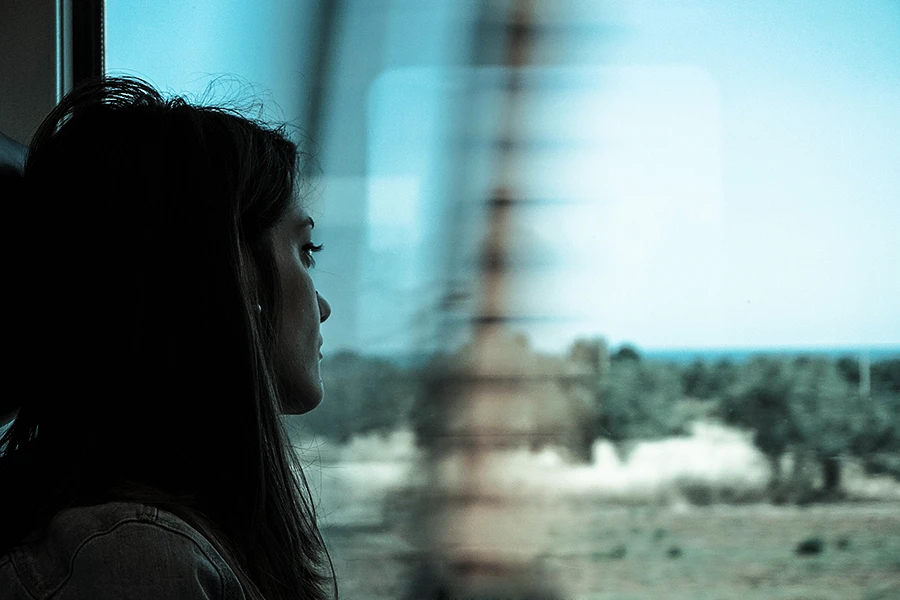
Vatican City, Nov 6, 2017 / 03:21 pm (CNA/EWTN News).- A Vatican workshop this past weekend drew attention to the vast challenges faced by victims of human trafficking when reintegrating into society, suggesting concrete steps for helping victims.
One of the first challenges faced by trafficking victims upon being freed is recourse to legal aid and restitution, attorney Jami Solli told CNA Nov. 6.
Founder of the Global Alliance for Legal Aid, an association of jurists who provide legal aid in developing countries, Solli participated in the Vatican workshop.
She said that when it comes to legal aid, the challenges are complex.
“If they’re coming from overseas, they don’t speak the language, they don’t know the law,” she said. In addition to this, many countries do not offer any financial compensation to trafficking victims, and it can be hard to find quality lawyers who are willing to help them.
Unfortunately, Solli said, prosecution rates for human trafficking crimes are very low.
According to U.S. reports, there are about 10,000 prosecutions of trafficking perpetrators globally each year, while the number of trafficked people is estimated to be around 40 million.
What does prosecution of perpetrators actually achieve for victims? It can bring significant peace of mind, Solli said, allowing victims to know that the person who trafficked them is in jail.
However, victims are still left with a “slew of problems,” including mental suffering, a lack of skills, education and a job.
“How is this person going to restart their life?” Solli reflected, noting that restitution money is one way to recognize the immense harm that victims have suffered, and while it will not solve all of their problems, it can help them get a fresh start.
The Nov. 4-6 workshop, “Assisting Victims in Human Trafficking – Best Practices in Resettlement, Legal Aid and Compensation,” addressed these challenges and others.
The workshop’s focus was on how to better provide legal aid and restitution for trafficking victims, not only to try to achieve justice for the crimes committed against them, but to support their reintegration into society and help with necessities such as food, housing and education.
Critical to this reintegration is the broad cooperation of different entities, including the Church’s vast network of parishes, said Dr. Margaret Archer, president of the Pontifical Academy of Social Sciences, in a press conference Monday.
“If we can turn passive parishes into active parishes for this cause, we'll have made a giant step forward,” she said.
Dr. John F. McEldowney, a law professor at the University of Warwick and a newly appointed member of the Academy of Social Sciences, agreed with Archer. He told journalists that he thinks the next step is “very much a collaborative effort throughout the world.”
The hope is to bring together not just government entities and NGOs, but also the “smallest communities, in the smallest parts of the world,” such as parishes and small villages.
One of the big projects to come out of the weekend, still a work in progress, is a document to define the rights of victims and the resources available to them.
McEldowney told CNA that this “victims’ charter” would work as a sort of map to help people get from point A to point B to point C.
The document would connect information and resources from all the different areas in which victims likely need assistance – including legal aid, housing assistance, education, and mental and spiritual guidance. Together, these resources would help trafficking victims answer the question, “Where do I go from here?”
It is also hoped that the act of compiling the charter will draw attention to those areas which are lacking adequate, or perhaps any, resources. For example, it can be difficult for trafficking victims to know how to apply to a university if they are not a citizen of the country or don’t have the correct documentation.
“It's an ambitious project,” McEldowney noted in his comments to journalists. “It requires patience and dedication. And education, knowledge, information is at the heart of this, so that people know that slavery has not been abolished.”
Previous Post

November 6, 2017
Victims of Islamic State in focus at UN forum
Browse Our Archives
Select a Category Americas Asia - Pacific Europe Middle East - Africa Uncategorized US Vatican
Select a Month November 2017 October 2017 September 2017 August 2017 July 2017 June 2017 May 2017 April 2017 March 2017 February 2017 January 2017 December 2016 November 2016 October 2016 September 2016 August 2016 July 2016 June 2016 May 2016 April 2016 March 2016 February 2016 January 2016 December 2015 November 2015 October 2015 September 2015 August 2015 July 2015 June 2015 May 2015 April 2015 March 2015 February 2015 January 2015 December 2014 November 2014 October 2014 September 2014 August 2014 July 2014 June 2014 May 2014 April 2014 March 2014 February 2014 January 2014 December 2013 November 2013 October 2013 September 2013 August 2013 July 2013 June 2013 May 2013 April 2013 March 2013 February 2013 January 2013 December 2012 November 2012 October 2012 September 2012 August 2012 July 2012 June 2012 May 2012
TAKE THE
Religious Wisdom Quiz
How many wise men visited baby Jesus?
Select your answer to see how you score.
The Bible doesn’t say Four Two Three
Related posts from Catholic News

More than just giving – World Day of...

New book reveals details of John Paul I’s...
Despite reports, Pope Francis isn’t opening the door...
Pope: Those in authority can't live a 'double...
TRENDING AT PATHEOS Catholic

Rejecting Doom: Christian Hope And Human Action
Christianity is a religion of hope. We are to have hope and...

It’s What Comes From Within Which Matters
One of the most difficult things for us to understand is why...

Why I Choose the Eucharist Over the Sermon
Choose the Eucharist, Not the Sermon What are we supposed to get...

5 Design Elements Found in Spiritually Rooted Homes
Putting Spirituality Into Home Decor Our homes are more than our living...

Credo: A Story of God Told with the...
About 10 years ago, I began to imagine a personal "Credo" that...

The Anatomy of Divine Revelation in Catholic Thought
The claim that God has made Himself known to human beings is...
view all Catholic blogs
Ad-Free & Subscriber Log-In Subscription Support
- About Us
- 2026 Calendar
- Videos
- Podcasts
- Library of World Religions
- Faith In Media Tracker
- Advertise With Us
- Write for Us
- Privacy Policy
- Terms of Service
- Do Not Sell My Data
- Contact Us
- Radiant Digital
- Manage Newsletter Subscriptions
- Unsubscribe From Notifications
- Sitemap
Copyright 2008-2026, Patheos. All rights reserved.
Subscription Support Ad-Free & Subscriber Log-In
Follow Patheos