
BuddhistCatholicContemplativeEvangelicalGeneral ChristianHinduJewishLatter-day SaintMuslimNew VisionsProgressive Christian
Beliefs
- Buddhist
- Catholic
- Contemplative
- Evangelical
- General Christian
- Hindu
- Jewish
- Latter-day Saint
- More Voices
- Muslim
- New Visions
- Pagan
- Progressive Christian
Topics
- Religion News
- Food and Religion
- Sports and Religion
- Religious Art
- Religious Music and Entertainment
- Religious Events
- History and Religion
- Style and Religion
- Politics and Religion
- Women in Religion
- Recreation Outdoors and Religion
- Business Finance and Religion
- Careers Workplace and Religion
- Education and Religion
- Family Parenting and Religion
- Health Fitness and Religion
- Home and Religion
- Relationships and Religion
- Technology and Religion
- Travel and Religion
Columnists
- Buddhist Columnists
- Business Finance and Religion Columnists
- Careers Workplace and Religion Columnists
- Catholic Columnists
- Contemplative Columnists
- Education and Religion Columnists
- Evangelists Columnists
- Family Parenting and Religion Columnists
- General Christian Columnists
- Health Fitness and Religion Columnists
- Hindu Columnists
- History and Religion Columnists
- Home and Religion Columnists
- Jewish Columnists
- More Voices Columnists
- Latter Day Columnists
- Muslim Columnists
- New Visions Columnists
- Nonreligious Columnists
- Pagan Columnists
- Politics and Religion Columnists
- Progressive Columnists
- Recreation Outdoors and Religion Columnists
- Relationships and Religion Columnists
- Religion News Columnists
- Religious Art Columnists
- Religious Events Columnists
- Religious Music and Entertainment Columnists
- Sports and Religion Columnists
- Style and Religion Columnists
- Technology and Religion Columnists
- Travel and Religion Columnists
- Women in Religion Columnists
Resource Library
- 2026 Calendar
- Library of World Religions
- The 100 Most Holy Places on Earth
- Patheos Answers
- Podcasts
- Videos
- Faith Leaders Database
- Anglican Episcopalian
- Bahai
- Baptist
- Buddhism
- Christianity
- Confucianism
- Eastern Orthodoxy
- Hinduism
- Holiness and Pentecostal
- ISKCON
- Islam
- Judaism
- Lutheran
- Methodist
- The Church of Jesus Christ of Latter-day Saints
- New Age
- Paganism
- Presbytarian and Reformed
- Protestantism
- Religion Behind the Scenes
- Roman Catholic
- Scientology
- Shia Islam
- Sikhism
- Sufism
- Sunni Islam
- Taoism
- Zen
- See all religions
Research Tools
 Ad-Free & Subscriber Log-In Subscription Support
Ad-Free & Subscriber Log-In Subscription Support
Follow Patheos 

- Trending:
- Forgiveness
- |
- Marriage
- |
- Consciousness
- |
- Death Penalty
- |
- Election
- |
- Halloween
 Catholic News
- Home
- Catholic
- Religion News
- Central Americans fleeing violence can’t return home yet, bishops warn
Central Americans fleeing violence can’t return home yet, bishops warn
Last updated on: October 18, 2017 at 11:04 pm by CNA Daily News
Central Americans fleeing violence can’t return home yet, bishops warn 2017-10-18T23:04:00+00:00 CNA Daily News
Patheos Explore the world's faith through different perspectives on religion and spirituality! Patheos has the views of the prevalent religions and spiritualities of the world.
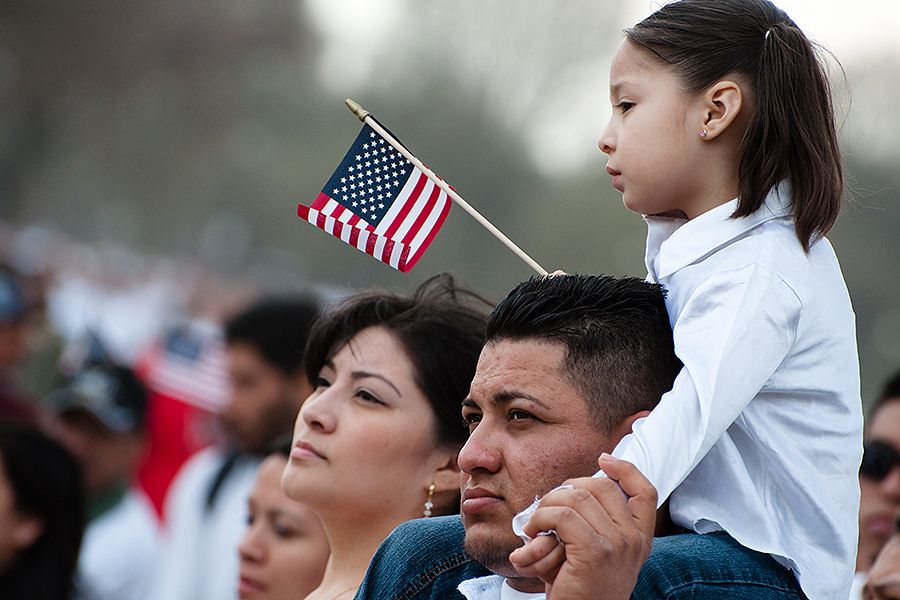
Washington D.C., Oct 18, 2017 / 05:04 pm (CNA/EWTN News).- As a temporary immigration permit program for families fleeing violence in Honduras and El Salvador is set to expire, the U.S. bishops warn that requiring immigrants to return to unsafe countries is unjust.
“There is ample evidence to suggest that current TPS recipients from Honduras and El Salvador cannot return safely to their home country at this time,” said Bishop Joe S. Vásquez of Austin, Texas, Chairman of the U.S. Bishops Committee on Migration.
He urged the faithful to keep the people of El Salvador and Honduras, including those with Temporary Protective Status “in your thoughts and prayers,” while introducing a report on the issue, released by the USCCB this week.
The bishop and the report expressed support for an extension of TPS – a kind of temporary immigration status– for people from Honduras and El Salvador, and called for a long-term legislative solution to the situation.
Temporary Protective Status allows people who are unable to safely return to their home nations because of armed conflict, other violence, natural disasters or other extraordinary and temporary circumstances to remain in the United States while the situation in their home country resolves.
In August, a group of researchers from the USCCB’s Office of Migration and Refugee Services traveled to Honduras and El Salvador to assess the circumstances TPS recipients returning to their home countries would face.
The trip was inspired by the upcoming expiration of TPS status for Salvadoran and Honduran nationals. The TPS designation for Honduras is set to expire on January 5, 2018, and El Salvador’s will end on March 9, 2018, unless the Department of Homeland Security authorizes an extension. If the designations expire, more than 200,000 people from El Salvador and 57,000 people from Honduras will need to return to their home countries. These temporary immigrants are parents to more than 270,000 children who are United States citizens.
In El Salvador, gang-related violence has led to widespread crime and extortion, the bishops’ report said. In addition, children and their families are targeted for gang recruitment. This has also led to the displacement of between 200,000 and 400,000 persons in El Salvador.
In Honduras, the bishops’ report said, high homicide rates and internal displacement of families has led to the designation of TPS status for some Honduran refugees. Currently, there are at least 174,000 people who are internally displaced within the country.
Many of the affected families sought TPS as part of the Central American Minors refugee program in order to protect their children from violence and gang recruitment.
The bishops observed that the security situations in both countries has not been fully resolved, and their report warned that the end of TPS might “negatively impact regional security, and have negative economic and humanitarian consequences” in El Salvador and Honduras, as well as in the United States. They also observed that neither country is prepared to receive and reintegrate the full population of citizens that would need to return.
The bishops warn that forcing families to return, including those families whose children are US citizens, would leave returned people at grave risk of violence and targeted gang action.
On top of the policy ramifications of the political situation in Honduras and El Salvador, the destabilization and insecurity in these two countries has made it more difficult for the Church to operate and adequately minister to those in need, the bishops’ conference reported.
The report quoted Archbishop José Luis Escobar Alas of San Salvador: “It is truly unfortunate and painful that the Church cannot work because of this atmosphere of insecurity and anxiety that shakes our beloved country.”
The bishops offered a number of policy recommendations for the United States, as well as to the impacted countries and Church leaders. To the US government, they encouraged the extension of the TPS program for 18 months, and also backed efforts to ensure permanent lawful status for some, namely those who are parents of U.S. citizens or who have found employment in U.S. businesses.
The bishops also urged the U.S. to work with both Honduras and El Salvador to help the countries end the violence – particularly violence that targets youth – and form a solid plan to reintegrate families who will need to return. The U.S. government, they said, should “support anti-gang, anti-corruption and systematic integration efforts to ensure greater regional stability and human security.” They encouraged the Central American countries to improve job access and help ensure that Internally Displaced Persons can also return to their homes.
The bishops encouraged the Church and charitable organizations to help with humanitarian aid and supporting a solution to displacement – an issue which will be essential for “possible future TPS returnees.” They also encouraged Church-government partnerships to help people returning to their home countries, as well as any who might seek legal status in the United States and Canada.
“We look forward to working with Congress, the Administration and others in pursuing humane and just solutions for the long-term TPS beneficiaries currently residing in the United States,” the bishops concluded.
Previous Post

October 18, 2017
Assisted suicide legislation advances in Australia's Victoria state
Next Post
October 19, 2017 Five keys to Catholic education, according to Cardinal Versaldi
Browse Our Archives
Select a Category Americas Asia - Pacific Europe Middle East - Africa Uncategorized US Vatican
Select a Month November 2017 October 2017 September 2017 August 2017 July 2017 June 2017 May 2017 April 2017 March 2017 February 2017 January 2017 December 2016 November 2016 October 2016 September 2016 August 2016 July 2016 June 2016 May 2016 April 2016 March 2016 February 2016 January 2016 December 2015 November 2015 October 2015 September 2015 August 2015 July 2015 June 2015 May 2015 April 2015 March 2015 February 2015 January 2015 December 2014 November 2014 October 2014 September 2014 August 2014 July 2014 June 2014 May 2014 April 2014 March 2014 February 2014 January 2014 December 2013 November 2013 October 2013 September 2013 August 2013 July 2013 June 2013 May 2013 April 2013 March 2013 February 2013 January 2013 December 2012 November 2012 October 2012 September 2012 August 2012 July 2012 June 2012 May 2012
TAKE THE
Religious Wisdom Quiz
Who was the Roman emperor during Jesus’ birth?
Select your answer to see how you score.
Tiberius Caesar Augustus Nero Herod
Related posts from Catholic News

US bishops' new child protection program aims to...

Wealthy foundation aims to redefine religious freedom—and Christianity,...

Victims of Islamic State in focus at UN...

Catholic University of America offers free tuition to...
TRENDING AT PATHEOS Catholic

Rejecting Doom: Christian Hope And Human Action
Christianity is a religion of hope. We are to have hope and...

It’s What Comes From Within Which Matters
One of the most difficult things for us to understand is why...

Why I Choose the Eucharist Over the Sermon
Choose the Eucharist, Not the Sermon What are we supposed to get...

5 Design Elements Found in Spiritually Rooted Homes
Putting Spirituality Into Home Decor Our homes are more than our living...

Credo: A Story of God Told with the...
About 10 years ago, I began to imagine a personal "Credo" that...

The Anatomy of Divine Revelation in Catholic Thought
The claim that God has made Himself known to human beings is...
view all Catholic blogs
Ad-Free & Subscriber Log-In Subscription Support
- About Us
- 2026 Calendar
- Videos
- Podcasts
- Library of World Religions
- Faith In Media Tracker
- Advertise With Us
- Write for Us
- Privacy Policy
- Terms of Service
- Do Not Sell My Data
- Contact Us
- Radiant Digital
- Manage Newsletter Subscriptions
- Unsubscribe From Notifications
- Sitemap
Copyright 2008-2026, Patheos. All rights reserved.
Subscription Support Ad-Free & Subscriber Log-In
Follow Patheos