
BuddhistCatholicContemplativeEvangelicalGeneral ChristianHinduJewishLatter-day SaintMuslimNew VisionsProgressive Christian
Beliefs
- Buddhist
- Catholic
- Contemplative
- Evangelical
- General Christian
- Hindu
- Jewish
- Latter-day Saint
- More Voices
- Muslim
- New Visions
- Pagan
- Progressive Christian
Topics
- Religion News
- Food and Religion
- Sports and Religion
- Religious Art
- Religious Music and Entertainment
- Religious Events
- History and Religion
- Style and Religion
- Politics and Religion
- Women in Religion
- Recreation Outdoors and Religion
- Business Finance and Religion
- Careers Workplace and Religion
- Education and Religion
- Family Parenting and Religion
- Health Fitness and Religion
- Home and Religion
- Relationships and Religion
- Technology and Religion
- Travel and Religion
Columnists
- Buddhist Columnists
- Business Finance and Religion Columnists
- Careers Workplace and Religion Columnists
- Catholic Columnists
- Contemplative Columnists
- Education and Religion Columnists
- Evangelists Columnists
- Family Parenting and Religion Columnists
- General Christian Columnists
- Health Fitness and Religion Columnists
- Hindu Columnists
- History and Religion Columnists
- Home and Religion Columnists
- Jewish Columnists
- More Voices Columnists
- Latter Day Columnists
- Muslim Columnists
- New Visions Columnists
- Nonreligious Columnists
- Pagan Columnists
- Politics and Religion Columnists
- Progressive Columnists
- Recreation Outdoors and Religion Columnists
- Relationships and Religion Columnists
- Religion News Columnists
- Religious Art Columnists
- Religious Events Columnists
- Religious Music and Entertainment Columnists
- Sports and Religion Columnists
- Style and Religion Columnists
- Technology and Religion Columnists
- Travel and Religion Columnists
- Women in Religion Columnists
Resource Library
- 2026 Calendar
- Library of World Religions
- The 100 Most Holy Places on Earth
- Patheos Answers
- Podcasts
- Videos
- Faith Leaders Database
- Anglican Episcopalian
- Bahai
- Baptist
- Buddhism
- Christianity
- Confucianism
- Eastern Orthodoxy
- Hinduism
- Holiness and Pentecostal
- ISKCON
- Islam
- Judaism
- Lutheran
- Methodist
- The Church of Jesus Christ of Latter-day Saints
- New Age
- Paganism
- Presbytarian and Reformed
- Protestantism
- Religion Behind the Scenes
- Roman Catholic
- Scientology
- Shia Islam
- Sikhism
- Sufism
- Sunni Islam
- Taoism
- Zen
- See all religions
Research Tools
 Ad-Free & Subscriber Log-In Subscription Support
Ad-Free & Subscriber Log-In Subscription Support
Follow Patheos 

- Trending:
- Forgiveness
- |
- Marriage
- |
- Consciousness
- |
- Death Penalty
- |
- Election
- |
- Halloween
 Catholic News
- Home
- Catholic
- Religion News
- Why France’s ‘Zombie Catholics’ are so powerful
Why France’s ‘Zombie Catholics’ are so powerful
Last updated on: December 6, 2016 at 10:02 am by CNA Daily News
Why France’s ‘Zombie Catholics’ are so powerful 2016-12-06T10:02:00+00:00 CNA Daily News
Patheos Explore the world's faith through different perspectives on religion and spirituality! Patheos has the views of the prevalent religions and spiritualities of the world.
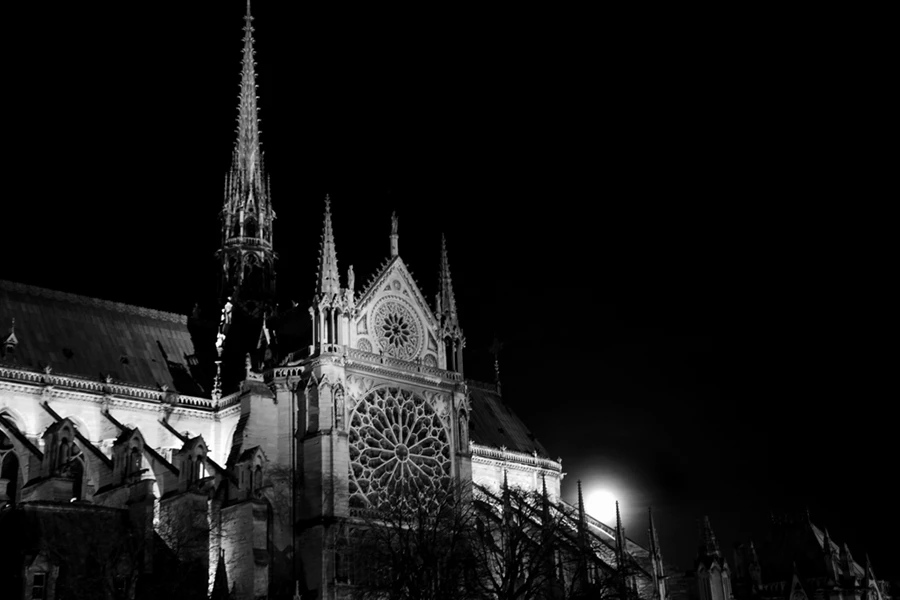
Paris, France, Dec 6, 2016 / 03:02 am (CNA).- It happened in Britain. It happened in the U.S.
And now it’s happening in France.
A staunchly right-winged politician whose chances seemed slim when the primaries began is now in line to become the next President of France.
François Fillon, former prime minister of France and a faithful Catholic, has pulled ahead in the Republican party, shocking pundits and political commentators throughout the country and beating out the moderate former Prime Minister Alain Juppé by a wide margin.
His Catholicism is such a strong part of his character that a headline in the newspaper Libération proclaimed: “Help, Jesus has returned!”
With an active faith and conservative values, Fillon has promised to preserve traditional family values and to uphold France’s Catholic roots, and holds traditional views about marriage and abortion, though he has said he does not plan to overturn the 1975 law that legalized abortion.
“I will put the family at the heart of all public politics,” Fillon promised in a recent rally.
The family was “certainly not a place for dangerous social experimentation”, he said, referring to recently adapted adoption rights for same-sex couples.
To understand his success in a country where numbers of churchgoers have plummeted, experts point to the cultural Catholics of France – geniously dubbed les zombies catholiques (the zombie Catholics) by sociologists Emmanuel Todd and Hervé Le Bras. In their book Le mystère français, Todd and Le Bras explain that “Catholicism seems to have attained a kind of life after death. But since it is a question of a this-worldly life, we will define it as ‘zombie Catholicism.’”
Once one of the most Catholic countries in Europe, France has seen a steady decline in churchgoers over the years, with only 15 percent of the country’s 41.6 million Catholics who are considered regular or even occasional churchgoers today.
But there are still pockets in France where the social values of Catholicism have remained strong despite waning church numbers – explaining, at least in part, the success of Fillon.
“Zombie Catholics share certain symptoms: Not only do they hail from regions where resistance was greatest to the French Revolution, but they also have taken advantage of the benefits that flowed from that seismic event,” Zaretsky wrote.
“Highly educated and meritocratic, they also privilege a traditional ordering of professional and domestic duties between husbands and wives; strong attachment to social, community, and family activities; and a general wariness over the role of the state in private and community affairs, including ‘free schools’ (Catholic private schools).”
Fillon shares most of these characteristics, and was able to harness his appeal to the zombie Catholics for political gain.
Robert Zaretsky writes in Foreign Policy Magazine that Fillon has “never made any secret of his beliefs.” He hails from a deeply Catholic part of France, and goes on retreat every year.
Fillon recalls his Catholic upbringing fondly in his campaign book Faire (“To Make”), and explains how the Catholic worldview has shaped who he is as a person: “I was raised in this tradition, and I have kept this faith.”
Voters in regions considered zombie Catholic strongholds, such as the western regions of the Vendée and Brittany, turned out in strong numbers for Fillon. Areas considered more liberal – southern regions, Paris and other large cities – had lower turnout numbers overall in the primaries.
Whether his popularity and appeal will hold long enough to win him the office remains to be seen. He will run against Marine Le Pen, the leader of the far-right National Front, and the Socialist nominee, which will be chosen in January. Incumbent president François Hollande of the Socialist Party declined to run for another term.
The first round of the 2017 French presidential election will be held on April 23, 2017. Should no candidate win an outright majority, a second vote between the top two candidates will be held on May 7.
Previous Post

December 6, 2016
Catholic colleges to undocumented students: You're still welcome
Next Post
December 6, 2016 Vatican displays Rembrandt's art for the first time
Browse Our Archives
Select a Category Americas Asia - Pacific Europe Middle East - Africa Uncategorized US Vatican
Select a Month November 2017 October 2017 September 2017 August 2017 July 2017 June 2017 May 2017 April 2017 March 2017 February 2017 January 2017 December 2016 November 2016 October 2016 September 2016 August 2016 July 2016 June 2016 May 2016 April 2016 March 2016 February 2016 January 2016 December 2015 November 2015 October 2015 September 2015 August 2015 July 2015 June 2015 May 2015 April 2015 March 2015 February 2015 January 2015 December 2014 November 2014 October 2014 September 2014 August 2014 July 2014 June 2014 May 2014 April 2014 March 2014 February 2014 January 2014 December 2013 November 2013 October 2013 September 2013 August 2013 July 2013 June 2013 May 2013 April 2013 March 2013 February 2013 January 2013 December 2012 November 2012 October 2012 September 2012 August 2012 July 2012 June 2012 May 2012
TAKE THE
Religious Wisdom Quiz
I am an offering without defect, completely burned on the altar as a pleasing aroma to the Lord. What am I?
Select your answer to see how you score.
A peace offering A grain offering A sin offering A burnt offering
Related posts from Catholic News

Sixty Vincentians martyred during Spanish Civil War to...

Filipinos gather in Rome to promote bishop's beatification...

UK bishop calls for prayers as MPs urge...

On All Souls' Day, Pope Francis prays for...
TRENDING AT PATHEOS Catholic

Creation, Preservation, and Teleology in Catholic Theology
As I write this, it is very early Monday morning. Like millions...

The Parable Of The Sower And The Word...
One of Christ’s most famous parables is that of the sower who...

Rejecting Doom: Christian Hope And Human Action
Christianity is a religion of hope. We are to have hope and...

Why I Choose the Eucharist Over the Sermon
Choose the Eucharist, Not the Sermon What are we supposed to get...

5 Design Elements Found in Spiritually Rooted Homes
Putting Spirituality Into Home Decor Our homes are more than our living...

Credo: A Story of God Told with the...
About 10 years ago, I began to imagine a personal "Credo" that...
view all Catholic blogs
Ad-Free & Subscriber Log-In Subscription Support
- About Us
- 2026 Calendar
- Videos
- Podcasts
- Library of World Religions
- Faith In Media Tracker
- Advertise With Us
- Write for Us
- Privacy Policy
- Terms of Service
- Do Not Sell My Data
- Contact Us
- Radiant Digital
- Manage Newsletter Subscriptions
- Unsubscribe From Notifications
- Sitemap
Copyright 2008-2026, Patheos. All rights reserved.
Subscription Support Ad-Free & Subscriber Log-In
Follow Patheos