
BuddhistCatholicContemplativeEvangelicalGeneral ChristianHinduJewishLatter-day SaintMuslimNew VisionsProgressive Christian
Beliefs
- Buddhist
- Catholic
- Contemplative
- Evangelical
- General Christian
- Hindu
- Jewish
- Latter-day Saint
- More Voices
- Muslim
- New Visions
- Pagan
- Progressive Christian
Topics
- Religion News
- Food and Religion
- Sports and Religion
- Religious Art
- Religious Music and Entertainment
- Religious Events
- History and Religion
- Style and Religion
- Politics and Religion
- Women in Religion
- Recreation Outdoors and Religion
- Business Finance and Religion
- Careers Workplace and Religion
- Education and Religion
- Family Parenting and Religion
- Health Fitness and Religion
- Home and Religion
- Relationships and Religion
- Technology and Religion
- Travel and Religion
Columnists
- Buddhist Columnists
- Business Finance and Religion Columnists
- Careers Workplace and Religion Columnists
- Catholic Columnists
- Contemplative Columnists
- Education and Religion Columnists
- Evangelists Columnists
- Family Parenting and Religion Columnists
- General Christian Columnists
- Health Fitness and Religion Columnists
- Hindu Columnists
- History and Religion Columnists
- Home and Religion Columnists
- Jewish Columnists
- More Voices Columnists
- Latter Day Columnists
- Muslim Columnists
- New Visions Columnists
- Nonreligious Columnists
- Pagan Columnists
- Politics and Religion Columnists
- Progressive Columnists
- Recreation Outdoors and Religion Columnists
- Relationships and Religion Columnists
- Religion News Columnists
- Religious Art Columnists
- Religious Events Columnists
- Religious Music and Entertainment Columnists
- Sports and Religion Columnists
- Style and Religion Columnists
- Technology and Religion Columnists
- Travel and Religion Columnists
- Women in Religion Columnists
Resource Library
- 2026 Calendar
- Library of World Religions
- The 100 Most Holy Places on Earth
- Patheos Answers
- Podcasts
- Videos
- Faith Leaders Database
- Anglican Episcopalian
- Bahai
- Baptist
- Buddhism
- Christianity
- Confucianism
- Eastern Orthodoxy
- Hinduism
- Holiness and Pentecostal
- ISKCON
- Islam
- Judaism
- Lutheran
- Methodist
- The Church of Jesus Christ of Latter-day Saints
- New Age
- Paganism
- Presbytarian and Reformed
- Protestantism
- Religion Behind the Scenes
- Roman Catholic
- Scientology
- Shia Islam
- Sikhism
- Sufism
- Sunni Islam
- Taoism
- Zen
- See all religions
Research Tools
 Ad-Free & Subscriber Log-In Subscription Support
Ad-Free & Subscriber Log-In Subscription Support
Follow Patheos 

- Trending:
- Forgiveness
- |
- Marriage
- |
- Consciousness
- |
- Death Penalty
- |
- Election
- |
- Halloween
 Catholic News
- Home
- Catholic
- Religion News
- ‘Forgive us’ – Rwandan bishops on Catholic role in genocide
‘Forgive us’ – Rwandan bishops on Catholic role in genocide
Last updated on: November 21, 2016 at 10:10 pm by CNA Daily News
‘Forgive us’ – Rwandan bishops on Catholic role in genocide 2016-11-21T22:10:00+00:00 CNA Daily News
Patheos Explore the world's faith through different perspectives on religion and spirituality! Patheos has the views of the prevalent religions and spiritualities of the world.
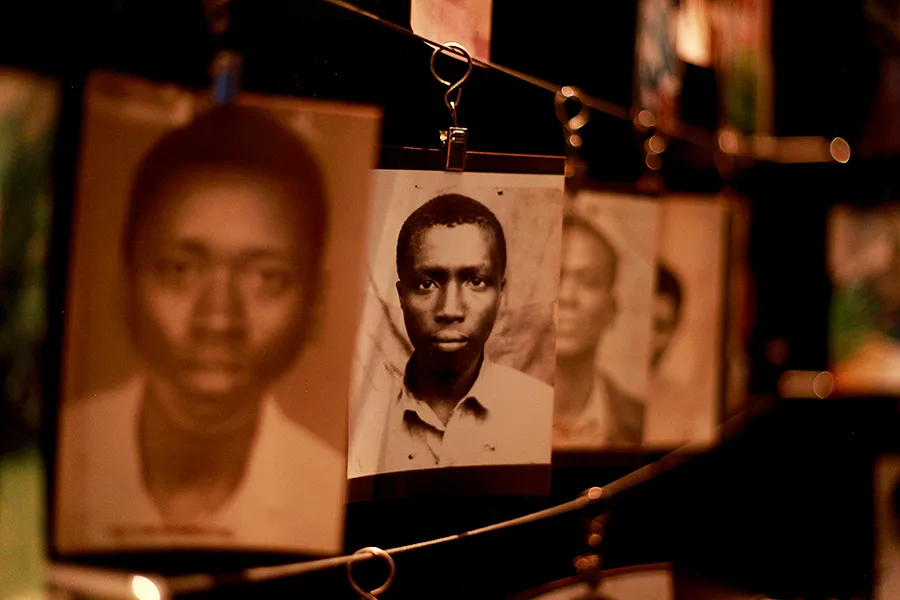
Kigali, Rwanda, Nov 21, 2016 / 03:10 pm (CNA/EWTN News).- The Catholic bishops of Rwanda have apologized for Christians' role in the deadly 1994 genocide.
“We apologize for all the wrongs the Church committed. We apologize on behalf of all Christians for all forms of wrongs we committed. We regret that church members violated (their) oath of allegiance to God’s commandments,” said Rwanda's Conference of Catholic Bishops
The statement, read at parishes across Rwanda, said that some Catholics planned, assisted, and executed the genocide. Hutu extremists killed over 800,000 ethnic Tutsis and moderate Hutus.
Clergy members were included in the ranks of both perpetrators and victims. In some cases, Hutu priests, bishops and religious helped to hide and protect Tutsis. In other cases, they took up arms against them. They ushered victims into church buildings with false promises of security and then trapped and betrayed them, facilitating their massacre.
“Forgive us for the crime of hate in the country to the extent of also hating our colleagues because of their ethnicity. We didn’t show that we are one family but instead killed each other,” the bishops said.
Bishop Phillipe Rukamba, spokesman for the Catholic bishops, said the statement's release was timed to be released at the end of the Catholic Church's Year of Mercy, according to the Associated Press.
There were complex causes for the violence, including decades of ethnic tension dating back to Belgian colonialism. The violence was inflamed by hate-filled propaganda broadcast by political extremists.
The genocide began April 7, 1994 after controversy over the plane crash that killed the then-president of Rwanda, a Hutu.
About 57 percent of Rwanda is Catholic, with another 37 percent Protestant or Seventh-Day Adventist. The churches have worked to bring about healing and reconciliation as well.
As the country sought to recover from the genocide, the Catholic Church suggested the revival of traditional communal court system called Gacaca, to relieve the burden on the nation’s justice system in adjudicating charges. Well-respected elders served as judges and aimed to facilitate justice for both victims and perpetrators.
In a 2013 interview, Fr. Celestin Hakizimana, general secretary of the Rwandan bishops’ conference, described the current relationship between Church and State in Rwanda as generally good. Efforts are ongoing to repair relationships that were damaged during the genocide, and the Church is dealing with modern challenges, including a recent law to legalize abortion, which the bishops vocally opposed.
Although obstacles do exist, the Church in Rwanda is strong, Fr. Hakizimana said. With the help of Catholic Relief Services, the national bishops’ conference has improved its structure and organization, and many dioceses are working with the international agency to strengthen their efficiency, professionalism and financial management capabilities.
In addition, Fr. Hakizimana explained that he knows the Church is growing “because every Sunday, there are baptisms.”
As of October 2013, the seminaries in the small country were filled to capacity, with 530 men studying in major seminaries. Church leaders have been forced to limit the number of applicants while one facility is being expanded. As Rwanda works to rebuild, the local Church grows as well.
Previous Post

November 21, 2016
Firefighter chaplain responds to tragedy at Peruvian mall
Next Post
November 22, 2016 Christianity returns to the towns of Iraq's Nineveh Plain
Browse Our Archives
Select a Category Americas Asia - Pacific Europe Middle East - Africa Uncategorized US Vatican
Select a Month November 2017 October 2017 September 2017 August 2017 July 2017 June 2017 May 2017 April 2017 March 2017 February 2017 January 2017 December 2016 November 2016 October 2016 September 2016 August 2016 July 2016 June 2016 May 2016 April 2016 March 2016 February 2016 January 2016 December 2015 November 2015 October 2015 September 2015 August 2015 July 2015 June 2015 May 2015 April 2015 March 2015 February 2015 January 2015 December 2014 November 2014 October 2014 September 2014 August 2014 July 2014 June 2014 May 2014 April 2014 March 2014 February 2014 January 2014 December 2013 November 2013 October 2013 September 2013 August 2013 July 2013 June 2013 May 2013 April 2013 March 2013 February 2013 January 2013 December 2012 November 2012 October 2012 September 2012 August 2012 July 2012 June 2012 May 2012
TAKE THE
Religious Wisdom Quiz
How many people were saved in Noah's Ark?
Select your answer to see how you score.
6 12 8 10
Related posts from Catholic News

Christianity can survive in Iraq but not without...

How can Saudi Arabia counter violent extremism? Religious...

What it's like to be a missionary in...

Christians play vital role in Middle East –...
TRENDING AT PATHEOS Catholic

Creation, Preservation, and Teleology in Catholic Theology
As I write this, it is very early Monday morning. Like millions...

The Parable Of The Sower And The Word...
One of Christ’s most famous parables is that of the sower who...

Rejecting Doom: Christian Hope And Human Action
Christianity is a religion of hope. We are to have hope and...

Why I Choose the Eucharist Over the Sermon
Choose the Eucharist, Not the Sermon What are we supposed to get...

5 Design Elements Found in Spiritually Rooted Homes
Putting Spirituality Into Home Decor Our homes are more than our living...

Credo: A Story of God Told with the...
About 10 years ago, I began to imagine a personal "Credo" that...
view all Catholic blogs
Ad-Free & Subscriber Log-In Subscription Support
- About Us
- 2026 Calendar
- Videos
- Podcasts
- Library of World Religions
- Faith In Media Tracker
- Advertise With Us
- Write for Us
- Privacy Policy
- Terms of Service
- Do Not Sell My Data
- Contact Us
- Radiant Digital
- Manage Newsletter Subscriptions
- Unsubscribe From Notifications
- Sitemap
Copyright 2008-2026, Patheos. All rights reserved.
Subscription Support Ad-Free & Subscriber Log-In
Follow Patheos