
BuddhistCatholicContemplativeEvangelicalGeneral ChristianHinduJewishLatter-day SaintMuslimNew VisionsProgressive Christian
Beliefs
- Buddhist
- Catholic
- Contemplative
- Evangelical
- General Christian
- Hindu
- Jewish
- Latter-day Saint
- More Voices
- Muslim
- New Visions
- Pagan
- Progressive Christian
Topics
- Religion News
- Food and Religion
- Sports and Religion
- Religious Art
- Religious Music and Entertainment
- Religious Events
- History and Religion
- Style and Religion
- Politics and Religion
- Women in Religion
- Recreation Outdoors and Religion
- Business Finance and Religion
- Careers Workplace and Religion
- Education and Religion
- Family Parenting and Religion
- Health Fitness and Religion
- Home and Religion
- Relationships and Religion
- Technology and Religion
- Travel and Religion
Columnists
- Buddhist Columnists
- Business Finance and Religion Columnists
- Careers Workplace and Religion Columnists
- Catholic Columnists
- Contemplative Columnists
- Education and Religion Columnists
- Evangelists Columnists
- Family Parenting and Religion Columnists
- General Christian Columnists
- Health Fitness and Religion Columnists
- Hindu Columnists
- History and Religion Columnists
- Home and Religion Columnists
- Jewish Columnists
- More Voices Columnists
- Latter Day Columnists
- Muslim Columnists
- New Visions Columnists
- Nonreligious Columnists
- Pagan Columnists
- Politics and Religion Columnists
- Progressive Columnists
- Recreation Outdoors and Religion Columnists
- Relationships and Religion Columnists
- Religion News Columnists
- Religious Art Columnists
- Religious Events Columnists
- Religious Music and Entertainment Columnists
- Sports and Religion Columnists
- Style and Religion Columnists
- Technology and Religion Columnists
- Travel and Religion Columnists
- Women in Religion Columnists
Resource Library
- 2026 Calendar
- Library of World Religions
- The 100 Most Holy Places on Earth
- Patheos Answers
- Podcasts
- Videos
- Faith Leaders Database
- Anglican Episcopalian
- Bahai
- Baptist
- Buddhism
- Christianity
- Confucianism
- Eastern Orthodoxy
- Hinduism
- Holiness and Pentecostal
- ISKCON
- Islam
- Judaism
- Lutheran
- Methodist
- The Church of Jesus Christ of Latter-day Saints
- New Age
- Paganism
- Presbytarian and Reformed
- Protestantism
- Religion Behind the Scenes
- Roman Catholic
- Scientology
- Shia Islam
- Sikhism
- Sufism
- Sunni Islam
- Taoism
- Zen
- See all religions
Research Tools
 Ad-Free & Subscriber Log-In Subscription Support
Ad-Free & Subscriber Log-In Subscription Support
Follow Patheos 

- Trending:
- Forgiveness
- |
- Marriage
- |
- Consciousness
- |
- Death Penalty
- |
- Election
- |
- Halloween
 The Catholic Book Blogger
-
More
-
2015 Book Reviews
-
- Home
- Catholic
- CBB Interview with Mike Aquilina
CBB Interview with Mike Aquilina
Last updated on: July 25, 2016 at 1:00 am by Pete Socks
CBB Interview with Mike Aquilina 2016-07-22T18:24:03-05:00 Pete Socks
Patheos Explore the world's faith through different perspectives on religion and spirituality! Patheos has the views of the prevalent religions and spiritualities of the world.
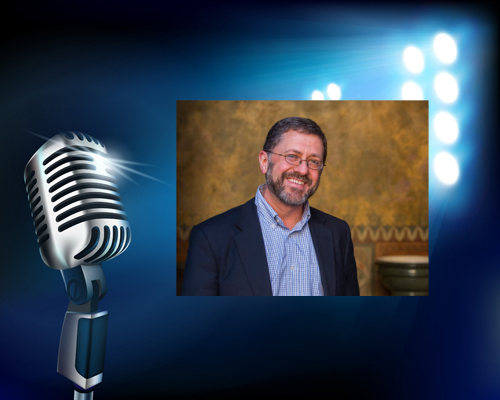
Mike Aquilina is the award-winning author of more than forty books on Catholic history, doctrine, and devotion. His works have been translated into many languages. He has hosted nine television series and several documentary films and is a frequent guest on Catholic radio.
Mike and I recently discussed his book Take Five: On-The-Job Meditations with St. Ignatius
PETE: Work can have a different meaning for everyone based upon their job. Some, like myself, may be working in a factory or some like you may be writing, traveling and speaking. How can your book Take Five: On-The-Job Meditations help workers regardless of work vocation?
MIKE AQUILINA: What we have in common, no matter what kind of work we’re doing, is our purpose. We’re working not just for a paycheck or a promotion. We’re working for the greater glory of God. St. Ignatius never tired of repeating that. The difficulty, of course, is staying mindful of that basic principle all day and every day. The book is designed to help busy people do just that.
PETE: To be honest, and most people will likely agree, work can be a “drag”. How can one apply their Catholic faith to help them get through the “daily grind”?
MIKE AQUILINA: For Christians work is something indisputably good. Adam was placed in the Garden of Eden in order to work it — till it and keep it. And Genesis describes God’s act of creation as his “work.” There’s a crazy idea out there that work is a punishment for sin. But it’s not. It’s a good thing and a godly thing.
It’s made more difficult, though, since the original sin of Adam and Eve. Now, the Book of Genesis tells us, Adam is out of sync with creation, and he has to deal with thorns and thistles. We children of Adam still have to deal with stuff — the thorns of our co-workers sometimes, and also the thistles of our own laziness, self-pity, and bad attitude. Ignatius helps us work through these realities and change what’s in our power to change.
The difficulties will never completely go away. But the cross has changed their value. Now they can be redemptive. We share in Christ’s priesthood, so we can offer them with his body in the Mass. That’s the principal way the laity sanctifies the world, according to the Second Vatican Council — offering it up!
PETE: I get the feeling that the key point behind this book is to make “work” less of a “job”. Was that your intent?
MIKE AQUILINA: I’m not sure I understand the difference. Do you mean less of a burden? Saint Ignatius helps us accomplish that by leading us to change the things we have the power to change. If we improve our attitude, if we struggle against laziness, if we love our co-workers and competitors and rivals unconditionally — and pray for them by name — I think work will be less burdensome for us. Work is our vocation, and it comes from God. He’s our Father, and he doesn’t will our misery. If we’re enduring sorrow for a while, it’s because it’s a necessary precondition of glory. That’s the message of Good Friday and Easter. We revisit those mysteries every day.
PETE: Why did you choose Saint Ignatius’ writings as the foundation for a book on work?
MIKE AQUILINA: My co-author, Father Kris Stubna, studied with the Jesuits in grad school at the Pontifical Gregorian University in Rome. When he was conducting his doctoral research in England, he lived in a Jesuit house. He has a lot of affection for Saint Ignatius, and his enthusiasm is contagious.
PETE: How has your Catholic faith played a role in your own career? Despite the advantages of working a job that allows you to exercise your faith I would assume it still has its days so to speak.
MIKE AQUILINA: I worked in advertising and marketing for many years — for an agency first and then in the tech field. I loved the work. I always felt like I was learning something new. But the challenges are always there. I don’t know how people survive without well-developed Christian habits of mind. I’m talking about forgiveness, charity, understanding, devotion to the Guardian Angels, and (as I said before) “offering it up.” If we have these, we have every advantage — everything we need for a happy life.
PETE: It’s been a while since I asked you this so….time for my signature ending question. This is a blog about books. What books are currently on your bookshelf to read?**
MIKE AQUILINA: Angela Alaimo O’Donnell’s Saint Sinatra and Other Poems and Gary B. Ferngren’s Medicine and Health Care in Early Christianity.
_______________________________________________________________________________
Previous Post

July 24, 2016
We exist because God knows us, Angels: Day 003
Next Post
July 25, 2016 The three kinds of intelligence, Angels: Day 004
Browse Our Archives
Select a Category A Year with Mary A Year with the Angels A Year with the Church Fathers Book News Children's Review Featured CD Giveaway Guest Post Interview Linked Review Media review Movie Review New Releases Off the Shelf Review speakers Teen Review The Clergy Speaks The Laity Speaks The Open Book Podcast Uncategorized
Select a Month October 2018 September 2018 August 2018 July 2018 June 2018 May 2018 April 2018 March 2018 February 2018 January 2018 December 2017 November 2017 October 2017 September 2017 August 2017 July 2017 June 2017 May 2017 April 2017 March 2017 February 2017 January 2017 December 2016 November 2016 October 2016 September 2016 August 2016 July 2016 June 2016 May 2016 April 2016 March 2016 February 2016 January 2016 December 2015 November 2015 October 2015 September 2015 August 2015 July 2015 June 2015 May 2015 April 2015 March 2015 February 2015 January 2015 December 2014 November 2014 October 2014 September 2014 August 2014 July 2014 June 2014 May 2014 April 2014 March 2014 February 2014 January 2014 December 2013 November 2013 October 2013 September 2013 August 2013 July 2013 June 2013 May 2013 April 2013 March 2013 February 2013 January 2013 December 2012 November 2012
Follow Us!
TAKE THE
Religious Wisdom Quiz
Who built two gold calves, leading Israel into idolatry after the split?
Select your answer to see how you score.
Josiah Jeroboam Solomon Rehoboam
Related posts from The Catholic Book Blogger
Learn persuasion from the Lord; Church Fathers: Day...
Pray for conversions; Church Fathers: Day 348
Welcome the straying when they turn back; Church...
Pray for the straying; Church Fathers: Day 346
TRENDING AT PATHEOS Catholic

The Parable Of The Sower And The Word...
One of Christ’s most famous parables is that of the sower who...

Rejecting Doom: Christian Hope And Human Action
Christianity is a religion of hope. We are to have hope and...

Why I Choose the Eucharist Over the Sermon
Choose the Eucharist, Not the Sermon What are we supposed to get...

5 Design Elements Found in Spiritually Rooted Homes
Putting Spirituality Into Home Decor Our homes are more than our living...

Credo: A Story of God Told with the...
About 10 years ago, I began to imagine a personal "Credo" that...

The Anatomy of Divine Revelation in Catholic Thought
The claim that God has made Himself known to human beings is...
view all Catholic blogs
Ad-Free & Subscriber Log-In Subscription Support
- About Us
- 2026 Calendar
- Videos
- Podcasts
- Library of World Religions
- Faith In Media Tracker
- Advertise With Us
- Write for Us
- Privacy Policy
- Terms of Service
- Do Not Sell My Data
- Contact Us
- Radiant Digital
- Manage Newsletter Subscriptions
- Unsubscribe From Notifications
- Sitemap
Copyright 2008-2026, Patheos. All rights reserved.
Subscription Support Ad-Free & Subscriber Log-In
Follow Patheos