
BuddhistCatholicContemplativeEvangelicalGeneral ChristianHinduJewishLatter-day SaintMuslimNew VisionsProgressive Christian
Beliefs
- Buddhist
- Catholic
- Contemplative
- Evangelical
- General Christian
- Hindu
- Jewish
- Latter-day Saint
- More Voices
- Muslim
- New Visions
- Pagan
- Progressive Christian
Topics
- Religion News
- Food and Religion
- Sports and Religion
- Religious Art
- Religious Music and Entertainment
- Religious Events
- History and Religion
- Style and Religion
- Politics and Religion
- Women in Religion
- Recreation Outdoors and Religion
- Business Finance and Religion
- Careers Workplace and Religion
- Education and Religion
- Family Parenting and Religion
- Health Fitness and Religion
- Home and Religion
- Relationships and Religion
- Technology and Religion
- Travel and Religion
Columnists
- Buddhist Columnists
- Business Finance and Religion Columnists
- Careers Workplace and Religion Columnists
- Catholic Columnists
- Contemplative Columnists
- Education and Religion Columnists
- Evangelists Columnists
- Family Parenting and Religion Columnists
- General Christian Columnists
- Health Fitness and Religion Columnists
- Hindu Columnists
- History and Religion Columnists
- Home and Religion Columnists
- Jewish Columnists
- More Voices Columnists
- Latter Day Columnists
- Muslim Columnists
- New Visions Columnists
- Nonreligious Columnists
- Pagan Columnists
- Politics and Religion Columnists
- Progressive Columnists
- Recreation Outdoors and Religion Columnists
- Relationships and Religion Columnists
- Religion News Columnists
- Religious Art Columnists
- Religious Events Columnists
- Religious Music and Entertainment Columnists
- Sports and Religion Columnists
- Style and Religion Columnists
- Technology and Religion Columnists
- Travel and Religion Columnists
- Women in Religion Columnists
Resource Library
- 2026 Calendar
- Library of World Religions
- The 100 Most Holy Places on Earth
- Patheos Answers
- Podcasts
- Videos
- Faith Leaders Database
- Anglican Episcopalian
- Bahai
- Baptist
- Buddhism
- Christianity
- Confucianism
- Eastern Orthodoxy
- Hinduism
- Holiness and Pentecostal
- ISKCON
- Islam
- Judaism
- Lutheran
- Methodist
- The Church of Jesus Christ of Latter-day Saints
- New Age
- Paganism
- Presbytarian and Reformed
- Protestantism
- Religion Behind the Scenes
- Roman Catholic
- Scientology
- Shia Islam
- Sikhism
- Sufism
- Sunni Islam
- Taoism
- Zen
- See all religions
Research Tools
 Ad-Free & Subscriber Log-In Subscription Support
Ad-Free & Subscriber Log-In Subscription Support
Follow Patheos 

- Trending:
- Forgiveness
- |
- Marriage
- |
- Consciousness
- |
- Death Penalty
- |
- Election
- |
- Halloween
 The Catholic Book Blogger
-
More
-
2015 Book Reviews
-
- Home
- Catholic
- CBB interview with Gregory K. Popcak
CBB interview with Gregory K. Popcak
Last updated on: June 1, 2015 at 4:19 am by Pete Socks
CBB interview with Gregory K. Popcak 2015-06-01T04:19:38-05:00 Pete Socks
Patheos Explore the world's faith through different perspectives on religion and spirituality! Patheos has the views of the prevalent religions and spiritualities of the world.
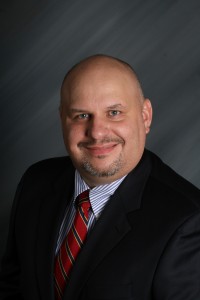 PETE: In your new book Broken Gods you set forth the notion that we are meant to be gods. We have heard it said we are to strive to be saints, but gods? Can you tell us what it means to be a god?
GREGORY K. POPCAK: It sounds blasphemous, doesn’t it? But the Catechism #460 provides the launching point for this book
The Word became flesh to make us “partakers of the divine nature” (2Ptr 1:4): “For this is why the Word became man, and the Son of God became the Son of man: so that man, by entering into communion with the Word and thus receiving divine sonship, might become a son of God” (St Irenaeus). “For the Son of God became man so that we might become God” (St. Athanasius). “The only-begotten Son of God, wanting to make us sharers in his divinity, assumed our nature, so that he, made man, might make men gods” (St. Thomas Aquinas).
That passage presents some spiritual heavy-hitters saying some pretty provocative things! Of course, there is only One God who is all-knowing and all-powerful and, of course, we are not Him. But what these great Fathers of the Church are affirming is the idea that God loves us so much that he doesn’t want to imagine a single moment of eternity without us in it, and because of that he needs to work in us an incredible transformation.
Scripture tells us that “nothing that is unclean can enter the Kingdom of Heaven” (Rev 21:27) but, as we are all too well aware of, we’re nothing BUT unclean. All of us sin. All of us are broken. And we can do no better than this on our own.
So God, first through his incarnation, and then through our participation his sacramental grace, intends to do a work in us so wonderful, so amazing, that we could never even hope to wrap our heads around it. He intends to make us gods (small “g”)–beings who are perfect, and immortal–who can be completely united to him, live with him and be loved by him for all of eternity.
That word “gods” is jarring, but it isn’t my word. It is the word used in Scripture (c.f, Ps 82:6; John 10:34) and chosen universally by the Fathers of the Church to represent God’s plan for our ultimate fulfillment. This process of becoming the god God intends us to be is called, “Divinization” (aka “deification” or “theosis”) by theologians and whether we realize it or not, it is the primary purpose of the Christian life!
Too many Christians spend their lives running from sin, but the Christian is called to do so much more than that. We are called to run toward the divinity God wants to gift us with. Just as the Prodigal Son ran toward the Father wrapped who wrapped his finest cloak around him, we are called to run toward God the Father who wants to wrap his very own divinity around us and make us partakers in his very own divine nature (2 Peter 1:3-4) so that we can live with and be loved by him for all of eternity. That is what it means to become a saint. This is exactly what all the saints, by god’s grace, have done and modeled for us with their lives.
PETE: How did you develop the concept for this book?
GREGORY K. POPCAK: : I suppose it began years ago when I first encountered that passage in the catechism I quoted above. It was so jarring. What could it mean? My prayerful reflection and research ultimately led to the development of this book.
But more than just unpacking this idea of divinization, I wanted to share with readers the process our Christian mystical tradition has discovered for allowing this mysterious transformation to unfold in our lives. I take readers, step-by-step through this process which is both stunningly simple and profoundly life-altering. I think readers will be surprised by what they find, even if they are familiar with these concepts.
PETE: In your research for Broken Gods what was the most surprising thing you found?
GREGORY K. POPCAK: That the pathway to divinization begins with developing a healthy understanding and relationship with our earthly experience of desire. Christians have a tendency to be very suspicious of desire. We know how damaging it can be so we often fear it, ignore it, and try to squelch it. But this impulse is completely antithetical to the Christian path of perfection.
Instead, our Christian mystical tradition teaches us to embrace the divine longings that drive our deepest, and even darkest, desires and to discover how those longings reveal God’s plan for our ultimate fulfillment.
PETE: The concepts behind the book, specifically the seven longings, and our inner desire for a close, personal relationship with our creator are not new concepts. In fact the Church Fathers wrote about these often. How much does your work Broken Gods draw from the early Church?
GREGORY K. POPCAK: I would never have had the courage to write this book if so many other great saints and doctors of the Church had not trod this ground before me. This book represents my attempt to stand on the shoulders of giants and call the attention of the modern world to this incredible and ancient truth that is hidden in plain sight. All of the parts of the book that explain the concept of divinization and the process by which we are transformed through God’s grace into the perfect an immoral beings–the gods–God intends us to be are drawn from the writings of the Fathers.
The parts of the book that are novel, however, are two-fold. First, while many other spiritual writers have spoken generically about divine longings that drive our desires, Broken Gods is the first book to attempt to identify those universal longings by name, and to help the reader begin to understand what specific longings are driving the sins and failings that take so much of our time, effort and energy. I think that readers will be struck by how both universal and personal these longings truly are.
Secondly, drawing from the example of Pope St John Paul the Great’s Theology of the Body, which tells us that the prayerful contemplation of our bodies can reveal important lessons about God’s plan for our life and relationships. Broken Gods explores the lessons brain science and psychology can teach us about how to cooperate more efficiently with God’s plan for our perfection in grace. Too often, our efforts to cooperate with God’s plan for our ultimate fulfillment is marred by our struggles with self-hatred, crushing guilt, frustration, and a compulsive relationship with our besetting sins. Broken Gods shows how we can get past these obstacles more efficiently and allow cooperate with God’s grace more perfectly so that the parts of ourselves we like the least can become the engines that drive our ultimate perfection in Christ.
PETE: What is your greatest hope for Broken Gods?
GREGORY K. POPCAK: That people will come to a new appreciation of the degree to which God loves them. That readers will discover that God loves them so much that he can’t even imagine spending a moment of eternity without them and how that very ache in God’s heart for us drives him to go to incredible lengths to satisfy the ache in our hearts for a love that will never fail us.
PETE: Time for my signature ending question. This is a blog about books. What is currently on your bookshelf to read?
GREGORY K. POPCAK: I try to keep a professional book and a personal book going at all times. So, right now I’m reading Families and Faith a book by sociologist Vern Bengtson that looks at the latest research on what it takes to pass faith on to our children. I am also a sucker for mysteries, so I am reading Ian Caldwell’s The Fifth Gospel, which is story about a murder that exposes an ill-fated attempt to try to bring an end to the Great Schism.
Dr. Greg Popcak is the author of almost 20 books, including Broken Gods: Hope, Healing, and the Seven Longings of the Human Heart. He directs the Pastoral Solutions Institute which provides tele-counseling services to Catholics around the world. Learn more at www.CatholicCounselors.com
_____________________________________________________________________________________________________
Other books by this author:
God Help Me! This Stress Is Driving Me Crazy!: Finding Balance Through God’s Grace
Beyond the Birds and the Bees


Previous Post

June 1, 2015
Church Fathers, Day 315: Aphrahat says live like a visitor to this world
Browse Our Archives
Select a Category A Year with Mary A Year with the Angels A Year with the Church Fathers Book News Children's Review Featured CD Giveaway Guest Post Interview Linked Review Media review Movie Review New Releases Off the Shelf Review speakers Teen Review The Clergy Speaks The Laity Speaks The Open Book Podcast Uncategorized
Select a Month October 2018 September 2018 August 2018 July 2018 June 2018 May 2018 April 2018 March 2018 February 2018 January 2018 December 2017 November 2017 October 2017 September 2017 August 2017 July 2017 June 2017 May 2017 April 2017 March 2017 February 2017 January 2017 December 2016 November 2016 October 2016 September 2016 August 2016 July 2016 June 2016 May 2016 April 2016 March 2016 February 2016 January 2016 December 2015 November 2015 October 2015 September 2015 August 2015 July 2015 June 2015 May 2015 April 2015 March 2015 February 2015 January 2015 December 2014 November 2014 October 2014 September 2014 August 2014 July 2014 June 2014 May 2014 April 2014 March 2014 February 2014 January 2014 December 2013 November 2013 October 2013 September 2013 August 2013 July 2013 June 2013 May 2013 April 2013 March 2013 February 2013 January 2013 December 2012 November 2012
Follow Us!
TAKE THE
Religious Wisdom Quiz
True or False: In Mark, Jesus healed a man with a withered hand on the Sabbath, which angered the Pharisees.
Select your answer to see how you score.
TRUE FALSE
Related posts from The Catholic Book Blogger

How men can reclaim their lives for Christ...

CBB Interview with Sonja Corbitt
TRENDING AT PATHEOS Catholic

The Parable Of The Sower And The Word...
One of Christ’s most famous parables is that of the sower who...

Rejecting Doom: Christian Hope And Human Action
Christianity is a religion of hope. We are to have hope and...

Why I Choose the Eucharist Over the Sermon
Choose the Eucharist, Not the Sermon What are we supposed to get...

5 Design Elements Found in Spiritually Rooted Homes
Putting Spirituality Into Home Decor Our homes are more than our living...

Credo: A Story of God Told with the...
About 10 years ago, I began to imagine a personal "Credo" that...

The Anatomy of Divine Revelation in Catholic Thought
The claim that God has made Himself known to human beings is...
view all Catholic blogs
Ad-Free & Subscriber Log-In Subscription Support
- About Us
- 2026 Calendar
- Videos
- Podcasts
- Library of World Religions
- Faith In Media Tracker
- Advertise With Us
- Write for Us
- Privacy Policy
- Terms of Service
- Do Not Sell My Data
- Contact Us
- Radiant Digital
- Manage Newsletter Subscriptions
- Unsubscribe From Notifications
- Sitemap
Copyright 2008-2026, Patheos. All rights reserved.
Subscription Support Ad-Free & Subscriber Log-In
Follow Patheos