
BuddhistCatholicContemplativeEvangelicalGeneral ChristianHinduJewishLatter-day SaintMuslimNew VisionsProgressive Christian
Beliefs
- Buddhist
- Catholic
- Contemplative
- Evangelical
- General Christian
- Hindu
- Jewish
- Latter-day Saint
- More Voices
- Muslim
- New Visions
- Pagan
- Progressive Christian
Topics
- Religion News
- Food and Religion
- Sports and Religion
- Religious Art
- Religious Music and Entertainment
- Religious Events
- History and Religion
- Style and Religion
- Politics and Religion
- Women in Religion
- Recreation Outdoors and Religion
- Business Finance and Religion
- Careers Workplace and Religion
- Education and Religion
- Family Parenting and Religion
- Health Fitness and Religion
- Home and Religion
- Relationships and Religion
- Technology and Religion
- Travel and Religion
Columnists
- Buddhist Columnists
- Business Finance and Religion Columnists
- Careers Workplace and Religion Columnists
- Catholic Columnists
- Contemplative Columnists
- Education and Religion Columnists
- Evangelists Columnists
- Family Parenting and Religion Columnists
- General Christian Columnists
- Health Fitness and Religion Columnists
- Hindu Columnists
- History and Religion Columnists
- Home and Religion Columnists
- Jewish Columnists
- More Voices Columnists
- Latter Day Columnists
- Muslim Columnists
- New Visions Columnists
- Nonreligious Columnists
- Pagan Columnists
- Politics and Religion Columnists
- Progressive Columnists
- Recreation Outdoors and Religion Columnists
- Relationships and Religion Columnists
- Religion News Columnists
- Religious Art Columnists
- Religious Events Columnists
- Religious Music and Entertainment Columnists
- Sports and Religion Columnists
- Style and Religion Columnists
- Technology and Religion Columnists
- Travel and Religion Columnists
- Women in Religion Columnists
Resource Library
- 2026 Calendar
- Library of World Religions
- The 100 Most Holy Places on Earth
- Patheos Answers
- Podcasts
- Videos
- Faith Leaders Database
- Anglican Episcopalian
- Bahai
- Baptist
- Buddhism
- Christianity
- Confucianism
- Eastern Orthodoxy
- Hinduism
- Holiness and Pentecostal
- ISKCON
- Islam
- Judaism
- Lutheran
- Methodist
- The Church of Jesus Christ of Latter-day Saints
- New Age
- Paganism
- Presbytarian and Reformed
- Protestantism
- Religion Behind the Scenes
- Roman Catholic
- Scientology
- Shia Islam
- Sikhism
- Sufism
- Sunni Islam
- Taoism
- Zen
- See all religions
Research Tools
 Ad-Free & Subscriber Log-In Subscription Support
Ad-Free & Subscriber Log-In Subscription Support
Follow Patheos 

- Trending:
- Forgiveness
- |
- Marriage
- |
- Consciousness
- |
- Death Penalty
- |
- Election
- |
- Halloween
 Catholic Authenticity
-
Categories
- Home
- Catholic
- What is Gender Dysphoria?
What is Gender Dysphoria?
Last updated on: September 18, 2015 at 3:15 pm by Melinda Selmys
What is Gender Dysphoria? 2015-09-18T15:15:36-04:00 Melinda Selmys
Patheos Explore the world's faith through different perspectives on religion and spirituality! Patheos has the views of the prevalent religions and spiritualities of the world.
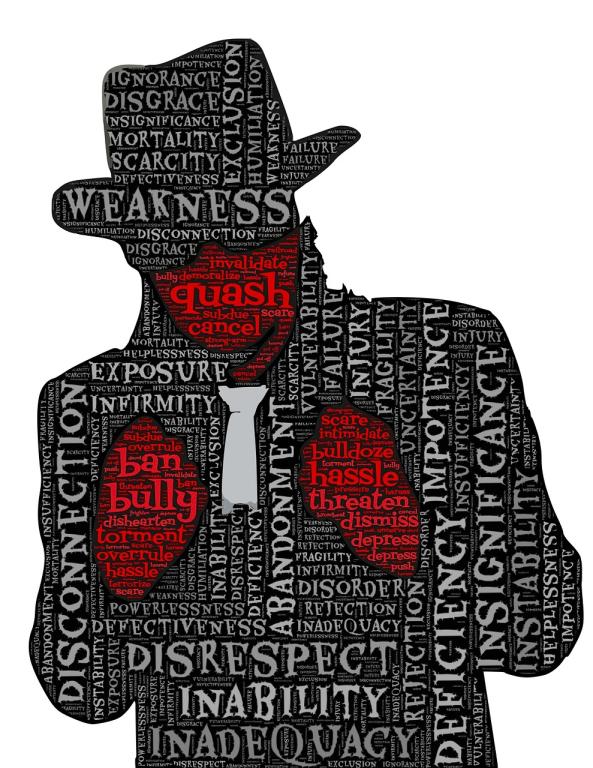
I talked last time about how sexual identities – male and female – arise out of a complex interplay between sexual biology and cultural ideas about gender, and I promised to talk about how that relates to transgender identities and to gender dysphoria.
Gender dysphoria may be a new term for some reader so I’ll start by defining it. Simply put, gender dysphoria is a feeling of alienation from, discomfort with, or lack of identification with one’s reproductive or apparent sex. That can take a variety of forms. For some people the problem is quite literally with gender: they don’t have a problem with their reproductive biology, and may be quite happy to father/mother children, but they find it unbearable to try to conform to the gender expectations associated with their sex. I’m not talking here about women who feel a little tomboyish, or guys who don’t fit the “macho man” mould, I’m talking about people who feel out of place or artificial when they’re performing really basic gendered behaviours – like putting on “men’s” or “women’s” clothes, or presenting themselves in public as a woman or as a man.
Others experience a condition often called “sex dysphoria” where they feel that the sexual characteristics of their body are wrong. This can be really incredibly painful. For example, one trans woman that I know describes feeling like she is supposed to have a womb when in fact she doesn’t: “I found myself curled up in fetal position on my bed, sobbing hysterically and clutching my abdomen as if it were on fire and also a black hole, like there was a space there, a void. The death of all possibility and the death of all potential in me for life. Feeling like where there should be something positive there’s a negation.” Trans men may describe something almost like phantom limb syndrome – a feeling that a penis is part of their internal body-map, but not a part of their actual physical body. For others it’s simply a persistent feeling that the existing characteristics of the body (breasts, penis, facial hair, etc.) don’t belong, as if they’re not supposed to be there.
Now, if you’ve never experienced any of these things, probably they sound a little crazy. And that is the reaction that a lot of cis people (cis is short for cisgender and it just means “people who are not trans and/or genderqueer.”) Some will try to sympathize by saying “Well, sometimes I feel uncomfortable with gender expectations, and I find them restrictive,” or “I have parts of my body that I don’t like.” That is a good first step – it’s a move towards sympathy and compassion – but if you stop there it’s kine of like someone saying to a cancer patient “Oh, yes, I think I can understand your pain because one time I had my wisdom teeth out.”
So if you’re a woman, and you’ve had the experience of feeling really fake and restricted, say, when wearing women’s formal clothing, you might take that experience and imagine what it would be like if that’s how you felt all the time whenever anyone interacted with you as a woman. Or if you’re a guy and you’ve felt weird, isolated and alienated from your peers at sporting events, imagine feeling that way every you time you talk to other men or go to use a public toilet. If you’re someone who has never had the feeling of being uncomfortable with your gender… then this is probably just going to be hard to relate to.
The easy out is to say “All right, so trans people are crazy.” The problem is that the word “crazy” is being used here as a weapon. Most of the time, when I see people charging trans women with mental illness, they don’t really mean “We should have the same compassion and love for these people that we have for those who are suffering with severe depression or Stockholm Syndrome.” They mean, “We should just dismiss these people. Bunch of whackos.” People don’t generally get upset when folks raise awareness of bipolar syndrome, or help kids who are dealing PTSD understand what they’re feeling. If someone feels disgusted by a person who is mentally ill, they generally know this feeling is problematic – that it’s something they need to work on. Yet when trans people are accused of being mentally ill, the intent is very often to invoke the stigma associated with mental illness in order to belittle their experience.
It is possible that gender dysphoria can be a psychological response to some kind of gender or sexual trauma – or at least it’s possible that this is sometimes the case. I’ve encountered detransitioning women (that is, women who identified as trans men, began taking testosterone, and then realized that their fundamental sexual identity is female) who ascribe their gender dysphoria very specifically to gender-based trauma within patriarchal systems, or to direct experiences of male violence or rape. Those women are probably correct about their own experience – though I don’t think that their experience can be applied with broad brush to trans people, or even trans men, generally. In any case, the proper response to people who are mentally ill as a result of trauma is not to publicly denounce them, bully them, blame them, exclude them or otherwise dehumanize them. Psychological conditions are not voluntary: they’re not ideological errors, bad choices, or sins. People who are coping with trauma did not choose to be traumatized, and loudly condemning or deriding their coping mechanisms will only make the trauma worse. If trans conditions are psychological in origin, then we really ought to be redoubling our efforts to provide trans people with the social, emotional and spiritual support that they need in order to heal.
I do not think, however, that psychological explanations are sufficient to account for all experiences of gender dysphoria. Nor is there a good reason why Christians should reject the possibility that biological or neurological factors play a significant role. Next time, we’ll talk about gender and the body, and why I think trans experience may have its roots in the biology of sex.
Photo credit: Pixabay
Previous Post

July 19, 2015
SEX!!! (and gender)
Next Post

July 20, 2015 Abortion: A Man's Choice
Browse Our Archives
Select a Category Abuse Beauty Charity Chastity Current Events Faith Family Feminism Fiction Humility Humour Identity Justice Perseverence Philosophy Poverty Sexuality trauma Uncategorized Virtues Wombats
Select a Month February 2020 November 2019 October 2019 August 2019 July 2019 June 2019 May 2019 April 2019 March 2019 February 2019 October 2018 September 2018 August 2018 July 2018 June 2018 May 2018 April 2018 March 2018 February 2018 January 2018 December 2017 November 2017 October 2017 September 2017 August 2017 July 2017 June 2017 May 2017 April 2017 March 2017 February 2017 January 2017 December 2016 November 2016 October 2016 September 2016 August 2016 July 2016 June 2016 May 2016 April 2016 March 2016 February 2016 January 2016 December 2015 November 2015 October 2015 September 2015 August 2015 July 2015 June 2015
Follow Us!
TAKE THE
Religious Wisdom Quiz
I am twelve men sent to explore the Promised Land, but only two gave a good report. Who are we?
Select your answer to see how you score.
Explorers The twelve spies Leaders of Israel Messengers
Books by This Author Books by Melinda Selmys
Support this
Column


Related posts from Catholic Authenticity

Sex Positive: How I Learned To Stop Worrying...


A Biblical Account of Toxic Femininity

TRENDING AT PATHEOS Catholic

Rejecting Doom: Christian Hope And Human Action
Christianity is a religion of hope. We are to have hope and...

It’s What Comes From Within Which Matters
One of the most difficult things for us to understand is why...

Why I Choose the Eucharist Over the Sermon
Choose the Eucharist, Not the Sermon What are we supposed to get...

5 Design Elements Found in Spiritually Rooted Homes
Putting Spirituality Into Home Decor Our homes are more than our living...

Credo: A Story of God Told with the...
About 10 years ago, I began to imagine a personal "Credo" that...

The Anatomy of Divine Revelation in Catholic Thought
The claim that God has made Himself known to human beings is...
view all Catholic blogs
Ad-Free & Subscriber Log-In Subscription Support
- About Us
- 2026 Calendar
- Videos
- Podcasts
- Library of World Religions
- Faith In Media Tracker
- Advertise With Us
- Write for Us
- Privacy Policy
- Terms of Service
- Do Not Sell My Data
- Contact Us
- Radiant Digital
- Manage Newsletter Subscriptions
- Unsubscribe From Notifications
- Sitemap
Copyright 2008-2026, Patheos. All rights reserved.
Subscription Support Ad-Free & Subscriber Log-In
Follow Patheos