
BuddhistCatholicContemplativeEvangelicalGeneral ChristianHinduJewishLatter-day SaintMuslimNew VisionsProgressive Christian
Beliefs
- Buddhist
- Catholic
- Contemplative
- Evangelical
- General Christian
- Hindu
- Jewish
- Latter-day Saint
- More Voices
- Muslim
- New Visions
- Pagan
- Progressive Christian
Topics
- Religion News
- Food and Religion
- Sports and Religion
- Religious Art
- Religious Music and Entertainment
- Religious Events
- History and Religion
- Style and Religion
- Politics and Religion
- Women in Religion
- Recreation Outdoors and Religion
- Business Finance and Religion
- Careers Workplace and Religion
- Education and Religion
- Family Parenting and Religion
- Health Fitness and Religion
- Home and Religion
- Relationships and Religion
- Technology and Religion
- Travel and Religion
Columnists
- Buddhist Columnists
- Business Finance and Religion Columnists
- Careers Workplace and Religion Columnists
- Catholic Columnists
- Contemplative Columnists
- Education and Religion Columnists
- Evangelists Columnists
- Family Parenting and Religion Columnists
- General Christian Columnists
- Health Fitness and Religion Columnists
- Hindu Columnists
- History and Religion Columnists
- Home and Religion Columnists
- Jewish Columnists
- More Voices Columnists
- Latter Day Columnists
- Muslim Columnists
- New Visions Columnists
- Nonreligious Columnists
- Pagan Columnists
- Politics and Religion Columnists
- Progressive Columnists
- Recreation Outdoors and Religion Columnists
- Relationships and Religion Columnists
- Religion News Columnists
- Religious Art Columnists
- Religious Events Columnists
- Religious Music and Entertainment Columnists
- Sports and Religion Columnists
- Style and Religion Columnists
- Technology and Religion Columnists
- Travel and Religion Columnists
- Women in Religion Columnists
Resource Library
- 2026 Calendar
- Library of World Religions
- The 100 Most Holy Places on Earth
- Patheos Answers
- Podcasts
- Videos
- Faith Leaders Database
- Anglican Episcopalian
- Bahai
- Baptist
- Buddhism
- Christianity
- Confucianism
- Eastern Orthodoxy
- Hinduism
- Holiness and Pentecostal
- ISKCON
- Islam
- Judaism
- Lutheran
- Methodist
- The Church of Jesus Christ of Latter-day Saints
- New Age
- Paganism
- Presbytarian and Reformed
- Protestantism
- Religion Behind the Scenes
- Roman Catholic
- Scientology
- Shia Islam
- Sikhism
- Sufism
- Sunni Islam
- Taoism
- Zen
- See all religions
Research Tools
 Ad-Free & Subscriber Log-In Subscription Support
Ad-Free & Subscriber Log-In Subscription Support
Follow Patheos 

- Trending:
- Forgiveness
- |
- Marriage
- |
- Consciousness
- |
- Death Penalty
- |
- Election
- |
- Halloween
 Catholic Authenticity
-
Categories
- Home
- Catholic
- Gold Standard
Gold Standard
Last updated on: September 18, 2015 at 2:34 pm by Melinda Selmys
Gold Standard 2015-09-18T14:34:24-04:00 Melinda Selmys
Patheos Explore the world's faith through different perspectives on religion and spirituality! Patheos has the views of the prevalent religions and spiritualities of the world.
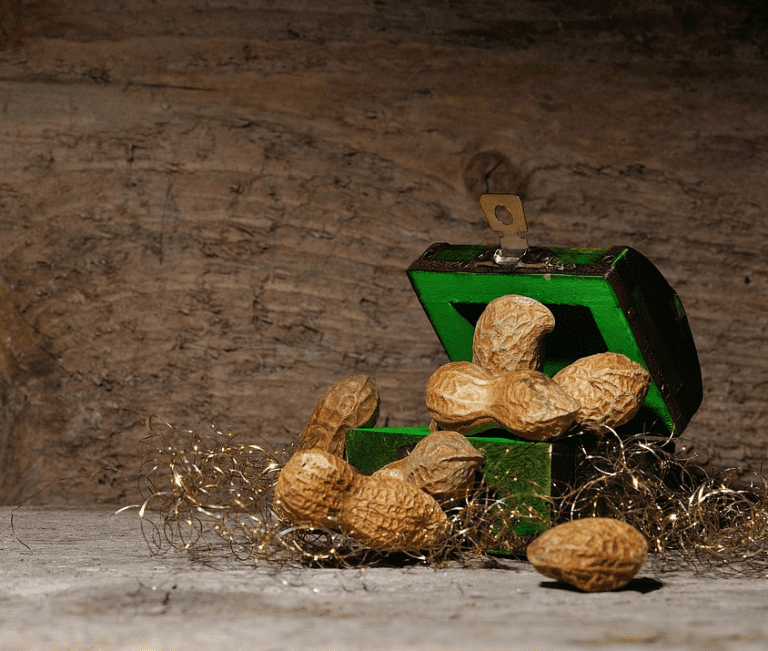
The universal wisdom of the world is that one of the things which every man ought to do in order to secure his life against financial loss is to hoard up money for himself. Once upon a time this was done rather romantically: people would put their gold into chests, and they would bury the chests in secret places in the ground. Eventually, if they felt sufficiently poor, they would go out and dig the chests up. “A strange madness, that,” said St. Basil the Great, “when gold lies hidden with other metals, one ransacks the earth; but after it has seen the light of day, it disappears again beneath the ground. From this, I perceive, it happens to you that in burying your money you bury also your heart. ‘For where your treasure is,’ it is said, ‘there will your heart be also’ (Matt 6:21).”
People today generally don’t bury gold. Money is no longer made of precious metals, but of numbers in computers, so people bury their wealth in banks where they hope that it will remain, waiting to be dug up in a time of need. Christ warns against this practice: “There was once a rich man who, having had a good harvest from his land, thought to himself, ‘What am I to do? I have not enough room to store my crops.’ Then he said, ‘This is what I will do. I will pull down my barns and build bigger ones, and store all my grain and my goods in them, and I will say to my soul: My soul, you have plenty of good things laid by for many years to come; take things easy, eat, drink, have a good time.’ But God said to him, ‘Fool! This very night the demand will be made for your soul; and this hoard of yours, whose will it be then?’ So it is when a man stores up treasure for himself in place of making himself rich in the sight of God” (Luke 12:16-21).
Surely this can’t be right. The man in this parable has acted very sensibly and prudently: he has put away a little nest egg and made preparation for the future. Surely Christ is only saying that this is problematic because the man is self-satisfied. He’s not saying that we shouldn’t provide for the future in case of difficulties that may arise.
On the contrary, the excess goods that I have now are things which someone else needs. If I keep those things because I might need them later, then I am keeping them back from their proper owners.
Christian social teaching is difficult because it involves trusting in an invisible hand, not the invisible hand of the marketplace, but the invisible hand of providence. “Give, and there will be gifts for you: a full measure, pressed down, shaken together, and running over, will be poured into your lap” (Luke 6:38). If I keep my riches close to me, buried in the ground, invested in the bank, or cleverly concealed behind the wallpaper in my living room, then I know where they are when I need them. If I send my wealth out into the world, for all I know it will never come back. There is nothing certain, nothing guaranteed, just some abstract theological principle.
The abstract theological principle is a promise made by God. The problem that people have with Christ’s hard sayings about money is that Christ seems to be under the impression that God is more trustworthy than the bank. It’s one thing to go to church and talk about believing in Jesus, to take Pascal’s wager and put down a few chips on God to make sure that if the big gamble pays off you’ll be collecting dividends in Heaven. It’s another thing to bet everything you have on the Big Invisible Man in the Sky. You could get burned. You could give and give and give out of the store of your riches and end up poor and unprovided for if it turns out that God doesn’t exist.
Unfortunately, God is not interested in the faith of those who hedge their bets. This is why Christ is so worried about the salvation of the rich: “I tell you solemnly, it will be hard for a rich man to enter the kingdom of heaven. Yes, I tell you again, it is easier for a camel to pass through the eye of a needle than for a rich man to enter the kingdom of heaven” (Matt 19:23-24). This saying astonished the disciples, who were poor. It ought to astonish us. Most of us are rich. We’d better wonder why it is that it’s going to be easier for a camel to go through the eye of a needle than it will be for us to get into heaven. Fortunately, Christ gives the answer: “For men…this is impossible; for God everything is possible” (Matt 19:26). For a rich person to get into heaven he must have real, concrete faith: he must really believe that God is able to do the impossible.
Giving to those who have been generous is not impossible. It’s not even difficult. People who regularly send gifts and goods out into the world, who make it their primary business to provide for the needs of the poor instead of worrying about their own future needs, do not go unrewarded. They draw to themselves communities: family, friends, church, neighbours. People will come forward to help those who have helped them. They will even come forward to help those who have not helped them personally, but who are known to have helped others. If people, who are evil, are able to do this, then how much more will God provide for those who have cared for His little ones?
Excerpted from Slave of Two Masters
Photo credit: Pixabay
Previous Post

July 1, 2015
The Gay Roman Emperor Gene
Next Post
July 1, 2015 Fiat Currency
Browse Our Archives
Select a Category Abuse Beauty Charity Chastity Current Events Faith Family Feminism Fiction Humility Humour Identity Justice Perseverence Philosophy Poverty Sexuality trauma Uncategorized Virtues Wombats
Select a Month February 2020 November 2019 October 2019 August 2019 July 2019 June 2019 May 2019 April 2019 March 2019 February 2019 October 2018 September 2018 August 2018 July 2018 June 2018 May 2018 April 2018 March 2018 February 2018 January 2018 December 2017 November 2017 October 2017 September 2017 August 2017 July 2017 June 2017 May 2017 April 2017 March 2017 February 2017 January 2017 December 2016 November 2016 October 2016 September 2016 August 2016 July 2016 June 2016 May 2016 April 2016 March 2016 February 2016 January 2016 December 2015 November 2015 October 2015 September 2015 August 2015 July 2015 June 2015
Follow Us!
TAKE THE
Religious Wisdom Quiz
True or False: Moses was hidden in a basket among the reeds of the Nile River as a baby.
Select your answer to see how you score.
TRUE FALSE
Books by This Author Books by Melinda Selmys
Support this
Column


Related posts from Catholic Authenticity

Is It A Sin to be Scandalized by...
Humanae Vitae, What Have You Wrought?

Privilege Does Not Mean You Are Bad
TRENDING AT PATHEOS Catholic

Rejecting Doom: Christian Hope And Human Action
Christianity is a religion of hope. We are to have hope and...

It’s What Comes From Within Which Matters
One of the most difficult things for us to understand is why...

Why I Choose the Eucharist Over the Sermon
Choose the Eucharist, Not the Sermon What are we supposed to get...

5 Design Elements Found in Spiritually Rooted Homes
Putting Spirituality Into Home Decor Our homes are more than our living...

Credo: A Story of God Told with the...
About 10 years ago, I began to imagine a personal "Credo" that...

The Anatomy of Divine Revelation in Catholic Thought
The claim that God has made Himself known to human beings is...
view all Catholic blogs
Ad-Free & Subscriber Log-In Subscription Support
- About Us
- 2026 Calendar
- Videos
- Podcasts
- Library of World Religions
- Faith In Media Tracker
- Advertise With Us
- Write for Us
- Privacy Policy
- Terms of Service
- Do Not Sell My Data
- Contact Us
- Radiant Digital
- Manage Newsletter Subscriptions
- Unsubscribe From Notifications
- Sitemap
Copyright 2008-2026, Patheos. All rights reserved.
Subscription Support Ad-Free & Subscriber Log-In
Follow Patheos