
BuddhistCatholicContemplativeEvangelicalGeneral ChristianHinduJewishLatter-day SaintMuslimNew VisionsProgressive Christian
Beliefs
- Buddhist
- Catholic
- Contemplative
- Evangelical
- General Christian
- Hindu
- Jewish
- Latter-day Saint
- More Voices
- Muslim
- New Visions
- Pagan
- Progressive Christian
Topics
- Religion News
- Food and Religion
- Sports and Religion
- Religious Art
- Religious Music and Entertainment
- Religious Events
- History and Religion
- Style and Religion
- Politics and Religion
- Women in Religion
- Recreation Outdoors and Religion
- Business Finance and Religion
- Careers Workplace and Religion
- Education and Religion
- Family Parenting and Religion
- Health Fitness and Religion
- Home and Religion
- Relationships and Religion
- Technology and Religion
- Travel and Religion
Columnists
- Buddhist Columnists
- Business Finance and Religion Columnists
- Careers Workplace and Religion Columnists
- Catholic Columnists
- Contemplative Columnists
- Education and Religion Columnists
- Evangelists Columnists
- Family Parenting and Religion Columnists
- General Christian Columnists
- Health Fitness and Religion Columnists
- Hindu Columnists
- History and Religion Columnists
- Home and Religion Columnists
- Jewish Columnists
- More Voices Columnists
- Latter Day Columnists
- Muslim Columnists
- New Visions Columnists
- Nonreligious Columnists
- Pagan Columnists
- Politics and Religion Columnists
- Progressive Columnists
- Recreation Outdoors and Religion Columnists
- Relationships and Religion Columnists
- Religion News Columnists
- Religious Art Columnists
- Religious Events Columnists
- Religious Music and Entertainment Columnists
- Sports and Religion Columnists
- Style and Religion Columnists
- Technology and Religion Columnists
- Travel and Religion Columnists
- Women in Religion Columnists
Resource Library
- 2026 Calendar
- Library of World Religions
- The 100 Most Holy Places on Earth
- Patheos Answers
- Podcasts
- Videos
- Faith Leaders Database
- Anglican Episcopalian
- Bahai
- Baptist
- Buddhism
- Christianity
- Confucianism
- Eastern Orthodoxy
- Hinduism
- Holiness and Pentecostal
- ISKCON
- Islam
- Judaism
- Lutheran
- Methodist
- The Church of Jesus Christ of Latter-day Saints
- New Age
- Paganism
- Presbytarian and Reformed
- Protestantism
- Religion Behind the Scenes
- Roman Catholic
- Scientology
- Shia Islam
- Sikhism
- Sufism
- Sunni Islam
- Taoism
- Zen
- See all religions
Research Tools
 Ad-Free & Subscriber Log-In Subscription Support
Ad-Free & Subscriber Log-In Subscription Support
Follow Patheos 

- Trending:
- Forgiveness
- |
- Marriage
- |
- Consciousness
- |
- Death Penalty
- |
- Election
- |
- Halloween
 Caryn Riswold
- Home
- Progressive Christian
- At the Intersections: A Quota of Home, A Colonized Name
At the Intersections: A Quota of Home, A Colonized Name
Last updated on: March 13, 2015 at 10:30 am by Caryn Riswold
At the Intersections: A Quota of Home, A Colonized Name 2015-03-13T10:30:22-06:00 Caryn Riswold
Patheos Explore the world's faith through different perspectives on religion and spirituality! Patheos has the views of the prevalent religions and spiritualities of the world.
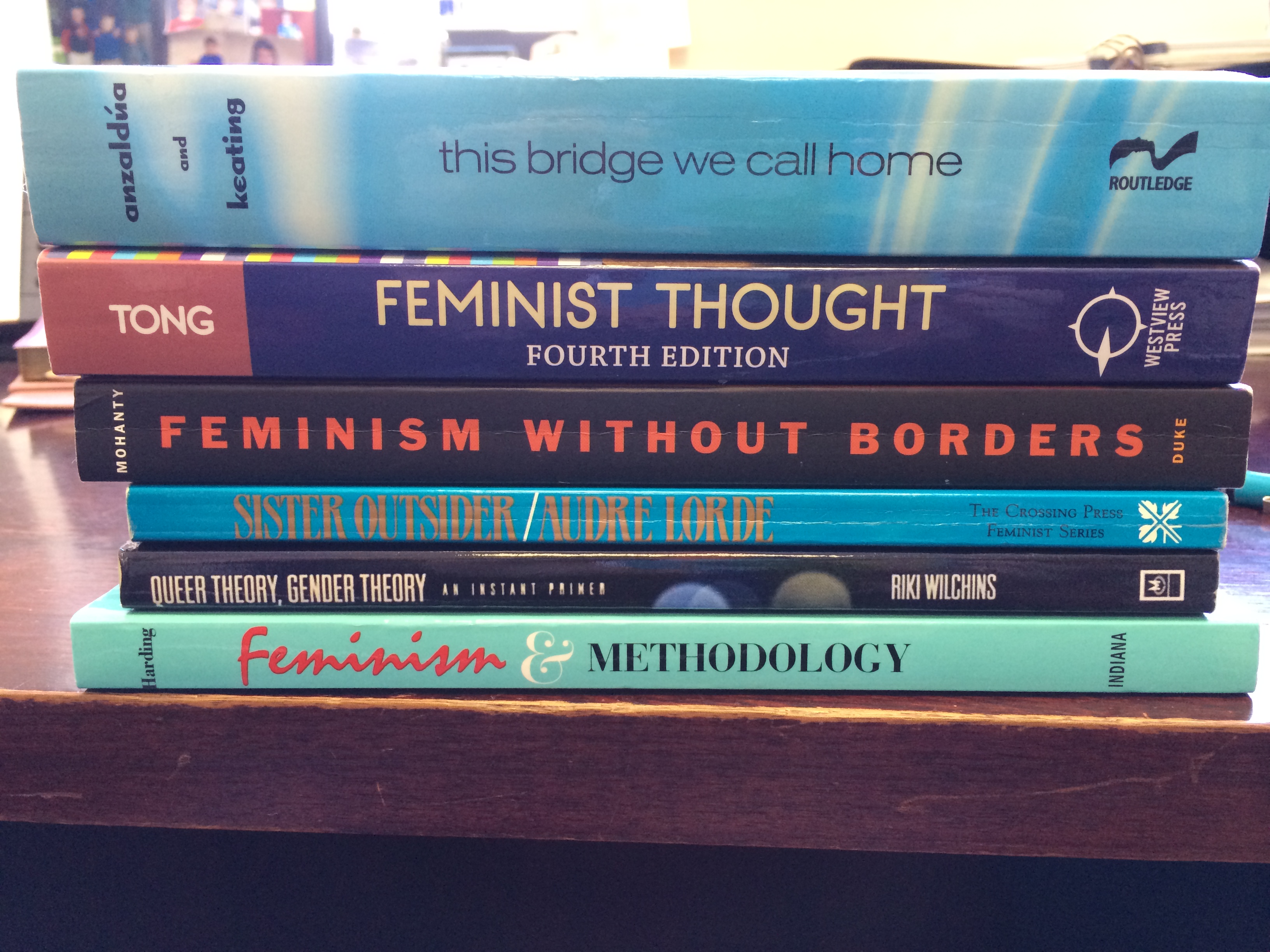 Many good people live and work at the intersections, and I occasionally invite someone to tell a story from where they stand. Today’s piece comes from Nisreen Zaqout, who is a junior at Illinois College majoring in Gender and Women’s Studies and Economics. After graduating, she plans to work on a graduate degree in Gender Studies focusing on the Middle East. Nisreen wants to pursue a career that encourages women in Palestine to gain political presence. She enjoys reading, and her favorite writer is Fyodor Dostoyevsky.
Nisreen is a student in my feminist theory class this semester, and this is the second of two pieces I will feature here written by students in that class. We began the semester discussing a range of feminist theories, including the work of Chandra Mohanty and Audre Lorde. After working through This Bridge We Call Home, I invited the students to write a creative essay synthesizing theory with their own experience, as if they were invited to contribute to another Bridge anthology.
Here’s Nisreen’s story.
I wake up —
Out of place, lost, tired;
Foreign smells I can’t recognize.
I can’t hear any singing.
I strain my ears, but fail to even make out distant voices.
The cloud of familiar smoke is missing.
I walk out and walk back in.
But the smells and sounds of home are still missing from the in-between.
So, I set a list of daily to-dos, a quota of home for my days, for my sanity.
- Read a book that talks about/discusses Arabic literature/culture/ is written in Arabic.
- Listen to 4 Arabic songs per day.
- Watch at least 1 new Arabic show every 2 months.
- Smell the last bit of Arabic coffee you have left when homesickness strikes.
- Read Darwish every once in a while, just enough to remember Grandpa, so not to miss him.
The fear of losing home is so real, so strong, I find myself following that list religiously. And with it, my sanity hangs on and the black hole of nothing stays closed for another day.
But I don’t know. Lately, it’s different.
The list won’t keep the black hole of blinding white nothing closed. It’s as if my brain has been re-trained, tricked to giving in to the illusion of inclusiveness.
*
 I heard my Dad’s voice calling my name from the next room.
He told me to hurry up or I’d have to wait for 2 hours in line. If I wanted my ID card, I better get in the car.
The drive was mostly silent, interrupted only by instances when Dad felt the need to lower his window to express his discontent with “people who couldn’t drive but still do anyway.”
“So, now I can run away from home and you can’t demand that I come back?” I said sarcastically.
“Where are you gonna run away to?” he asked.
“Out of here,” I said.
“No matter what roads you take, they’ll bring you back home,” he said.
“Cheesy,” I said. “I don’t think that’s true, I’ll come back whenever I want.”
“Now, that’s just overly unrealistic,” he said.
We stopped, walked in. I signed some papers, took a photo, and we walked out.
My dad handed me my ID, “Here you go, run away. It’s now or never,” he said.
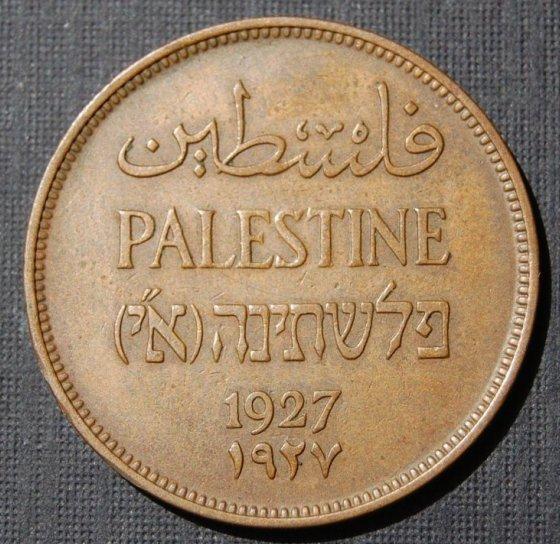
I laughed. I looked at my ID card, opened it, and there was my name in Arabic.
And Hebrew.
“Oh, Hebrew.” I said.
“Surprised?” he asked sarcastically.
I stared at it all the way back. Seeing Hebrew on my family’s official documents never really bothered me. But seeing it on my own ID card did. It was personal. I wanted my name in Arabic and just Arabic. It doesn’t do me any good written in Hebrew. I don’t understand it. I don’t want to.
And I realized, even my name – the most outward marker of my identity, had also been colonized.
The land, the culture, the people weren’t enough. They also needed to colonize me. On paper too.
Coin image via wikimedia commons.

Previous Post
March 6, 2015
At the Intersections: I Remember
Next Post

March 26, 2015 Vocation at the Intersection of Self & World
Browse Our Archives
Select a Category Abortion At the Intersections Atheism Christianity Contraception Education Feminism Gender Getting Theological Honorable Mention Islam LGBT News Our Voices Race Uncategorized
Select a Month July 2017 June 2017 May 2017 March 2017 February 2017 January 2017 August 2016 July 2016 June 2016 May 2016 April 2016 March 2016 February 2016 January 2016 December 2015 November 2015 October 2015 September 2015 August 2015 July 2015 June 2015 May 2015 April 2015 March 2015 February 2015 January 2015 December 2014 November 2014 October 2014 September 2014 August 2014 July 2014 June 2014 May 2014 April 2014 March 2014 February 2014 January 2014 December 2013 November 2013 October 2013 September 2013 August 2013 July 2013 June 2013 May 2013 April 2013 March 2013 February 2013 January 2013 December 2012 November 2012 October 2012 September 2012 August 2012 July 2012
Follow Us!
TAKE THE
Religious Wisdom Quiz
Which principle does the "Golden Rule" teach?
Select your answer to see how you score.
Rest on the Sabbath Spread the Gospel Pray aloud Treat others as you want to be treated
Related posts from Caryn Riswold

Freedom & the Racialized Body: Resonances with Luther...

All About Hijab: Gender, Race, Religion & Ghazala...

Writing About #BlackLivesMatter While White
TRENDING AT PATHEOS Progressive Christian

What Being a Modern-Day Apostle Means to Me
In my last column, I discussed the ins and outs of modern-day...

Did Ancient China Once Worship the God of...
Across human history, a common thread weaves through the origins of the...

Love Your Neighbor – Including Earth-Kin: Lev. 19,...
God’s command to love your neighbor means acting in an ethical and...

Lead a Church Study of “Jesus and Lao...
Guest writer Jack Thomas (The Irreverent Reverend) reflects on leading his church...

Pastoral Wisdom for Responding to Sermon Pushback
Getting sermon pushback on your social justice sermon? Learn practical, Proverbs-based strategies...

Principles for Understanding the Apostolic Ministry Today
Whenever people discover that my formal ministry title is "apostle," as in...
view all Progressive Christian blogs
Ad-Free & Subscriber Log-In Subscription Support
- About Us
- 2026 Calendar
- Videos
- Podcasts
- Library of World Religions
- Faith In Media Tracker
- Advertise With Us
- Write for Us
- Privacy Policy
- Terms of Service
- Do Not Sell My Data
- Contact Us
- Radiant Digital
- Manage Newsletter Subscriptions
- Unsubscribe From Notifications
- Sitemap
Copyright 2008-2026, Patheos. All rights reserved.
Subscription Support Ad-Free & Subscriber Log-In
Follow Patheos