
BuddhistCatholicContemplativeEvangelicalGeneral ChristianHinduJewishLatter-day SaintMuslimNew VisionsProgressive Christian
Beliefs
- Buddhist
- Catholic
- Contemplative
- Evangelical
- General Christian
- Hindu
- Jewish
- Latter-day Saint
- More Voices
- Muslim
- New Visions
- Pagan
- Progressive Christian
Topics
- Religion News
- Food and Religion
- Sports and Religion
- Religious Art
- Religious Music and Entertainment
- Religious Events
- History and Religion
- Style and Religion
- Politics and Religion
- Women in Religion
- Recreation Outdoors and Religion
- Business Finance and Religion
- Careers Workplace and Religion
- Education and Religion
- Family Parenting and Religion
- Health Fitness and Religion
- Home and Religion
- Relationships and Religion
- Technology and Religion
- Travel and Religion
Columnists
- Buddhist Columnists
- Business Finance and Religion Columnists
- Careers Workplace and Religion Columnists
- Catholic Columnists
- Contemplative Columnists
- Education and Religion Columnists
- Evangelists Columnists
- Family Parenting and Religion Columnists
- General Christian Columnists
- Health Fitness and Religion Columnists
- Hindu Columnists
- History and Religion Columnists
- Home and Religion Columnists
- Jewish Columnists
- More Voices Columnists
- Latter Day Columnists
- Muslim Columnists
- New Visions Columnists
- Nonreligious Columnists
- Pagan Columnists
- Politics and Religion Columnists
- Progressive Columnists
- Recreation Outdoors and Religion Columnists
- Relationships and Religion Columnists
- Religion News Columnists
- Religious Art Columnists
- Religious Events Columnists
- Religious Music and Entertainment Columnists
- Sports and Religion Columnists
- Style and Religion Columnists
- Technology and Religion Columnists
- Travel and Religion Columnists
- Women in Religion Columnists
Resource Library
- 2026 Calendar
- Library of World Religions
- The 100 Most Holy Places on Earth
- Patheos Answers
- Podcasts
- Videos
- Faith Leaders Database
- Anglican Episcopalian
- Bahai
- Baptist
- Buddhism
- Christianity
- Confucianism
- Eastern Orthodoxy
- Hinduism
- Holiness and Pentecostal
- ISKCON
- Islam
- Judaism
- Lutheran
- Methodist
- The Church of Jesus Christ of Latter-day Saints
- New Age
- Paganism
- Presbytarian and Reformed
- Protestantism
- Religion Behind the Scenes
- Roman Catholic
- Scientology
- Shia Islam
- Sikhism
- Sufism
- Sunni Islam
- Taoism
- Zen
- See all religions
Research Tools
 Ad-Free & Subscriber Log-In Subscription Support
Ad-Free & Subscriber Log-In Subscription Support
Follow Patheos 

- Trending:
- Forgiveness
- |
- Marriage
- |
- Consciousness
- |
- Death Penalty
- |
- Election
- |
- Halloween
 Caryn Riswold
- Home
- Progressive Christian
- Pluralism, Marriage, & Religious Freedom
Pluralism, Marriage, & Religious Freedom
Last updated on: September 30, 2013 at 8:30 am by Caryn Riswold
Pluralism, Marriage, & Religious Freedom 2013-09-26T10:04:15-06:00 Caryn Riswold
Patheos Explore the world's faith through different perspectives on religion and spirituality! Patheos has the views of the prevalent religions and spiritualities of the world.
 The following is an excerpt from a commentary I wrote for my local newspaper, the Jacksonville Journal-Courier, published last week. The picture to the right is a historic one of our actual intersection of Church and State streets. This commentary brings together the ongoing struggles for marriage equality in the state of Illinois with some reflections on religious pluralism by Eboo Patel, who is speaking on my campus today.
Church intersects with state all over the place in our lives and in American history. To pretend that it doesn’t or to imagine that Thomas Jefferson’s “wall of separation” actually exists is to not comprehend contemporary politics, or U.S. history for that matter.
Consider some of the strongest opposition to a Catholic Kennedy presidency in 1960: Religious.
Consider some of the strongest resistance to the Affordable Care Act’s contraceptive coverage mandate: Religious.
Consider the most vocal opposition to marriage equality for gay and lesbian Americans: Religious.
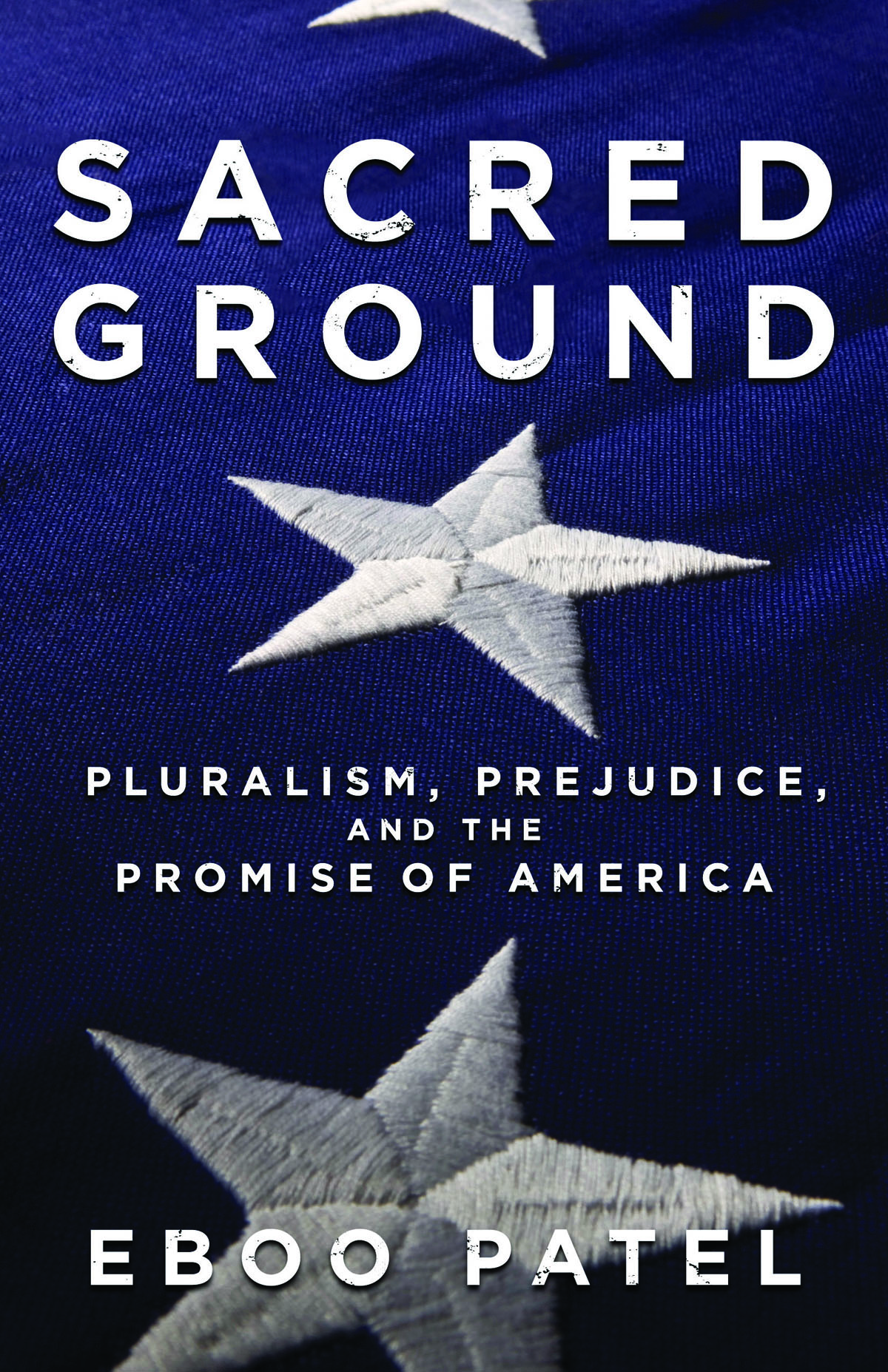 In his 2012 book, Sacred Ground: Pluralism, Prejudice and the Promise of America, Eboo Patel argues that the United States is still attempting to live out the dream of pluralism found even among its slave-owning founders. Despite our collective history of violence, conflict and hateful rhetoric that persists today, Patel suggests that the forces of pluralism have defeated the forces of prejudice time and again. He’s both idealistic and pragmatic about this:
“Pluralism is not a birthright in America; it’s a responsibility. Pluralism does not fall from the sky; it does not rise up from the ground. People have fought for pluralism. People have kept the promise.”
We the people have work to do. Right now, the Illinois State Legislature is considering SB-10 “to provide same-sex and different-sex couples and their children equal access to the status, benefits, protections, rights and responsibilities of civil marriage.” The reasons why this law is needed are simple. The advocacy group Illinois Unites for Marriage describes it plainly: “Same-sex couples want to marry for the same reasons all couples do — to protect their families and enter into a lifetime commitment of shared responsibility. All families benefit from the security marriage brings.” If you agree, contact your state legislators now.
When opponents to same-sex marriage make their arguments, they inevitably wind up back at their own religion and their own interpretation of sacred texts. This is when it seems easy to forget that we do not make laws based on sacred texts in this country. We forget that, because church and state intersect everywhere and we’ve stopped realizing when it’s not a good thing.
For this reason, perhaps, the title of this bill, passed by the Illinois State Senate and now under consideration in the Illinois House of Representatives, is “The Religious Freedom and Marriage Fairness Act.” The sponsors even put “religious freedom” in the title before “marriage fairness.” Illinois Unites offers this description of why that matters:
“[The act] protects religious freedom, ensuring that all faiths will decide which marriages can be consecrated within their tradition. The religious exemption language in the bill is very clear: It is and always will be up to each church to decide whom to marry based on their beliefs. No church will ever be forced to recognize a relationship it does not want to.”
I believe all faith traditions should recognize the dignity in loving relationships between two consenting adults and should advocate for their legal protection and recognition. I understand, however, that I’m not allowed to force my beliefs on my neighbor. In the same way, I do not want my neighbor (or my legislator) forcing her beliefs on me.
My faith tradition values, respects and, yes, sanctifies loving, committed relationships, regardless of the gender of the two people involved. My faith tradition also understands that my decisions about contraception and reproductive health care are best made by me, my husband and our health care providers. And my church understands that interreligious dialogue and cooperation are essential tools for creating a better, more just world.
For the full commentary, head over to the Journal-Courier website.
Previous Post

September 27, 2013
Transitioning in Christian Community: H. Adam Ackley & APU
Next Post

October 3, 2013 Apply Now: Faith & Reproductive Justice Institute
Browse Our Archives
Select a Category Abortion At the Intersections Atheism Christianity Contraception Education Feminism Gender Getting Theological Honorable Mention Islam LGBT News Our Voices Race Uncategorized
Select a Month July 2017 June 2017 May 2017 March 2017 February 2017 January 2017 August 2016 July 2016 June 2016 May 2016 April 2016 March 2016 February 2016 January 2016 December 2015 November 2015 October 2015 September 2015 August 2015 July 2015 June 2015 May 2015 April 2015 March 2015 February 2015 January 2015 December 2014 November 2014 October 2014 September 2014 August 2014 July 2014 June 2014 May 2014 April 2014 March 2014 February 2014 January 2014 December 2013 November 2013 October 2013 September 2013 August 2013 July 2013 June 2013 May 2013 April 2013 March 2013 February 2013 January 2013 December 2012 November 2012 October 2012 September 2012 August 2012 July 2012
Follow Us!
TAKE THE
Religious Wisdom Quiz
True or False: Jeremiah was known as the weeping prophet.
Select your answer to see how you score.
TRUE FALSE
Related posts from Caryn Riswold

What I Won’t Write About Mary Daly for...

We Need To Dance at Each Other’s Weddings

Freedom & the Racialized Body: Resonances with Luther...

Active in Love: The ELCA on Faith, Sexism,...
TRENDING AT PATHEOS Progressive Christian

Why Christians Have a Sacred Duty to Vote:...
The Bible offers strong support for the sacred duty to vote. Here...

What Being a Modern-Day Apostle Means to Me
In my last column, I discussed the ins and outs of modern-day...

Did Ancient China Once Worship the God of...
Across human history, a common thread weaves through the origins of the...

Love Your Neighbor – Including Earth-Kin: Lev. 19,...
God’s command to love your neighbor means acting in an ethical and...

Lead a Church Study of “Jesus and Lao...
Guest writer Jack Thomas (The Irreverent Reverend) reflects on leading his church...

Principles for Understanding the Apostolic Ministry Today
Whenever people discover that my formal ministry title is "apostle," as in...
view all Progressive Christian blogs
Ad-Free & Subscriber Log-In Subscription Support
- About Us
- 2026 Calendar
- Videos
- Podcasts
- Library of World Religions
- Faith In Media Tracker
- Advertise With Us
- Write for Us
- Privacy Policy
- Terms of Service
- Do Not Sell My Data
- Contact Us
- Radiant Digital
- Manage Newsletter Subscriptions
- Unsubscribe From Notifications
- Sitemap
Copyright 2008-2026, Patheos. All rights reserved.
Subscription Support Ad-Free & Subscriber Log-In
Follow Patheos