
BuddhistCatholicContemplativeEvangelicalGeneral ChristianHinduJewishLatter-day SaintMuslimNew VisionsProgressive Christian
Beliefs
- Buddhist
- Catholic
- Contemplative
- Evangelical
- General Christian
- Hindu
- Jewish
- Latter-day Saint
- More Voices
- Muslim
- New Visions
- Pagan
- Progressive Christian
Topics
- Religion News
- Food and Religion
- Sports and Religion
- Religious Art
- Religious Music and Entertainment
- Religious Events
- History and Religion
- Style and Religion
- Politics and Religion
- Women in Religion
- Recreation Outdoors and Religion
- Business Finance and Religion
- Careers Workplace and Religion
- Education and Religion
- Family Parenting and Religion
- Health Fitness and Religion
- Home and Religion
- Relationships and Religion
- Technology and Religion
- Travel and Religion
Columnists
- Buddhist Columnists
- Business Finance and Religion Columnists
- Careers Workplace and Religion Columnists
- Catholic Columnists
- Contemplative Columnists
- Education and Religion Columnists
- Evangelists Columnists
- Family Parenting and Religion Columnists
- General Christian Columnists
- Health Fitness and Religion Columnists
- Hindu Columnists
- History and Religion Columnists
- Home and Religion Columnists
- Jewish Columnists
- More Voices Columnists
- Latter Day Columnists
- Muslim Columnists
- New Visions Columnists
- Nonreligious Columnists
- Pagan Columnists
- Politics and Religion Columnists
- Progressive Columnists
- Recreation Outdoors and Religion Columnists
- Relationships and Religion Columnists
- Religion News Columnists
- Religious Art Columnists
- Religious Events Columnists
- Religious Music and Entertainment Columnists
- Sports and Religion Columnists
- Style and Religion Columnists
- Technology and Religion Columnists
- Travel and Religion Columnists
- Women in Religion Columnists
Resource Library
- 2026 Calendar
- Library of World Religions
- The 100 Most Holy Places on Earth
- Patheos Answers
- Podcasts
- Videos
- Faith Leaders Database
- Anglican Episcopalian
- Bahai
- Baptist
- Buddhism
- Christianity
- Confucianism
- Eastern Orthodoxy
- Hinduism
- Holiness and Pentecostal
- ISKCON
- Islam
- Judaism
- Lutheran
- Methodist
- The Church of Jesus Christ of Latter-day Saints
- New Age
- Paganism
- Presbytarian and Reformed
- Protestantism
- Religion Behind the Scenes
- Roman Catholic
- Scientology
- Shia Islam
- Sikhism
- Sufism
- Sunni Islam
- Taoism
- Zen
- See all religions
Research Tools
 Ad-Free & Subscriber Log-In Subscription Support
Ad-Free & Subscriber Log-In Subscription Support
Follow Patheos 

- Trending:
- Forgiveness
- |
- Marriage
- |
- Consciousness
- |
- Death Penalty
- |
- Election
- |
- Halloween
 Caryn Riswold
- Home
- Progressive Christian
- Failing Easter
Failing Easter
Last updated on: March 19, 2013 at 10:22 am by Caryn Riswold
Failing Easter 2013-03-19T10:22:31-06:00 Caryn Riswold
Patheos Explore the world's faith through different perspectives on religion and spirituality! Patheos has the views of the prevalent religions and spiritualities of the world.
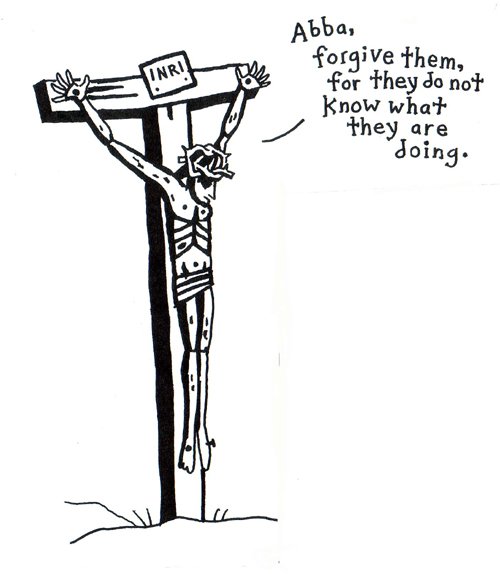 I wrote earlier this season about how I’m probably Failing Lent. I hinted there that I’d write more about my lack of enthusiasm for this season, and so here are a few words about how I’m failing Easter too. I’ve been failing Easter every since my feminist consciousness started coming to theological terms with this thing called atonement – the ancient Christian idea that Jesus’ death does something to reconcile God and humans.
I know the moment when it all changed: When I was 21 and heard Joanne Carlson Brown speak about how classical Christian atonement theory is little more than divine child abuse. I read her essay with Rebecca Parker, “For God So Loved the World?” which had been published in 1989 in Christianity, Patriarchy, and Abuse. I saw in stark relief the line connecting women’s experiences of violence and violation in a patriarchal culture to a religion that valorizes suffering, specifically the suffering of the obedient son at the hands of his father.
A sample:
“Christianity has been a primary—-in many women’s lives the primary—force in shaping our acceptance of abuse. The central image of Christ on the cross as the savior of the world communicates the message that suffering is redemptive. If the best person who ever lived gave his life for others, then, to be of value we should likewise sacrifice ourselves. Any sense that we have a right to care for our own needs is in conflict with being a faithful follower of Jesus. Our suffering for others will save the world.”
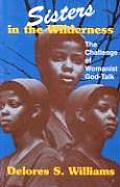 Around the same time, Delores S. Williams was criticizing Christian fetishizing of the cross by looking at it from the perspective of black women, women whose bodies have been routinely and as a matter of federal law subject to violence and forced surrogacy. In Sisters in the Wilderness in 1995, she says that:
“Humankind, then, is redeemed through Jesus’ ministerial vision and not through his death. There is nothing divine in the blood of the cross.”
Rather than continue to valorize death and systemic violence and tragic bloodshed, she suggests that we consider Jesus’ life and radical ministry as that which is lifegiving.
This work is part of a whole field of feminist criticism of atonement theory and the cross. My own dissertation research and first book was in part an extended effort to deal constructively with the harsh truth that is revealed when you take women’s experiences of violence and abuse seriously in Christian theology.
I don’t know that I’ve reconciled it all yet, or that I ever will. Because the cross is embedded at the heart of the Christian tradition. The death of Jesus is fixed in place as a part of the redemption narrative. And so we are left with hymns and images and other Christian ritual worship of an instrument of torture and death. Yuck. 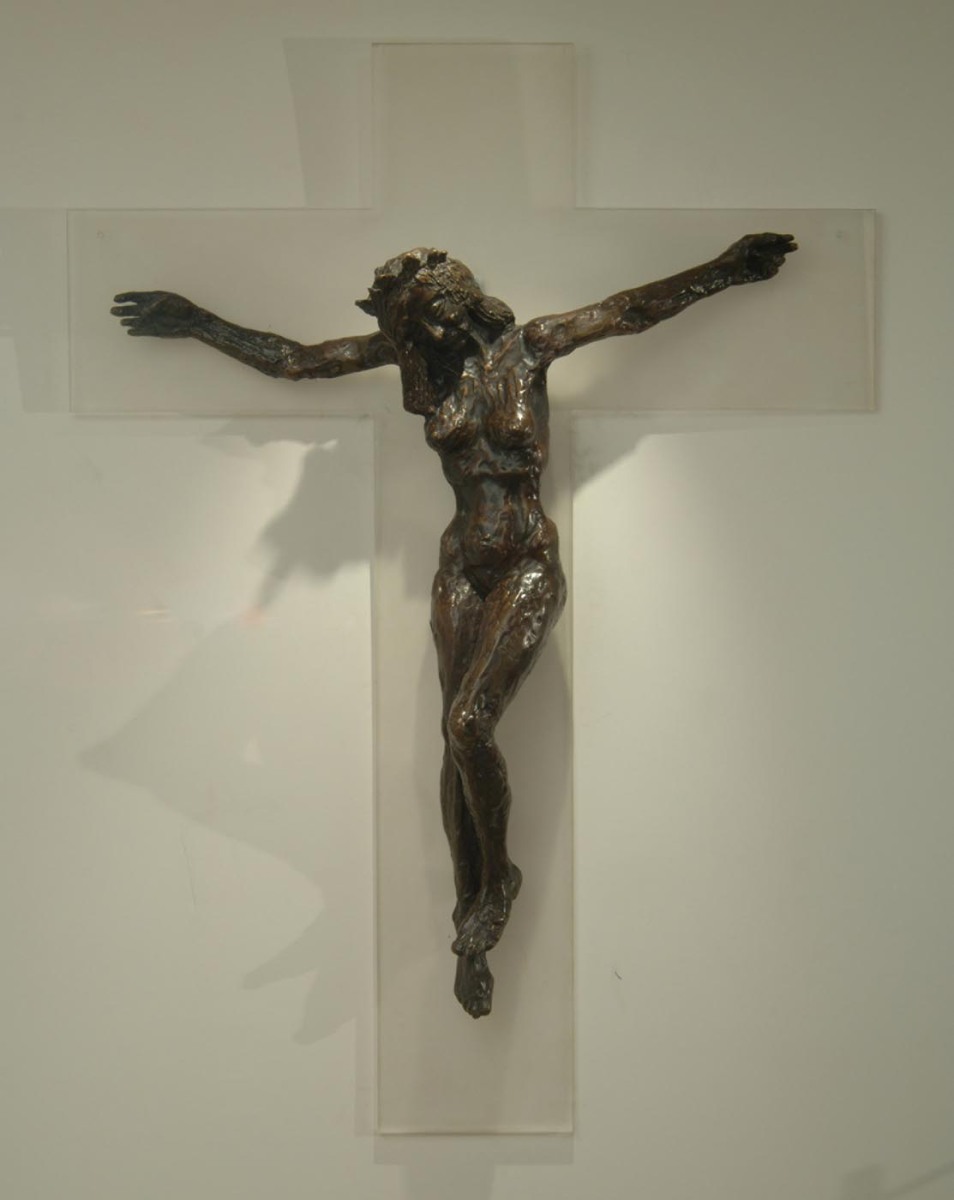
As Kimberly over at Coming Out Christian said recently and more eloquently than my ‘yuck’:
See, I am the sort of Christian that is not theologically down with the whole subsitionary atonement [sic] thing – especially penal.
First of all is the deeply disturbing (and some would say heretical) idea of a God that would NEED a sacrifice of one innocent to pay for the sins of the rest of our sorry asses. A blood thirsty God is frankly a warped vision of the Divine cast in our own vengeful image. Second is the more esoteric question of HOW exactly such a sacrifice would pay for “sins”? There simply has been no answer to this question that I have encountered in my reading, praying, discerning life that satisfactorily answers this big fat how.
But about the Cross – we are not washed clean by his blood, we are convicted as a cruel and blind race that will execute our God when God comes to us as a poor man healing on the sabbath, overturning the worship of mammon in the temple, confronting the religious elite and and challenging the authority of the state.
We are not saved by the crucifixion, we are damned by it – or we could have been. Let us face that shameful dark day and accept our culpability – knowing that if Jesus returned today to preach the gospel to the poor, to proclaim release to the captives and recovery of sight to the blind, to set free those who are oppressed His blood would likely run in rivulets once again. And let us move through that desolate Saturday knowing what we have done. And let us arise on Easter surprised by Grace.
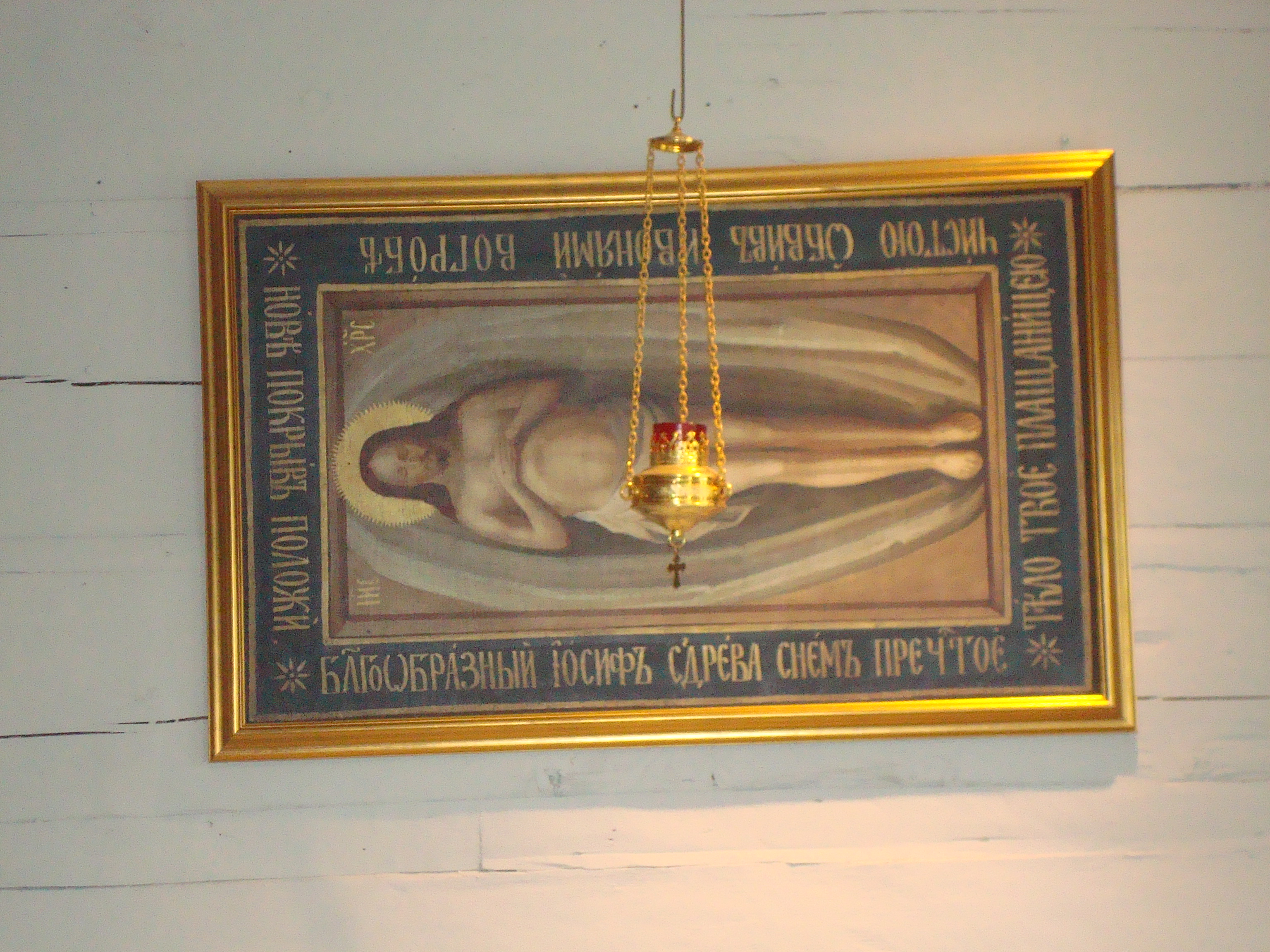 To be surprised by grace. This idea I like. Grace given in spite of the horrors that we humans continue to inflict upon each other, especially the vulnerable and marginalized in this white supremacist capitalist patriarchy … women, people of color, sexual minorities, the poor.
And even on one who spoke the truth about these systemic injustices, Jesus himself.
Now, the question stands: what are we going to do with that gift freely given?
Images via: Dan Erlander; Christa (Brooklyn Museum, Sackler Center for Feminist Art); pregnant Christ image from the Russian Bishops House in Sitka, Alaska.
Previous Post

March 18, 2013
What Sexual Terrorism Looks Like
Next Post
March 21, 2013 Midwife Divine
Browse Our Archives
Select a Category Abortion At the Intersections Atheism Christianity Contraception Education Feminism Gender Getting Theological Honorable Mention Islam LGBT News Our Voices Race Uncategorized
Select a Month July 2017 June 2017 May 2017 March 2017 February 2017 January 2017 August 2016 July 2016 June 2016 May 2016 April 2016 March 2016 February 2016 January 2016 December 2015 November 2015 October 2015 September 2015 August 2015 July 2015 June 2015 May 2015 April 2015 March 2015 February 2015 January 2015 December 2014 November 2014 October 2014 September 2014 August 2014 July 2014 June 2014 May 2014 April 2014 March 2014 February 2014 January 2014 December 2013 November 2013 October 2013 September 2013 August 2013 July 2013 June 2013 May 2013 April 2013 March 2013 February 2013 January 2013 December 2012 November 2012 October 2012 September 2012 August 2012 July 2012
Follow Us!
TAKE THE
Religious Wisdom Quiz
True or False: According to 1 John, God is love, and whoever abides in love abides in God.
Select your answer to see how you score.
FALSE TRUE
Related posts from Caryn Riswold

What I Won’t Write About Mary Daly for...

We Need To Dance at Each Other’s Weddings

Freedom & the Racialized Body: Resonances with Luther...

Active in Love: The ELCA on Faith, Sexism,...
TRENDING AT PATHEOS Progressive Christian

What Being a Modern-Day Apostle Means to Me
In my last column, I discussed the ins and outs of modern-day...

Did Ancient China Once Worship the God of...
Across human history, a common thread weaves through the origins of the...

Love Your Neighbor – Including Earth-Kin: Lev. 19,...
God’s command to love your neighbor means acting in an ethical and...

Lead a Church Study of “Jesus and Lao...
Guest writer Jack Thomas (The Irreverent Reverend) reflects on leading his church...

Pastoral Wisdom for Responding to Sermon Pushback
Getting sermon pushback on your social justice sermon? Learn practical, Proverbs-based strategies...

Principles for Understanding the Apostolic Ministry Today
Whenever people discover that my formal ministry title is "apostle," as in...
view all Progressive Christian blogs
Ad-Free & Subscriber Log-In Subscription Support
- About Us
- 2026 Calendar
- Videos
- Podcasts
- Library of World Religions
- Faith In Media Tracker
- Advertise With Us
- Write for Us
- Privacy Policy
- Terms of Service
- Do Not Sell My Data
- Contact Us
- Radiant Digital
- Manage Newsletter Subscriptions
- Unsubscribe From Notifications
- Sitemap
Copyright 2008-2026, Patheos. All rights reserved.
Subscription Support Ad-Free & Subscriber Log-In
Follow Patheos