
BuddhistCatholicContemplativeEvangelicalGeneral ChristianHinduJewishLatter-day SaintMuslimNew VisionsProgressive Christian
Beliefs
- Buddhist
- Catholic
- Contemplative
- Evangelical
- General Christian
- Hindu
- Jewish
- Latter-day Saint
- More Voices
- Muslim
- New Visions
- Pagan
- Progressive Christian
Topics
- Religion News
- Food and Religion
- Sports and Religion
- Religious Art
- Religious Music and Entertainment
- Religious Events
- History and Religion
- Style and Religion
- Politics and Religion
- Women in Religion
- Recreation Outdoors and Religion
- Business Finance and Religion
- Careers Workplace and Religion
- Education and Religion
- Family Parenting and Religion
- Health Fitness and Religion
- Home and Religion
- Relationships and Religion
- Technology and Religion
- Travel and Religion
Columnists
- Buddhist Columnists
- Business Finance and Religion Columnists
- Careers Workplace and Religion Columnists
- Catholic Columnists
- Contemplative Columnists
- Education and Religion Columnists
- Evangelists Columnists
- Family Parenting and Religion Columnists
- General Christian Columnists
- Health Fitness and Religion Columnists
- Hindu Columnists
- History and Religion Columnists
- Home and Religion Columnists
- Jewish Columnists
- More Voices Columnists
- Latter Day Columnists
- Muslim Columnists
- New Visions Columnists
- Nonreligious Columnists
- Pagan Columnists
- Politics and Religion Columnists
- Progressive Columnists
- Recreation Outdoors and Religion Columnists
- Relationships and Religion Columnists
- Religion News Columnists
- Religious Art Columnists
- Religious Events Columnists
- Religious Music and Entertainment Columnists
- Sports and Religion Columnists
- Style and Religion Columnists
- Technology and Religion Columnists
- Travel and Religion Columnists
- Women in Religion Columnists
Resource Library
- 2026 Calendar
- Library of World Religions
- The 100 Most Holy Places on Earth
- Patheos Answers
- Podcasts
- Videos
- Faith Leaders Database
- Anglican Episcopalian
- Bahai
- Baptist
- Buddhism
- Christianity
- Confucianism
- Eastern Orthodoxy
- Hinduism
- Holiness and Pentecostal
- ISKCON
- Islam
- Judaism
- Lutheran
- Methodist
- The Church of Jesus Christ of Latter-day Saints
- New Age
- Paganism
- Presbytarian and Reformed
- Protestantism
- Religion Behind the Scenes
- Roman Catholic
- Scientology
- Shia Islam
- Sikhism
- Sufism
- Sunni Islam
- Taoism
- Zen
- See all religions
Research Tools
 Ad-Free & Subscriber Log-In Subscription Support
Ad-Free & Subscriber Log-In Subscription Support
Follow Patheos 

- Trending:
- Forgiveness
- |
- Marriage
- |
- Consciousness
- |
- Death Penalty
- |
- Election
- |
- Halloween
 Caryn Riswold
- Home
- Progressive Christian
- A Healing Priestess, ‘Changing Church’
A Healing Priestess, ‘Changing Church’
Last updated on: January 21, 2013 at 8:00 am by Caryn Riswold
A Healing Priestess, ‘Changing Church’ 2013-01-20T17:16:27-07:00 Caryn Riswold
Patheos Explore the world's faith through different perspectives on religion and spirituality! Patheos has the views of the prevalent religions and spiritualities of the world.
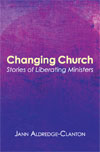 Around Christmas, I shared some of the creative work that Jann Aldredge-Clanton has done with Christian hymns and inclusive, female-centered language and images for the divine. I also want to share one in her series of profiles of remarkable faith leaders who are, in her words, “changing church.” In her book of the same name, and now on her blog, she talks about why she chose to profile ordained leaders working to include the divine feminine as part of a broader struggle for justice and equality:
“I chose ordained ministers not because I believe they are more important to the church than laypeople, but because they have the most to lose in advocating for change within the institutional church. Ordained clergy depend upon the church for their livelihood. So when clergy advocate for change, especially change that might not be popular, they take risks with their careers. As we see in these stories, clergy who work to change the institutional church risk sanction by denominational authorities, loss of opportunities for promotion to larger congregations or to prestigious denominational jobs, and often even loss of their jobs.”
A recent profile is of Rev. Alice Martin, Healing Priestess at Ebenezer/herchurch in San Francisco. I first met Alice several years ago when I spoke at the Faith and Feminism conference at herchurch, and knew immediately that this was an amazing woman in the process of a powerful and creative transformation.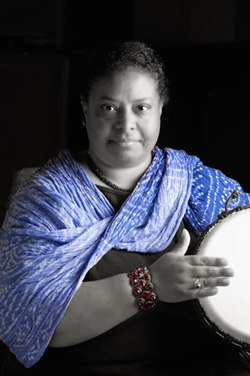
Some of her story:
Alice grew up in the Catholic Church until at the age of fourteen she “renounced Christianity.” She explains: “Because of the hypocritical nature of the church and its violent history, I grew despondent and wary of the preaching from the male clergy.” But she continued to find “the gospels of the New Testament inspiring.” The inclusivity, tolerance, and forgiveness she found in Jesus’ preaching and parables “resonated and spoke truth” to her. “As I got older, I remembered and admired those things about the Bible, while wanting nothing to do with a Christian church.”
Four years ago Alice started feeling drawn to images of Mother Mary. “I didn’t understand this as I felt I wasn’t a part of the Christian religion anymore, but as things in my life became rougher I felt a yearning for a Mother image,” she continues. “Most of the time, I would ignore this calling, but every once in a while I would pause by a statue of Mary or pay more attention to Goddess imagery and information that came my way. When things got worse for me, I would have mental image pictures pop up of the Mother holding me for comfort and healing.”
Alice describes her healing from an “emotional breakdown” through images of the Divine Feminine in her meditation and through finding Ebenezer/herchurch Lutheran. “Images of the Feminine Divine grew stronger, and finally I went to a Goddess Rosary at herchurch. When I walked into the sanctuary for the first time, I could immediately feel a presence of ‘mother’ energy that was warm, nurturing, compassionate and healing. Soon after that, I started attending herchurch on a regular basis and became an involved council member. Herchurch has been critical in providing me a place of worship of the Feminine Divine that still has a familiar structure of Christianity without the patriarchal baggage.”
The work that she does as part of ‘changing church’ now involves expanding language for and images of the divine:
Multicultural Feminine Divine names and images in worship also help everyone connect to the Divine, Rev. Martin continues. “I feel that a wider variety of divine symbols and names gives a greater access to people when the traditional names do not feel appropriate for them. Exposing people to a multitude of images gives them a choice and a way to connect to the Feminine Divine that feels appropriate for them. It also helps in bringing up a dialog of diversity and understanding of different cultures. It is part of the inclusiveness trait that is inherently connected to opening oneself to the Feminine Divine and validating the feminine energy that runs through each of us.” Including multicultural female divine imagery in church offers people expanded symbolism, giving “them a deeper understanding of the divinity within themselves and around them.”
For more of Alice’s story, and other profiles of faith leaders who truly are changing the church, head over to Jann’s blog.
Previous Post

January 18, 2013
Roe at 40: Racial & Ethnic Inequalities
Next Post

January 22, 2013 My Story: 'Growing Up With Roe'
Browse Our Archives
Select a Category Abortion At the Intersections Atheism Christianity Contraception Education Feminism Gender Getting Theological Honorable Mention Islam LGBT News Our Voices Race Uncategorized
Select a Month July 2017 June 2017 May 2017 March 2017 February 2017 January 2017 August 2016 July 2016 June 2016 May 2016 April 2016 March 2016 February 2016 January 2016 December 2015 November 2015 October 2015 September 2015 August 2015 July 2015 June 2015 May 2015 April 2015 March 2015 February 2015 January 2015 December 2014 November 2014 October 2014 September 2014 August 2014 July 2014 June 2014 May 2014 April 2014 March 2014 February 2014 January 2014 December 2013 November 2013 October 2013 September 2013 August 2013 July 2013 June 2013 May 2013 April 2013 March 2013 February 2013 January 2013 December 2012 November 2012 October 2012 September 2012 August 2012 July 2012
Follow Us!
TAKE THE
Religious Wisdom Quiz
Who does Paul describe as his true son in the faith?
Select your answer to see how you score.
Timothy Philemon Onesimus Titus
Related posts from Caryn Riswold

What I Won’t Write About Mary Daly for...

We Need To Dance at Each Other’s Weddings

Freedom & the Racialized Body: Resonances with Luther...

Active in Love: The ELCA on Faith, Sexism,...
TRENDING AT PATHEOS Progressive Christian

What Being a Modern-Day Apostle Means to Me
In my last column, I discussed the ins and outs of modern-day...

Did Ancient China Once Worship the God of...
Across human history, a common thread weaves through the origins of the...

Love Your Neighbor – Including Earth-Kin: Lev. 19,...
God’s command to love your neighbor means acting in an ethical and...

Lead a Church Study of “Jesus and Lao...
Guest writer Jack Thomas (The Irreverent Reverend) reflects on leading his church...

Pastoral Wisdom for Responding to Sermon Pushback
Getting sermon pushback on your social justice sermon? Learn practical, Proverbs-based strategies...

Principles for Understanding the Apostolic Ministry Today
Whenever people discover that my formal ministry title is "apostle," as in...
view all Progressive Christian blogs
Ad-Free & Subscriber Log-In Subscription Support
- About Us
- 2026 Calendar
- Videos
- Podcasts
- Library of World Religions
- Faith In Media Tracker
- Advertise With Us
- Write for Us
- Privacy Policy
- Terms of Service
- Do Not Sell My Data
- Contact Us
- Radiant Digital
- Manage Newsletter Subscriptions
- Unsubscribe From Notifications
- Sitemap
Copyright 2008-2026, Patheos. All rights reserved.
Subscription Support Ad-Free & Subscriber Log-In
Follow Patheos