
BuddhistCatholicContemplativeEvangelicalGeneral ChristianHinduJewishLatter-day SaintMuslimNew VisionsProgressive Christian
Beliefs
- Buddhist
- Catholic
- Contemplative
- Evangelical
- General Christian
- Hindu
- Jewish
- Latter-day Saint
- More Voices
- Muslim
- New Visions
- Pagan
- Progressive Christian
Topics
- Religion News
- Food and Religion
- Sports and Religion
- Religious Art
- Religious Music and Entertainment
- Religious Events
- History and Religion
- Style and Religion
- Politics and Religion
- Women in Religion
- Recreation Outdoors and Religion
- Business Finance and Religion
- Careers Workplace and Religion
- Education and Religion
- Family Parenting and Religion
- Health Fitness and Religion
- Home and Religion
- Relationships and Religion
- Technology and Religion
- Travel and Religion
Columnists
- Buddhist Columnists
- Business Finance and Religion Columnists
- Careers Workplace and Religion Columnists
- Catholic Columnists
- Contemplative Columnists
- Education and Religion Columnists
- Evangelists Columnists
- Family Parenting and Religion Columnists
- General Christian Columnists
- Health Fitness and Religion Columnists
- Hindu Columnists
- History and Religion Columnists
- Home and Religion Columnists
- Jewish Columnists
- More Voices Columnists
- Latter Day Columnists
- Muslim Columnists
- New Visions Columnists
- Nonreligious Columnists
- Pagan Columnists
- Politics and Religion Columnists
- Progressive Columnists
- Recreation Outdoors and Religion Columnists
- Relationships and Religion Columnists
- Religion News Columnists
- Religious Art Columnists
- Religious Events Columnists
- Religious Music and Entertainment Columnists
- Sports and Religion Columnists
- Style and Religion Columnists
- Technology and Religion Columnists
- Travel and Religion Columnists
- Women in Religion Columnists
Resource Library
- 2026 Calendar
- Library of World Religions
- The 100 Most Holy Places on Earth
- Patheos Answers
- Podcasts
- Videos
- Faith Leaders Database
- Anglican Episcopalian
- Bahai
- Baptist
- Buddhism
- Christianity
- Confucianism
- Eastern Orthodoxy
- Hinduism
- Holiness and Pentecostal
- ISKCON
- Islam
- Judaism
- Lutheran
- Methodist
- The Church of Jesus Christ of Latter-day Saints
- New Age
- Paganism
- Presbytarian and Reformed
- Protestantism
- Religion Behind the Scenes
- Roman Catholic
- Scientology
- Shia Islam
- Sikhism
- Sufism
- Sunni Islam
- Taoism
- Zen
- See all religions
Research Tools
 Ad-Free & Subscriber Log-In Subscription Support
Ad-Free & Subscriber Log-In Subscription Support
Follow Patheos 

- Trending:
- Forgiveness
- |
- Marriage
- |
- Consciousness
- |
- Death Penalty
- |
- Election
- |
- Halloween

- Home
- More Voices
- Sermon Series Retrospective: The Book of J
Sermon Series Retrospective: The Book of J
Last updated on: June 28, 2012 at 9:47 am by Carl Gregg
Sermon Series Retrospective: The Book of J 2012-06-28T09:47:46-04:00 Carl Gregg
Patheos Explore the world's faith through different perspectives on religion and spirituality! Patheos has the views of the prevalent religions and spiritualities of the world.
The four main original independent sources used to compile the early books of the Bible are called J, E, D, and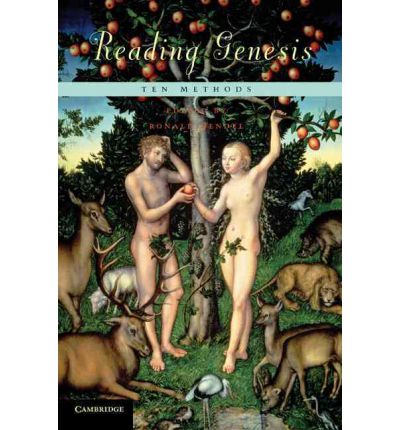 P. Similar to the “Q Source” used to compose the Gospels of Matthew and Luke, J-E-D-P are each shorthand for the full title scholars have given to these sources. The Book of J, which stands for the “Jahwist.” Normally, we English-speakers would begin spelling YaHWeH with a “Y,” but the landmark scholars who developed this “Documentary Hypothesis” were Germans. I particularly recommend the work of Richard Elliott Friedman as an accessible entry point into the source behind the Hebrew Bible.
The past few months, I’ve been preaching through the “J Source” in Genesis. The following is a brief description of the sermon in this series:
“The Book of J”: Are There Hidden Books in the Bible? (Genesis 2). Description: Many scholars think that there are “hidden” books in the Bible: the books used as source material to compile the final version of the biblical books with which we are familiar. http://www.patheos.com/blogs/carlgregg/2012/04/preaching-%E2%80%9Cthe-book-of-j%E2%80%9D-are-there-hidden-books-in-the-bible/.
“Paradise Lost or Outgrown? Genesis 3, Original Blessing, and Original Responsibility” (Genesis 3). Description: Genesis 3 is a deeply true universal story about the human condition, even though this precise series of events never happened historically. It’s a story about growing up, becoming aware of good and evil, and learning that our actions have consequences. It’s a tale about that instant when the veil of childhood innocence drops away for the first time and we realize our mortality; it’s about that moment in time when we realize that we too are someday going to die. This metaphorical, mythological, and archetypal way of reading the Bible’s earliest chapters is so much more exciting and compelling than more literal approaches. It also makes much more sense than asking question like, “Did Adam have a belly button? or “Where did Mrs. Cain come from?” http://www.patheos.com/blogs/carlgregg/2012/04/paradise-lost-or-outgrown-genesis-3-original-blessing-and-original-responsibility
“Before and After: Cain, Abel, and Archetypes” (Genesis 4). Description: In our postmodern times, there is much to be regained in reclaiming some premodern reading strategies: allowing ourselves to say both “Yes, many of these story are more mythological than historical” and “Yes, many of these stories still have significant meaning on the level of myth and metaphor, allegory and archetype, symbol and sacrament. From this angle, the story of Cain and Abel becomes the universally true story of the farmer “killing” the lifestyle of the semi-nomadic herder and moving to the city. God’s rejection of the fruit of Cain’s farm and Cain being cast out from the plains east to Eden into the city reveals that the authors and promoters of this biblical myth had an anti-city bias and were far from convinced that the move toward urbanization was “progress.” They saw many dangers in city life, and we were see a similar anti-urban bias in future texts, especially regarding the Towel of Babel. http://www.patheos.com/blogs/carlgregg/2012/05/before-and-after-cain-abel-and-archetypes/
“Noah’s Flood: Climate Change Then & Now” (Genesis 6-7). Description: Perhaps the most salient parallel for the early twenty-first century is that Climate Change seems to be causing a melting of Arctic sea ice, resulting in a rise of flood waters, potentially not unlike those ancient floods of Noah or Gilgamesh, which were “caused,” at least according to the mythological accounts, by human behavior. Talking about Climate Change is appropriate on Mother’s Day, which at its best honors and celebrates the blood, sweat, and tears put in to creating both new life and a better, more life-giving world for future generations. http://www.patheos.com/blogs/carlgregg/2012/05/noah%E2%80%99s-flood-climate-change-then-now/
“Slavery, Same-Sex Marriage, and How to Read the Bible” (Genesis 9). Description: From slavery to same-sex marriage, it really matter what stories we tell, when we tell them, and how we interpret them. We must learn to interpret scripture freely, responsibly, creativity, and compassionately — not only for the benefit of ourselves and our tribe, but for the benefit all people and the whole of creation. http://www.patheos.com/blogs/carlgregg/2012/05/slavery-same-sex-marriage-and-how-to-read-the-bible/
“What Troubles Your Thoughts?” (Genesis 11). Description: Humanity has a noble technological heritage to claim, but both the Prometheus and Tower of Babel myths remind us that technology is a two-edged sword that often has unintended consequences. The atomic bomb and nuclear energy are perhaps the most powerful examples we have today of the ways that the same technology can be used to enhance or destroy life. Wrestling with the unintended consequences of technology, Wendell Berry has written, “I knew a man who, in the age of chainsaws, went right on cutting his wood with a handsaw and an axe. He was a healthier and saner man than I am. I shall let his memory trouble my thoughts.” What parts of our culture so-called “technological progress” troubles your thoughts. Where do you see alternative paths to healthier, saner, and more sustainable ways of life? http://www.patheos.com/blogs/carlgregg/2012/06/what-troubles-your-thoughts
“Lech lecha”: The Journey Outward and Inward (Genesis 12). Featuring a poem by my lovely and talented wife Magin LaSov Gregg. http://www.patheos.com/blogs/carlgregg/2012/06/%E2%80%9Clech-lecha%E2%80%9D-the-journey-outward-inward-genesis-12.
The Rev. Dr. Carl Gregg is a trained spiritual director, a D.Min. graduate of San Francisco Theological Seminary, and the pastor of Broadview Church in Chesapeake Beach, Maryland. On July 9, 2012, he will start as the Minister of the Unitarian Universalist Congregation of Frederick, Maryland. Follow him on Facebook (facebook.com/carlgregg) and Twitter (@carlgregg).
Previous Post

June 27, 2012
Standing on the Side of Love for Immigration Justice
Next Post
June 29, 2012 Highlights from Funding the Missional Church
Browse Our Archives
Select a Category Advent Anti-Racism Archaeology Atheism Baptism Best of the Year List Book Reviews Buddhism Catholicism Christian Education Church and State Church Planting Climate Change Conscientious Objection to War Creation Spirituality Death Penalty Didache Disability Rights Discernment Easter Ecology Emergent Church Movement Empire-Critical Ethics Evolution Feminist Theology Film Reviews Gandhi Gospel of Mark Gun Control Hinduism Immigration Reform Interfaith Islam JFK Judaism Jungian Spirituality Lectionary Commentary Lent Letters to the Editor LGBT Marriage MLK Multiculturalism Mysticism Nonviolent Activism Occupy Paganism (Earth-centered Religions) Parables Paul Pluralism Politics Process Theology Quantum Physics Requiescat In Pace Seminary and Divinity School Sermon Series Retrospective Sermons Spiritual Direction Spiritual Practices Stewardship (Fundraising) The Book of J The Wheel of the Year (Paganism) Theoblogger Challenge Triathlon Uncategorized Unitarian Universalism Worship Resources Youth Ministry
Select a Month July 2026 May 2026 March 2026 November 2025 October 2025 August 2025 February 2025 December 2024 October 2024 March 2024 January 2024 December 2023 November 2023 March 2023 February 2023 January 2023 December 2022 November 2022 August 2022 March 2022 February 2022 January 2022 December 2021 September 2021 August 2021 July 2021 June 2021 May 2021 February 2021 January 2021 December 2020 August 2020 June 2020 May 2020 April 2020 March 2020 February 2020 January 2020 December 2019 November 2019 October 2019 September 2019 July 2019 June 2019 March 2019 February 2019 January 2019 December 2018 November 2018 October 2018 September 2018 June 2018 May 2018 April 2018 March 2018 February 2018 January 2018 December 2017 November 2017 October 2017 September 2017 August 2017 July 2017 June 2017 May 2017 April 2017 March 2017 February 2017 January 2017 December 2016 November 2016 October 2016 September 2016 August 2016 June 2016 May 2016 April 2016 March 2016 February 2016 January 2016 December 2015 November 2015 October 2015 September 2015 August 2015 July 2015 June 2015 May 2015 April 2015 March 2015 February 2015 January 2015 December 2014 November 2014 October 2014 August 2014 July 2014 June 2014 May 2014 April 2014 March 2014 February 2014 January 2014 December 2013 November 2013 October 2013 September 2013 August 2013 July 2013 June 2013 May 2013 April 2013 March 2013 February 2013 January 2013 December 2012 November 2012 October 2012 September 2012 August 2012 July 2012 June 2012 May 2012 April 2012 March 2012 February 2012 January 2012 December 2011 November 2011 October 2011 September 2011 August 2011 July 2011 June 2011 May 2011 April 2011 March 2011 February 2011 January 2011 December 2010 November 2010 October 2010 August 2009 July 2009 May 2009
Follow Us!
TAKE THE
Religious Wisdom Quiz
I will heal their waywardness and love them freely, making them blossom like this flower and fragrant like this tree. What plant and tree are mentioned?
Select your answer to see how you score.
Lebanon Cedar and Lilies Lotus and palm Rose and olive Iris and cypress
Related posts from Carl Gregg
Aronofsky’s Noah: from “Hope in Heaven” to “Hope...

What Troubles Your Thoughts? Wendell Berry, Prometheus, &...

Slavery, Same-Sex Marriage, and How to Read the...
"Before and After": Cain, Abel, and Archetypes
TRENDING AT PATHEOS More Voices

Reading America at 250: A Nation Wrestles With...
As part of my own reflection on the 250th anniversary of the...

Whenever I am reading a book or listening to an argument, I...

President Trump Ban Animal Torture Videos on Facebook
Call for Stricter Regulations of Animal Abuse Content on Facebook Although President...

Draft Amendments to Address Ritual Abuse in New...
The proposed changes would make it illegal for individuals in domestic partnerships...

How Bans on LGBTQ+ Student Clubs Threaten Religious...
On June 20, 2025, the State of Texas passed Senate Bill 12....

The Truth About the Gen Z Revival
This past year, there has been a lot of media buzz surrounding...
view all More Voices blogs
Ad-Free & Subscriber Log-In Subscription Support
- About Us
- 2026 Calendar
- Videos
- Podcasts
- Library of World Religions
- Faith In Media Tracker
- Advertise With Us
- Write for Us
- Privacy Policy
- Terms of Service
- Do Not Sell My Data
- Contact Us
- Radiant Digital
- Manage Newsletter Subscriptions
- Unsubscribe From Notifications
- Sitemap
Copyright 2008-2026, Patheos. All rights reserved.
Subscription Support Ad-Free & Subscriber Log-In
Follow Patheos