
BuddhistCatholicContemplativeEvangelicalGeneral ChristianHinduJewishLatter-day SaintMuslimNew VisionsProgressive Christian
Beliefs
- Buddhist
- Catholic
- Contemplative
- Evangelical
- General Christian
- Hindu
- Jewish
- Latter-day Saint
- More Voices
- Muslim
- New Visions
- Pagan
- Progressive Christian
Topics
- Religion News
- Food and Religion
- Sports and Religion
- Religious Art
- Religious Music and Entertainment
- Religious Events
- History and Religion
- Style and Religion
- Politics and Religion
- Women in Religion
- Recreation Outdoors and Religion
- Business Finance and Religion
- Careers Workplace and Religion
- Education and Religion
- Family Parenting and Religion
- Health Fitness and Religion
- Home and Religion
- Relationships and Religion
- Technology and Religion
- Travel and Religion
Columnists
- Buddhist Columnists
- Business Finance and Religion Columnists
- Careers Workplace and Religion Columnists
- Catholic Columnists
- Contemplative Columnists
- Education and Religion Columnists
- Evangelists Columnists
- Family Parenting and Religion Columnists
- General Christian Columnists
- Health Fitness and Religion Columnists
- Hindu Columnists
- History and Religion Columnists
- Home and Religion Columnists
- Jewish Columnists
- More Voices Columnists
- Latter Day Columnists
- Muslim Columnists
- New Visions Columnists
- Nonreligious Columnists
- Pagan Columnists
- Politics and Religion Columnists
- Progressive Columnists
- Recreation Outdoors and Religion Columnists
- Relationships and Religion Columnists
- Religion News Columnists
- Religious Art Columnists
- Religious Events Columnists
- Religious Music and Entertainment Columnists
- Sports and Religion Columnists
- Style and Religion Columnists
- Technology and Religion Columnists
- Travel and Religion Columnists
- Women in Religion Columnists
Resource Library
- 2026 Calendar
- Library of World Religions
- The 100 Most Holy Places on Earth
- Patheos Answers
- Podcasts
- Videos
- Faith Leaders Database
- Anglican Episcopalian
- Bahai
- Baptist
- Buddhism
- Christianity
- Confucianism
- Eastern Orthodoxy
- Hinduism
- Holiness and Pentecostal
- ISKCON
- Islam
- Judaism
- Lutheran
- Methodist
- The Church of Jesus Christ of Latter-day Saints
- New Age
- Paganism
- Presbytarian and Reformed
- Protestantism
- Religion Behind the Scenes
- Roman Catholic
- Scientology
- Shia Islam
- Sikhism
- Sufism
- Sunni Islam
- Taoism
- Zen
- See all religions
Research Tools
 Ad-Free & Subscriber Log-In Subscription Support
Ad-Free & Subscriber Log-In Subscription Support
Follow Patheos 

- Trending:
- Forgiveness
- |
- Marriage
- |
- Consciousness
- |
- Death Penalty
- |
- Election
- |
- Halloween

- Home
- Progressive Christian
- Travel and Religion
- How to Spot Misinformation Before It Destroys Lives
How to Spot Misinformation Before It Destroys Lives
Last updated on: April 7, 2025 at 9:17 am by Neil Ghosh
How to Spot Misinformation Before It Destroys Lives 2025-04-07T09:17:35-04:00 Neil Ghosh
Patheos Explore the world's faith through different perspectives on religion and spirituality! Patheos has the views of the prevalent religions and spiritualities of the world.

According to a United Nations report titled Tackling Terrorists’ Exploitation of Youth, young people are a critical target for recruitment. | Image rendered in Meta AI and post-processed for Patheos.
Saving Our Democracy: 5 Things You Can Do to Catch Misinformation
I met Nadia, a young woman from Tunisia, in May 2015 during a conference in Marrakech, Morocco. She shared a chilling story about her past—one that has stayed with me.
At a time when she felt deeply isolated from her parents, teachers, and friends, Nadia became vulnerable to manipulation. She began receiving short video clips from unknown sources—messages that appeared empathetic but were, in fact, laced with extremist propaganda. They were designed to influence her worldview and recruit her into an extremist group. She came dangerously close to joining.
According to a United Nations report titled Tackling Terrorists’ Exploitation of Youth, young people are a critical target for recruitment. Some are coerced or trafficked, while others join voluntarily due to a need for belonging, identity, or purpose. Nadia belonged to the second group—those who are persuaded, not forced.
Fortunately, she found a mentor who helped guide her away from the brink. I stayed in touch with Nadia for many years. Today, she is married and living a peaceful life in Tunisia.
Her story ended well—but many others do not.
It’s Our Duty to Contribute To A Truthful Society
In the Hindu tradition, the concept of Viveka—discernment between truth and illusion—is a foundational spiritual practice. The Bhagavad Gita reminds us that clarity of mind and dedication to truth (satya) are essential qualities of a wise person. In a world flooded with digital noise, practicing viveka is more than a spiritual exercise—it’s a civic responsibility. By cultivating awareness, questioning appearances, and seeking truth with humility, we not only safeguard ourselves but also honor dharma—our duty to contribute to a just and truthful society.
The Rise of Radicalization in the Digital Age
Social media platforms are increasingly being used as tools for radicalization. Violent extremists now exploit these platforms to disseminate propaganda and recruit new followers. Nadia’s story is a stark reminder of how easily individuals can fall prey to manipulation in our digital age.
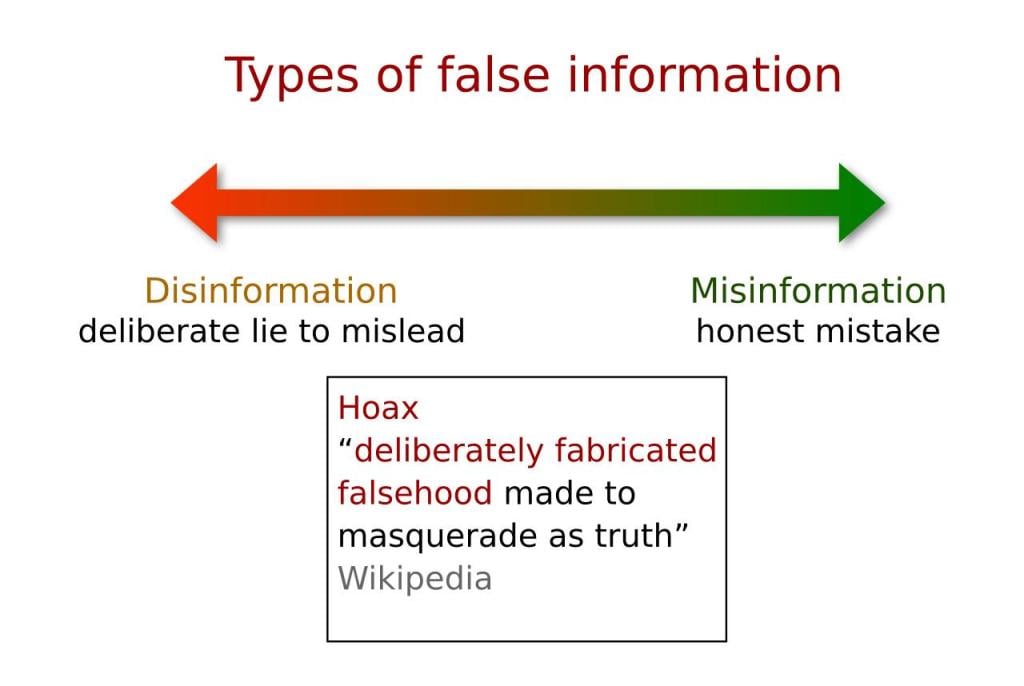
According to Pew Research, 64% of Americans say social media has a mostly negative effect on how things are going in the U.S. But this isn’t just a platform issue—it’s a people issue. | Image courtesy of Srijankedia (original), Eman235 (vector recreation), CC BY-SA 4.0, via Wikimedia Commons

The danger isn’t just limited to terrorism. Misinformation has become a pervasive threat, affecting everything from public health to democratic institutions. The very features that make social media so powerful—speed, reach, and personalization—are also what make it so dangerous.
According to Pew Research, 64% of Americans say social media mostly negatively affects how things are going in the U.S. But this isn’t just a platform issue—it’s a people issue. We all play a role in the ecosystem of information. Whether it’s taking time to fact-check, engaging in respectful dialogue, or supporting credible sources, we must act.
The Real-World Consequences of Misinformation
Having grown up in a politically active family, I’ve witnessed firsthand the devastation misinformation can cause—long before the digital age. My travels across continents have only reinforced this truth. Misinformation isn’t just an institutional threat—it’s a deeply personal one. Its impact touches elections, families, and even matters of life and death.
Here are just a few areas where misinformation has caused severe damage:
- Elections: Misinformation can shift public opinion, skew voting behavior, and fuel unrest. A Pew Research study found that misinformation is a top concern in 11 emerging economies, including India and South Africa.
- Emergencies: During natural disasters, false information can spread chaos and endanger lives.
- Health Crises: The COVID-19 pandemic was worsened by a flood of misinformation about treatments and vaccines—costing countless lives.
- Financial Markets: Misinformation can destabilize markets and wipe out savings, particularly harming small investors.
- Conflict Zones: In regions like Gaza, Ukraine, and Sudan, misinformation fuels violence and disproportionately harms women and children.
- Mental Health: In heartbreaking instances, individuals have taken their lives based on false rumors.
“The problem of misinformation” (published by the National Library of Medicine)—offers deep insight into why misinformation is such a persistent and dangerous issue, and it dovetails well with your article’s message.
Why Do We Share Fake News?
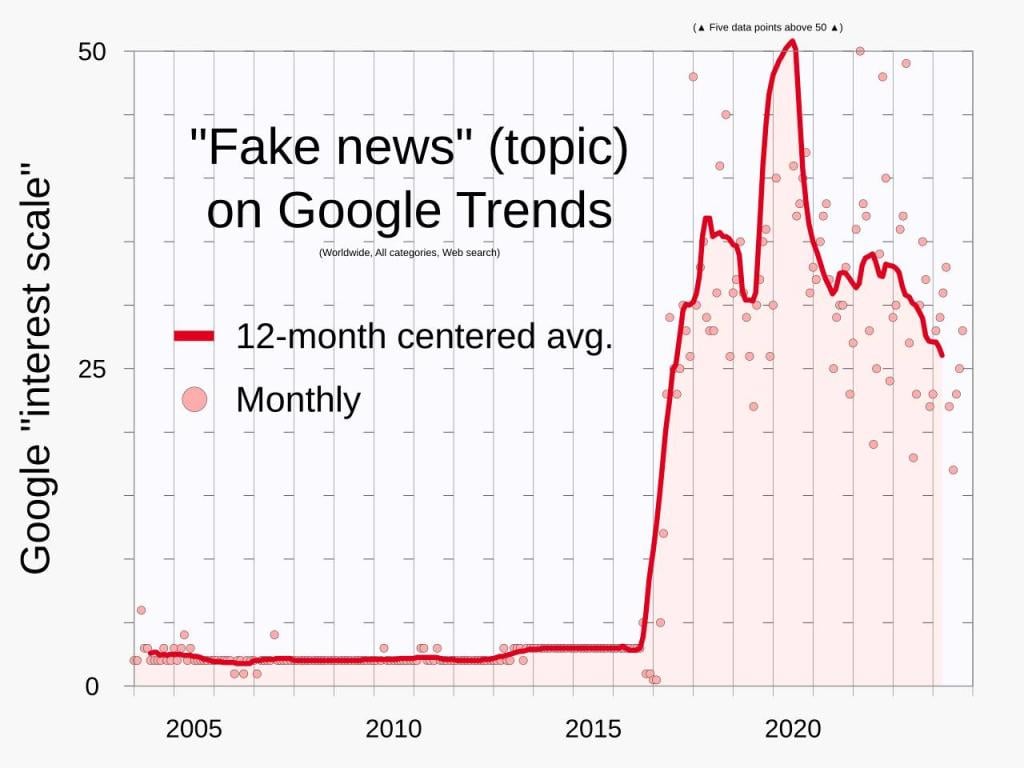
According to researchers from MIT and other leading institutions, a lack of attention is the primary reason behind the sharing of over 51% of misinformation. | Image courtesy of RCraig09, CC BY-SA 4.0, via Wikimedia Commons

At a systemic level, misinformation is spread to influence elections, generate profit, promote ideologies, or win wars. On an individual level, the reasons range from insecurity and jealousy to simple inattention.
In fact, according to researchers from MIT and other leading institutions, a lack of attention is the primary reason behind the sharing of over 51% of misinformation. A study published in Nature found that most Americans who share false news don’t do so out of malice—they’re simply not paying enough attention to whether it’s true.
Fake news taps into our most profound human instincts. Our survival-driven desire for security, power, and validation makes us susceptible to vulnerability. We seek comfort and reassurance in echo chambers that confirm our beliefs, and this confirmation bias helps misinformation thrive.
In his article, “How Polarization Drives Misinformation” Keith Giles made some several points who we share fake news and what steps we can take.
5 Things You Can Do to Catch Misinformation
Here are five simple*, practical steps you can take to protect yourself and others:
- Consider the Source
Investigate the website. What’s its mission? Who runs it? Is there valid contact information? - Read Beyond the Headline
Headlines can be designed to shock and manipulate. Read the full article, check the date, and look for supporting evidence. Be wary of old photos repurposed for fake stories. - Check the Author
Is the writer credible? Are they an expert or a known source? - Check Your Biases
Are your personal beliefs influencing how you interpret the information? Be honest with yourself. - Ask the Experts
Consult librarians, educators, or trusted fact-checking sites.
*Source: International Federation of Library Associations and Institutions
Progressive Christian
Hindu
Education and Religion
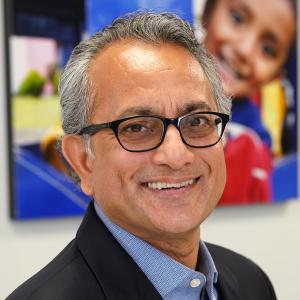
About Neil Ghosh
Neil Ghosh is a seasoned executive whose leadership spans the nonprofit, government, philanthropic, and private sectors. He is the author of Do More Good (Post Hill Press, June 2025), which features a foreword by His Holiness the Dalai Lama. The book showcases some of the most inspiring individuals of our time—changemakers Neil has met and learned from on his journey to ignite meaningful impact. Neil currently serves as President of MGR Professional Services, Inc., is a columnist at Patheos, and a Senior Advisor to both the Ousri Foundation and the Healthy Climate Initiative. His previous leadership roles include CEO of SOS Children’s Villages USA, Executive Vice President of the Global Fund for Children, and CEO of SNV Netherlands Development Organisation USA. His work and insights have been featured in major media outlets including CNN, Devex, the Washington Post, Economic Times, Voice of America, The Australian, Huffington Post, Patheos, and Stanford Social Innovation Review. Learn more: www.neilghosh.org Explore his writings: neilghosh.org/articles You can read more about the author here.
Previous Post

February 19, 2025
America’s Immigration Story: Facts, Myths, and the Future
Next Post

April 22, 2025 Pope Francis and the Global South’s Rise in the Church
Recent Comments
"Though humble and lowly, one's feet are the most trusted vehicles for every pilgrim. Visiting ..."
Why Every Major Religion Pays Attention ..."
"Recent migrants, newly arrived refugees, early settlers, and original inhabitants are all fellow pilgrims on ..."
America at 250: The Country We ..."
"This is such a meaningful and heartfelt read, you’ve shared the idea of religious harmony ..."
Exploring India’s Religious Harmony: A Father-Son ..."
"Doing Dignity is a meaningful project. Living in dignity and dying in dignity is a ..."
What Bhutan Taught Me About Joy ..."
Browse Our Archives
Select a Category Uncategorized
Select a Month August 2026 July 2026 December 2025 August 2025 July 2025 June 2025 May 2025 April 2025 March 2025 February 2025 December 2024 November 2024 October 2024 September 2024 August 2024
Follow Us!
TAKE THE
Religious Wisdom Quiz
How many books in the Bible are named after women?
Select your answer to see how you score.
10 2 1 5
Related posts from Building Bridges
Family
Why Every Major Religion Pays Attention to Feet
Family
Three Days Attempting to Reach Mary Magdalene's Cave

Family
America at 250: The Country We Are Still...
Family
What Bhutan Taught Me About Joy After Two...
TRENDING AT PATHEOS Travel and Religion

I was strolling through the top floor of the brand new Parthenon...

What Does Gêvâh Mean For Kimberley Guifoyle &...
This week, a lot of the news is focused on Kimberly Guilfoyle....

INNER CIRCLE: Profound Mystery (Of Christ In All...
Ephesians 5:31-32 “For this reason, a man will leave his father and...

Do Not Rejoice When Your Enemy Falls: The...
Turning an execution into a public spectacle is a disturbing expression of...

'The Chosen' S6 Trailer: The Passion Gets Very...
Not many watching 'The Chosen' worry about spoilers, but just because they...

The purpose-driven labor priest
A labor activist reads Rick Warren and it gets me wondering about...
view all Travel and Religion blogs
What Are Your Thoughts?leave a comment
Ad-Free & Subscriber Log-In Subscription Support
- About Us
- 2026 Calendar
- Videos
- Podcasts
- Library of World Religions
- Faith In Media Tracker
- Advertise With Us
- Write for Us
- Privacy Policy
- Terms of Service
- Do Not Sell My Data
- Contact Us
- Radiant Digital
- Manage Newsletter Subscriptions
- Unsubscribe From Notifications
- Sitemap
Copyright 2008-2026, Patheos. All rights reserved.
Subscription Support Ad-Free & Subscriber Log-In
Follow Patheos