
BuddhistCatholicContemplativeEvangelicalGeneral ChristianHinduJewishLatter-day SaintMuslimNew VisionsProgressive Christian
Beliefs
- Buddhist
- Catholic
- Contemplative
- Evangelical
- General Christian
- Hindu
- Jewish
- Latter-day Saint
- More Voices
- Muslim
- New Visions
- Pagan
- Progressive Christian
Topics
- Religion News
- Food and Religion
- Sports and Religion
- Religious Art
- Religious Music and Entertainment
- Religious Events
- History and Religion
- Style and Religion
- Politics and Religion
- Women in Religion
- Recreation Outdoors and Religion
- Business Finance and Religion
- Careers Workplace and Religion
- Education and Religion
- Family Parenting and Religion
- Health Fitness and Religion
- Home and Religion
- Relationships and Religion
- Technology and Religion
- Travel and Religion
Columnists
- Buddhist Columnists
- Business Finance and Religion Columnists
- Careers Workplace and Religion Columnists
- Catholic Columnists
- Contemplative Columnists
- Education and Religion Columnists
- Evangelists Columnists
- Family Parenting and Religion Columnists
- General Christian Columnists
- Health Fitness and Religion Columnists
- Hindu Columnists
- History and Religion Columnists
- Home and Religion Columnists
- Jewish Columnists
- More Voices Columnists
- Latter Day Columnists
- Muslim Columnists
- New Visions Columnists
- Nonreligious Columnists
- Pagan Columnists
- Politics and Religion Columnists
- Progressive Columnists
- Recreation Outdoors and Religion Columnists
- Relationships and Religion Columnists
- Religion News Columnists
- Religious Art Columnists
- Religious Events Columnists
- Religious Music and Entertainment Columnists
- Sports and Religion Columnists
- Style and Religion Columnists
- Technology and Religion Columnists
- Travel and Religion Columnists
- Women in Religion Columnists
Resource Library
- 2026 Calendar
- Library of World Religions
- The 100 Most Holy Places on Earth
- Patheos Answers
- Podcasts
- Videos
- Faith Leaders Database
- Anglican Episcopalian
- Bahai
- Baptist
- Buddhism
- Christianity
- Confucianism
- Eastern Orthodoxy
- Hinduism
- Holiness and Pentecostal
- ISKCON
- Islam
- Judaism
- Lutheran
- Methodist
- The Church of Jesus Christ of Latter-day Saints
- New Age
- Paganism
- Presbytarian and Reformed
- Protestantism
- Religion Behind the Scenes
- Roman Catholic
- Scientology
- Shia Islam
- Sikhism
- Sufism
- Sunni Islam
- Taoism
- Zen
- See all religions
Research Tools
 Ad-Free & Subscriber Log-In Subscription Support
Ad-Free & Subscriber Log-In Subscription Support
Follow Patheos 

- Trending:
- Forgiveness
- |
- Marriage
- |
- Consciousness
- |
- Death Penalty
- |
- Election
- |
- Halloween

-
Categories
- Home
- Progressive Christian
- Health, Fitness and Religion
- Does Christianity Need a New Holiness Movement?
Does Christianity Need a New Holiness Movement?
Last updated on: February 6, 2025 at 3:56 am by Gregory T. Smith
Does Christianity Need a New Holiness Movement? 2025-01-27T20:03:47-08:00 Gregory T. Smith
Patheos Explore the world's faith through different perspectives on religion and spirituality! Patheos has the views of the prevalent religions and spiritualities of the world.
Recently, someone told me that Christianity needs a new holiness movement. I agreed with them—but I meant it differently than they did.
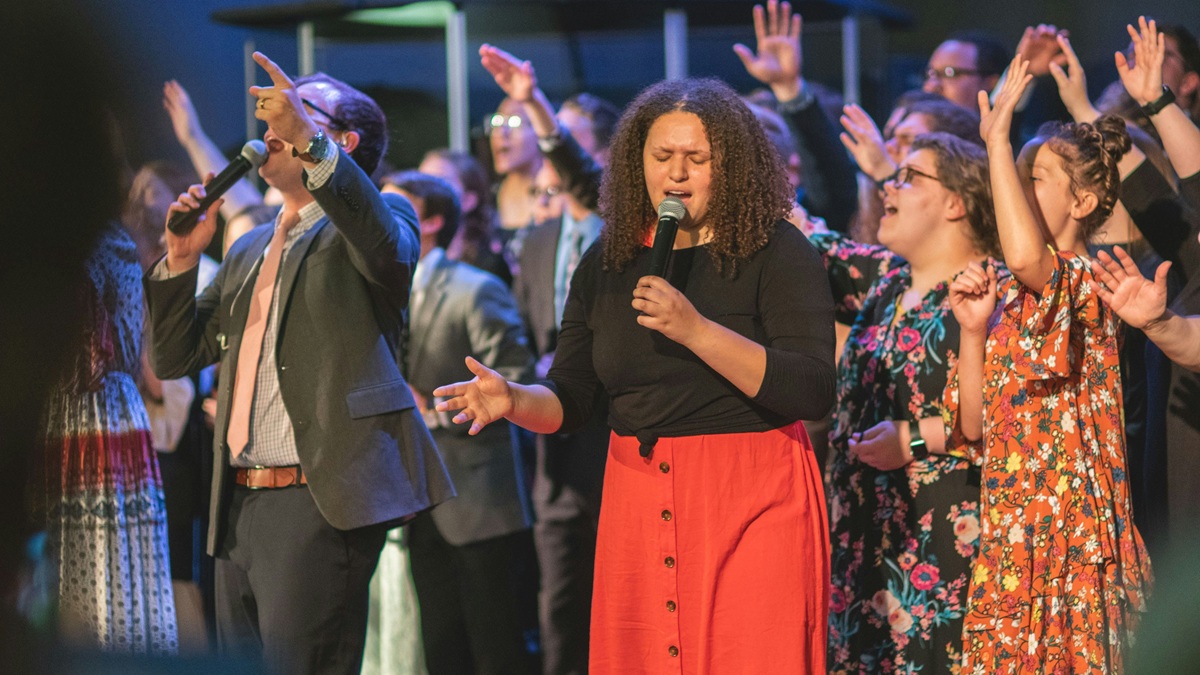
Photo by Geron Dison on Unsplash
Usually, when you hear the term “holiness movement,” you get the image of Pentecostal camp meetings with revival preachers calling people forward for salvation. Holiness, they say, involves turning from sin to avoid the fires of hell. It involves things like baptism (in water and/or the Holy Spirit’s fire), personal piety, modest attire, and abstention from all things worldly.
A New Holiness Movement?
But such outward displays of religion do little to move people’s hearts. Often, they inflame people with feelings of guilt and shame. At best, they create conformity among members of a congregation. At worst, they involve spiritual abuse through the manipulation of people’s emotions. They convince people of their own unworthiness. Hence, believers try to prove their worth by policing the deeds of others. No—we do not need a new holiness movement, if this is what the term means.
What Does “Holiness” Mean?
What does the Bible mean by “holy,” anyway? Strong’s Lexicon says that the Hebrew word is “derived from the root verb קָדַשׁ (qadash), meaning “to be set apart.” This corresponds to the Greek ἅγιος (hagios), which commonly means the same thing, “set apart, saintly, or holy.” It is often said that the word means “other.”
Aloof, Unattainable, Immovable, & Inconceivable
When we ponder God’s holiness, we generally think of scriptures that remind us that God’s standards are wholly better than ours. For example, Isaiah 55:8-9 says:
For my thoughts are not your thoughts,
nor are your ways my ways, says the Lord.
For as the heavens are higher than the earth,
so are my ways higher than your ways
and my thoughts than your thoughts.
These verses remind us that no matter how good, smart, righteous, generous, gracious, or kind we think we are, God is better. This leads us to believe that God is aloof, unattainable, immovable, and (thanks, Vizzini) inconceivable.
A Perfect Being, Offended by Our Sin
Traditionally, we have understood God’s “otherness” as aloofness. God is a perfect being who is offended by our sin. Since God is so much better than we are, the Church has taught us that “God cannot look on sin.” This leads to the lie that our sin separates us from God. We are taught that we are children of a disapproving God, and that Jesus had to die an agonizing death on the cross to save us. So, we have misunderstood the need for holiness, thinking it is a way to gain God’s approval.
Never Good Enough
If we believe that Jesus’s death was our fault, we must constantly try to win God’s approval and be good enough to earn salvation. When I hear the term “holiness movement,” I think of women with their hair in buns and ankle-length skirts, frowning at any girl brazen enough to show her sexy sexy elbows. I imagine men joining accountability groups to discuss how they failed to “bounce their eyes.” Holiness means never being good enough. And frankly, it gives people a complex!
Holier Than Thou
Holiness means more than God being better. Ironically, it also involves Christians being better than everyone else as well. If God is better than we are, and we believe God has called us to be holy—that means we are supposed to be superior to the rest of the world. This creates a holier-than-thou attitude that is based more on appearance than authenticity of spirit. So, living a life of personal holiness means being simultaneously ashamed of your sin and prideful about your spiritual superiority. According to this misconception, if God is aloof, then God’s people should be equally aloof.
Not Holiness, but Wholeness
But God doesn’t care about that kind of holiness. 1 Samuel 16:7b says that…
“…the Lord does not see as mortals see; they look on the outward appearance, but the Lord looks on the heart.”
In Micah 6:6-8, the prophet warns against trying to win God’s approval through religious performance:
“With what shall I come before the Lord
and bow myself before God on high?
Shall I come before him with burnt offerings,
with calves a year old?
Will the Lord be pleased with thousands of rams,
with ten thousands of rivers of oil?
Shall I give my firstborn for my transgression,
the fruit of my body for the sin of my soul?”
He has told you, O mortal, what is good,
and what does the Lord require of you
but to do justice and to love kindness
and to walk humbly with your God?
We cannot win God’s approval by an outward display of religion. What God wants from us is not holiness, but wholeness.
Holiness is Inconsistent with Love
The problem with the traditional idea of holy aloofness is that it is inconsistent with the love of God. We’ve got to conceive of this differently. Perhaps divine love is best summed up in 1 Corinthians 13:4-8a:
Love is patient; love is kind; love is not envious or boastful or arrogant or rude. It does not insist on its own way; it is not irritable; it keeps no record of wrongs; it does not rejoice in wrongdoing but rejoices in the truth. It bears all things, believes all things, hopes all things, endures all things. Love never ends.
Any idea of holiness based on the concept of otherness misses the mark of divine love. It conceptualizes God as impatient, unkind, envious, boastful, arrogant, and rude—a God who insists on God’s own way, is irritable, keeps a constant record of people’s wrongdoings. It perpetuates myths of a God who bears, believes, hopes, endures all our offenses, until God’s love ends in fiery judgment and eternal damnation. If we imagine God’s holiness to be otherness and separation, a God who can’t even look on sin, we’ve misconceived God altogether.
Wholly Alive, Wholly Loving, Wholly Gracious
Instead, if we embrace an understanding of holiness as wholeness, we learn what God’s holiness really means—wholly alive, wholly loving, wholly gracious. If God’s ways are higher than our ways, then we should…
- Quit expecting God to be impatient.
- Quit expecting God to be unkind (vindictive).
- Quit expecting God to be envious.
- Quit expecting God to be boastful, proud, rude.
- Quit expecting God to be easily offended, and to keep record of wrongs.
- Quit expecting God to be rejoice in wrongdoing (like genocide or eternal damnation, for example).
- Quit expecting God to be jealous.
- Quit expecting God to be territorial.
Wholeness means God has everything God needs. For this reason, God doesn’t need to be any of these things. If God does need anything, it’s for God’s people to start living as wholly as God does. This means for us to bear all things, believe all things, hope all things, endure all things. It means for us to unfailingly welcome the stranger, understanding that if God is not aloof, neither should we be. If to God there is no “other,” then for us, wholeness means recognizing that we are all one. Since that is true, we have everything we need as well.
Does Christianity Need a New Holiness Movement?
Previously, I mentioned the person who asked me if Christianity needs a new holiness movement. Someone else suggested we need another Great Awakening. Here’s how I answered:
If by “holiness movement,” we mean a renewed trend toward legalism and morality policing, then no, we don’t need that. However, if by “holiness movement,” we mean moving in the direction of wholeness for ourselves and others, then yes, Christianity needs a new wholeness movement.
If by “Great Awakening,” we mean revivalism that results in poor church attenders becoming regular church attenders, no we don’t need that. But if we mean waking up to the needs of others and realizing our own calling to meet those needs, then yes, Christianity needs another Great Awakening. A woke Church will be wholly dedicated to seeing and serving the needs of others, rather than proclaiming that they are “in the world but not of it.” An awakened Church will understand its connection to God and all living creation. Only by awakening can Jesus’s followers be truly holy—which really means “whole.”
For related reading, check out my other articles:
- Does God Care What I Wear to Church?
- What Would Your Quaker Name Be?
- Is the Gift of Tongues a Second Blessing?
General Christian
Health, Fitness and Religion

About Gregory T. Smith
I live in the beautiful Fraser Valley of British Columbia and work in northern Washington State as a behavioral health specialist with people experiencing homelessness and those who are overly involved in the criminal justice system. Before that, I spent over a quarter-century as lead pastor of several Virginia churches. My newspaper column, “Spirit and Truth” ran in Virginia newspapers for fifteen years. I am one of fourteen contributing authors of the Patheos/Quoir Publishing book “Sitting in the Shade of another Tree: What We Learn by Listening to Other Faiths.” I hold a degree in Religious Studies from Virginia Commonwealth University, and also studied at Baptist Theological Seminary at Richmond. My wife Christina and I have seven children between us, and we are still collecting grandchildren. You can read more about the author here.
Previous Post

February 3, 2025
Jesus & Lao Tzu: Lead Like Yoda
Next Post

February 10, 2025 Renaming God Can Rescue Your Floundering Faith Today
Recent Comments
"Absolutely, Glen! That's a great example! And the Roman centurion who trusted Jesus. I've heard ..."
“Can You Follow Jesus and Still ..."
"Captian of the Syrian military, Naaman in 2 Kings 5 might be considered."
“Can You Follow Jesus and Still ..."
"Hi, Bob. Not sure why it's doing that...I've been having problems with my comments settings. ..."
"OMG, who CARES?!?!"
“Can You Follow Jesus and Still ..."
Browse Our Archives
Select a Category Challenging the Church Deconstruction For Pastors Heathen Christianity Holidays and special days Mental Health Social Justice Spirituality Taoism Theology Uncategorized
Select a Month October 2026 September 2026 August 2026 July 2026 June 2026 May 2026 April 2026 March 2026 February 2026 January 2026 December 2025 November 2025 October 2025 September 2025 August 2025 July 2025 June 2025 May 2025 April 2025 March 2025 February 2025 January 2025 December 2024 November 2024 October 2024 September 2024 August 2024 July 2024 June 2024 May 2024 April 2024 March 2024 February 2024 January 2024 December 2023 November 2023 October 2023 September 2023 August 2023 July 2023 June 2023 May 2023 April 2023 March 2023 February 2023 January 2023 December 2022 November 2022 October 2022 September 2022 August 2022 July 2022 June 2022 May 2022 April 2022 March 2022 February 2022 January 2022
Follow Us!
TAKE THE
Religious Wisdom Quiz
Who took Jesus’ body and placed it in a tomb?
Select your answer to see how you score.
John Peter Joseph of Arimathea Nicodemus
Related posts from Breathing Space

“Can You Follow Jesus and Still Practice Smudging?”

Lead a Church Study of “Jesus and Lao...

The Guest Who Stayed at an Unfriendly Table

When Being a Good Guest Is Better than...
TRENDING AT PATHEOS Progressive Christian

What Being a Modern-Day Apostle Means to Me
In my last column, I discussed the ins and outs of modern-day...

Did Ancient China Once Worship the God of...
Across human history, a common thread weaves through the origins of the...

Love Your Neighbor – Including Earth-Kin: Lev. 19,...
God’s command to love your neighbor means acting in an ethical and...

Lead a Church Study of “Jesus and Lao...
Guest writer Jack Thomas (The Irreverent Reverend) reflects on leading his church...

Pastoral Wisdom for Responding to Sermon Pushback
Getting sermon pushback on your social justice sermon? Learn practical, Proverbs-based strategies...

Principles for Understanding the Apostolic Ministry Today
Whenever people discover that my formal ministry title is "apostle," as in...
view all Progressive Christian blogs
What Are Your Thoughts?leave a comment
Ad-Free & Subscriber Log-In Subscription Support
- About Us
- 2026 Calendar
- Videos
- Podcasts
- Library of World Religions
- Faith In Media Tracker
- Advertise With Us
- Write for Us
- Privacy Policy
- Terms of Service
- Do Not Sell My Data
- Contact Us
- Radiant Digital
- Manage Newsletter Subscriptions
- Unsubscribe From Notifications
- Sitemap
Copyright 2008-2026, Patheos. All rights reserved.
Subscription Support Ad-Free & Subscriber Log-In
Follow Patheos