
BuddhistCatholicContemplativeEvangelicalGeneral ChristianHinduJewishLatter-day SaintMuslimNew VisionsProgressive Christian
Beliefs
- Buddhist
- Catholic
- Contemplative
- Evangelical
- General Christian
- Hindu
- Jewish
- Latter-day Saint
- More Voices
- Muslim
- New Visions
- Pagan
- Progressive Christian
Topics
- Religion News
- Food and Religion
- Sports and Religion
- Religious Art
- Religious Music and Entertainment
- Religious Events
- History and Religion
- Style and Religion
- Politics and Religion
- Women in Religion
- Recreation Outdoors and Religion
- Business Finance and Religion
- Careers Workplace and Religion
- Education and Religion
- Family Parenting and Religion
- Health Fitness and Religion
- Home and Religion
- Relationships and Religion
- Technology and Religion
- Travel and Religion
Columnists
- Buddhist Columnists
- Business Finance and Religion Columnists
- Careers Workplace and Religion Columnists
- Catholic Columnists
- Contemplative Columnists
- Education and Religion Columnists
- Evangelists Columnists
- Family Parenting and Religion Columnists
- General Christian Columnists
- Health Fitness and Religion Columnists
- Hindu Columnists
- History and Religion Columnists
- Home and Religion Columnists
- Jewish Columnists
- More Voices Columnists
- Latter Day Columnists
- Muslim Columnists
- New Visions Columnists
- Nonreligious Columnists
- Pagan Columnists
- Politics and Religion Columnists
- Progressive Columnists
- Recreation Outdoors and Religion Columnists
- Relationships and Religion Columnists
- Religion News Columnists
- Religious Art Columnists
- Religious Events Columnists
- Religious Music and Entertainment Columnists
- Sports and Religion Columnists
- Style and Religion Columnists
- Technology and Religion Columnists
- Travel and Religion Columnists
- Women in Religion Columnists
Resource Library
- 2026 Calendar
- Library of World Religions
- The 100 Most Holy Places on Earth
- Patheos Answers
- Podcasts
- Videos
- Faith Leaders Database
- Anglican Episcopalian
- Bahai
- Baptist
- Buddhism
- Christianity
- Confucianism
- Eastern Orthodoxy
- Hinduism
- Holiness and Pentecostal
- ISKCON
- Islam
- Judaism
- Lutheran
- Methodist
- The Church of Jesus Christ of Latter-day Saints
- New Age
- Paganism
- Presbytarian and Reformed
- Protestantism
- Religion Behind the Scenes
- Roman Catholic
- Scientology
- Shia Islam
- Sikhism
- Sufism
- Sunni Islam
- Taoism
- Zen
- See all religions
Research Tools
 Ad-Free & Subscriber Log-In Subscription Support
Ad-Free & Subscriber Log-In Subscription Support
Follow Patheos 

- Trending:
- Forgiveness
- |
- Marriage
- |
- Consciousness
- |
- Death Penalty
- |
- Election
- |
- Halloween

-
Categories
- Home
- Progressive Christian
- Health, Fitness and Religion
- Can Religion and Spirituality Benefit Mental Health?
Can Religion and Spirituality Benefit Mental Health?
Last updated on: October 4, 2023 at 3:30 am by Gregory T. Smith
Can Religion and Spirituality Benefit Mental Health? 2023-10-02T18:27:13-08:00 Gregory T. Smith
Patheos Explore the world's faith through different perspectives on religion and spirituality! Patheos has the views of the prevalent religions and spiritualities of the world.
A hospital chaplain, pastor, and behavioral health specialist discusses the connection between religion/spirituality and mental health.
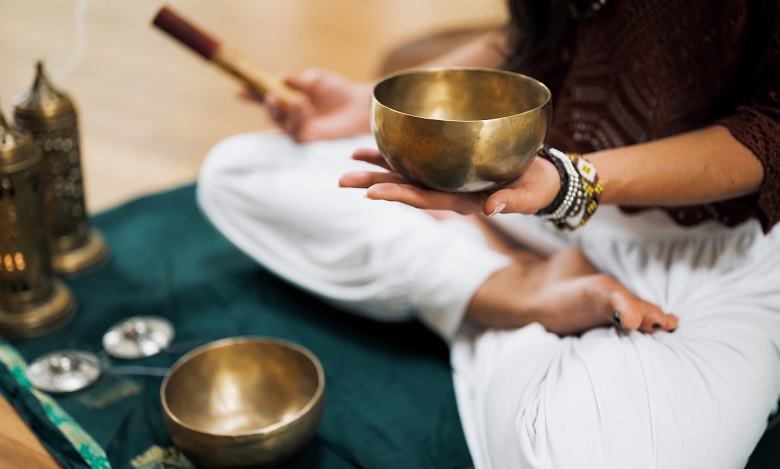
Photo by Conscious Design on Unsplash
In today’s fast-paced world, where your smartphone knows your thoughts before you do, finding solace in religion or spirituality can be a bit like finding a Wi-Fi signal in the middle of a desert – surprisingly comforting! October 10 is World Mental Health Day. It’s a great time to highlight the interconnectedness of body, mind, and spirit, and the psychological comfort religion provides.
Are Psychology and Psychiatry Opposed to Religion?
Many believe that psychology and psychiatry are opposed to religion and spirituality. In my practice, I’ve found it true that while religion can be healthy, it often attracts those who are mentally unstable. Often, delusions can mask themselves as a religious experience. (Click to read “The Difference Between Mental Illness and Demonic Possession.”) Yet, religion and spirituality have also been proven to be beneficial for mental health. In this article, I’ll discuss the positive aspects of religion, and how they promote the mind/body/spirit connection.
Providing a Sense of Belonging and Community
One of the most significant ways in which religion and spirituality can benefit mental health is by providing a sense of belonging and community. Places of worship such as churches, mosques, temples, and synagogues, often serve as gathering points for individuals who share similar beliefs. These communities offer emotional support, friendship, and a sense of belonging that can help combat feelings of loneliness and isolation, which are known contributors to mental health issues like depression and anxiety.
When I was a pastor, clearly one of my tasks was to attract people to my church (the congregation I served). Later, after I switched to social services, a client made me nervous when she asked me to help her find a church. Certainly, it wasn’t my job to impress my beliefs upon my clients. Yet, my agency clarified that I was free to support whatever my clients’ goals were. So, if their goal was to find a church, I could support that—if I would also support their goal of finding a mosque, temple, or synagogue.
Since religion in general supports mental health overall, I thought this was a great idea. I asked my client what type of congregation she was looking for and helped her locate one that met her needs. As she began to engage with her local church, I noticed her stress level decrease and her sense of belonging and community increase.
Offering a Framework for Coping with Stress
Life can be challenging, and stress is an inevitable part of it. Religion and spirituality often offer a framework for coping with stress, providing individuals with rituals, prayers, and meditative practices that help them find solace and inner peace. Prayer and meditation can be like hitting the reset button on your brain. Even the Dalai Lama needs to ‘Ctrl+Alt+Delete’ his thoughts and feelings. Engaging in these practices can reduce the physiological effects of stress and promote relaxation, leading to improved mental well-being.
I’m always looking for tools that help my clients find inner peace. I often give out prayer/meditation beads that correspond to my clients’ religious or spiritual identities and practices. I’ve given out Buddhist mala beads, Muslim tasbih beads, Roman Catholic rosaries, and Protestant prayer beads. These are marvelous tools to help people feel more grounded, peaceful, and focused. I tell them, “I’m not a clinician, so I can’t prescribe medication. But I can prescribe meditation.”
Another tool I have recently discovered is Radiant Foundation’s amazing Skylight app. It’s full of wonderful video and audio selections offering prayers, affirmations, soundtracks, and other assets for wellness. Skylight became the subject of a recent study that proved the psychological benefits of spirituality-related apps. The study indicated that “Spiritual self-care apps like Skylight may be useful in addressing anxiety among GenZennials and be a resource to spiritually connect to their personal spiritual well-being.” I will recommend Skylight to my clients who live with depression, anxiety, loneliness, sleep, stress, and self-esteem issues.
Enhanced Psychological Well-Being
Research has shown that individuals with a strong sense of religious or spiritual belief tend to experience higher levels of psychological well-being. They often report greater life satisfaction, happiness, and lower rates of depression and anxiety. A study published in the American Journal of Psychiatry suggests that individuals with strong religious or spiritual beliefs are less likely to experience major depressive episodes. This enhanced psychological well-being can be attributed to the various ways in which faith and spirituality positively influence mental health.
The Skylight blog reports, “According to a study published in the Journal of Health Psychology, religiosity, spirituality and frequency of prayer have been tied to lower cortisol levels. Cortisol, often referred to as the “stress hormone,” can wreak havoc on our bodies when it’s chronically elevated. But spiritual engagement appears to help us keep this hormone at bay.” If a hymn, meditation, prayer, or spiritual exercise can lower cortisol and increase a person’s sense of well-being, I’d be glad to hear that my clients had such practices.
Offering a Sense of Purpose
Many of the people I work with suffer from a lack of purpose. Careers, homes, relationships, and other stabilizing factors often give people a sense of purpose. Losing these things can destabilize even the steadiest of individuals. Yet, people can maintain their sense of purpose when they focus on things that are eternal.
Gaining your sense of purpose from eternal things is like storing treasure in heaven. Jesus said, “Do not store up for yourselves treasures on earth, where moth and rust consume and where thieves break in and steal, but store up for yourselves treasures in heaven, where neither moth nor rust consumes and where thieves do not break in and steal. For where your treasure is, there your heart will be also**.”** It seems he understood the benefits of a sense of purpose as well.
Belief in an Afterlife
In times of loss, believers often find comfort in the idea that their loved ones have moved on to a better place or that there is a greater purpose behind their suffering. They can look forward to seeing loved ones again in heaven. Those who believe in reincarnation or resurrection can take comfort in the idea that from death comes new life. This perspective can help individuals process grief in a healthy way, preventing prolonged emotional suffering and depression. It promotes resilience and recovery from grief.
As stated above, membership in a congregation of faith offers a sense of community during difficult times. Rituals surrounding death may include care for the dying person, last rites, wakes, memorial services, funerals, scattering of ashes, and other observances. All these contribute to emotional well-being so that we do not “grieve like people who have no hope (1 Thessalonians 4:13 NLT).”
Encouraging Moral and Ethical Values
Often, my clients want to talk about their difficult situations, wondering what is the “right thing to do” in a given situation. Many religions and spiritual belief systems emphasize moral and ethical values such as kindness, honesty, and generosity. These values not only contribute to a more harmonious society but also provide individuals with a sense of moral clarity and integrity. I often find that people with religious or spiritual belief systems have an easier time making the right decision. Acting in accordance with these values can boost self-esteem and mental well-being.
Facilitating Forgiveness and Healing
It’s been said that forgiving someone can be tough, but it’s also like hitting them with a compassion boomerang. You throw it out there, and it comes back to you! I know many people who find themselves hogtied by unforgiveness. They believe they are getting back at the person who harmed them by withholding forgiveness when really, they are just hurting themselves.
Religion and spirituality often encourage forgiveness, both of oneself and others. Letting go of grudges and practicing forgiveness can have a profound impact on mental health. The Harvard Health Blog reports that acts of forgiveness, which are often encouraged by religious and spiritual teachings, are associated with lower levels of anger, anxiety, and depression. Practicing forgiveness and compassion towards self and others can lead to emotional healing and improved overall well-being.
Offering a Sense of Control
Religion often provides individuals with a sense of control over their lives, even in situations where they might otherwise feel powerless. The ability to pray for a situation that is beyond a person’s control gives them the sense that they are doing something beneficial rather than remaining idle. This perceived control can contribute to lower levels of stress and anxiety. Believing that one’s actions are guided by a higher purpose can instill a sense of agency and confidence in facing life’s challenges.
On the flip side, spirituality and religion can include an aspect of giving up control to God. The Serenity Prayer is a favorite of many of my clients living with addiction: “God, grant me the serenity to accept the things I cannot change, the courage to change the things I can, and the wisdom to know the difference.” When a person can recognize the limits of their own ability to change a situation, they can come to peace with it. This “letting go and letting God” is itself a sense of control because it is a decision to allow.
Encouraging Positive Lifestyle Choices
Many religious teachings advocate for healthy living, emphasizing the importance of practices like regular exercise, proper nutrition, and abstaining from harmful substances. These guidelines not only benefit physical health but also play a crucial role in maintaining mental well-being. Without espousing a particular belief system, the Skylight app encourages the kind of body, mind, and spirit balance that most religions would support.
Fostering a Sense of Wonder
I love the scene in Joe Versus the Volcano where Tom Hanks’ character stands facing an impossibly large moonrise. Utterly exhausted yet captivated by the scene he stands with arms outstretched. His quavering voice reflects absolute awe at the immensity not just of the moon but of the universe. “Dear God, whose name I do not know,” he begins. “Thank you for my life. I forgot how big…” Before he passes out, he whispers again, “Thank you. Thank you for my life.”
Sometimes we just forget how big God is. Religion and spirituality help us recapture a sense of wonder. A survey conducted by the Pew Research Center found that 53% of adults who say they feel a sense of wonder about the universe at least once a week are more satisfied with their lives, compared to 19% who do not feel this sense of wonder. Studies prove that this sense of wonder can drastically improve a person’s quality of life—not to mention studies that suggest that people of faith live longer.
Can Religion and Spirituality Benefit Mental Health?
While there can be a negative impact that unhealthy religion has on mental health, studies show the profound benefits of healthy spiritual practices. They can provide a sense of belonging and community and provide coping mechanisms for stress. Positive spirituality enhances psychological well-being and promotes a sense of purpose. Belief in the afterlife offers comfort and hope while promoting resilience and grief recovery. Religion encourages moral and ethical values and facilitates forgiveness and healing. It offers a sense of control, encourages positive lifestyle choices, and fosters a sense of wonder. Regardless of specific belief systems, religion and spirituality benefit mental health and promote a body, mind, and spirit connection.
For related reading, check out these articles:
- Could Suicide Prevention Tools Have Saved Judas Iscariot?
- “What is the Opposite of Love?” by Guest Writer Jack Thomas
- Bell Let’s Talk Day: Ending the Stigma of Mental Illness
General Christian
Health, Fitness and Religion
Education and Religion
studies on religion and mental health

About Gregory Smith
I live in the beautiful Fraser Valley of British Columbia and work in northern Washington State as a behavioral health specialist with people experiencing homelessness and those who are overly involved in the criminal justice system. Before that, I spent over a quarter-century as lead pastor of several Virginia churches. My newspaper column, “Spirit and Truth” ran in Virginia newspapers for a dozen years. My wife Christina and I have seven children between us, and we are still collecting grandchildren. You can read more about the author here.
Previous Post

September 29, 2023
21 Scary Bible Costume Ideas for Holy-Ween
Next Post

October 7, 2023 "What's Canadian Thanksgiving Aboot?" An American Explains
Recent Comments
"Absolutely, Glen! That's a great example! And the Roman centurion who trusted Jesus. I've heard ..."
“Can You Follow Jesus and Still ..."
"Captian of the Syrian military, Naaman in 2 Kings 5 might be considered."
“Can You Follow Jesus and Still ..."
"Hi, Bob. Not sure why it's doing that...I've been having problems with my comments settings. ..."
"OMG, who CARES?!?!"
“Can You Follow Jesus and Still ..."
Browse Our Archives
Select a Category Challenging the Church Deconstruction For Pastors Heathen Christianity Holidays and special days Mental Health Social Justice Spirituality Taoism Theology Uncategorized
Select a Month October 2026 September 2026 August 2026 July 2026 June 2026 May 2026 April 2026 March 2026 February 2026 January 2026 December 2025 November 2025 October 2025 September 2025 August 2025 July 2025 June 2025 May 2025 April 2025 March 2025 February 2025 January 2025 December 2024 November 2024 October 2024 September 2024 August 2024 July 2024 June 2024 May 2024 April 2024 March 2024 February 2024 January 2024 December 2023 November 2023 October 2023 September 2023 August 2023 July 2023 June 2023 May 2023 April 2023 March 2023 February 2023 January 2023 December 2022 November 2022 October 2022 September 2022 August 2022 July 2022 June 2022 May 2022 April 2022 March 2022 February 2022 January 2022
Follow Us!
TAKE THE
Religious Wisdom Quiz
What Christian group requires its members to serve as missionaries?
Select your answer to see how you score.
Latter-day Saints Baptists Anglicans Jehovah’s Witnesses
Related posts from Breathing Space

Jesus and Lao Tzu: Seven Striking Parallels

Mo Thomas: Book Review from a Black Hole

“You Got Your Lao Tzu on My Jesus!”

If Birds Talked, They Couldn’t Fly
TRENDING AT PATHEOS Progressive Christian

Why Christians Have a Sacred Duty to Vote:...
The Bible offers strong support for the sacred duty to vote. Here...

What Being a Modern-Day Apostle Means to Me
In my last column, I discussed the ins and outs of modern-day...

Did Ancient China Once Worship the God of...
Across human history, a common thread weaves through the origins of the...

Love Your Neighbor – Including Earth-Kin: Lev. 19,...
God’s command to love your neighbor means acting in an ethical and...

Lead a Church Study of “Jesus and Lao...
Guest writer Jack Thomas (The Irreverent Reverend) reflects on leading his church...

Principles for Understanding the Apostolic Ministry Today
Whenever people discover that my formal ministry title is "apostle," as in...
view all Progressive Christian blogs
What Are Your Thoughts?leave a comment
Ad-Free & Subscriber Log-In Subscription Support
- About Us
- 2026 Calendar
- Videos
- Podcasts
- Library of World Religions
- Faith In Media Tracker
- Advertise With Us
- Write for Us
- Privacy Policy
- Terms of Service
- Do Not Sell My Data
- Contact Us
- Radiant Digital
- Manage Newsletter Subscriptions
- Unsubscribe From Notifications
- Sitemap
Copyright 2008-2026, Patheos. All rights reserved.
Subscription Support Ad-Free & Subscriber Log-In
Follow Patheos