
BuddhistCatholicContemplativeEvangelicalGeneral ChristianHinduJewishLatter-day SaintMuslimNew VisionsProgressive Christian
Beliefs
- Buddhist
- Catholic
- Contemplative
- Evangelical
- General Christian
- Hindu
- Jewish
- Latter-day Saint
- More Voices
- Muslim
- New Visions
- Pagan
- Progressive Christian
Topics
- Religion News
- Food and Religion
- Sports and Religion
- Religious Art
- Religious Music and Entertainment
- Religious Events
- History and Religion
- Style and Religion
- Politics and Religion
- Women in Religion
- Recreation Outdoors and Religion
- Business Finance and Religion
- Careers Workplace and Religion
- Education and Religion
- Family Parenting and Religion
- Health Fitness and Religion
- Home and Religion
- Relationships and Religion
- Technology and Religion
- Travel and Religion
Columnists
- Buddhist Columnists
- Business Finance and Religion Columnists
- Careers Workplace and Religion Columnists
- Catholic Columnists
- Contemplative Columnists
- Education and Religion Columnists
- Evangelists Columnists
- Family Parenting and Religion Columnists
- General Christian Columnists
- Health Fitness and Religion Columnists
- Hindu Columnists
- History and Religion Columnists
- Home and Religion Columnists
- Jewish Columnists
- More Voices Columnists
- Latter Day Columnists
- Muslim Columnists
- New Visions Columnists
- Nonreligious Columnists
- Pagan Columnists
- Politics and Religion Columnists
- Progressive Columnists
- Recreation Outdoors and Religion Columnists
- Relationships and Religion Columnists
- Religion News Columnists
- Religious Art Columnists
- Religious Events Columnists
- Religious Music and Entertainment Columnists
- Sports and Religion Columnists
- Style and Religion Columnists
- Technology and Religion Columnists
- Travel and Religion Columnists
- Women in Religion Columnists
Resource Library
- 2026 Calendar
- Library of World Religions
- The 100 Most Holy Places on Earth
- Patheos Answers
- Podcasts
- Videos
- Faith Leaders Database
- Anglican Episcopalian
- Bahai
- Baptist
- Buddhism
- Christianity
- Confucianism
- Eastern Orthodoxy
- Hinduism
- Holiness and Pentecostal
- ISKCON
- Islam
- Judaism
- Lutheran
- Methodist
- The Church of Jesus Christ of Latter-day Saints
- New Age
- Paganism
- Presbytarian and Reformed
- Protestantism
- Religion Behind the Scenes
- Roman Catholic
- Scientology
- Shia Islam
- Sikhism
- Sufism
- Sunni Islam
- Taoism
- Zen
- See all religions
Research Tools
 Ad-Free & Subscriber Log-In Subscription Support
Ad-Free & Subscriber Log-In Subscription Support
Follow Patheos 

- Trending:
- Forgiveness
- |
- Marriage
- |
- Consciousness
- |
- Death Penalty
- |
- Election
- |
- Halloween

-
Categories
- Home
- Progressive Christian
- Religious Music and Entertainment
- Worship Wars: Which Type of Church is Best?
Worship Wars: Which Type of Church is Best?
Last updated on: March 19, 2023 at 6:21 pm by Gregory T. Smith
Worship Wars: Which Type of Church is Best? 2023-03-19T18:21:01-08:00 Gregory T. Smith
Patheos Explore the world's faith through different perspectives on religion and spirituality! Patheos has the views of the prevalent religions and spiritualities of the world.
Which type of church is best? Everyone has their opinion about worship style. Let’s examine three main worship styles and find which type of church is best for you.
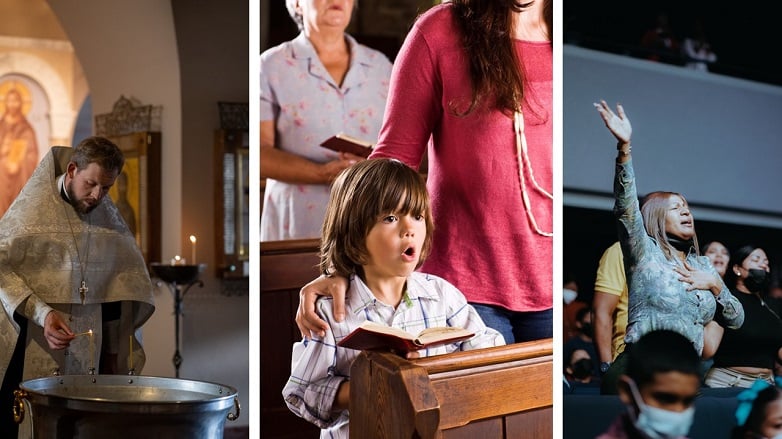
Image 1 by Ron Lach on Pexels. Image 2 by Jupiterimages on Free Images. Image 3 by Luis Quintero on Pexels.
Other People’s Worship Styles
I’m tired of hearing folks criticize other people’s worship styles. Religious pundits love to explain why other churches are doing it wrong and theirs is doing it right. In this article, I’ll summarize three worship styles, then look at the cons and pros (in that order) of each. In the end, I’ll come to a conclusion that you probably won’t like, if you’re really attached to a particular style. We’ll decide once and for all, which type of church is best (for you).
Types of Churches: Awkward Terminology
You may have heard the terms high church and low church. These designations are not meant to designate superiority or inferiority either of the worship style or the people doing the worship. They are merely meant to reflect a high degree of formality and have a low degree of formality. Yet, because they connote a sense of “high class” and “low class,” I will not use them.
Instead, I will use other awkward terminology that has its own limitations, but at least does not suggest superiority and inferiority. I’ll discuss the three categories of liturgical, traditional, and contemporary. This is awkward because every tradition has its liturgy. Even “non-liturgical” churches have their repeated worship elements that no Sunday service could do without.
Likewise, every church has its traditions—even churches that might think they’re “non-traditional.” And every church is contemporary because that word simply means in the present moment. So, even the most liturgical church is contemporary, and even the most contemporary church has its liturgies. I confess that the terminology is awkward—but it’s the best we have. So, let’s move on to the three major styles of worship.
LITURGICAL CHURCHES
When I refer to liturgical churches, I’m talking about a worship style that generally involves the use of prescribed lectionary readings and liturgy. Scripture holds a high place in liturgical churches, often with all four passages read from the lectionary.
Some jokingly call these “smells and bells” churches. They are known for candles, paraments, incense, and elaborately decorated sanctuaries. Clergy, as well as other functionaries in the worship service, often wear robes, stoles, and other vestments. Worshipers, too, dress up to attend church.
Worship postures for congregants include standing, sitting, and kneeling. Prayers are often written and read in unison. Sermon length is often ten minutes, disproportionate to the length of robes.
Cons
- Prescribed liturgies and lectionary readings that lend a sense of predictability can also detract from creativity and spontaneity. Some say that requiring pastors to follow a lectionary detracts from the spiritual practice of discerning which text God would have the preacher choose.
- Liturgical churches can feel stuffy to some people. An excess of formality can make some people feel stifled. It can cause the transcendent to feel distant and unattainable.
- Some feel that liturgical churches are out of touch with culture. Because the musical style is different from what you might hear on the radio, many people feel that it not relevant to today. The use of robes, candles, et cetera, makes some feel that the church is unrelatable, and the clergy unapproachable.
Pros
- Prescribed liturgy means that worshipers know what to expect. A traveler can leave their own church and worship with other congregations that follow the same lectionary, knowing that folks back home are hearing the same lessons. Also, when the minister follows the 3-year cycle of lessons, they have covered the highlights of the Bible in 3 years. Using a lectionary demystifies the selection of scripture passages. It suggests that preaching is less about asking God which scriptures to use, and more about asking God how to illuminate the scripture that’s before you.
- Vestments, candles, incense, and elaborate decorations all contribute to a sense of awe and reverence for a transcendent god. Musical styles tend to be more formal and grander, contributing to that same sense of reverence.
- Because the musical style is different from what you would find on the radio, it creates a sense of holiness. Many people are drawn to liturgical churches because they feel ancient. Some people are attracted to the deep mystery of a faith where members of the clergy dress like wizards. The formality of worship gives people a sense of connection to something bigger.
TRADITIONAL CHURCHES
These churches are more formal than contemporary congregations, yet less formal than liturgical ones. They represent a mid-ground in many ways. Traditional churches prefer less elaborate sanctuaries. Clergy and laity typically dress up for church, but ministers only wear robes for special occasions.
In contrast to liturgical churches, traditional churches offer short scripture readings and long sermons. Typically, only one scripture is used as the focal point for the service, in contrast to the four lectionary readings found in liturgical churches. That one passage is typically chosen by the pastor.
Traditional churches prefer simple hymns over either the worship music of contemporary churches or the classical-feeling music associated with liturgical churches. Most of the hymns in traditional churches are at least a generation old if they don’t date back hundreds of years.
Worship postures in traditional churches involve standing or sitting. Kneeling and hand-raising are rare. Occasionally, traditional churches incorporate the liturgical styles of decoration, vestment, and music. Sometimes, they use contemporary music as well. Yet, while they borrow these things, members of traditional churches don’t want to see their congregations go too far in either direction.
Cons
- Dressing up for church is expensive. Expecting attendees to wear suits and dresses can create a financial burden or expectation upon the Church members.
- Many complain about the same old songs. While people love the old favorites, many get frustrated at the limited musical repertoire. In rural churches, many of the old favorites can develop a country twang, giggled at by people from both contemporary and liturgical traditions. Traditional churches take a long time to learn anything new.
- Because pastors usually don’t preach from assigned lectionary readings, there can be a tendency to focus on whichever scriptures the pastor prefers. Parishioners don’t get the sampling of scripture over the course of the three-year lectionary cycle.
- Because traditional churches are a midpoint between liturgical and contemporary, many criticize them for not being liturgical or contemporary enough. A little bit of liturgy and a little bit of contemporary music often make everyone unhappy.
Pros
- Traditional churches shy away from clerical vestments out of the feeling that they contribute too much to a separation between clergy and laity. Traditional churches view this as a good thing.
- While traditional church sanctuaries are less ornate than liturgical churches, they still tend to have attractive sanctuaries. Most take pride in the appearance of their sanctuary and consider it a holy place.
- Because traditional church music changes slowly, so the hymns communicate a sense of venerability. The music feels neither modern nor medieval. Generations of people grow up singing the same songs, which makes it easy to settle into the old favorites.
- Traditional churches shy away from the word liturgy, but their order of worship tends to be fairly standard. Without the lectionary, pastors are free to preach topical series or teach through a book of the Bible verse by verse. Preaching is typically twenty to thirty minutes in length—what traditional churches consider a “Goldilocks zone” for sermons.
CONTEMPORARY CHURCHES
Contemporary churches are less formal than liturgical or traditional churches. They often decorate their sanctuaries with extreme simplicity, like barn wood backdrops and industrial-style light fixtures. For them, it’s neither style of dress nor manner of decoration that creates a sense of awe and wonder. Instead, they rely on music. This is because many contemporary churches meet in temporary, rented spaces where extensive decoration is not possible. Sanctuaries are often multi-purpose rooms and don’t have the characteristic “sacred space” feel.
Contemporary Christian music is the sort you might find on radio stations. These churches strive to have the most updated music, so congregants will feel that the faith they sing is relevant in today’s culture. This causes church leaders to change the music frequently. Most contemporary churches have a band that leads the worship, complete with a keyboard, drums, and both electric and acoustic guitars. You might find people worshiping while standing, sitting, kneeling (privately), or even dancing.
In contemporary churches, the pastor and congregation all show up in casual attire. It’s not uncommon for a minister to preach while wearing jeans and a tee shirt, or shorts and sandals. Contemporary churches emphasize a come-as-you-are attitude.
Contemporary churches have fewer elements of worship than traditional or liturgical churches. For them, it’s all about singing and preaching. Pastors do not use the lectionary but select passages of scripture on their own. The reading of scripture is often incorporated into the sermon, rather than scripture readings being a separate element in the worship service. Sermon length is often thirty to forty-five minutes.
Cons
- Because of the come-as-you-are attitude, many people feel that contemporary churches lack a sense of reverence and holiness. Some criticize pastors in skinny jeans, and sanctuaries with coffee bars.
- Worship bands can get caught up in special effects and innovation. Not all, and not even most, worship bands are this way. But some can create such an atmosphere with crashing cymbals, smoke machines, and laser shows that they forget the Spirit’s anointing can’t be manufactured. Band members can become minor celebrities, with rock star attitudes.
- Long sermons can be hard to sit through. While some in liturgical churches might describe sermon delivery as boring, at least they’re only ten minutes! There’s good reason for a long sermon (see below), but pastors can lose touch with their audience’s attention span. To hold their attention, some may resort to gimmicky preaching techniques.
Pros
- Because of the come-as-you-are attitude, attendees feel welcome regardless of their financial status. No one is singled out for what they wear. There is no separation between clergy and laity on account of dress—which means no concept of hierarchy among believers. Because of this egalitarianism of dress, many people who view liturgical or traditional churches as stuffy feel comfortable in contemporary churches.
- Church music is the same as you might hear on Christian radio, so it’s easy to incorporate Christian songs into everyday life. While listening to the radio, you remember experiences you had in church. While in church, you find that you’re singing a familiar song. It’s hard to find hymns on the radio, but if you go to a contemporary church, you can tune into your local Christian station and hear church music all day.
- Sermons are longer due to increasing biblical illiteracy in the prevailing culture. 50 years ago, a preacher could make a side reference to Shadrach, Meshach, and Abednego, with no explanation necessary. Everybody would get the reference. Today, you have to explain more. Contemporary church pastors take the time to do that.
Which Type of Church is Best?
So, with all these factors to consider, which type of church is best? There’s no one right answer. It depends on what’s best for you. But here are some factors to consider:
- Worship style may be less important than theology. In my experience, most Protestant churches get more conservative as they get more contemporary. They often become more liberal as they move in the direction of liturgy. Not all churches are this way—the church I attend is both contemporary in style and progressive in theology. But this tendency bears out in Protestant churches. For your own needs, you might need to choose a church based more on theology than worship style.
- Worship style may be less important than community. For example, you might prefer liturgical worship, yet you live in an area where there are no liturgical churches. To worship with your friends and neighbors, and to involve a long church commute, you might need to choose between the available contemporary and traditional congregations. Sometimes your choice is based on what’s closest to your needs, rather than what’s the perfect fit.
- Worship style may be less important than family. If it’s important that your household members all attend the same church, you might have some hard choices to make. You might prefer traditional, while your spouse wants a liturgical church, and your kids crave contemporary music. You might have to employ some Spock logic, where you admit that “the needs of the many outweigh the needs of the few or the one.”
- Remember—God has no favorite worship style. Jesus doesn’t prefer one brand of church to another. What we’re talking about is style, not the presence of the Holy Spirit. It’s a fallacy to believe that one kind of worship is more anointed than another. It is true that because of your background and preferences, you might feel the Spirit more through one style or another. This leads us to the next consideration:
- What irritates you is dear to someone else. Your style isn’t the correct style—it’s just your preference. So, please avoid criticizing liturgical churches as “stuffy.” Through ancient liturgy, they express a sense of sublime wonder and mystery. Please avoid calling traditional churches “dead,” or their music “old-fashioned.” Through their constancy, they offer a sense of stability in a fast-paced and ever-changing world. Please avoid making fun of “entertainment” or “rock concert” contemporary churches. They are trying to be relevant in a culture that appreciates high production value, current songs, and coffee—lots of coffee.
Which Type of Church is Best…FOR YOU?
So, choose the kind of church that’s best for you and your situation. Maybe your church offers a variety of worship services, representing different styles. This could be ideal if you value elements of each. You might just find something new that moves your spirit, that you never would have experienced had you remained with just one style. It’s important that Christians learn to appreciate the worship styles of other believers. Because in Heaven, we’ll probably all sing the Old Rugged Cross, the Gloria Patri, and I Speak Jesus.
Caveat:
This article does not take into account theological distinctions such as Protestant, Roman Catholic, Orthodox, or Charismatic. These distinguishing factors also play a role in worship services. For example, they affect the way a church celebrates the Eucharist (Lord’s Supper, Communion). But these theological factors do not determine whether a church is liturgical, traditional, or contemporary.
I have also not factored in the significance of racial, cultural, linguistic, and ethnic distinctions within congregations. These would go beyond the scope of a single article. For example, you might have a charismatic, Latinx, liturgical church. Or a Black, traditional, Protestant church. Differences in theology, race, ethnicity, language, and culture will certainly affect the flavor of the worship service. The purpose of this article is merely to compare and contrast the differences in three styles that cross social and theological boundaries.
For Further Reading:
If you find yourself arguing with people over which worship style is the best (as my brother and I have done in the past), please check out my article, “When My Brother is Wrong: 8 Steps to Peace.”
General Christian
Religious Music and Entertainment
Family, Parenting and Religion
Previous Post

February 13, 2023
Hey, Church! Stop Denying People Romance!
Next Post

February 21, 2023 Youth Leave U.S. Pews Like Rats from a Sinking Church
Recent Comments
"Absolutely, Glen! That's a great example! And the Roman centurion who trusted Jesus. I've heard ..."
“Can You Follow Jesus and Still ..."
"Captian of the Syrian military, Naaman in 2 Kings 5 might be considered."
“Can You Follow Jesus and Still ..."
"Hi, Bob. Not sure why it's doing that...I've been having problems with my comments settings. ..."
"OMG, who CARES?!?!"
“Can You Follow Jesus and Still ..."
Browse Our Archives
Select a Category Challenging the Church Deconstruction For Pastors Heathen Christianity Holidays and special days Mental Health Social Justice Spirituality Taoism Theology Uncategorized
Select a Month October 2026 September 2026 August 2026 July 2026 June 2026 May 2026 April 2026 March 2026 February 2026 January 2026 December 2025 November 2025 October 2025 September 2025 August 2025 July 2025 June 2025 May 2025 April 2025 March 2025 February 2025 January 2025 December 2024 November 2024 October 2024 September 2024 August 2024 July 2024 June 2024 May 2024 April 2024 March 2024 February 2024 January 2024 December 2023 November 2023 October 2023 September 2023 August 2023 July 2023 June 2023 May 2023 April 2023 March 2023 February 2023 January 2023 December 2022 November 2022 October 2022 September 2022 August 2022 July 2022 June 2022 May 2022 April 2022 March 2022 February 2022 January 2022
Follow Us!
TAKE THE
Religious Wisdom Quiz
Which queen tried to kill the royal seed?
Select your answer to see how you score.
Pharoah's Daughter Esther Athaliah Sarah
Related posts from Breathing Space

“Can You Follow Jesus and Still Practice Smudging?”

Lead a Church Study of “Jesus and Lao...

The Guest Who Stayed at an Unfriendly Table

When Being a Good Guest Is Better than...
TRENDING AT PATHEOS Progressive Christian

Why Christians Have a Sacred Duty to Vote:...
The Bible offers strong support for the sacred duty to vote. Here...

What Being a Modern-Day Apostle Means to Me
In my last column, I discussed the ins and outs of modern-day...

Did Ancient China Once Worship the God of...
Across human history, a common thread weaves through the origins of the...

Love Your Neighbor – Including Earth-Kin: Lev. 19,...
God’s command to love your neighbor means acting in an ethical and...

Lead a Church Study of “Jesus and Lao...
Guest writer Jack Thomas (The Irreverent Reverend) reflects on leading his church...

Principles for Understanding the Apostolic Ministry Today
Whenever people discover that my formal ministry title is "apostle," as in...
view all Progressive Christian blogs
What Are Your Thoughts?leave a comment
Ad-Free & Subscriber Log-In Subscription Support
- About Us
- 2026 Calendar
- Videos
- Podcasts
- Library of World Religions
- Faith In Media Tracker
- Advertise With Us
- Write for Us
- Privacy Policy
- Terms of Service
- Do Not Sell My Data
- Contact Us
- Radiant Digital
- Manage Newsletter Subscriptions
- Unsubscribe From Notifications
- Sitemap
Copyright 2008-2026, Patheos. All rights reserved.
Subscription Support Ad-Free & Subscriber Log-In
Follow Patheos