
BuddhistCatholicContemplativeEvangelicalGeneral ChristianHinduJewishLatter-day SaintMuslimNew VisionsProgressive Christian
Beliefs
- Buddhist
- Catholic
- Contemplative
- Evangelical
- General Christian
- Hindu
- Jewish
- Latter-day Saint
- More Voices
- Muslim
- New Visions
- Pagan
- Progressive Christian
Topics
- Religion News
- Food and Religion
- Sports and Religion
- Religious Art
- Religious Music and Entertainment
- Religious Events
- History and Religion
- Style and Religion
- Politics and Religion
- Women in Religion
- Recreation Outdoors and Religion
- Business Finance and Religion
- Careers Workplace and Religion
- Education and Religion
- Family Parenting and Religion
- Health Fitness and Religion
- Home and Religion
- Relationships and Religion
- Technology and Religion
- Travel and Religion
Columnists
- Buddhist Columnists
- Business Finance and Religion Columnists
- Careers Workplace and Religion Columnists
- Catholic Columnists
- Contemplative Columnists
- Education and Religion Columnists
- Evangelists Columnists
- Family Parenting and Religion Columnists
- General Christian Columnists
- Health Fitness and Religion Columnists
- Hindu Columnists
- History and Religion Columnists
- Home and Religion Columnists
- Jewish Columnists
- More Voices Columnists
- Latter Day Columnists
- Muslim Columnists
- New Visions Columnists
- Nonreligious Columnists
- Pagan Columnists
- Politics and Religion Columnists
- Progressive Columnists
- Recreation Outdoors and Religion Columnists
- Relationships and Religion Columnists
- Religion News Columnists
- Religious Art Columnists
- Religious Events Columnists
- Religious Music and Entertainment Columnists
- Sports and Religion Columnists
- Style and Religion Columnists
- Technology and Religion Columnists
- Travel and Religion Columnists
- Women in Religion Columnists
Resource Library
- 2026 Calendar
- Library of World Religions
- The 100 Most Holy Places on Earth
- Patheos Answers
- Podcasts
- Videos
- Faith Leaders Database
- Anglican Episcopalian
- Bahai
- Baptist
- Buddhism
- Christianity
- Confucianism
- Eastern Orthodoxy
- Hinduism
- Holiness and Pentecostal
- ISKCON
- Islam
- Judaism
- Lutheran
- Methodist
- The Church of Jesus Christ of Latter-day Saints
- New Age
- Paganism
- Presbytarian and Reformed
- Protestantism
- Religion Behind the Scenes
- Roman Catholic
- Scientology
- Shia Islam
- Sikhism
- Sufism
- Sunni Islam
- Taoism
- Zen
- See all religions
Research Tools
 Ad-Free & Subscriber Log-In Subscription Support
Ad-Free & Subscriber Log-In Subscription Support
Follow Patheos 

- Trending:
- Forgiveness
- |
- Marriage
- |
- Consciousness
- |
- Death Penalty
- |
- Election
- |
- Halloween
 Church Grammar
- Home
- Evangelical
- The Sermon on the Mount and Jesus’s Command to “Be Perfect”
The Sermon on the Mount and Jesus’s Command to “Be Perfect”
Last updated on: September 5, 2017 at 7:11 am by Brandon D. Smith
The Sermon on the Mount and Jesus’s Command to “Be Perfect” 2017-09-04T21:53:02-05:00 Brandon D. Smith
Patheos Explore the world's faith through different perspectives on religion and spirituality! Patheos has the views of the prevalent religions and spiritualities of the world.
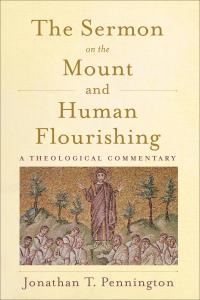 On Episode 28 of Word Matters, Jonathan Pennington joined us to discuss Jesus’s command to “be perfect as your heavenly Father is perfect” (Matt. 5:48). What does it mean to “be perfect,” especially in light of the fact that we know no one is or can be perfect in a sinful world?
Pennington helpfully explained that “perfection” as it’s often translated in Matthew’s Gospel doesn’t mean sinlessness. When considered against its Old Testament roots, the word used here (τελειος , “teleios“) means something more like “wholeness,” “peace,” or “flourishing.” Further, in the Hellenistic tradition that had already infiltrated the world of the Bible’s writing, this term is related to a “wisely learned person” who is virtuous in his being, and not inconsistent in his inward vs. outward life. Jesus isn’t calling us to sinless perfection here (though he never allows us an excuse to sin), but is rather calling us to be whole like his Father. Indeed, Pennington translates Matthew 5:48 in his commentary—The Sermon on the Mount and Human Flourishing—this way:
Therefore, you shall be whole as you heavenly Father is whole. (203)
But what does it mean to be whole in the sense that Jesus is getting at? As Pennington explained on the podcast, this term tells us that we can be blameless without being faultless. Because God knows we can’t live sinlessly (though that’d be ideal), he can still call us to a consistent and growing dedication. In other words, God is calling each of his people to be a type of person. “He wants a wholeness of heart, not a perfection of behavior.” Or as he says in his book,
…the Christian’s life must be marked by a way of being in the world that accords with God’s nature, will, and coming kingdom. The requirement of wholeness or heart-affections-behavior righteousness in 5:48, in imitation of God the Father, is a great summary of the gracious invitation of the gospel… (206)
Pennington (rightly) argues that this idea of wholeness (teleios) is “the summary call of the ethics of the kingdom” (203). The beginning of the Sermon gives examples of what wholeness is (notice how they represent the ethics of God’s kingdom and therefore the character of God himself), and then the rest of the Sermon lays out instructions for what this wholeness looks like as it is lived out in the now-and-not-yet.
We should not white-knuckle good deeds, but rather rest in the righteousness of Christ as the Spirit works through us to make us into his image.
Check out some other confusing passages we’ve tackled:
- Was Jesus created?
- What does the number 666 mean?
- Was Adam an historical person?
- Did Jesus call a woman a dog?
- What is the Abomination of Desolation?
—
Stay in touch! Email me at [email protected] or connect with me on Academia.edu.
Next Post

September 7, 2017 Two Tools that Make My PhD Life Easier
Browse Our Archives
Select a Category Academics Apologetics Baptists Biblical Interpretation Biblical Studies Blog News Books Christian Life Church History Culture Ecclesiology Eschatology Gospel Interviews New Creation News Politics Science Scripture Sexual Sin Social Media Spiritual Discipline The Smorgasbord Theology Trinity Word Matters Podcast
Select a Month September 2017 August 2017 July 2017 June 2017 May 2017 April 2017 March 2017 February 2017 January 2017 December 2016 November 2016 October 2016 September 2016 August 2016 July 2016 June 2016 May 2016 April 2016 December 2015 November 2015 October 2015 July 2015 June 2015 May 2015 April 2015 March 2015 February 2015
TAKE THE
Religious Wisdom Quiz
I married an unfaithful wife to illustrate God's relationship with Israel. What was my wife's name?
Select your answer to see how you score.
Delilah Gomer Bathsheba Jezebel
Books by This Author Books by Brandon D. Smith
Related posts from Church Grammar

What We Know about Arius and His Heresy

Why Did the Book of Revelation Outlast Other...

Blood Moons, Babylonian Whores, and Reading Revelation Rightly

Jesus, Jonah, and Doubting God
TRENDING AT PATHEOS Evangelical

How the author of the world's best hymn...
I've been working with John Newton for a while now. This makes...

Long before this Lectio Divina, Psalm 130 - the song - started...

What About the Trees? Another Living Parable
After I finished writing the last article about falling leaves as a...

Why Classical Education Is a Conversation, Not a...
Come and Read: Joy in Classical Education When I was a little...

Falling Leaves: A Living Parable on Letting Go
I’ve spent the vast majority of my life in the southeast corner...

Cornell University has received a great deal of negative publicity and intense...
view all Evangelical blogs
Ad-Free & Subscriber Log-In Subscription Support
- About Us
- 2026 Calendar
- Videos
- Podcasts
- Library of World Religions
- Faith In Media Tracker
- Advertise With Us
- Write for Us
- Privacy Policy
- Terms of Service
- Do Not Sell My Data
- Contact Us
- Radiant Digital
- Manage Newsletter Subscriptions
- Unsubscribe From Notifications
- Sitemap
Copyright 2008-2026, Patheos. All rights reserved.
Subscription Support Ad-Free & Subscriber Log-In
Follow Patheos