
BuddhistCatholicContemplativeEvangelicalGeneral ChristianHinduJewishLatter-day SaintMuslimNew VisionsProgressive Christian
Beliefs
- Buddhist
- Catholic
- Contemplative
- Evangelical
- General Christian
- Hindu
- Jewish
- Latter-day Saint
- More Voices
- Muslim
- New Visions
- Pagan
- Progressive Christian
Topics
- Religion News
- Food and Religion
- Sports and Religion
- Religious Art
- Religious Music and Entertainment
- Religious Events
- History and Religion
- Style and Religion
- Politics and Religion
- Women in Religion
- Recreation Outdoors and Religion
- Business Finance and Religion
- Careers Workplace and Religion
- Education and Religion
- Family Parenting and Religion
- Health Fitness and Religion
- Home and Religion
- Relationships and Religion
- Technology and Religion
- Travel and Religion
Columnists
- Buddhist Columnists
- Business Finance and Religion Columnists
- Careers Workplace and Religion Columnists
- Catholic Columnists
- Contemplative Columnists
- Education and Religion Columnists
- Evangelists Columnists
- Family Parenting and Religion Columnists
- General Christian Columnists
- Health Fitness and Religion Columnists
- Hindu Columnists
- History and Religion Columnists
- Home and Religion Columnists
- Jewish Columnists
- More Voices Columnists
- Latter Day Columnists
- Muslim Columnists
- New Visions Columnists
- Nonreligious Columnists
- Pagan Columnists
- Politics and Religion Columnists
- Progressive Columnists
- Recreation Outdoors and Religion Columnists
- Relationships and Religion Columnists
- Religion News Columnists
- Religious Art Columnists
- Religious Events Columnists
- Religious Music and Entertainment Columnists
- Sports and Religion Columnists
- Style and Religion Columnists
- Technology and Religion Columnists
- Travel and Religion Columnists
- Women in Religion Columnists
Resource Library
- 2026 Calendar
- Library of World Religions
- The 100 Most Holy Places on Earth
- Patheos Answers
- Podcasts
- Videos
- Faith Leaders Database
- Anglican Episcopalian
- Bahai
- Baptist
- Buddhism
- Christianity
- Confucianism
- Eastern Orthodoxy
- Hinduism
- Holiness and Pentecostal
- ISKCON
- Islam
- Judaism
- Lutheran
- Methodist
- The Church of Jesus Christ of Latter-day Saints
- New Age
- Paganism
- Presbytarian and Reformed
- Protestantism
- Religion Behind the Scenes
- Roman Catholic
- Scientology
- Shia Islam
- Sikhism
- Sufism
- Sunni Islam
- Taoism
- Zen
- See all religions
Research Tools
 Ad-Free & Subscriber Log-In Subscription Support
Ad-Free & Subscriber Log-In Subscription Support
Follow Patheos 

- Trending:
- Forgiveness
- |
- Marriage
- |
- Consciousness
- |
- Death Penalty
- |
- Election
- |
- Halloween
 Church Grammar
- Home
- Evangelical
- This Ain’t Your Mama’s Book of Revelation
This Ain’t Your Mama’s Book of Revelation
Last updated on: August 9, 2017 at 5:56 am by Brandon D. Smith
This Ain’t Your Mama’s Book of Revelation 2017-08-09T05:56:11-05:00 Brandon D. Smith
Patheos Explore the world's faith through different perspectives on religion and spirituality! Patheos has the views of the prevalent religions and spiritualities of the world.
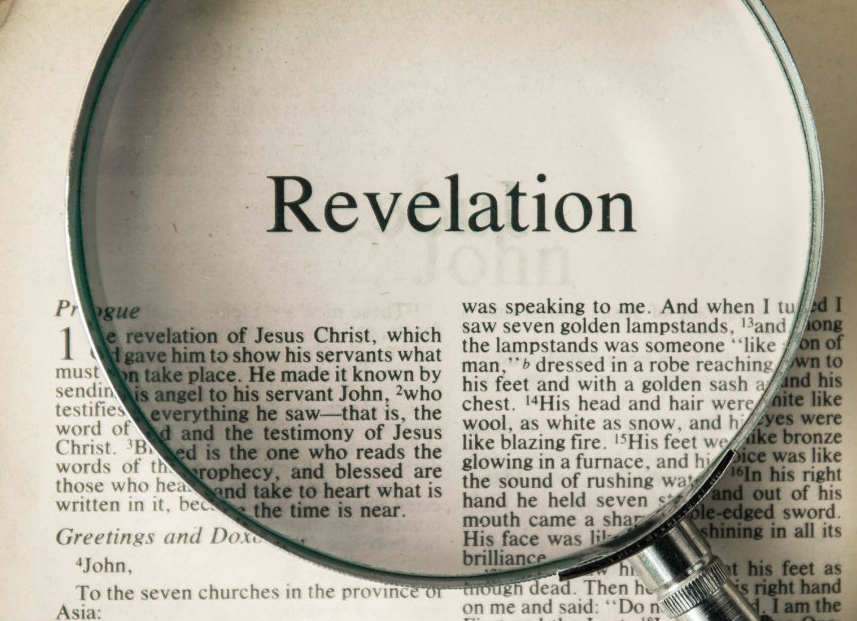 I didn’t grow up a Christian, but as soon as I began following Christ and attending a local church, I was almost immediately introduced to the Book of Revelation via the movie Left Behind. Like most Southern Baptist churches in the 90s, we talked a lot about the rapture, the Antichrist, the Tribulation, and miscellaneous details we could supposedly understand by decoding Revelation’s bizarre language and imagery.
Relatedly, I always remember being told I’d spend forever in Heaven, once I was raptured with Jesus and this world was destroyed. When I thought about Revelation, it was mostly wars, meteors, and desolation. Many of you can probably relate. I’m, grateful, though, that I’ve been able to study Revelation for many years now, including as a major piece of my dissertation. In my experience, Revelation has been underplayed, under-appreciated, and simply misrepresented.
Here are a few ways the Book of Revelation is different (and better) than you probably learned growing up.
1. Revelation is not a book about destruction and fear
Revelation certainly has its destructive elements—bowls of wrath poured out, beasts, the fall of Babylon, etc. However, these elements point to a greater hope, a hope found in God’s justice in his war against sin and death and evil. These sometimes terrifying elements of the book serve to show us that God is making all things new and redeeming the world fractured by the Fall (Rev. 21-22), not that he’s coming for us with a fireball in one hand and a lighting bolt in the other. Revelation has destruction within it, but it isn’t about that. It’s about hope in the culmination of God’s promises.
2. Revelation is not about escaping Earth
“This is not my home, I’m just passing through” is a sweet hymn, but it’s wrong. We don’t spend eternity in some far away place in the sky. Rather, we spend eternity right here, on this planet, the way God intended from the beginning (Gen. 1-2). This place is our home, though it’s certainly due for a major renovation. Sin didn’t cause a Plan B in God’s sovereign blueprint. He’s not abandoning the Earth because we messed things up; no, he will resurrect his people just like he resurrected his Son (1 Cor. 15). Heaven and Earth were joined together in the beginning, and they’ll come back together in the end (Rev. 21-22).
3. Revelation is not about merely future, end-times events
This is probably the most misunderstood portion of Revelation. It is an apocalypse with future events, to be sure, but the book is also addressed to a specific audience (Rev. 1-3), and deals with issues that the original audience could understand and apply. It’s safe to say that Rev. 21-22 are about future events that haven’t happened yet, but the rest of the book is debatable. Likely, most of Revelation applies to its original audience and every generation afterward at the same time. Many of the allusions to Babylon, an antichrist, etc. can be applied to Rome and the Caesar the original audience knew, while also being a representations or types for future worldly kingdoms and rulers.
4. Revelation is not divorced from the rest of the Bible
The numbers vary depending on who you ask, but most scholars say that Revelation has approximately 600 references or allusions to the Old Testament. In my study of Revelation, I’ve seen these allusions over and over again. Revelation’s author, John, never directly quotes the OT, but there are unmistakable allusions or hat-tips to the OT every few verses. John likely sees himself as a type of prophet, self-consciously telling the story of how Jesus finally fulfills all of the promises and expectations of the prophets, from Daniel to Isaiah to Zechariah to many others. Revelation is very much a capstone to the Bible’s unified storyline, not a freaky add-on to the end.
—
Stay in touch! Email me at [email protected].
Previous Post

July 17, 2017
The 9 Irrefutable Laws of Followship
Next Post

July 21, 2017 The Smorgasbord (7/21/17)
Browse Our Archives
Select a Category Academics Apologetics Baptists Biblical Interpretation Biblical Studies Blog News Books Christian Life Church History Culture Ecclesiology Eschatology Gospel Interviews New Creation News Politics Science Scripture Sexual Sin Social Media Spiritual Discipline The Smorgasbord Theology Trinity Word Matters Podcast
Select a Month September 2017 August 2017 July 2017 June 2017 May 2017 April 2017 March 2017 February 2017 January 2017 December 2016 November 2016 October 2016 September 2016 August 2016 July 2016 June 2016 May 2016 April 2016 December 2015 November 2015 October 2015 July 2015 June 2015 May 2015 April 2015 March 2015 February 2015
TAKE THE
Religious Wisdom Quiz
Skin for skin! All that a man has he will give for something precious. What is it?
Select your answer to see how you score.
His wealth His life His soul His family
Books by This Author Books by Brandon D. Smith
Related posts from Church Grammar

What We Know about Arius and His Heresy

The Sermon on the Mount and Jesus's Command...

Why Did the Book of Revelation Outlast Other...

Blood Moons, Babylonian Whores, and Reading Revelation Rightly
TRENDING AT PATHEOS Evangelical

The REST of Your Life: A Creative Wrestles...
This week I had a conversation with a good friend from church....

How the author of the world's best hymn...
I've been working with John Newton for a while now. This makes...

Long before this Lectio Divina, Psalm 130 - the song - started...

What About the Trees? Another Living Parable
After I finished writing the last article about falling leaves as a...

Why Classical Education Is a Conversation, Not a...
Come and Read: Joy in Classical Education When I was a little...

Cornell University has received a great deal of negative publicity and intense...
view all Evangelical blogs
Ad-Free & Subscriber Log-In Subscription Support
- About Us
- 2026 Calendar
- Videos
- Podcasts
- Library of World Religions
- Faith In Media Tracker
- Advertise With Us
- Write for Us
- Privacy Policy
- Terms of Service
- Do Not Sell My Data
- Contact Us
- Radiant Digital
- Manage Newsletter Subscriptions
- Unsubscribe From Notifications
- Sitemap
Copyright 2008-2026, Patheos. All rights reserved.
Subscription Support Ad-Free & Subscriber Log-In
Follow Patheos