
BuddhistCatholicContemplativeEvangelicalGeneral ChristianHinduJewishLatter-day SaintMuslimNew VisionsProgressive Christian
Beliefs
- Buddhist
- Catholic
- Contemplative
- Evangelical
- General Christian
- Hindu
- Jewish
- Latter-day Saint
- More Voices
- Muslim
- New Visions
- Pagan
- Progressive Christian
Topics
- Religion News
- Food and Religion
- Sports and Religion
- Religious Art
- Religious Music and Entertainment
- Religious Events
- History and Religion
- Style and Religion
- Politics and Religion
- Women in Religion
- Recreation Outdoors and Religion
- Business Finance and Religion
- Careers Workplace and Religion
- Education and Religion
- Family Parenting and Religion
- Health Fitness and Religion
- Home and Religion
- Relationships and Religion
- Technology and Religion
- Travel and Religion
Columnists
- Buddhist Columnists
- Business Finance and Religion Columnists
- Careers Workplace and Religion Columnists
- Catholic Columnists
- Contemplative Columnists
- Education and Religion Columnists
- Evangelists Columnists
- Family Parenting and Religion Columnists
- General Christian Columnists
- Health Fitness and Religion Columnists
- Hindu Columnists
- History and Religion Columnists
- Home and Religion Columnists
- Jewish Columnists
- More Voices Columnists
- Latter Day Columnists
- Muslim Columnists
- New Visions Columnists
- Nonreligious Columnists
- Pagan Columnists
- Politics and Religion Columnists
- Progressive Columnists
- Recreation Outdoors and Religion Columnists
- Relationships and Religion Columnists
- Religion News Columnists
- Religious Art Columnists
- Religious Events Columnists
- Religious Music and Entertainment Columnists
- Sports and Religion Columnists
- Style and Religion Columnists
- Technology and Religion Columnists
- Travel and Religion Columnists
- Women in Religion Columnists
Resource Library
- 2026 Calendar
- Library of World Religions
- The 100 Most Holy Places on Earth
- Patheos Answers
- Podcasts
- Videos
- Faith Leaders Database
- Anglican Episcopalian
- Bahai
- Baptist
- Buddhism
- Christianity
- Confucianism
- Eastern Orthodoxy
- Hinduism
- Holiness and Pentecostal
- ISKCON
- Islam
- Judaism
- Lutheran
- Methodist
- The Church of Jesus Christ of Latter-day Saints
- New Age
- Paganism
- Presbytarian and Reformed
- Protestantism
- Religion Behind the Scenes
- Roman Catholic
- Scientology
- Shia Islam
- Sikhism
- Sufism
- Sunni Islam
- Taoism
- Zen
- See all religions
Research Tools
 Ad-Free & Subscriber Log-In Subscription Support
Ad-Free & Subscriber Log-In Subscription Support
Follow Patheos 

- Trending:
- Forgiveness
- |
- Marriage
- |
- Consciousness
- |
- Death Penalty
- |
- Election
- |
- Halloween
 Church Grammar
- Home
- Evangelical
- Keys to Understanding Jesus’s Life and Ministry
Keys to Understanding Jesus’s Life and Ministry
Last updated on: July 14, 2017 at 10:39 am by Brandon D. Smith
Keys to Understanding Jesus’s Life and Ministry 2017-07-14T10:39:26-05:00 Brandon D. Smith
Patheos Explore the world's faith through different perspectives on religion and spirituality! Patheos has the views of the prevalent religions and spiritualities of the world.
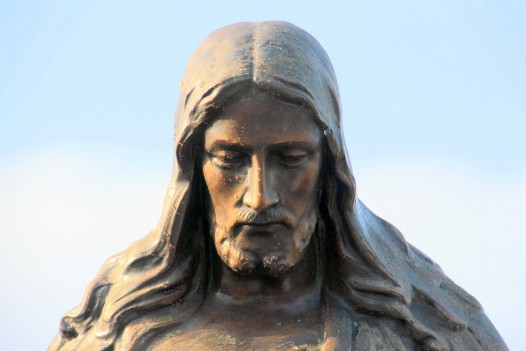 When we read Scripture, we’ll notice a ton of ways that Jesus is described. Some have to do with his nature (who he is) and some have to do with his ministry (what he does). To understand the most crucial aspects of Jesus’s life and ministry, we have to understand five things about him.
1. Jesus Is God
For some of us, this is a “duh” moment. Of course he is God! But even if this is obvious to you, it’s important to understand why it matters.
In John 1:1, we see that Jesus is called “the Word,” and John tells us that Jesus is God and has been for eternity. In several places in Mark, Jesus will be accused of “blasphemy”—claiming to be God—and the religious leaders are not happy about it. However, we see that Jesus truly is God throughout the book, especially when he forgives sins and heals the sick.
As God, Jesus deserves our worship and praise. As God, Jesus is the One who forgives sins, heals hearts, and offers hope for eternity. As God, he is everything we need.
2. Jesus Is Human
Again, this may seem obvious, but Jesus is fully human. In a paradox we cannot understand on this side of eternity, Jesus is fully God and fully man simultaneously. But if he’s God, why did he have to become a man? Couldn’t he just forgive our sins from his throne in Heaven? He could’ve, but it would go against God’s plan for us as people.
God placed Adam and Eve in the Garden of Eden to be his image-bearers (people who reflect and represent him) and to populate the Earth with more image-bearers. In Genesis 3, when Adam and Eve sinned, all of creation was fractured and sin began being passed down to us.
In that moment, God could’ve just snapped his finger and forgiven sins. But instead, he wanted to have a real relationship with us, and he wasn’t looking for a Plan B. So he sent his only Son into the world to become a man and undo everything Adam did (Rom. 5:12-21). By living a perfect and obedient human life, Jesus restored mankind’s relationship with God and gave us all hope of spending eternity with God through faith in him. (Rom. 6:23).
3. Jesus Is a Prophet
In the Old Testament, God’s prophets spoke on behalf of God, often pronouncing either blessing or judgment on God’s people, and telling them God’s commands and promises for them.
Jesus is the true and final prophet, who gives us God’s final Word about blessing and judgment—either eternal blessing through faith in Jesus, or eternal judgment by rejecting Jesus. Our call is to respond to Jesus’s call to repent and place our faith in him, so we don’t turn out like so many who rejected the Old Testament prophets, separated from God and under judgment for our rebellion. Jesus, the true prophet, tells us and shows us more about God than any regular prophet ever could (Acts. 3:22-23).
4. Jesus Is a Priest
In the history of God’s people, the priest was the person who stands in the gap between God and his people. Every year, the priest—a righteous but still imperfect man—would offer the sacrifice of a lamb to atone for the sins of the people.
Hebrews 4 and 7 tell us that Jesus is the Great High Priest, who made one sacrifice that will atone for our sins for all time. Jesus is the both the Priest who offered the sacrifice, and the Lamb who shed his blood for the forgiveness of sins. Through the perfect God-man, our sins are forgiven and no sacrifice will ever need to be made again.
5. Jesus Is a King
Though David was a great king—even called “a man after God’s own heart”—he was still a sinner. Many of his terrible sins are mentioned in the Bible. And yet, in 2 Samuel 7, God promises to bless him and his throne in his life, but more importantly, his throne would become an eternal throne ruled by a perfect, eternal King.
In steps Jesus, who is called repeatedly throughout Scripture “the son of David.” Why is he called this? Because he is the perfect, righteous, eternal King that God told David would come through his offspring one day.
As the King, Jesus rules and reigns not just Israel, but the entire universe. In Revelation 22:16, Jesus reminds his people that he is the King and that his reign will never end. This is good news for us, because our faith in Christ brings us into his eternal kingdom and allows us to spend eternity with him, worshiping and praising God for all he has done.
—
Stay in touch! Email me at [email protected].
Previous Post

July 7, 2017
How to Win a Debate with a Skeptic
Next Post

July 11, 2017 The Smorgasbord (7/10/17)
Browse Our Archives
Select a Category Academics Apologetics Baptists Biblical Interpretation Biblical Studies Blog News Books Christian Life Church History Culture Ecclesiology Eschatology Gospel Interviews New Creation News Politics Science Scripture Sexual Sin Social Media Spiritual Discipline The Smorgasbord Theology Trinity Word Matters Podcast
Select a Month September 2017 August 2017 July 2017 June 2017 May 2017 April 2017 March 2017 February 2017 January 2017 December 2016 November 2016 October 2016 September 2016 August 2016 July 2016 June 2016 May 2016 April 2016 December 2015 November 2015 October 2015 July 2015 June 2015 May 2015 April 2015 March 2015 February 2015
TAKE THE
Religious Wisdom Quiz
Who was Boaz's mother?
Select your answer to see how you score.
Rahab Naomi Ruth Sarah
Books by This Author Books by Brandon D. Smith
Related posts from Church Grammar

What We Know about Arius and His Heresy

The Sermon on the Mount and Jesus's Command...

Why Did the Book of Revelation Outlast Other...

Blood Moons, Babylonian Whores, and Reading Revelation Rightly
TRENDING AT PATHEOS Evangelical

How the author of the world's best hymn...
I've been working with John Newton for a while now. This makes...

Long before this Lectio Divina, Psalm 130 - the song - started...

What About the Trees? Another Living Parable
After I finished writing the last article about falling leaves as a...

Why Classical Education Is a Conversation, Not a...
Come and Read: Joy in Classical Education When I was a little...

Falling Leaves: A Living Parable on Letting Go
I’ve spent the vast majority of my life in the southeast corner...

Cornell University has received a great deal of negative publicity and intense...
view all Evangelical blogs
Ad-Free & Subscriber Log-In Subscription Support
- About Us
- 2026 Calendar
- Videos
- Podcasts
- Library of World Religions
- Faith In Media Tracker
- Advertise With Us
- Write for Us
- Privacy Policy
- Terms of Service
- Do Not Sell My Data
- Contact Us
- Radiant Digital
- Manage Newsletter Subscriptions
- Unsubscribe From Notifications
- Sitemap
Copyright 2008-2026, Patheos. All rights reserved.
Subscription Support Ad-Free & Subscriber Log-In
Follow Patheos