
BuddhistCatholicContemplativeEvangelicalGeneral ChristianHinduJewishLatter-day SaintMuslimNew VisionsProgressive Christian
Beliefs
- Buddhist
- Catholic
- Contemplative
- Evangelical
- General Christian
- Hindu
- Jewish
- Latter-day Saint
- More Voices
- Muslim
- New Visions
- Pagan
- Progressive Christian
Topics
- Religion News
- Food and Religion
- Sports and Religion
- Religious Art
- Religious Music and Entertainment
- Religious Events
- History and Religion
- Style and Religion
- Politics and Religion
- Women in Religion
- Recreation Outdoors and Religion
- Business Finance and Religion
- Careers Workplace and Religion
- Education and Religion
- Family Parenting and Religion
- Health Fitness and Religion
- Home and Religion
- Relationships and Religion
- Technology and Religion
- Travel and Religion
Columnists
- Buddhist Columnists
- Business Finance and Religion Columnists
- Careers Workplace and Religion Columnists
- Catholic Columnists
- Contemplative Columnists
- Education and Religion Columnists
- Evangelists Columnists
- Family Parenting and Religion Columnists
- General Christian Columnists
- Health Fitness and Religion Columnists
- Hindu Columnists
- History and Religion Columnists
- Home and Religion Columnists
- Jewish Columnists
- More Voices Columnists
- Latter Day Columnists
- Muslim Columnists
- New Visions Columnists
- Nonreligious Columnists
- Pagan Columnists
- Politics and Religion Columnists
- Progressive Columnists
- Recreation Outdoors and Religion Columnists
- Relationships and Religion Columnists
- Religion News Columnists
- Religious Art Columnists
- Religious Events Columnists
- Religious Music and Entertainment Columnists
- Sports and Religion Columnists
- Style and Religion Columnists
- Technology and Religion Columnists
- Travel and Religion Columnists
- Women in Religion Columnists
Resource Library
- 2026 Calendar
- Library of World Religions
- The 100 Most Holy Places on Earth
- Patheos Answers
- Podcasts
- Videos
- Faith Leaders Database
- Anglican Episcopalian
- Bahai
- Baptist
- Buddhism
- Christianity
- Confucianism
- Eastern Orthodoxy
- Hinduism
- Holiness and Pentecostal
- ISKCON
- Islam
- Judaism
- Lutheran
- Methodist
- The Church of Jesus Christ of Latter-day Saints
- New Age
- Paganism
- Presbytarian and Reformed
- Protestantism
- Religion Behind the Scenes
- Roman Catholic
- Scientology
- Shia Islam
- Sikhism
- Sufism
- Sunni Islam
- Taoism
- Zen
- See all religions
Research Tools
 Ad-Free & Subscriber Log-In Subscription Support
Ad-Free & Subscriber Log-In Subscription Support
Follow Patheos 

- Trending:
- Forgiveness
- |
- Marriage
- |
- Consciousness
- |
- Death Penalty
- |
- Election
- |
- Halloween
 Church Grammar
- Home
- Evangelical
- What Kind of a Book Is Revelation?
What Kind of a Book Is Revelation?
Last updated on: July 12, 2017 at 8:37 pm by Brandon D. Smith
What Kind of a Book Is Revelation? 2017-07-12T20:37:57-05:00 Brandon D. Smith
Patheos Explore the world's faith through different perspectives on religion and spirituality! Patheos has the views of the prevalent religions and spiritualities of the world.
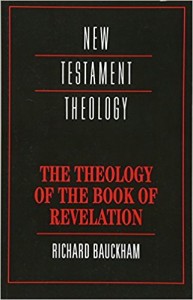 In his fantastic little theological commentary on Revelation, Richard Bauckham notes that “Misconceptions of Revelation often begin by misconceiving the kind of book it is” (1). No doubt Bauckham is right: many—perhaps most—people think Revelation is a doomsday account of the last days of our planet. Revelation’s confusing symbols, strange characters, and rash of plagues leads people to stay away from it. This is understandable.
However, we should actually read Revelation as a hopeful book—one that centers on the triune God’s redemption of all things. Revelation 21-22 are some of the most encouraging and inspiring chapters in the Bible, because they tell us that one day God will make all things new, eradicating sin and death once and for all.
Bauckham tries to help us understand that there’s much more to Revelation and its place in the Bible’s storyline, noting that it is a book that fits under multiple genres and serves multiple purposes.
1. Revelation Is a Christian Prophecy
John wrote Revelation with a clear self-indentification as a prophet in the line of other biblical prophets. Bauckham points out that John uses OT allusions and language similar to other prophets like Amos and Ezekiel. Also,
“John’s great oracle against Babylon (18:1-19:8) echoes every one of the oracles against Babylon in the Old Testament prophets, as well as the two major oracles against Tyre. It seems that John not only writes in the tradition of Old Testament prophets, but understands himself to be writing at the climax of the tradition, when all the eschatological oracles of the prophets are about to be finally fulfilled, and so he interprets and gathers them up in his own prophetic revelation.” (5)
So Revelation is not just a prophecy book about “end times,” but a book about God’s promises in the past being fulfilled in Christ now and into eternity. This is not dreadful news, but immensely good news, because we know that God has kept his promises.
2. Revelation Is an Apocalypse
When we hear the word “apocalypse,” many of us automatically think of meteors falling from the sky and entire cities being destroyed. Judgment of this sort is certainly a piece of ancient apocalyptic works, but it’s not all they represent. Quoting J.J. Collins, Bauckham says that apocalypses primarily act as disclosure of “a transcendent reality which is both temporal, insofar as it envisages eschatological salvation, and spatial, insofar as it involves another, supernatural world” (6).
In other words, apocalypses are a glimpse not simply into divine judgment, but also a look at final salvation. Yes, Revelation shows that Satan and his followers will be thrown into the “lake of fire” because of their evil. There’s no denying this aspect of the book. But it ultimately shows that good will conquer evil, and that those who follow Christ will be spared from this judgment.
Bauckham also reminds us that Revelation is slightly different than other apocalypses of its day, because it deals with the future and deals with the contemporary issues of its first audience. This makes sense, of course, given that Gods eschatological salvation and victory apply to us now, though they will be fully realized in the future at Christ’s return.
3. Revelation Is a Circular Letter
Flowing from the last point about the setting of the first audience of Revelation, Bauckham rightly says, “Many misreadings of Revelation, especially those which assume that much of the book was not addressed to its first-century readers and could only be understood by later generations, have resulted from neglecting the fact that it is a letter” (12).
When we overlook the fact that this book was written to seven churches in first-century Asia, we miss the situatedness of the letter. This is not to say that Revelation has no meaning for us today—Bauckham makes a good case that the number seven (completion) means that this letter is for all churches in Asia and in every age afterward. However, we cannot see symbols and numbers like 666, for example, and believe they’re only codes to be cracked in some future time. John even says that the original readers can understand some of these symbols in their day.
Revelation, then, isn’t a book about distant events that we can take or leave—it’s actually a book written to Christians in the first century and every other age, encouraging us to fight for right doctrine, stand firm against persecution, and look to Jesus’s victory in the midst of our daily defeats. Revelation is more than a book about divine judgment and end-times destruction—it’s a book about eternal hope in Christ.
—
Stay in touch! Email me at [email protected].
Previous Post
June 7, 2017
Eternal Generation and the Questions It Generates
Next Post

June 23, 2017 Baptists, Ecumenism, and the Future
Browse Our Archives
Select a Category Academics Apologetics Baptists Biblical Interpretation Biblical Studies Blog News Books Christian Life Church History Culture Ecclesiology Eschatology Gospel Interviews New Creation News Politics Science Scripture Sexual Sin Social Media Spiritual Discipline The Smorgasbord Theology Trinity Word Matters Podcast
Select a Month September 2017 August 2017 July 2017 June 2017 May 2017 April 2017 March 2017 February 2017 January 2017 December 2016 November 2016 October 2016 September 2016 August 2016 July 2016 June 2016 May 2016 April 2016 December 2015 November 2015 October 2015 July 2015 June 2015 May 2015 April 2015 March 2015 February 2015
TAKE THE
Religious Wisdom Quiz
I will come like a thief in the night when people say 'peace and safety.' Sudden destruction will come. What am I?
Select your answer to see how you score.
Judgment day The day of the Lord The end times The second coming
Books by This Author Books by Brandon D. Smith
Related posts from Church Grammar

What We Know about Arius and His Heresy

The Sermon on the Mount and Jesus's Command...

Why Did the Book of Revelation Outlast Other...

Blood Moons, Babylonian Whores, and Reading Revelation Rightly
TRENDING AT PATHEOS Evangelical

The REST of Your Life: A Creative Wrestles...
This week I had a conversation with a good friend from church....

How the author of the world's best hymn...
I've been working with John Newton for a while now. This makes...

Long before this Lectio Divina, Psalm 130 - the song - started...

What About the Trees? Another Living Parable
After I finished writing the last article about falling leaves as a...

Why Classical Education Is a Conversation, Not a...
Come and Read: Joy in Classical Education When I was a little...

Cornell University has received a great deal of negative publicity and intense...
view all Evangelical blogs
Ad-Free & Subscriber Log-In Subscription Support
- About Us
- 2026 Calendar
- Videos
- Podcasts
- Library of World Religions
- Faith In Media Tracker
- Advertise With Us
- Write for Us
- Privacy Policy
- Terms of Service
- Do Not Sell My Data
- Contact Us
- Radiant Digital
- Manage Newsletter Subscriptions
- Unsubscribe From Notifications
- Sitemap
Copyright 2008-2026, Patheos. All rights reserved.
Subscription Support Ad-Free & Subscriber Log-In
Follow Patheos