
BuddhistCatholicContemplativeEvangelicalGeneral ChristianHinduJewishLatter-day SaintMuslimNew VisionsProgressive Christian
Beliefs
- Buddhist
- Catholic
- Contemplative
- Evangelical
- General Christian
- Hindu
- Jewish
- Latter-day Saint
- More Voices
- Muslim
- New Visions
- Pagan
- Progressive Christian
Topics
- Religion News
- Food and Religion
- Sports and Religion
- Religious Art
- Religious Music and Entertainment
- Religious Events
- History and Religion
- Style and Religion
- Politics and Religion
- Women in Religion
- Recreation Outdoors and Religion
- Business Finance and Religion
- Careers Workplace and Religion
- Education and Religion
- Family Parenting and Religion
- Health Fitness and Religion
- Home and Religion
- Relationships and Religion
- Technology and Religion
- Travel and Religion
Columnists
- Buddhist Columnists
- Business Finance and Religion Columnists
- Careers Workplace and Religion Columnists
- Catholic Columnists
- Contemplative Columnists
- Education and Religion Columnists
- Evangelists Columnists
- Family Parenting and Religion Columnists
- General Christian Columnists
- Health Fitness and Religion Columnists
- Hindu Columnists
- History and Religion Columnists
- Home and Religion Columnists
- Jewish Columnists
- More Voices Columnists
- Latter Day Columnists
- Muslim Columnists
- New Visions Columnists
- Nonreligious Columnists
- Pagan Columnists
- Politics and Religion Columnists
- Progressive Columnists
- Recreation Outdoors and Religion Columnists
- Relationships and Religion Columnists
- Religion News Columnists
- Religious Art Columnists
- Religious Events Columnists
- Religious Music and Entertainment Columnists
- Sports and Religion Columnists
- Style and Religion Columnists
- Technology and Religion Columnists
- Travel and Religion Columnists
- Women in Religion Columnists
Resource Library
- 2026 Calendar
- Library of World Religions
- The 100 Most Holy Places on Earth
- Patheos Answers
- Podcasts
- Videos
- Faith Leaders Database
- Anglican Episcopalian
- Bahai
- Baptist
- Buddhism
- Christianity
- Confucianism
- Eastern Orthodoxy
- Hinduism
- Holiness and Pentecostal
- ISKCON
- Islam
- Judaism
- Lutheran
- Methodist
- The Church of Jesus Christ of Latter-day Saints
- New Age
- Paganism
- Presbytarian and Reformed
- Protestantism
- Religion Behind the Scenes
- Roman Catholic
- Scientology
- Shia Islam
- Sikhism
- Sufism
- Sunni Islam
- Taoism
- Zen
- See all religions
Research Tools
 Ad-Free & Subscriber Log-In Subscription Support
Ad-Free & Subscriber Log-In Subscription Support
Follow Patheos 

- Trending:
- Forgiveness
- |
- Marriage
- |
- Consciousness
- |
- Death Penalty
- |
- Election
- |
- Halloween
 Church Grammar
- Home
- Evangelical
- In Defense of Proof-Texting
In Defense of Proof-Texting
Last updated on: May 12, 2017 at 7:59 am by Brandon D. Smith
In Defense of Proof-Texting 2017-05-12T07:59:39-05:00 Brandon D. Smith
Patheos Explore the world's faith through different perspectives on religion and spirituality! Patheos has the views of the prevalent religions and spiritualities of the world.
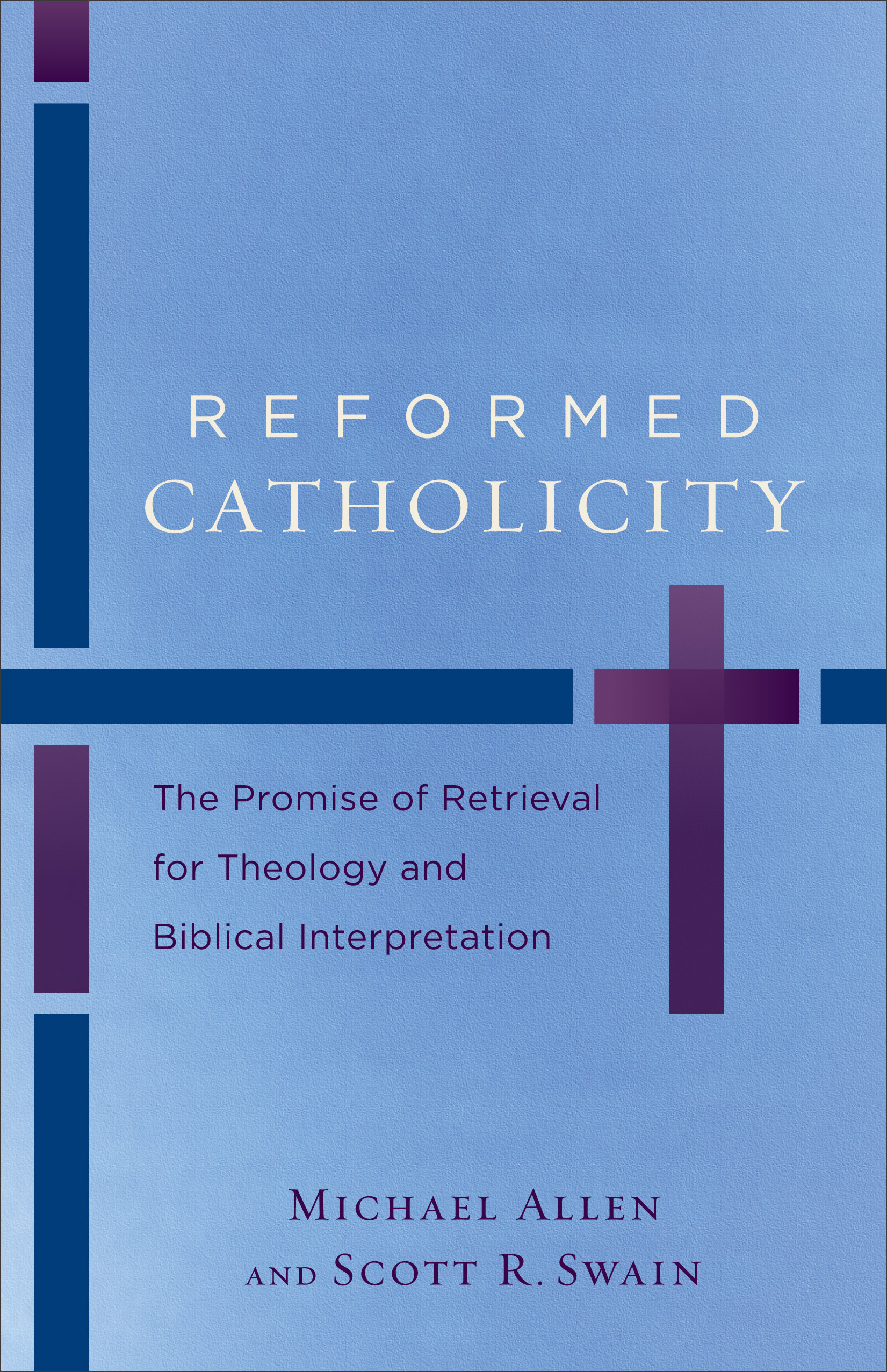 In Reformed Catholicity, Scott Swain and Michael Allen consider the backhanded monicker sometimes given to systematic theologians by biblical scholars/theologians: they’re just “proof-texters.” In other words, systematic theologians build their dogmatic structures on extrabiblical jargon and philosophical meanderings rather than on faithful exegesis of texts, only referencing a biblical text when it’s helpful to their case. (And let’s be honest, this is often a fair critique.)
In a chapter called “In Defense of Proof Texting,” Swain and Allen consider how to employ proof-texting in a way that is biblically faithful, and how biblical scholars can be more optimistic about dogmatic discourse (pp. 137-141):
- “First, systematic theologians must be aware of the burden of proof upon them to show that they are using the Bible well in their theological construction. … More theologians should commit to an ongoing practice of doing exegetical work in their lectures, conference addresses, and their personal writing programs. … Any hope of making headway in these directions will reshape the reading program of systematic theologians.”
- “Second, biblical scholars should expect rigorous exegesis to lie behind such proof texting and should engage it conversationally and not cynically. When reading an exegetical excursus or even a parenthetical reference within a dogmatic text, assume that it represents an attempt at teasing out valid implications from a portion of Scripture read in proper literary and canonical perspective. Remember that dogmatics does not merely remain within the explicit categories, much less the idiom of the Bible.”
As a young wannabe theologian, I was as guilty as anyone of proof-texting my way through the systematic program of my choice. First, it was 5-point Arminianism, then came 5-point Calvinism. I would argue all day logically and philosophically, and when I went to the text, it was with such a heavy systematic presupposition that I’m not sure I even knew the context of the paragraph, much less the section or entire book.
The key transition for me was reading Daniel Treier’s little article, “Biblical theology and/or theological interpretation of scripture?,” followed by his book, Introducing Theological Interpretation of Scripture. While I’m rather sympathetic toward much that the theological interpretation of Scripture school has to offer, it wasn’t his actual conclusions that shook my systematic foundations–it was watching the process of a systematician wrestling with how to bring systematic and biblical theology together in a way that is faithful to Scripture.
While reading Treier and continuing to branch out into biblical theology, I realized that I’d been at best neglecting and at worst ignoring Scripture itself–its message and grand narrative in particular–in pursuit of winning theological slap-fights.
Swain and Allen are onto something here. They do a helpful job of avoiding the pitfalls of proof-texting and are sensitive to the genuine critiques of the practice. Systematic theologians can’t always avoid proof-texting, but that doesn’t mean they have to cherry-pick texts for their own systematic buffet. Biblical theologians, on the other hand, aren’t helpful when they assume that proof-texting (or what appears to be proof-texting) is trite and ignorant, but they certainly have been given legitimate reason for concern.
Some joke that Gabler’s bifurcation is to blame for this hubbub, and perhaps in some ways he is. His speech, “On the Correct Distinction Between Dogmatic and Biblical Theology and the Right Definition of Their Goals,” is considered by some as an atom bomb to academia. But I don’t have a problem with separate theological disciplines in order to create experts or nuance, so long as we recognize that we need each other, that we can learn from one another, and that we can’t be myopic and narrow in our studies.
As Swain and Allen conclude, biblical scholars/theologians and systematic theologians serve two different, complementary purposes, and the disciplines have been melded together throughout church history. So let’s mix in a hug every once in awhile.
Theological Interpretation of Scripture
Previous Post

March 16, 2015
How Porn Could've Wrecked My Marriage
Next Post

March 19, 2015 Do Pre-Jesus Mythical Figures Debunk Christianity?
Browse Our Archives
Select a Category Academics Apologetics Baptists Biblical Interpretation Biblical Studies Blog News Books Christian Life Church History Culture Ecclesiology Eschatology Gospel Interviews New Creation News Politics Science Scripture Sexual Sin Social Media Spiritual Discipline The Smorgasbord Theology Trinity Word Matters Podcast
Select a Month September 2017 August 2017 July 2017 June 2017 May 2017 April 2017 March 2017 February 2017 January 2017 December 2016 November 2016 October 2016 September 2016 August 2016 July 2016 June 2016 May 2016 April 2016 December 2015 November 2015 October 2015 July 2015 June 2015 May 2015 April 2015 March 2015 February 2015
TAKE THE
Religious Wisdom Quiz
Who was the giant defeated by David?
Select your answer to see how you score.
Herod Goliath Pharaoh Samson
Books by This Author Books by Brandon D. Smith
Related posts from Church Grammar

What We Know about Arius and His Heresy

The Sermon on the Mount and Jesus's Command...

Why Did the Book of Revelation Outlast Other...

Blood Moons, Babylonian Whores, and Reading Revelation Rightly
TRENDING AT PATHEOS Evangelical

How the author of the world's best hymn...
I've been working with John Newton for a while now. This makes...

Long before this Lectio Divina, Psalm 130 - the song - started...

What About the Trees? Another Living Parable
After I finished writing the last article about falling leaves as a...

Why Classical Education Is a Conversation, Not a...
Come and Read: Joy in Classical Education When I was a little...

Falling Leaves: A Living Parable on Letting Go
I’ve spent the vast majority of my life in the southeast corner...

Cornell University has received a great deal of negative publicity and intense...
view all Evangelical blogs
Ad-Free & Subscriber Log-In Subscription Support
- About Us
- 2026 Calendar
- Videos
- Podcasts
- Library of World Religions
- Faith In Media Tracker
- Advertise With Us
- Write for Us
- Privacy Policy
- Terms of Service
- Do Not Sell My Data
- Contact Us
- Radiant Digital
- Manage Newsletter Subscriptions
- Unsubscribe From Notifications
- Sitemap
Copyright 2008-2026, Patheos. All rights reserved.
Subscription Support Ad-Free & Subscriber Log-In
Follow Patheos