
BuddhistCatholicContemplativeEvangelicalGeneral ChristianHinduJewishLatter-day SaintMuslimNew VisionsProgressive Christian
Beliefs
- Buddhist
- Catholic
- Contemplative
- Evangelical
- General Christian
- Hindu
- Jewish
- Latter-day Saint
- More Voices
- Muslim
- New Visions
- Pagan
- Progressive Christian
Topics
- Religion News
- Food and Religion
- Sports and Religion
- Religious Art
- Religious Music and Entertainment
- Religious Events
- History and Religion
- Style and Religion
- Politics and Religion
- Women in Religion
- Recreation Outdoors and Religion
- Business Finance and Religion
- Careers Workplace and Religion
- Education and Religion
- Family Parenting and Religion
- Health Fitness and Religion
- Home and Religion
- Relationships and Religion
- Technology and Religion
- Travel and Religion
Columnists
- Buddhist Columnists
- Business Finance and Religion Columnists
- Careers Workplace and Religion Columnists
- Catholic Columnists
- Contemplative Columnists
- Education and Religion Columnists
- Evangelists Columnists
- Family Parenting and Religion Columnists
- General Christian Columnists
- Health Fitness and Religion Columnists
- Hindu Columnists
- History and Religion Columnists
- Home and Religion Columnists
- Jewish Columnists
- More Voices Columnists
- Latter Day Columnists
- Muslim Columnists
- New Visions Columnists
- Nonreligious Columnists
- Pagan Columnists
- Politics and Religion Columnists
- Progressive Columnists
- Recreation Outdoors and Religion Columnists
- Relationships and Religion Columnists
- Religion News Columnists
- Religious Art Columnists
- Religious Events Columnists
- Religious Music and Entertainment Columnists
- Sports and Religion Columnists
- Style and Religion Columnists
- Technology and Religion Columnists
- Travel and Religion Columnists
- Women in Religion Columnists
Resource Library
- 2026 Calendar
- Library of World Religions
- The 100 Most Holy Places on Earth
- Patheos Answers
- Podcasts
- Videos
- Faith Leaders Database
- Anglican Episcopalian
- Bahai
- Baptist
- Buddhism
- Christianity
- Confucianism
- Eastern Orthodoxy
- Hinduism
- Holiness and Pentecostal
- ISKCON
- Islam
- Judaism
- Lutheran
- Methodist
- The Church of Jesus Christ of Latter-day Saints
- New Age
- Paganism
- Presbytarian and Reformed
- Protestantism
- Religion Behind the Scenes
- Roman Catholic
- Scientology
- Shia Islam
- Sikhism
- Sufism
- Sunni Islam
- Taoism
- Zen
- See all religions
Research Tools
 Ad-Free & Subscriber Log-In Subscription Support
Ad-Free & Subscriber Log-In Subscription Support
Follow Patheos 

- Trending:
- Forgiveness
- |
- Marriage
- |
- Consciousness
- |
- Death Penalty
- |
- Election
- |
- Halloween
 Born Again Catholic
- Home
- Catholic
- Those with Special Needs or Disabilities Can Participate in the Church More Than Ever
Those with Special Needs or Disabilities Can Participate in the Church More Than Ever
Last updated on: June 6, 2018 at 6:10 pm by Patty Knap
Those with Special Needs or Disabilities Can Participate in the Church More Than Ever 2018-06-06T18:10:37+00:00 Patty Knap
Patheos Explore the world's faith through different perspectives on religion and spirituality! Patheos has the views of the prevalent religions and spiritualities of the world.
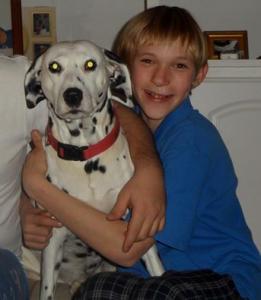
In the past few years, families with a member who has some form of disability have noticed an increasing array of outreaches for special needs.
In my own parish, there’s now a monthly Mass planned especially for the special needs community. Two other parishes near me offer the same on different weekends, and several parishes in the diocese now hold a “respite” evening of recreation for young adults with special needs. This has been a great benefit for my family, with my 18 year old autistic son having an evening of fun with other young adults in our parish. I know of several parishes that offer faith formation classes for those with special needs.
Since 1982, the National Catholic Partnership on Disability (NCPD) has been working to make sure those Catholics with disabilities or special challenges are welcomed as members of the Church and have opportunities to participate in the faith.
“The goal of NCPD is to ensure that people with any disability…can actively and meaningfully participate in the faith by using their gifts and interests,” said Janice Benton, executive director of the National Catholic Partnership on Disability.
An estimated 14 million Americans live with some form of disability.
“By virtue of baptism, everyone belongs to the body of Christ, and our work is to make sure that we are doing that with the proper attitude and spirit to make sure everyone can feel at home in their parishes,” she told CNA.
The organization works in in a variety of ways to “affirm the dignity of every person,” Benton said.
For example, they support people with Down syndrome by supporting campaigns that fight against discriminatory legislation, such as disability-selective abortions, while also working with individuals with Down syndrome as they prepare for sacraments and take an active part in the their faith.
“We remind church communities that people with Down syndrome and other disabilities are agents of evangelization and people gifted in their own right,” Benton said.
Founded in light of the 1978 document, “Pastoral Statement of U.S. Catholic Bishops of People with Disabilities,” the group has been promoting the pastoral guidelines for individuals with disabilities, particularly through access to the sacraments and Church life.
One of the organization’s primary tasks is working closely with publishers to provide resources for catechists and leaders who are working directly in faith formation, but they also are involved in a number of different councils and speaking engagements around the nation.
The ministry provides catechesis, resources, spirituality and awareness building tools, trainings, conferences, and ministry models to dioceses throughout the country, and additionally offers online tools such as YouTube training videos.
“We are really set up to support the people in the dioceses, and even directly in parishes, to provide the support, resources, and training that the church might need,” Benton said.
She noted that the NCPD played a major role in the revision to the “Guidelines for the Celebration of the Sacraments,” which now aids priests, catechists and Church leaders in preparing the proper reception of the sacraments for individuals with disabilities.
While primarily ministering in the U.S., the disability resource group also works internationally with the Vatican and other groups. Esther Garcia, the outreach director for organization, said that she works with minorities, such as Asian, African, and Hispanic groups within the Church.
“The NCPD is working to ensure we are meeting the needs of families with disabilities in the Hispanic community,” Garcia said.
“We are all children of God…and it is our responsibility as a Church to provide resources and ways to ensure that [those with disabilities] have ways to receive the sacraments,” Garcia continued.
Moving forward, Benton told CNA that they are currently working on an app for sacramental preparation and Mass attendance for people with autism and other intellectual disabilities.
“We are always trying to develop resources that can easily be made available.”
(photo: my son Jimmy with his adored Spot)
National Catholic Partnership on Disability
Previous Post

March 21, 2018
The Light is On for You: Get to Confession Before Easter
Next Post
March 28, 2018 Keeping the Easter Basket Catholic
Browse Our Archives
Select a Category Uncategorized
Select a Month July 2018 June 2018 May 2018 April 2018 March 2018 February 2018 January 2018 December 2017
TAKE THE
Religious Wisdom Quiz
Who was the Roman emperor when Jesus was born?
Select your answer to see how you score.
Tiberius Julius Caesar Nero Augustus
Related posts from Born Again Catholic
The Best Car Accident I've Ever Seen
A Bright Spot in the Suicide Trend: Devout...
Lessons Learned from False Allegations Against a Cardinal

Fathers Regret Aborting Their Children
TRENDING AT PATHEOS Catholic

The Parable Of The Sower And The Word...
One of Christ’s most famous parables is that of the sower who...

Rejecting Doom: Christian Hope And Human Action
Christianity is a religion of hope. We are to have hope and...

Why I Choose the Eucharist Over the Sermon
Choose the Eucharist, Not the Sermon What are we supposed to get...

5 Design Elements Found in Spiritually Rooted Homes
Putting Spirituality Into Home Decor Our homes are more than our living...

Credo: A Story of God Told with the...
About 10 years ago, I began to imagine a personal "Credo" that...

The Anatomy of Divine Revelation in Catholic Thought
The claim that God has made Himself known to human beings is...
view all Catholic blogs
Ad-Free & Subscriber Log-In Subscription Support
- About Us
- 2026 Calendar
- Videos
- Podcasts
- Library of World Religions
- Faith In Media Tracker
- Advertise With Us
- Write for Us
- Privacy Policy
- Terms of Service
- Do Not Sell My Data
- Contact Us
- Radiant Digital
- Manage Newsletter Subscriptions
- Unsubscribe From Notifications
- Sitemap
Copyright 2008-2026, Patheos. All rights reserved.
Subscription Support Ad-Free & Subscriber Log-In
Follow Patheos