
BuddhistCatholicContemplativeEvangelicalGeneral ChristianHinduJewishLatter-day SaintMuslimNew VisionsProgressive Christian
Beliefs
- Buddhist
- Catholic
- Contemplative
- Evangelical
- General Christian
- Hindu
- Jewish
- Latter-day Saint
- More Voices
- Muslim
- New Visions
- Pagan
- Progressive Christian
Topics
- Religion News
- Food and Religion
- Sports and Religion
- Religious Art
- Religious Music and Entertainment
- Religious Events
- History and Religion
- Style and Religion
- Politics and Religion
- Women in Religion
- Recreation Outdoors and Religion
- Business Finance and Religion
- Careers Workplace and Religion
- Education and Religion
- Family Parenting and Religion
- Health Fitness and Religion
- Home and Religion
- Relationships and Religion
- Technology and Religion
- Travel and Religion
Columnists
- Buddhist Columnists
- Business Finance and Religion Columnists
- Careers Workplace and Religion Columnists
- Catholic Columnists
- Contemplative Columnists
- Education and Religion Columnists
- Evangelists Columnists
- Family Parenting and Religion Columnists
- General Christian Columnists
- Health Fitness and Religion Columnists
- Hindu Columnists
- History and Religion Columnists
- Home and Religion Columnists
- Jewish Columnists
- More Voices Columnists
- Latter Day Columnists
- Muslim Columnists
- New Visions Columnists
- Nonreligious Columnists
- Pagan Columnists
- Politics and Religion Columnists
- Progressive Columnists
- Recreation Outdoors and Religion Columnists
- Relationships and Religion Columnists
- Religion News Columnists
- Religious Art Columnists
- Religious Events Columnists
- Religious Music and Entertainment Columnists
- Sports and Religion Columnists
- Style and Religion Columnists
- Technology and Religion Columnists
- Travel and Religion Columnists
- Women in Religion Columnists
Resource Library
- 2026 Calendar
- Library of World Religions
- The 100 Most Holy Places on Earth
- Patheos Answers
- Podcasts
- Videos
- Faith Leaders Database
- Anglican Episcopalian
- Bahai
- Baptist
- Buddhism
- Christianity
- Confucianism
- Eastern Orthodoxy
- Hinduism
- Holiness and Pentecostal
- ISKCON
- Islam
- Judaism
- Lutheran
- Methodist
- The Church of Jesus Christ of Latter-day Saints
- New Age
- Paganism
- Presbytarian and Reformed
- Protestantism
- Religion Behind the Scenes
- Roman Catholic
- Scientology
- Shia Islam
- Sikhism
- Sufism
- Sunni Islam
- Taoism
- Zen
- See all religions
Research Tools
 Ad-Free & Subscriber Log-In Subscription Support
Ad-Free & Subscriber Log-In Subscription Support
Follow Patheos 

- Trending:
- Forgiveness
- |
- Marriage
- |
- Consciousness
- |
- Death Penalty
- |
- Election
- |
- Halloween
 Born Again Catholic
- Home
- Catholic
- Bold Pro Life Voices Emerge from Euthanasia Corrupt Belgium and the Netherlands
Bold Pro Life Voices Emerge from Euthanasia Corrupt Belgium and the Netherlands
Last updated on: March 2, 2018 at 12:34 pm by Patty Knap
Bold Pro Life Voices Emerge from Euthanasia Corrupt Belgium and the Netherlands 2018-03-02T12:34:28+00:00 Patty Knap
Patheos Explore the world's faith through different perspectives on religion and spirituality! Patheos has the views of the prevalent religions and spiritualities of the world.
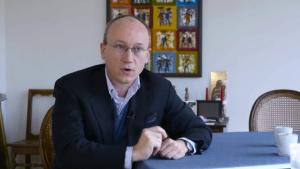
After fifteen years of legalized euthanasia in Belgium, the real life practice and ramifications are now wreaking havoc throughout the nation.
Professor Benoit Beuselinck is an oncologist in Belgium, where he has been researching the effects of legalised euthanasia.
Medical care there is now vastly different than just ten years ago. Beuselinck, of the Catholic University Hospitals of Leuven, states that hospital doctors, to avoid having to administer a lethal injection, will refer elderly or ill patients to a palliative care unit. The assumption is that, since palliative care professionals already deal with end-of-life issues, they are more readily equipped to deal with such a situation.”
As it turns out, that’s not what’s happening at all. In Belgium and the Netherlands, medical professionals are resigning in considerable numbers because of the astounding lack of regulation surrounding the practice of euthanasia. This withdrawal of medical staff is specifically pronounced in the palliative care field, as nurses and doctors find their roles reduced to that of reluctant executioners. The legalization of euthanasia is actually driving away highly trained staff, leaving palliative care units understaffed. Belgian nurses and social workers whose area of expertise is treating dying patients are quitting their jobs because palliative care units are being turned into “houses of euthanasia” Beuselinck said.
Prof. Beuselinck said palliative care nurses found the demands for euthanasia an “impossible burden” and a “complete contradiction of their initial desire to administer genuine palliative care to terminally ill patients. Some Belgian palliative care units that have opened their doors to patients requesting euthanasia have seen nurses and social workers leaving the unit because they were disappointed that they could no longer offer palliative care to their patients in an appropriate way,” he continued. It was the exact opposite of what they wanted to do.
“They were upset that their function was reduced to preparing patients and their families for lethal injections.”
But medical professionals are upset about more than just a change in their job description. Euthanasia laws create a moral dilema. According to Willems Lemmens, member of the Belgian Bioethics Advisory Committee:
More and more doctors are “testifying to the moral pressure they are experiencing. Since euthanasia is increasingly perceived by the general public as a right over the death of an individual and family members, the practitioners’ therapeutic freedom and conscience are actually being put to the test.”
The Netherlands is finding similar challenges, as the definition of euthanasia is now more loosely interpreted in order to include dementia patients. A Dutch euthanasia regular, Berna van Baarsen, explained her reasoning for quitting her profession:
“I do not believe that a written declaration of intent can replace an oral request for incapacitated patients with advanced dementia…In people with a terminal illness like cancer, in whom euthanasia has already been agreed but who suddenly ended up in a coma because of their illness, that’s fair. However, dementia is a very different kind of ailment. That disease is more erratic and patients often live longer. A lot of things can happen during that period. For instance, a patient might say that she would want euthanasia if she no longer recognises her relatives. This could happen. But at a next visit she can still recognize her partner or her children. What is the right moment to grant euthanasia?”
What van Baarsen’s resignation points out is the fact that those who were once willing participants in euthanasia are now opposed to it because in actual practice it is a dangerous and uncontrollable process.
Those of advocating for the sanctity of all human life from the moment of conception until the moment of natural death anticipated that euthanasia and assisted suicide laws would drastically impact the most vulnerable of society. That impact is now being seen dramatically.
What was maybe not expected was doctors and nurses fleeing their professions because of the consequences of legalised euthanasia. So the result is that all Belgian and Dutch citizens are now impactedas their system of care crumbles before their eyes.
The lessons learned the hard way in Belgium and the Netherlands highlight the fact that euthanasia laws hurt everyone, regardless of their status. Here in the U.S. we must continue to be vigilant, especially in the states where so-called ‘right to die’ advocates are pushing for legalization. We must let our politicians know that legalized euthanasia can never be safe, and we must continue to pray for the sanctity of all human life.
Surprised by Life: 10 Converts Explain How Catholic Teachings on Life Led Them to the Church
Previous Post

February 24, 2018
Lent: How to 'Do' Almsgiving When You Don't Have A Lot of Money
Browse Our Archives
Select a Category Uncategorized
Select a Month July 2018 June 2018 May 2018 April 2018 March 2018 February 2018 January 2018 December 2017
TAKE THE
Religious Wisdom Quiz
How many disciples did Jesus have?
Select your answer to see how you score.
Seven Twenty Twelve Ten
Related posts from Born Again Catholic

Meet the Four Moms Who joined President Trump...

The Best Car Accident I've Ever Seen
A Bright Spot in the Suicide Trend: Devout...
Lessons Learned from False Allegations Against a Cardinal
TRENDING AT PATHEOS Catholic

Creation, Preservation, and Teleology in Catholic Theology
As I write this, it is very early Monday morning. Like millions...

The Parable Of The Sower And The Word...
One of Christ’s most famous parables is that of the sower who...

Rejecting Doom: Christian Hope And Human Action
Christianity is a religion of hope. We are to have hope and...

Why I Choose the Eucharist Over the Sermon
Choose the Eucharist, Not the Sermon What are we supposed to get...

5 Design Elements Found in Spiritually Rooted Homes
Putting Spirituality Into Home Decor Our homes are more than our living...

Credo: A Story of God Told with the...
About 10 years ago, I began to imagine a personal "Credo" that...
view all Catholic blogs
Ad-Free & Subscriber Log-In Subscription Support
- About Us
- 2026 Calendar
- Videos
- Podcasts
- Library of World Religions
- Faith In Media Tracker
- Advertise With Us
- Write for Us
- Privacy Policy
- Terms of Service
- Do Not Sell My Data
- Contact Us
- Radiant Digital
- Manage Newsletter Subscriptions
- Unsubscribe From Notifications
- Sitemap
Copyright 2008-2026, Patheos. All rights reserved.
Subscription Support Ad-Free & Subscriber Log-In
Follow Patheos