
BuddhistCatholicContemplativeEvangelicalGeneral ChristianHinduJewishLatter-day SaintMuslimNew VisionsProgressive Christian
Beliefs
- Buddhist
- Catholic
- Contemplative
- Evangelical
- General Christian
- Hindu
- Jewish
- Latter-day Saint
- More Voices
- Muslim
- New Visions
- Pagan
- Progressive Christian
Topics
- Religion News
- Food and Religion
- Sports and Religion
- Religious Art
- Religious Music and Entertainment
- Religious Events
- History and Religion
- Style and Religion
- Politics and Religion
- Women in Religion
- Recreation Outdoors and Religion
- Business Finance and Religion
- Careers Workplace and Religion
- Education and Religion
- Family Parenting and Religion
- Health Fitness and Religion
- Home and Religion
- Relationships and Religion
- Technology and Religion
- Travel and Religion
Columnists
- Buddhist Columnists
- Business Finance and Religion Columnists
- Careers Workplace and Religion Columnists
- Catholic Columnists
- Contemplative Columnists
- Education and Religion Columnists
- Evangelists Columnists
- Family Parenting and Religion Columnists
- General Christian Columnists
- Health Fitness and Religion Columnists
- Hindu Columnists
- History and Religion Columnists
- Home and Religion Columnists
- Jewish Columnists
- More Voices Columnists
- Latter Day Columnists
- Muslim Columnists
- New Visions Columnists
- Nonreligious Columnists
- Pagan Columnists
- Politics and Religion Columnists
- Progressive Columnists
- Recreation Outdoors and Religion Columnists
- Relationships and Religion Columnists
- Religion News Columnists
- Religious Art Columnists
- Religious Events Columnists
- Religious Music and Entertainment Columnists
- Sports and Religion Columnists
- Style and Religion Columnists
- Technology and Religion Columnists
- Travel and Religion Columnists
- Women in Religion Columnists
Resource Library
- 2026 Calendar
- Library of World Religions
- The 100 Most Holy Places on Earth
- Patheos Answers
- Podcasts
- Videos
- Faith Leaders Database
- Anglican Episcopalian
- Bahai
- Baptist
- Buddhism
- Christianity
- Confucianism
- Eastern Orthodoxy
- Hinduism
- Holiness and Pentecostal
- ISKCON
- Islam
- Judaism
- Lutheran
- Methodist
- The Church of Jesus Christ of Latter-day Saints
- New Age
- Paganism
- Presbytarian and Reformed
- Protestantism
- Religion Behind the Scenes
- Roman Catholic
- Scientology
- Shia Islam
- Sikhism
- Sufism
- Sunni Islam
- Taoism
- Zen
- See all religions
Research Tools
 Ad-Free & Subscriber Log-In Subscription Support
Ad-Free & Subscriber Log-In Subscription Support
Follow Patheos 

- Trending:
- Forgiveness
- |
- Marriage
- |
- Consciousness
- |
- Death Penalty
- |
- Election
- |
- Halloween
 The Bite in the Apple
- Home
- Progressive Christian
- Child Like
Child Like
Last updated on: November 16, 2015 at 3:50 pm by Nancy Rockwell
Child Like 2015-11-16T15:50:06-04:00 Nancy Rockwell
Patheos Explore the world's faith through different perspectives on religion and spirituality! Patheos has the views of the prevalent religions and spiritualities of the world.
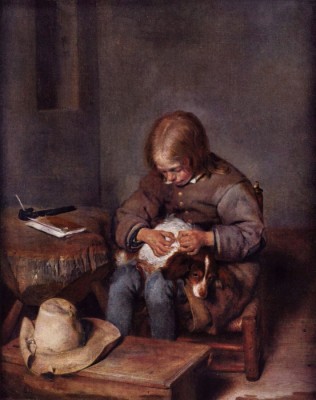 Are you listening?
It was my mother’s frequent outcry. And of course we weren’t. We were following the devices and desires of our own hearts, as the prayer book says. We were children, after all, and we had imaginations to grow and visions to seek, and our own hearts to explore. We were not born to obedience. We were not robots to be programmed. Our normalcy as young humans is why are you listening? is normal in the mouths of mothers everywhere.
Jesus, working to raise a family of disciples, has similar problems. According to Mark, he was talking to them with some urgency about hardship and suffering, and how these things were ahead of him. And ahead of them. But when he had finished and they were talking among themselves, they spoke only about glory, and how that lay ahead of them.
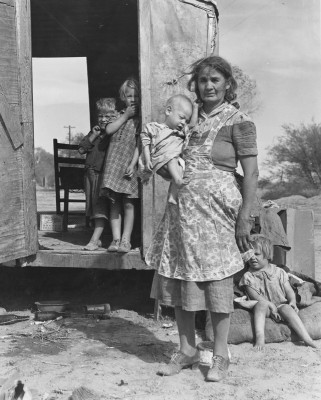 And this is our endless conversation, in the church. Readings, and perhaps parts of sermons, speak to us about suffering, and how it produces endurance, and how endurance produces character, and character, hope, and how hope does not disappoint us because it is God’s love poured into our hearts by the Holy Spirit. But our hearts are really held by dreams of glory, and our conversation is more about good times than challenging ones: about Fairs, Suppers, Feast Days, the Annual Foolishness we have fondly fashioned around Christmas and Easter.
Sometimes I imagine the church as a gigantic cathedral: on one side of the rood screen are the people of God, engaging in all sorts of invented pieties of their own, from prayer beads to burying St. Joseph upside down in order to sell a house; from burning banned books (especially the Koran) to forbidding marriage licenses to same–sex couples; from cancer-healing charms to self-delusions that God wants us to indulge in shopping as long as we shop in Christian-owned stores. And on the other side of the rood screen are the clergy, insisting on rites and rituals that beguile without reforming any of these actions, urging the recitation of creeds that do not require listening to the groans and sighs of this world, that do not even require listening for the love of God.
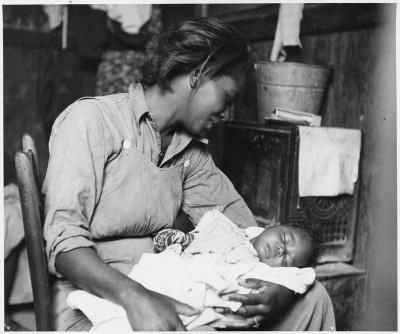 Of course, on both sides of the screen there are exceptions, saints who illuminate our lives with their Christ light.
Yet the conversation among us is a cacophony. In Yeats’ words: The blood-dimmed tide is loosed, and everywhere the ceremony of innocence is drowned; the best lack all conviction, while the worst are full of passionate intensity.
The deep longing for pieties seems to be built into our nature. We long for pieties to guide our steps to the glory of God. And piety can sometimes open our hearts to mercifulness. But far more often, piety is at enmity with mercy, piety becomes a cudgel we wield against those who need our mercy the most.
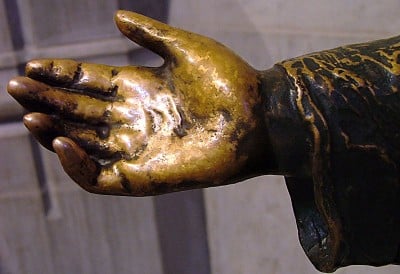 Jesus openly defied pious ways and called out the pious for hiding faithless hearts. Yet the church, in all its traditions, is filled with endless pieties which are famous refusals of mercy: from the Inquisition to priestly pedophilia; from Puritan Sabbath laws to Boston’s famed censors of books and films; from Canadian and Australian Anglican institutions in which indigenous people were detained for cultural reeducation, to Irish homes for unwed mothers who were forced to give up their babies. All of these actions were done publicly in the name of piety and for the glory of God.
Jesus does not urge the prevention of his own suffering. He teaches the walk that will lead him into it, and those who love him, likewise. This is, in my experience, the least acceptable teaching of Christianity. This is the teaching people walk away from.
 Mark tells us Jesus spoke to them about being servants of all, as the path to the greatness of God. And he drew a child into their midst and counselled them to become like that child. That child, who was following his own curiosity, hanging around these men and their teacher, and likely disobeying his mother by doing so. That child, whose heart was not yet so set into ways that were unrelenting. That child, who was at least curious, if not merciful. Curious about what it might mean to become a man. And willing to listen to Jesus, at least a little.
What the child understood is not written down. Nor do we know what became of him. But we know this much: the disciples were still grasping at the meaning of Jesus’ teaching and his life, even at Easter and beyond. As we do, now.
 It is not, after all, the Resurrection that boggles the mind, so much as accepting the walk to Calvary, without sending in a rescuing army, without an armory of pious opinions to give us the right to get rid of the bad guys and proclaim the glory of God, with a flag, a crown, and a prison.
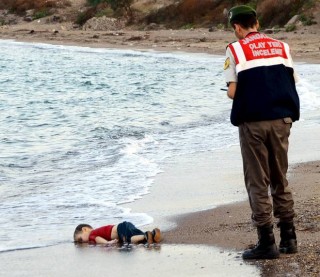
There are an endless supply of stories about the generosity of children, yet when there are children at our borders numbering in the thousands, we close our hearts. It is the mercy of adults that is harder to find occurring in this world. As Jesus knew. Are we listening?
________________________________________________________
Illustrations:
1. Boy With His Hound. 1675. Borch, Gerard, Munich, Germany. Vanderbilt Divinity School Library. Art in the Christian Tradition.
2. Migrant Mother With Children on Arizona Highway 87. 1940. Dorothea Lange. National Archives. Library of Congress. Vanderbilt Divinity School Library. Art in the Christian Tradition.
3. Migrant Cotton Picker and Her Baby. Dorothea Lange. National Archives. Library of Congress. Vanderbilt Divinity School Library. Art in the Christian Tradition.
4. Jesus Hand Reaches Out to Children. Freestanding Sculpture, Washington National Cathedral. DC. Vanderbilt Divinity School Library. Art in the Christian Tradition.
5. Destitute Boy with Wicker Basket, Poor People’s Shelter, Changsa, China. 1944. Cecil Beaton. Imperial War Museum. London. Vanderbilt Divinity School Library. Art in the Christian Tradition.
6. Dead Syrian Child, Turkish beach. Google photo.
Previous Post

September 6, 2015
A Wilderness of Names
Next Post
September 22, 2015 Casting Out Demons
Browse Our Archives
Select a Category Bites Uncategorized
Select a Month December 2017 November 2017 October 2017 September 2017 August 2017 July 2017 June 2017 May 2017 April 2017 March 2017 February 2017 January 2017 December 2016 November 2016 October 2016 September 2016 August 2016 July 2016 June 2016 May 2016 April 2016 March 2016 February 2016 January 2016 December 2015 November 2015 October 2015 September 2015 August 2015 July 2015 June 2015 May 2015 April 2015 March 2015 February 2015 January 2015 December 2014 November 2014 October 2014 September 2014 August 2014 July 2014 June 2014 May 2014 April 2014 March 2014 February 2014 January 2014 December 2013 November 2013 October 2013 September 2013 August 2013 July 2013 June 2013 May 2013 April 2013 March 2013 February 2013 January 2013 December 2012
Follow Us!
TAKE THE
Religious Wisdom Quiz
Which prophet spoke of a 'new covenant' in the Old Testament?
Select your answer to see how you score.
Malachi Jeremiah Ezekiel Isaiah
Related posts from The Bite in the Apple




TRENDING AT PATHEOS Progressive Christian

Why Christians Have a Sacred Duty to Vote:...
The Bible offers strong support for the sacred duty to vote. Here...

What Being a Modern-Day Apostle Means to Me
In my last column, I discussed the ins and outs of modern-day...

Did Ancient China Once Worship the God of...
Across human history, a common thread weaves through the origins of the...

Love Your Neighbor – Including Earth-Kin: Lev. 19,...
God’s command to love your neighbor means acting in an ethical and...

Lead a Church Study of “Jesus and Lao...
Guest writer Jack Thomas (The Irreverent Reverend) reflects on leading his church...

Principles for Understanding the Apostolic Ministry Today
Whenever people discover that my formal ministry title is "apostle," as in...
view all Progressive Christian blogs
Ad-Free & Subscriber Log-In Subscription Support
- About Us
- 2026 Calendar
- Videos
- Podcasts
- Library of World Religions
- Faith In Media Tracker
- Advertise With Us
- Write for Us
- Privacy Policy
- Terms of Service
- Do Not Sell My Data
- Contact Us
- Radiant Digital
- Manage Newsletter Subscriptions
- Unsubscribe From Notifications
- Sitemap
Copyright 2008-2026, Patheos. All rights reserved.
Subscription Support Ad-Free & Subscriber Log-In
Follow Patheos