
BuddhistCatholicContemplativeEvangelicalGeneral ChristianHinduJewishLatter-day SaintMuslimNew VisionsProgressive Christian
Beliefs
- Buddhist
- Catholic
- Contemplative
- Evangelical
- General Christian
- Hindu
- Jewish
- Latter-day Saint
- More Voices
- Muslim
- New Visions
- Pagan
- Progressive Christian
Topics
- Religion News
- Food and Religion
- Sports and Religion
- Religious Art
- Religious Music and Entertainment
- Religious Events
- History and Religion
- Style and Religion
- Politics and Religion
- Women in Religion
- Recreation Outdoors and Religion
- Business Finance and Religion
- Careers Workplace and Religion
- Education and Religion
- Family Parenting and Religion
- Health Fitness and Religion
- Home and Religion
- Relationships and Religion
- Technology and Religion
- Travel and Religion
Columnists
- Buddhist Columnists
- Business Finance and Religion Columnists
- Careers Workplace and Religion Columnists
- Catholic Columnists
- Contemplative Columnists
- Education and Religion Columnists
- Evangelists Columnists
- Family Parenting and Religion Columnists
- General Christian Columnists
- Health Fitness and Religion Columnists
- Hindu Columnists
- History and Religion Columnists
- Home and Religion Columnists
- Jewish Columnists
- More Voices Columnists
- Latter Day Columnists
- Muslim Columnists
- New Visions Columnists
- Nonreligious Columnists
- Pagan Columnists
- Politics and Religion Columnists
- Progressive Columnists
- Recreation Outdoors and Religion Columnists
- Relationships and Religion Columnists
- Religion News Columnists
- Religious Art Columnists
- Religious Events Columnists
- Religious Music and Entertainment Columnists
- Sports and Religion Columnists
- Style and Religion Columnists
- Technology and Religion Columnists
- Travel and Religion Columnists
- Women in Religion Columnists
Resource Library
- 2026 Calendar
- Library of World Religions
- The 100 Most Holy Places on Earth
- Patheos Answers
- Podcasts
- Videos
- Faith Leaders Database
- Anglican Episcopalian
- Bahai
- Baptist
- Buddhism
- Christianity
- Confucianism
- Eastern Orthodoxy
- Hinduism
- Holiness and Pentecostal
- ISKCON
- Islam
- Judaism
- Lutheran
- Methodist
- The Church of Jesus Christ of Latter-day Saints
- New Age
- Paganism
- Presbytarian and Reformed
- Protestantism
- Religion Behind the Scenes
- Roman Catholic
- Scientology
- Shia Islam
- Sikhism
- Sufism
- Sunni Islam
- Taoism
- Zen
- See all religions
Research Tools
 Ad-Free & Subscriber Log-In Subscription Support
Ad-Free & Subscriber Log-In Subscription Support
Follow Patheos 

- Trending:
- Forgiveness
- |
- Marriage
- |
- Consciousness
- |
- Death Penalty
- |
- Election
- |
- Halloween

- Home
- Evangelical
- N.T. Wright’s Galatian– Part Twenty Three
N.T. Wright’s Galatian– Part Twenty Three
Last updated on: July 29, 2021 at 1:24 am by Ben Witherington
N.T. Wright’s Galatian– Part Twenty Three 2021-06-23T09:26:28-04:00 Ben Witherington
Patheos Explore the world's faith through different perspectives on religion and spirituality! Patheos has the views of the prevalent religions and spiritualities of the world.
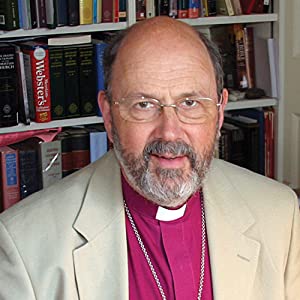
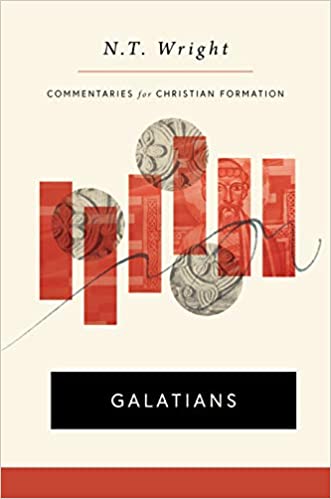
Q. It’s pretty clear that you and I disagree about what Paul means by the stoicheia tou kosmou. We do however agree that Paul is not using those terms in the normal meaning they had— namely the elements of the universe— earth, air, fire, water. For me at least we do indeed need to consider the use of stoicheia elsewhere in the NT, in texts either by Paul or possibly influenced by Paul, by which I mean Colossians and Hebrews. It’s quite clear that in Heb. 6 the author is telling the audience not to go back to elementary teachings. There is no hint there of a reference to beings of any sort, divine or otherwise. Similarly, in Colossians 2.8 “See to it that no one takes you captive through hollow and deceptive philosophy, which depends on human tradition and on the stoicheia of this world rather than on Christ” the subject is teachings, in this case philosophical teachings, that are elementary and fundamental in the world in which the Colossians live. Now if we ask what these texts have in common with Gal. 4 it involves the following: 1) in all three there is an issue of dealing with false teachers, especially in Colossians and Galatians, but also in Hebrews; 2) and not surprisingly the warning is against going back to or embracing some kind of elementary teachings that should be left in the past. In Galatians here Paul has already spoken of the paidagogos and now he says that Christ came to redeem those under the Mosaic Law out from under the Mosaic law. I agree with you that Paul is not suggesting that the Law was given by some sort of inferior deity or the like. What he is saying is it is time to move on from the elementary teaching of the Mosaic Law, just like the Gentiles should have moved on from the elementary teachings of their pagan world about a host of things, including teachings about the elements of the universe, about the relationship of those things to the non-gods etc. The context in Gal. 4, Col. 2 and Heb. 6 is pedagogical and involves teaching. In Galatians Paul is urging the Gentiles not to embrace teaching of the Mosaic covenant that Christ had already come to liberate Jews themselves from. Gal. 4.8 can certainly be rendered ‘those things which by nature not being gods’ (after all he is denying that they are beings like gods). He calls them weak and beggarly principles that they should not become enslaved to again. If Paul is indeed drawing an analogy between being enslaved or kept in jail under the Mosaic law (which he obviously doesn’t think of as a being or a deity), does it not make the best sense of all this that he is talking about the former enslavement of Gentiles to their worldviews, their elementary teachings? What is it that you find wrong with this conclusion? Paul wants liberation from the teachings of the past which the coming of Christ has made obsolete. Further, he doesn’t want his Gentile converts to embrace a, for them, new sort of previous teaching— involving circumcision and the Mosaic covenant. As far as I can see, the first clear evidence of using stoicheia to refer to elemental spirits comes in post-NT Christian literature.
A.
I have to refer you to the work of Ernest Clark, referred to in my text! And also the further proposal of Esau McCaulley. Together I think they provide a framework for addressing the old dilemma where it looks as though the Gentiles were under Torah and the Jews were under the stoicheia, which can’t be right. I said in the commentary that I had changed my mind and that I might change it again, though not to the position I started from (which was that the stoicheia were the line-up of tutelary deities of the nations). Clark examined all the uses of stoicheia in ancient Greek. McCaulley ties it in very neatly with Deuteronomy’s warnings about the exilic condition which will follow upon disobedience.
Previous Post

July 28, 2021
N.T Wright's Galatians-- Part Twenty-Two
Next Post
July 30, 2021 N.T. Wright's Galatians-- Part Twenty Four
Browse Our Archives
Select a Category Uncategorized
Select a Month October 2026 September 2026 August 2026 July 2026 June 2026 May 2026 April 2026 March 2026 February 2026 January 2026 December 2025 November 2025 October 2025 September 2025 August 2025 July 2025 June 2025 May 2025 April 2025 March 2025 February 2025 January 2025 December 2024 November 2024 October 2024 September 2024 August 2024 July 2024 June 2024 May 2024 April 2024 March 2024 February 2024 January 2024 December 2023 November 2023 October 2023 September 2023 August 2023 July 2023 June 2023 May 2023 April 2023 March 2023 February 2023 January 2023 December 2022 November 2022 October 2022 September 2022 August 2022 July 2022 June 2022 May 2022 April 2022 March 2022 February 2022 January 2022 December 2021 November 2021 October 2021 September 2021 August 2021 July 2021 June 2021 May 2021 April 2021 March 2021 February 2021 January 2021 December 2020 November 2020 October 2020 September 2020 August 2020 July 2020 June 2020 May 2020 April 2020 March 2020 February 2020 January 2020 December 2019 November 2019 October 2019 September 2019 August 2019 July 2019 June 2019 May 2019 April 2019 March 2019 February 2019 January 2019 December 2018 November 2018 October 2018 September 2018 August 2018 July 2018 June 2018 May 2018 April 2018 March 2018 February 2018 January 2018 December 2017 November 2017 October 2017 September 2017 August 2017 July 2017 June 2017 May 2017 April 2017 March 2017 February 2017 January 2017 December 2016 November 2016 October 2016 September 2016 August 2016 July 2016 June 2016 May 2016 April 2016 March 2016 February 2016 January 2016 December 2015 November 2015 October 2015 September 2015 August 2015 July 2015 June 2015 May 2015 April 2015 March 2015 February 2015 January 2015 December 2014 November 2014 October 2014 September 2014 August 2014 July 2014 June 2014 May 2014 April 2014 March 2014 February 2014 January 2014 December 2013 November 2013 October 2013 September 2013 August 2013 July 2013 June 2013 May 2013 April 2013 March 2013 February 2013 January 2013 December 2012 November 2012 October 2012 September 2012 August 2012 July 2012 June 2012 May 2012 April 2012 March 2012 February 2012 January 2012 December 2011 November 2011 October 2011 September 2011 August 2011 July 2011 June 2011 May 2011 April 2011 March 2011 February 2011 January 2011
Follow Us!
TAKE THE
Religious Wisdom Quiz
What does "Golgotha" literally mean?
Select your answer to see how you score.
Skull place Place of death Crucifixion hill Suffering ground
Books by This Author Books by Ben Witherington
Related posts from The Bible and Culture



The British Library-- Part Two
The British Library-- Part One
TRENDING AT PATHEOS Evangelical

How to Make a Decision When You Can't...
Main point: It’s much more valuable to stay close to God so...

Archdiocese Hosts Military Marriage Retreat in Germany
RASTATT, Germany — The transient military lifestyle, with its frequent deployments and...

Nearly every morning, I make the drive to Detroit with my high-school-age...

The Real AI Story Is Adoption Without Trust
Artificial intelligence has crossed a political threshold. It is no longer a...

A new article, written by Jeff Lindsay and Gale L. Pooley,...

Swimfan: Forgotten Aughts Pleasures
This is a recovery effort. In 2002, My Big Fat Greek Wedding...
view all Evangelical blogs
Ad-Free & Subscriber Log-In Subscription Support
- About Us
- 2026 Calendar
- Videos
- Podcasts
- Library of World Religions
- Faith In Media Tracker
- Advertise With Us
- Write for Us
- Privacy Policy
- Terms of Service
- Do Not Sell My Data
- Contact Us
- Radiant Digital
- Manage Newsletter Subscriptions
- Unsubscribe From Notifications
- Sitemap
Copyright 2008-2026, Patheos. All rights reserved.
Subscription Support Ad-Free & Subscriber Log-In
Follow Patheos