
BuddhistCatholicContemplativeEvangelicalGeneral ChristianHinduJewishLatter-day SaintMuslimNew VisionsProgressive Christian
Beliefs
- Buddhist
- Catholic
- Contemplative
- Evangelical
- General Christian
- Hindu
- Jewish
- Latter-day Saint
- More Voices
- Muslim
- New Visions
- Pagan
- Progressive Christian
Topics
- Religion News
- Food and Religion
- Sports and Religion
- Religious Art
- Religious Music and Entertainment
- Religious Events
- History and Religion
- Style and Religion
- Politics and Religion
- Women in Religion
- Recreation Outdoors and Religion
- Business Finance and Religion
- Careers Workplace and Religion
- Education and Religion
- Family Parenting and Religion
- Health Fitness and Religion
- Home and Religion
- Relationships and Religion
- Technology and Religion
- Travel and Religion
Columnists
- Buddhist Columnists
- Business Finance and Religion Columnists
- Careers Workplace and Religion Columnists
- Catholic Columnists
- Contemplative Columnists
- Education and Religion Columnists
- Evangelists Columnists
- Family Parenting and Religion Columnists
- General Christian Columnists
- Health Fitness and Religion Columnists
- Hindu Columnists
- History and Religion Columnists
- Home and Religion Columnists
- Jewish Columnists
- More Voices Columnists
- Latter Day Columnists
- Muslim Columnists
- New Visions Columnists
- Nonreligious Columnists
- Pagan Columnists
- Politics and Religion Columnists
- Progressive Columnists
- Recreation Outdoors and Religion Columnists
- Relationships and Religion Columnists
- Religion News Columnists
- Religious Art Columnists
- Religious Events Columnists
- Religious Music and Entertainment Columnists
- Sports and Religion Columnists
- Style and Religion Columnists
- Technology and Religion Columnists
- Travel and Religion Columnists
- Women in Religion Columnists
Resource Library
- 2026 Calendar
- Library of World Religions
- The 100 Most Holy Places on Earth
- Patheos Answers
- Podcasts
- Videos
- Faith Leaders Database
- Anglican Episcopalian
- Bahai
- Baptist
- Buddhism
- Christianity
- Confucianism
- Eastern Orthodoxy
- Hinduism
- Holiness and Pentecostal
- ISKCON
- Islam
- Judaism
- Lutheran
- Methodist
- The Church of Jesus Christ of Latter-day Saints
- New Age
- Paganism
- Presbytarian and Reformed
- Protestantism
- Religion Behind the Scenes
- Roman Catholic
- Scientology
- Shia Islam
- Sikhism
- Sufism
- Sunni Islam
- Taoism
- Zen
- See all religions
Research Tools
 Ad-Free & Subscriber Log-In Subscription Support
Ad-Free & Subscriber Log-In Subscription Support
Follow Patheos 

- Trending:
- Forgiveness
- |
- Marriage
- |
- Consciousness
- |
- Death Penalty
- |
- Election
- |
- Halloween

- Home
- Evangelical
- Roma Aeterna Part Nine— More Pompeii Scavi
Roma Aeterna Part Nine— More Pompeii Scavi
Last updated on: March 13, 2015 at 10:56 pm by Ben Witherington
Roma Aeterna Part Nine— More Pompeii Scavi 2015-03-13T22:56:07-04:00 Ben Witherington
Patheos Explore the world's faith through different perspectives on religion and spirituality! Patheos has the views of the prevalent religions and spiritualities of the world.
There is so much more to see and take in at Pompeii than a few blog posts can relate. While the city seems likes a ghost town if you are there without the crush of tourists, it is still very much alive during the tourist season. Even in late Fall, Naples and environs can be warm. It was over 80F when Yuliya and I were there Oct. 23rd. I was wishing I had brought my shorts. And things were still growing. Here for example is a Pomegranate tree near the Villa of Mysteries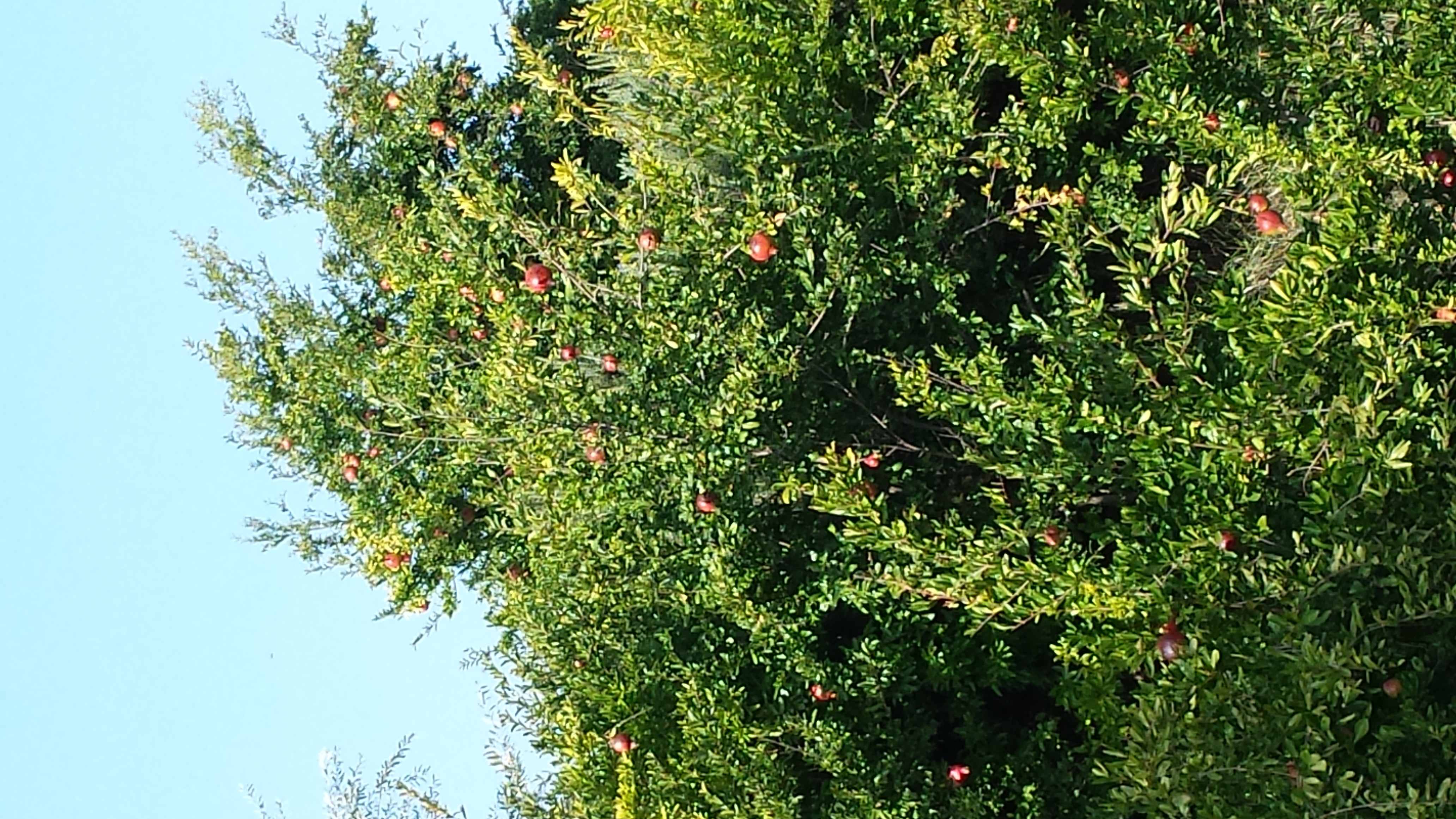
And of course there are palm trees and green grass (think Florida in late October).
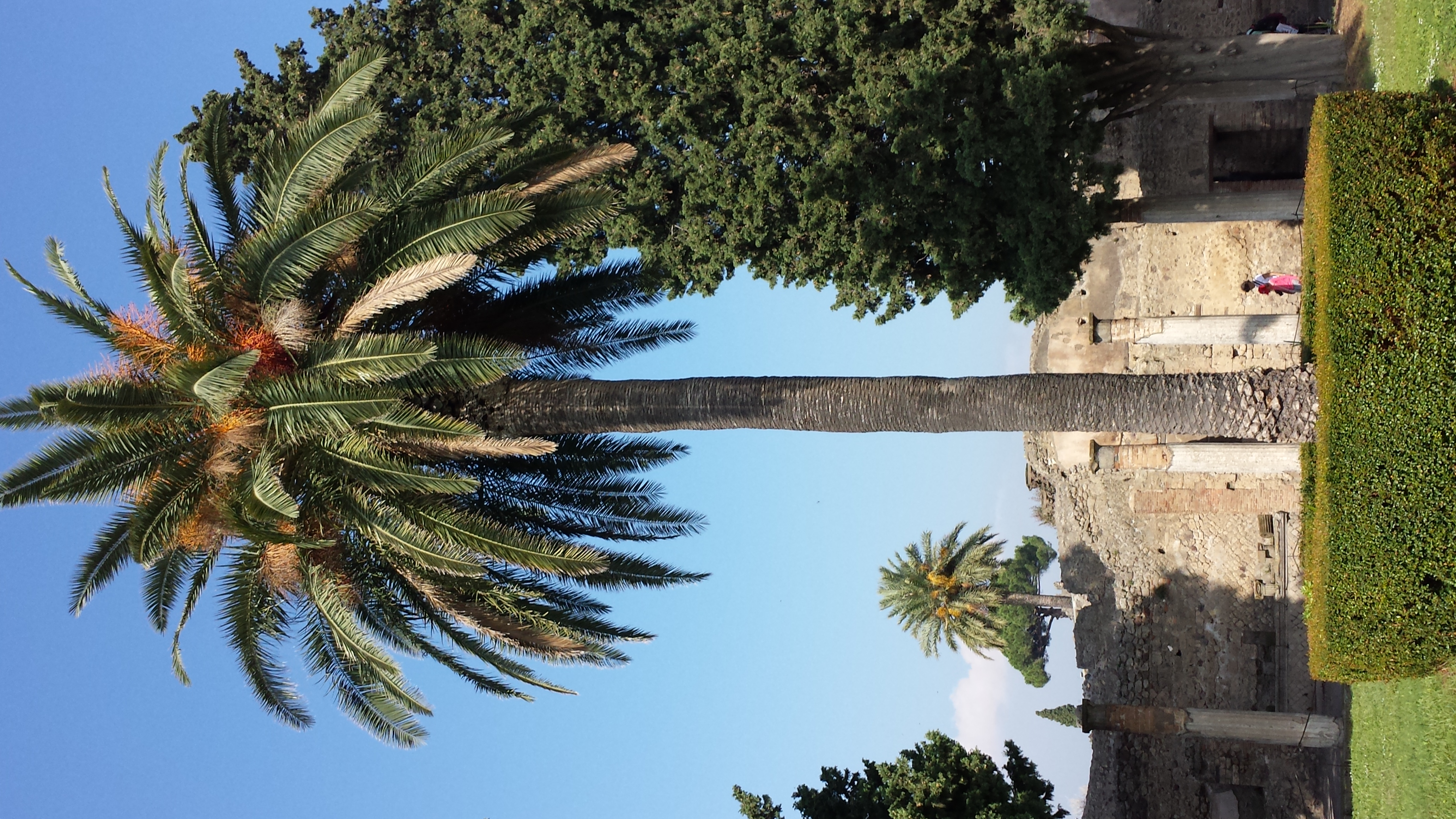
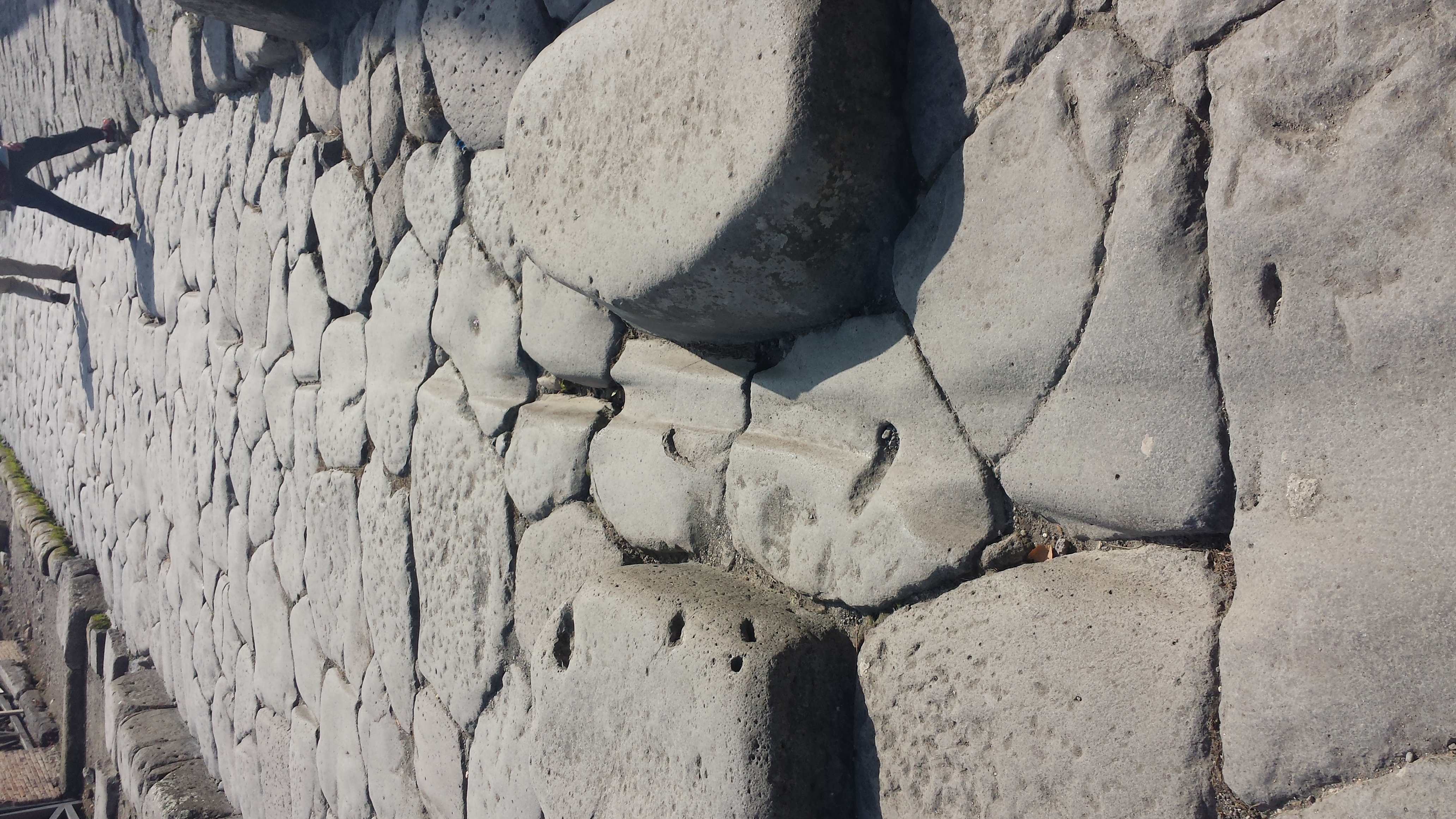
You can spend considerable time looking at the streets themselves with their cobblestones and ruts from all the wagons that rolled through them in antiquity
You can spend time reading the signs, if, that is, you know Latin and Roman numerals. I thank God all the time for the language training which I got from my public schools in High Point N.C. including three great years of Latin. It has served me well.
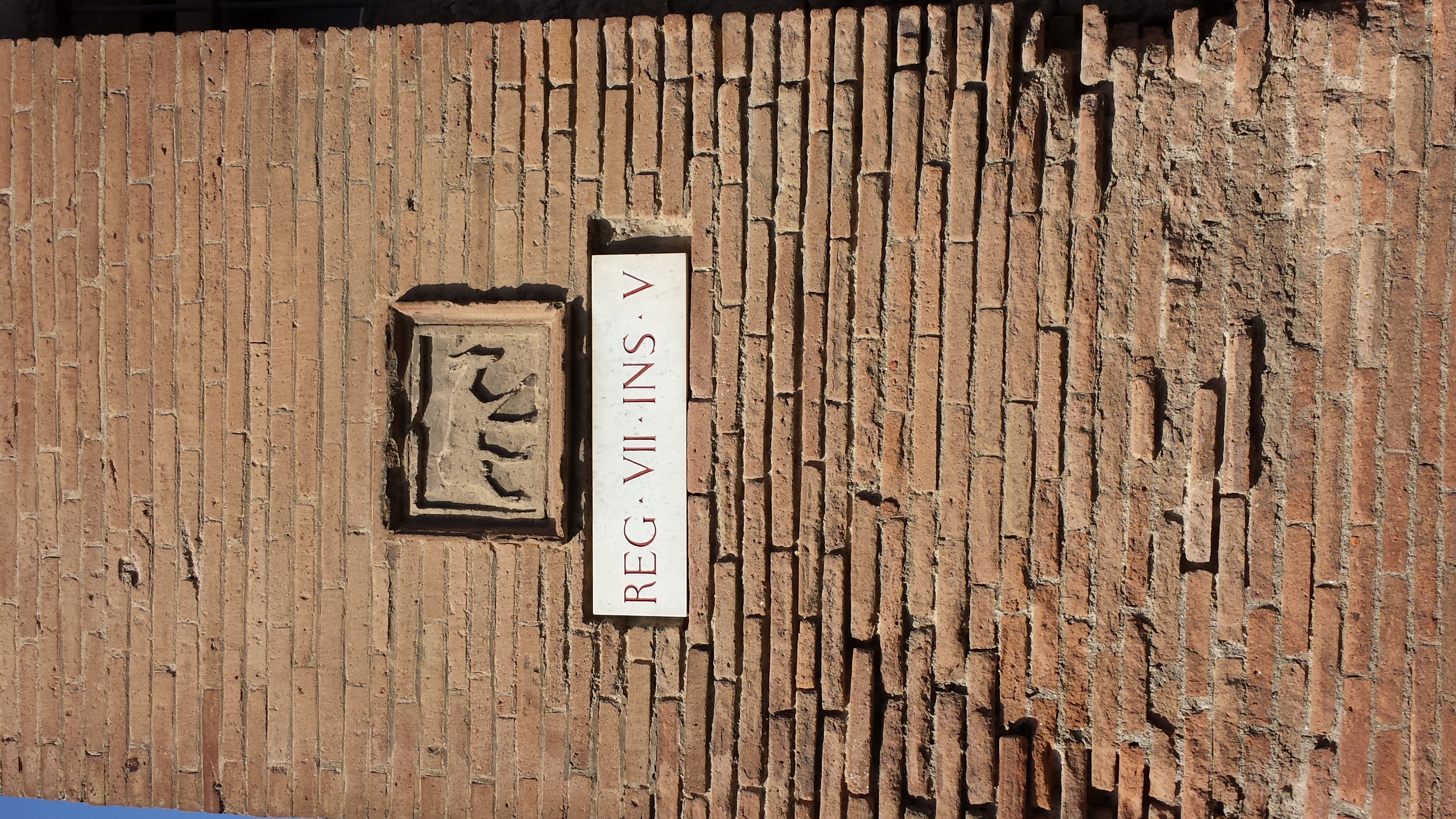 While roads and big streets in big towns tended to have names (Via Appia for example) smaller ones might just be assigned numbers. This sign tells us what region and which insula (apartment complex) we are in. The insula of the donkey…. in other words, blue collar worker, caravaners, who lived near the forum as they hauled goods for a living.
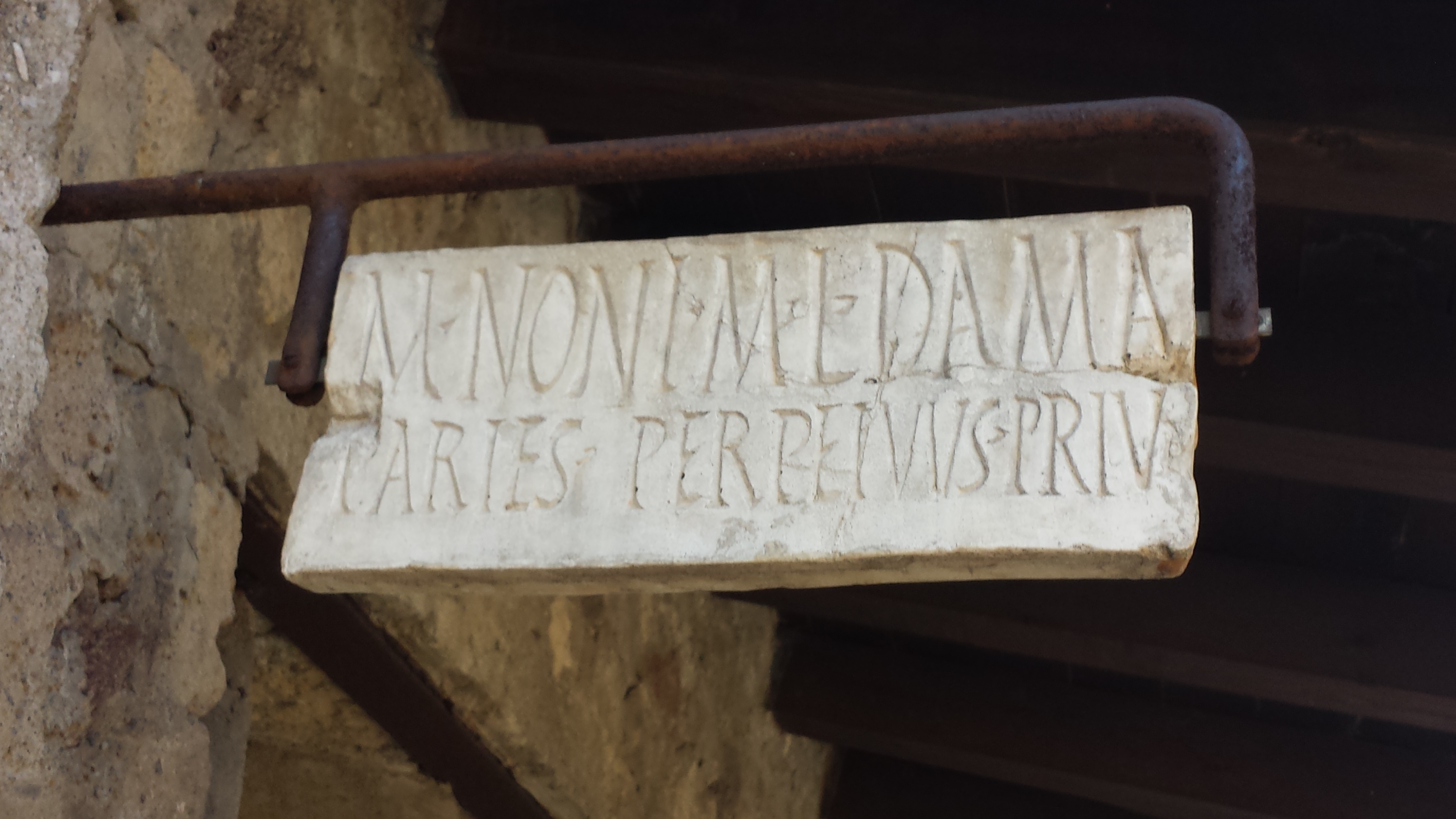
This is the sign at the laundry service shop. Togas in antiquity were cleaned by soaking them in ammonia, otherwise known as human urine. I’d stay away from that shop if you value your olfactory senses. Or below you can see a public sign on a column…
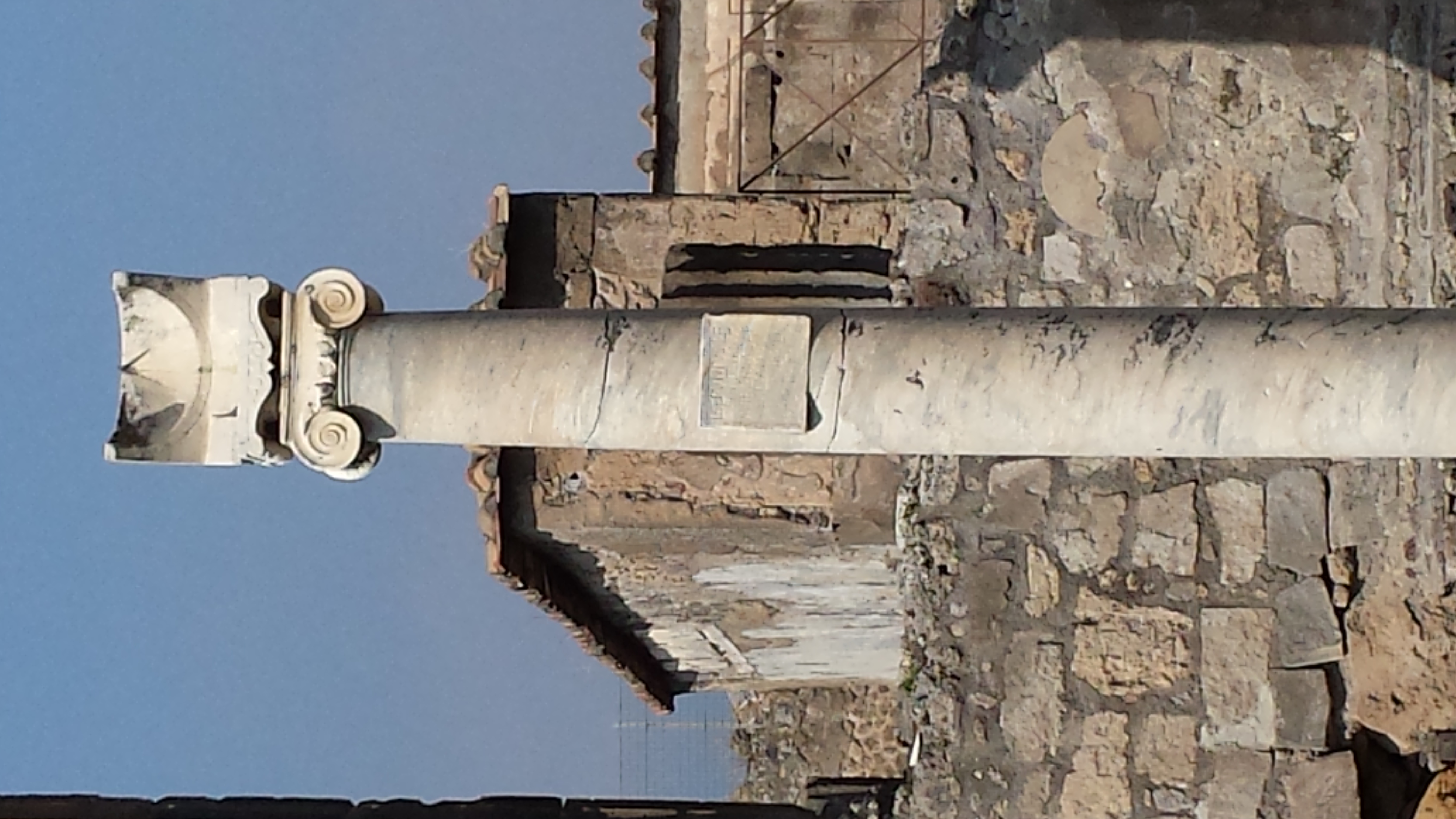
Clearly this is a more permanent, indeed marble sign… saying something like… ‘no loitering outside the court house’
Lots of signs of course were honorific in character. People would brag on themselves, their relatives, their patrons etc. In an honor and shame culture, honor had to be publicly established and displayed, otherwise peons wouldn’t know who they were supposed to be honoring. Here is one such sign…
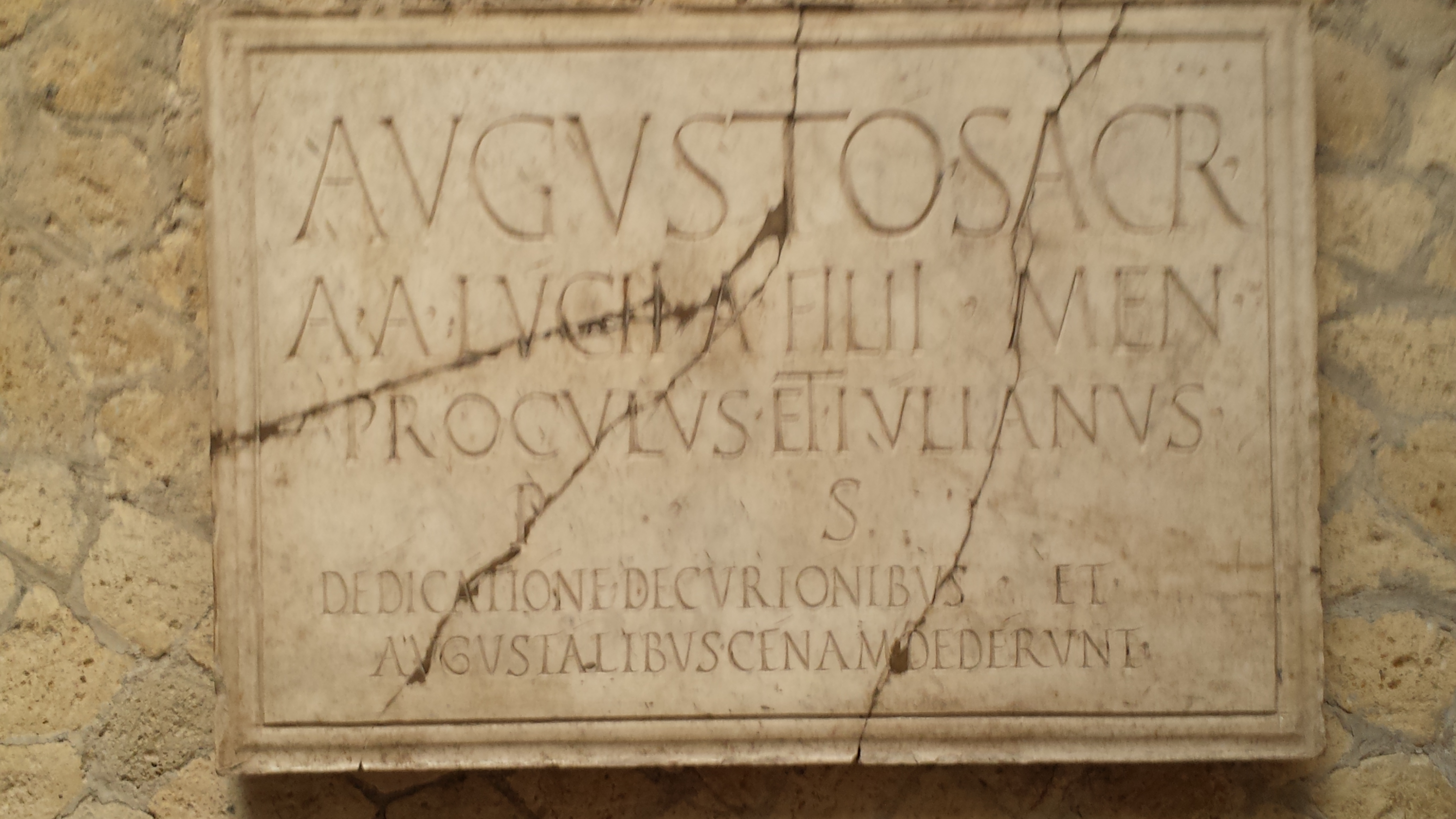
A gentleman name Proculus and a friend have put this up, honoring Augustus, or perhaps a priest in the cult of Augustus there, and it appears from the last line Proculus did this in part to obtain the office of decurion. This is what you call public sucking up….
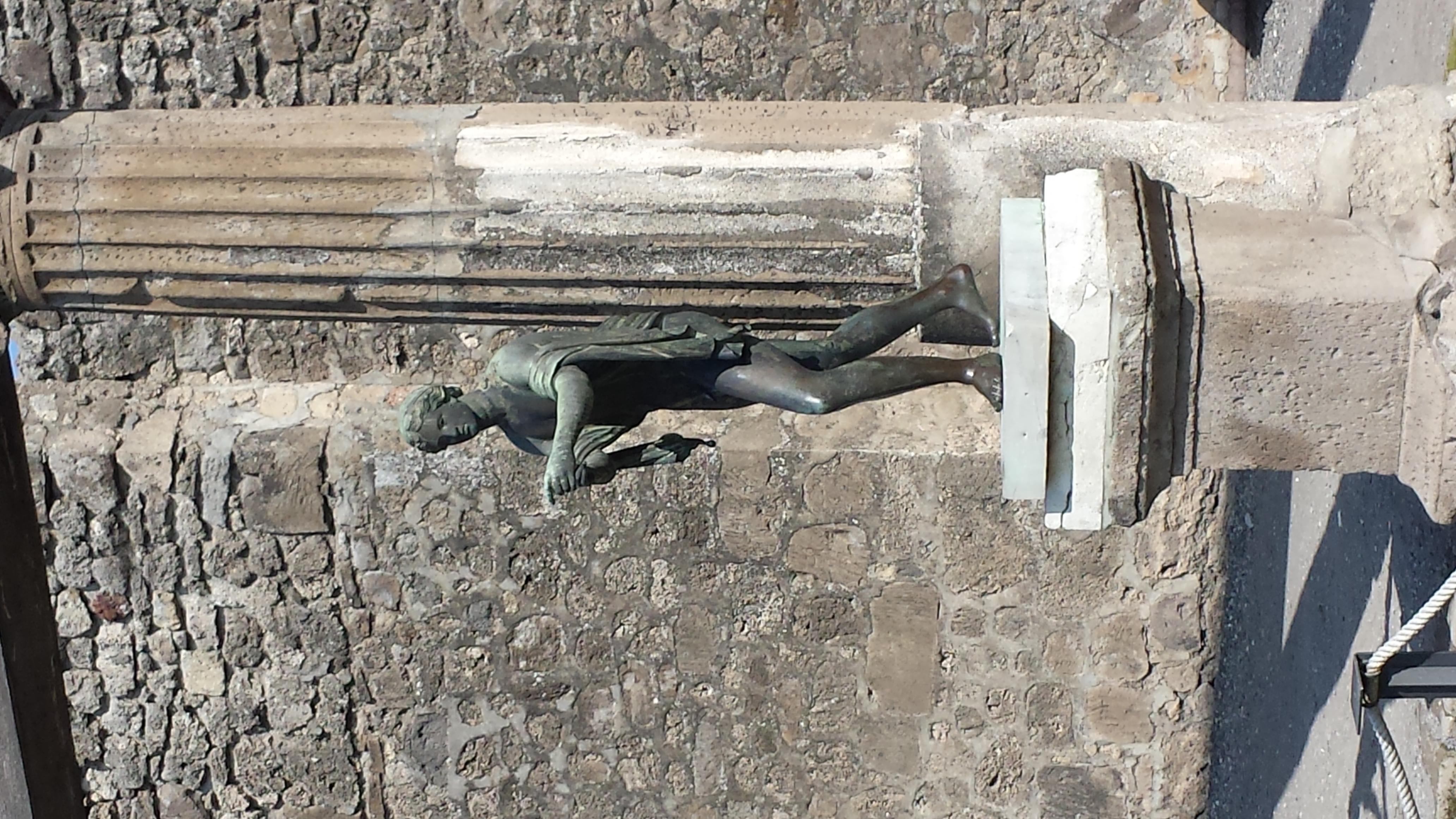
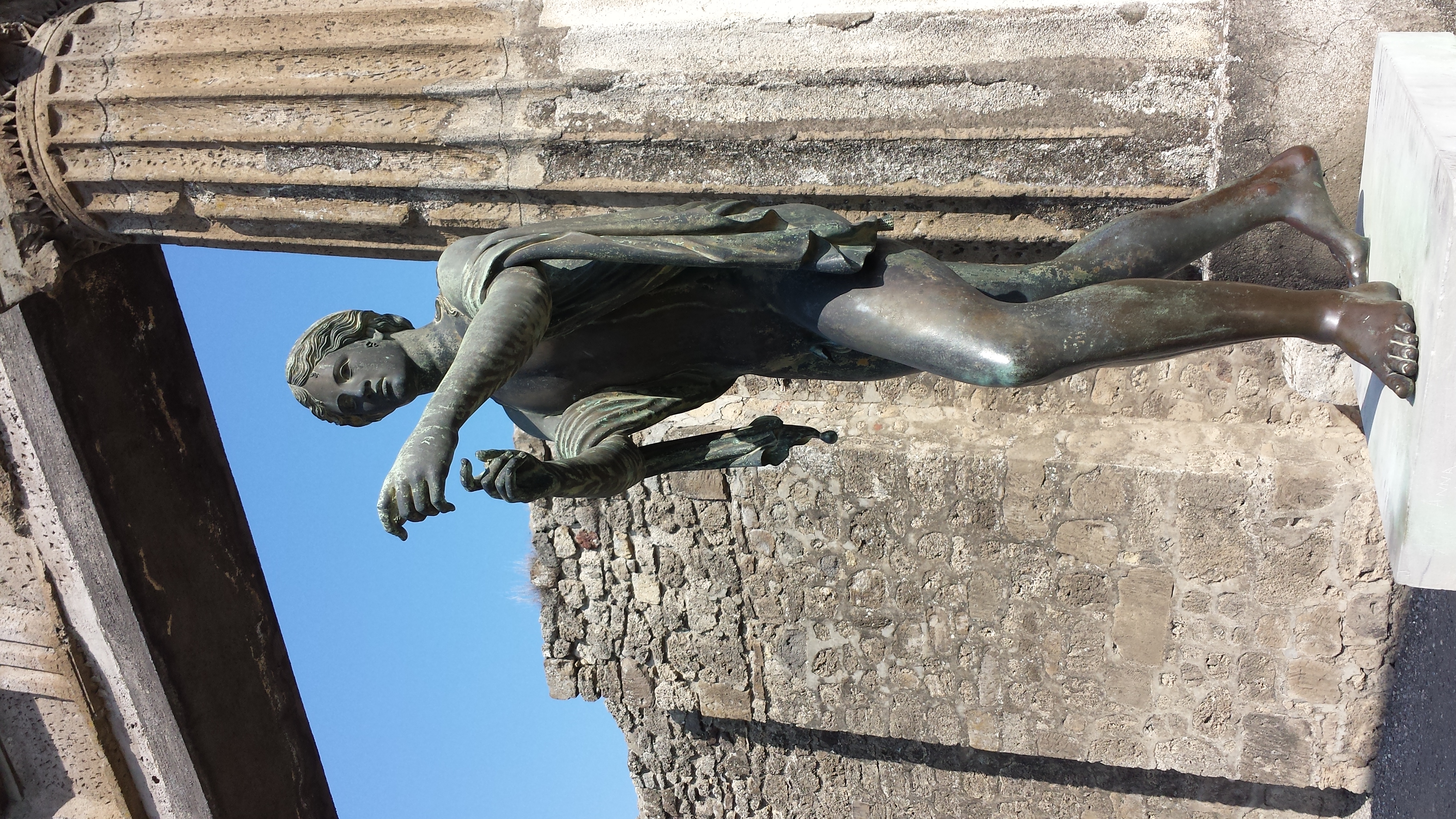
Public statues in a place like Pompeii tend to be of famous mythological characters, or patricians, or senators, or public figures. For example, here is a statue just off the main Augustan period forum…
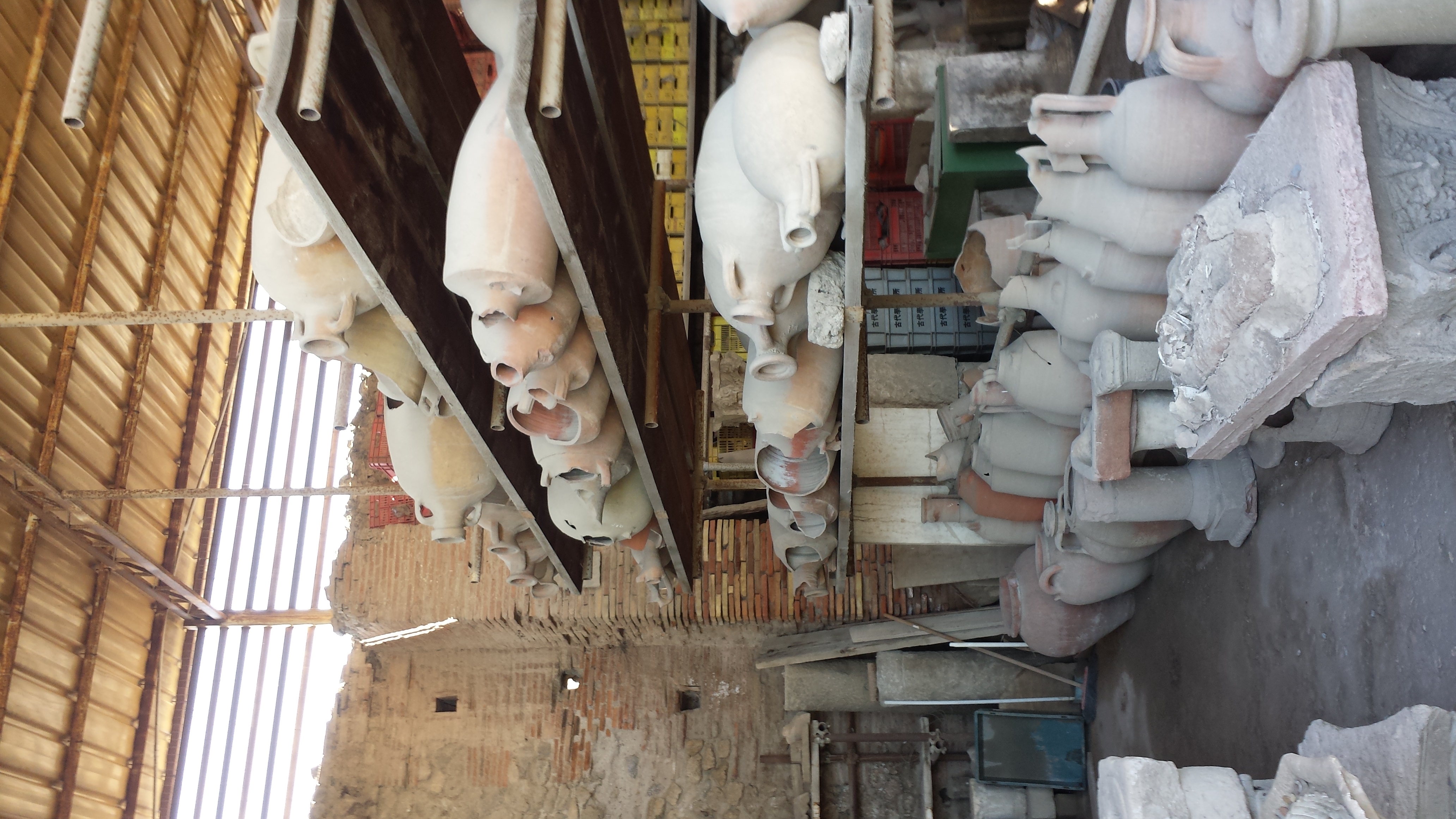
I enjoy spending time at the lock up… where they store the precious artifacts unearthed which they can’t leave out in public. For example here is a whole bunch of wine amphorae they have found.. mostly intact.
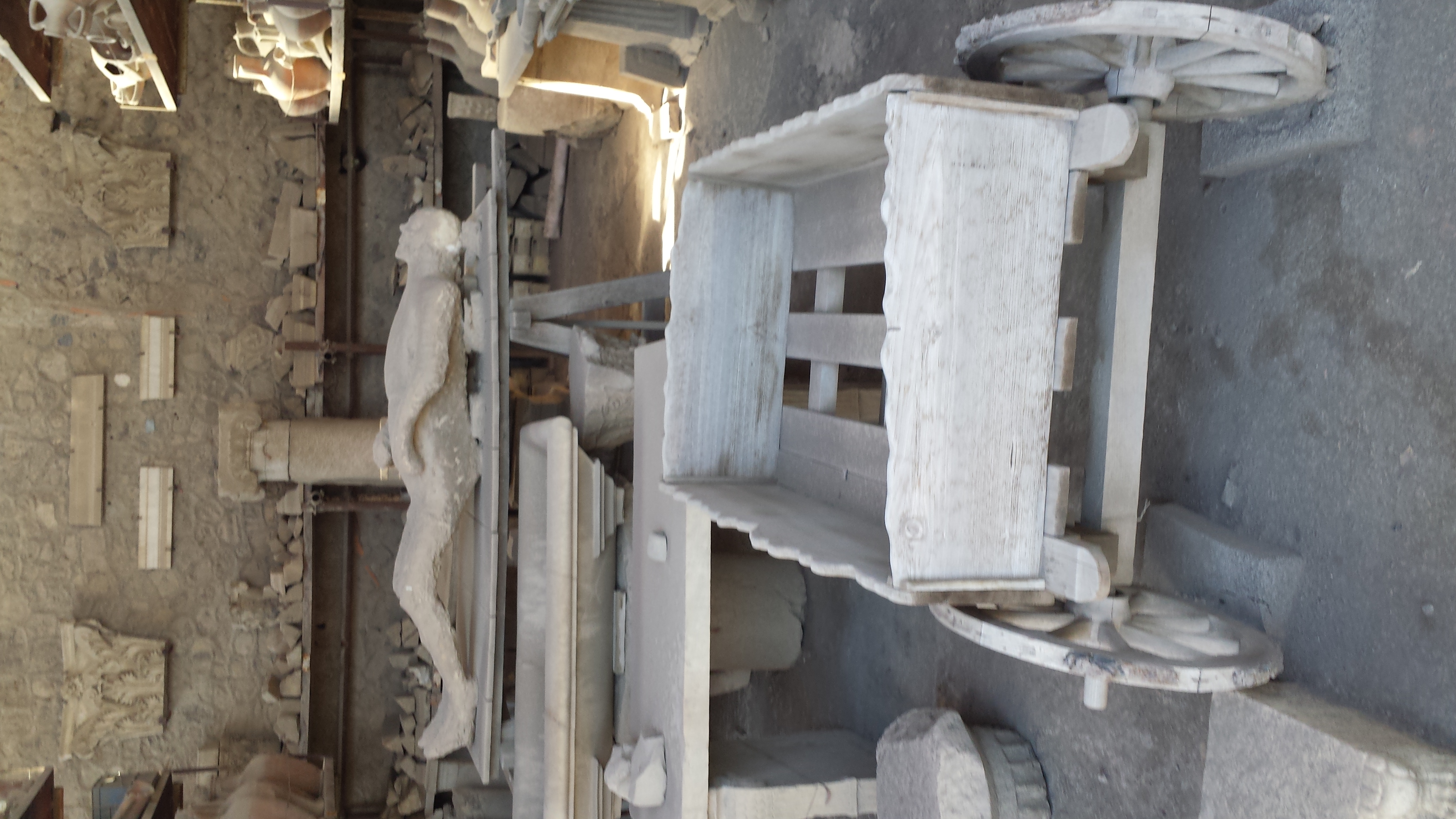
Or you can stop and stare at an incinerated wagon and an incinerated person lying on a slab.
I enjoying checking out the public drinking troughs (for animals mostly) 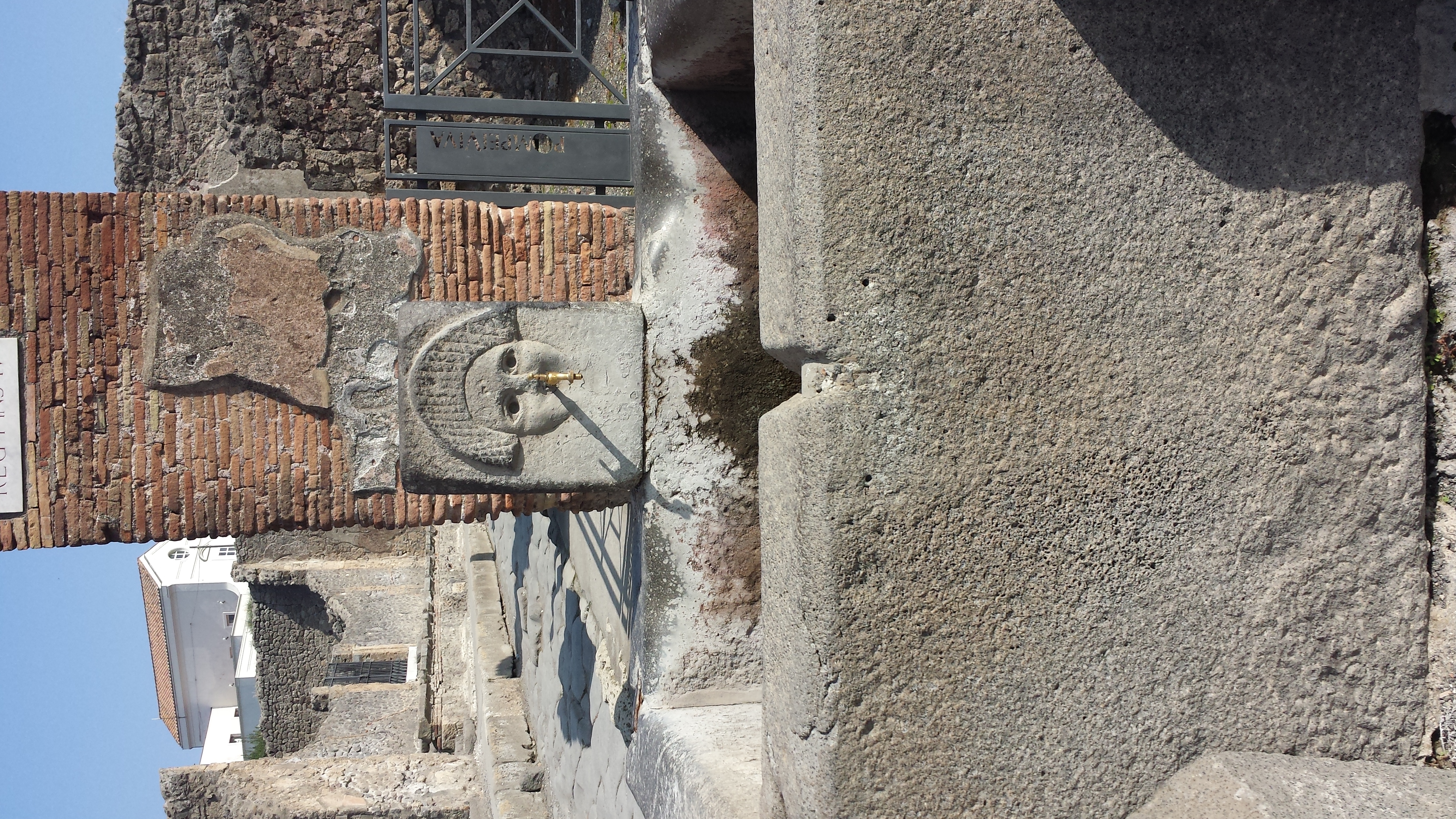
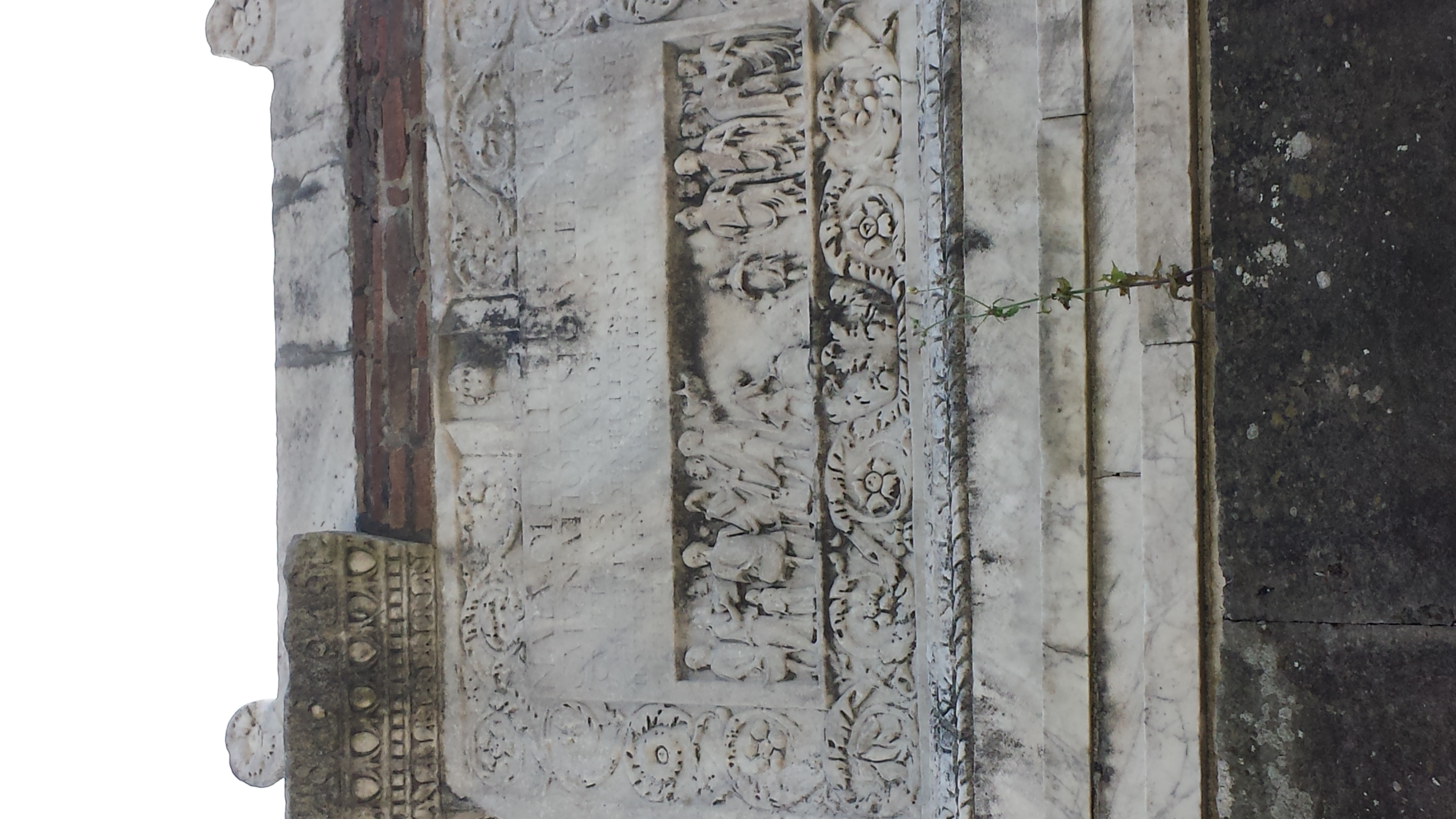
A trip through the necropolis is always educational as well. The wealthy enjoyed getting buried in style….
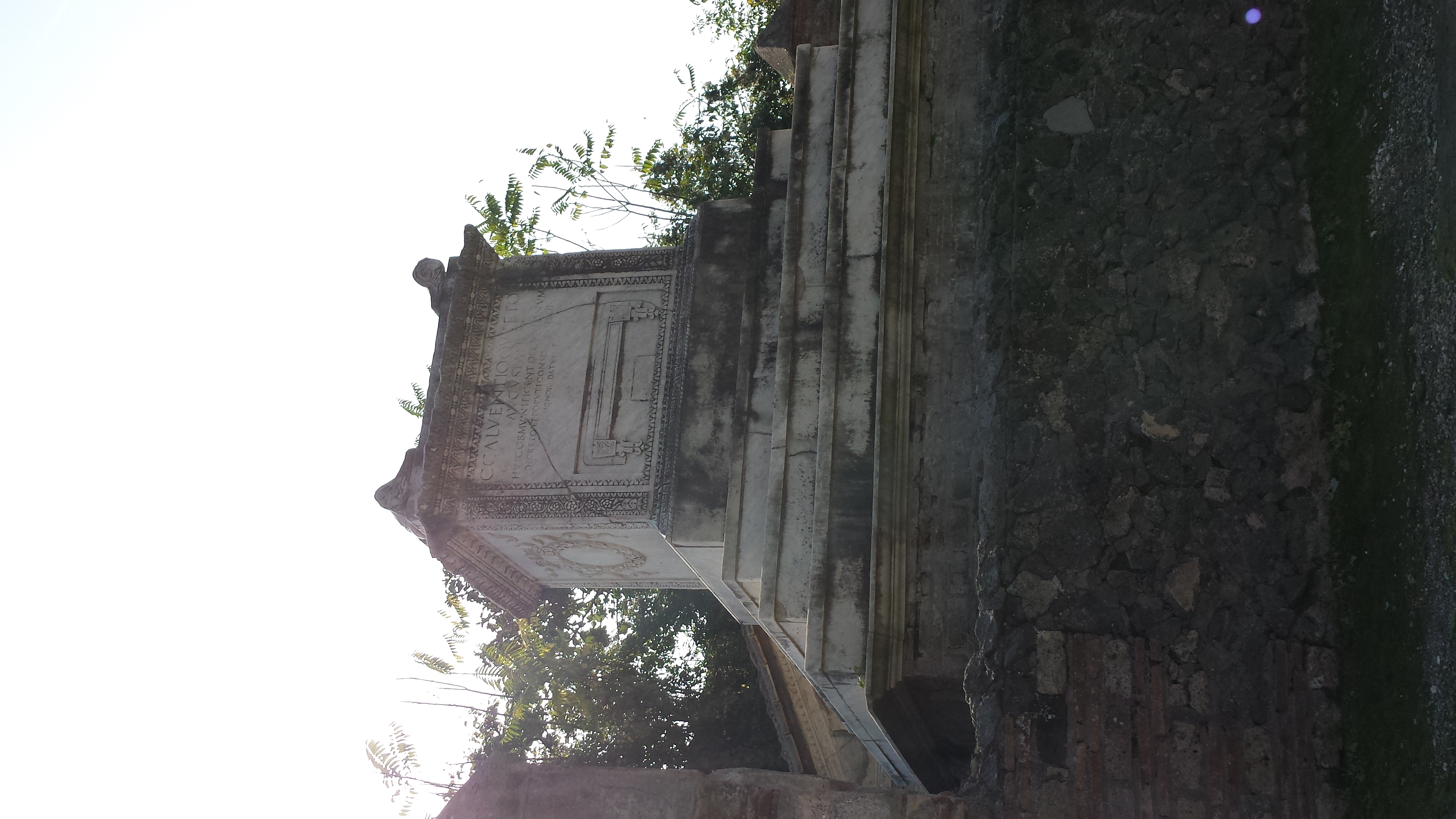 Here as elsewhere in the Greco-Roman world tombs of the notable were perched right next to major roads, so you would notice them, maybe read the inscriptions, and be impressed. The honoring of the dead was big in that world.
Previous Post

November 26, 2013
Bella Italia-- Part Nine--- St.Maria Maggiore
Next Post
November 28, 2013 Happy Thanksgiving!
Browse Our Archives
Select a Category Uncategorized
Select a Month October 2026 September 2026 August 2026 July 2026 June 2026 May 2026 April 2026 March 2026 February 2026 January 2026 December 2025 November 2025 October 2025 September 2025 August 2025 July 2025 June 2025 May 2025 April 2025 March 2025 February 2025 January 2025 December 2024 November 2024 October 2024 September 2024 August 2024 July 2024 June 2024 May 2024 April 2024 March 2024 February 2024 January 2024 December 2023 November 2023 October 2023 September 2023 August 2023 July 2023 June 2023 May 2023 April 2023 March 2023 February 2023 January 2023 December 2022 November 2022 October 2022 September 2022 August 2022 July 2022 June 2022 May 2022 April 2022 March 2022 February 2022 January 2022 December 2021 November 2021 October 2021 September 2021 August 2021 July 2021 June 2021 May 2021 April 2021 March 2021 February 2021 January 2021 December 2020 November 2020 October 2020 September 2020 August 2020 July 2020 June 2020 May 2020 April 2020 March 2020 February 2020 January 2020 December 2019 November 2019 October 2019 September 2019 August 2019 July 2019 June 2019 May 2019 April 2019 March 2019 February 2019 January 2019 December 2018 November 2018 October 2018 September 2018 August 2018 July 2018 June 2018 May 2018 April 2018 March 2018 February 2018 January 2018 December 2017 November 2017 October 2017 September 2017 August 2017 July 2017 June 2017 May 2017 April 2017 March 2017 February 2017 January 2017 December 2016 November 2016 October 2016 September 2016 August 2016 July 2016 June 2016 May 2016 April 2016 March 2016 February 2016 January 2016 December 2015 November 2015 October 2015 September 2015 August 2015 July 2015 June 2015 May 2015 April 2015 March 2015 February 2015 January 2015 December 2014 November 2014 October 2014 September 2014 August 2014 July 2014 June 2014 May 2014 April 2014 March 2014 February 2014 January 2014 December 2013 November 2013 October 2013 September 2013 August 2013 July 2013 June 2013 May 2013 April 2013 March 2013 February 2013 January 2013 December 2012 November 2012 October 2012 September 2012 August 2012 July 2012 June 2012 May 2012 April 2012 March 2012 February 2012 January 2012 December 2011 November 2011 October 2011 September 2011 August 2011 July 2011 June 2011 May 2011 April 2011 March 2011 February 2011 January 2011
Follow Us!
TAKE THE
Religious Wisdom Quiz
What does "Gethsemane" mean?
Select your answer to see how you score.
Garden Spring Olive tree Oil press
Books by This Author Books by Ben Witherington
Related posts from The Bible and Culture


Methodist Central Hall and Westminster Abbey


TRENDING AT PATHEOS Evangelical

The Problem with False Prophets
Miller’s Station UMC| 10/18/26| Anchor Verse: Jeremiah 23: 1, 9-23 I...

Emotion in Early Christianity by Andrew Crislip
Andrew Crislip’s Emotion in Early Christianity examines an often overlooked dimension of...

16 Spiritual Touchstones for a More Grounded Life
After decades of spiritual study, here are 16 principles I try...

Catholic Evangelization: Sharing Your Faith Every Day
Welcome back to the Graceful Awakening mini-series called, “From Faith to Mission.” ...

The Pillar of the Boatmen: the Ancient Monument...
The Pillar of the Boatmen is a Romano-Gaulish sculpture that dates from...

In one sense walking into Westminster Abbey is like walking down the...
view all Evangelical blogs
Ad-Free & Subscriber Log-In Subscription Support
- About Us
- 2026 Calendar
- Videos
- Podcasts
- Library of World Religions
- Faith In Media Tracker
- Advertise With Us
- Write for Us
- Privacy Policy
- Terms of Service
- Do Not Sell My Data
- Contact Us
- Radiant Digital
- Manage Newsletter Subscriptions
- Unsubscribe From Notifications
- Sitemap
Copyright 2008-2026, Patheos. All rights reserved.
Subscription Support Ad-Free & Subscriber Log-In
Follow Patheos