
BuddhistCatholicContemplativeEvangelicalGeneral ChristianHinduJewishLatter-day SaintMuslimNew VisionsProgressive Christian
Beliefs
- Buddhist
- Catholic
- Contemplative
- Evangelical
- General Christian
- Hindu
- Jewish
- Latter-day Saint
- More Voices
- Muslim
- New Visions
- Pagan
- Progressive Christian
Topics
- Religion News
- Food and Religion
- Sports and Religion
- Religious Art
- Religious Music and Entertainment
- Religious Events
- History and Religion
- Style and Religion
- Politics and Religion
- Women in Religion
- Recreation Outdoors and Religion
- Business Finance and Religion
- Careers Workplace and Religion
- Education and Religion
- Family Parenting and Religion
- Health Fitness and Religion
- Home and Religion
- Relationships and Religion
- Technology and Religion
- Travel and Religion
Columnists
- Buddhist Columnists
- Business Finance and Religion Columnists
- Careers Workplace and Religion Columnists
- Catholic Columnists
- Contemplative Columnists
- Education and Religion Columnists
- Evangelists Columnists
- Family Parenting and Religion Columnists
- General Christian Columnists
- Health Fitness and Religion Columnists
- Hindu Columnists
- History and Religion Columnists
- Home and Religion Columnists
- Jewish Columnists
- More Voices Columnists
- Latter Day Columnists
- Muslim Columnists
- New Visions Columnists
- Nonreligious Columnists
- Pagan Columnists
- Politics and Religion Columnists
- Progressive Columnists
- Recreation Outdoors and Religion Columnists
- Relationships and Religion Columnists
- Religion News Columnists
- Religious Art Columnists
- Religious Events Columnists
- Religious Music and Entertainment Columnists
- Sports and Religion Columnists
- Style and Religion Columnists
- Technology and Religion Columnists
- Travel and Religion Columnists
- Women in Religion Columnists
Resource Library
- 2026 Calendar
- Library of World Religions
- The 100 Most Holy Places on Earth
- Patheos Answers
- Podcasts
- Videos
- Faith Leaders Database
- Anglican Episcopalian
- Bahai
- Baptist
- Buddhism
- Christianity
- Confucianism
- Eastern Orthodoxy
- Hinduism
- Holiness and Pentecostal
- ISKCON
- Islam
- Judaism
- Lutheran
- Methodist
- The Church of Jesus Christ of Latter-day Saints
- New Age
- Paganism
- Presbytarian and Reformed
- Protestantism
- Religion Behind the Scenes
- Roman Catholic
- Scientology
- Shia Islam
- Sikhism
- Sufism
- Sunni Islam
- Taoism
- Zen
- See all religions
Research Tools
 Ad-Free & Subscriber Log-In Subscription Support
Ad-Free & Subscriber Log-In Subscription Support
Follow Patheos 

- Trending:
- Forgiveness
- |
- Marriage
- |
- Consciousness
- |
- Death Penalty
- |
- Election
- |
- Halloween
 Bad Catholic
- Home
- Catholic
- Stop Saying “I Feel Like”
Stop Saying “I Feel Like”
Last updated on: November 19, 2011 at 3:41 pm by Marc
Stop Saying “I Feel Like” 2011-11-19T15:41:00-05:00 Marc
Patheos Explore the world's faith through different perspectives on religion and spirituality! Patheos has the views of the prevalent religions and spiritualities of the world.
So I had planned to talk about the forces in the world that make it difficult to be a man, and give my own logical and well-planned thoughts on how to overcome them. Then I saw this, and realized it’s already been covered.
http://www.youtube.com/watch?v=GoKR_ZFSywc?fs=1
So, on to other business.We are not decisive. As a country, as a time, as individuals and as a people, one of our biggest, most idiotic flaws is our inability to choose a path and take it. This, by the way, is far worse than being on the completely wrong path. The decisively bad are almost as bold as the decisively good, in that they take action. The decisively bad are evil men, the indecisive men are cowards, and in the fires of hell, I do believe the two amount to the same thing, though the cowards wasted a life and an afterlife. What is it if you gain the world and lose your soul, to be sure, but what the hell is the matter with you if you’re so indecisive you lose both?
The least obvious example of this cowardice is also the most reoccurring: the modern replacement of the phrase “I think that”, or “I believe that” with “I feel like.” To be fair, I used to do this all the time, and I apologize if this phenomenon is limited to the American high school. “I feel like Williams uses death as a motif in the play.” “I feel like we should stay here until the cops leave.” “I feel like it’d be best to not take this verse literally.” All these statements are unified by their lack of balls. When we begin our statements with “I think that”, we make a definitive statement. This is our belief, this is what we have formulated to be true. Each statements is a flag planted in the earth, each statement begins with the wild claim that our thoughts have validity, and that we are the sole creators of the same. To make my example clearer, it really is the same as saying “I have created and believe the thought that we should hide from the cops, under the table, and quickly.” Now, we say “I feel like”.
Feelings are not things that we can be held accountable for. If you are struck, you will feel angry, and no one can say that you could’ve helped it. I cannot create feelings out of will. I cannot desire to be frightened and become frightened. No, I must think of frightening things, or watch Glee, or use some other external source to achieve a feeling. I am not accountable for my feelings, I am not the creator of my feelings. So beginning statements with “I feel like” results in us saying – consciously or not – “I am not accountable for what I’m about to say, nor is what I’m saying the result of myself, but Williams uses death as a motif in his play.” What? That’s the sort of statement you make when you come out of the closet, not in day to day language. We are so frightened of being decisive, our culture of relativism is so strong, that we will not be held accountable for our own thoughts.
It’s just a phrase, one might argue, and to an extent that’s true. But our language reflects our culture. Our indecisiveness is clear in our fear of marriage. We are either deluded that everything must be pristine and perfect for that business, or we have so little confidence in our own ability to love that we’ll never get married, just co-habitate, which – as far as I can tell – is as daring as a vasectomy. Which, of course, is another brilliant example of our indecisiveness; birth control. Having child is a lot like saying “I think that.” You make a definitive, lasting statement of love that you are bold enough to be held accountable for. In so many senses of the phrase, crappy birth-controlled sex is like saying “I feel like.” Our religions, or lack thereof, are another example. Unitarianism. Agnosticism. It was them Chesterton reminds “”I say that a man must be certain of his morality for the simple reason that he has to suffer for it.”
We’d probably like to romanticize all this by saying we are free-spirited, wandering types. But indecision is the death of romance. Indecision ties us, chains us, to that horrible slave-master of nothingness. Decision, firmness, and trust in one’s own ability to reason puts our feet on the ground, and frees us to walk where we please.
Not that I am in any position of authority to do so, but let this be a challenge for you. If you start phrases with, “Now stop me if I’m wrong,” then stop. If you’ve been dating someone for what feels like forever, stop doing that and get married. If you’re like me, and you spend a lot of time in indecision with your faith, unsure of whether to go hard, willing to dip your feet, but not willing to let it ruin your fun, then cut that out. Go big or go home. The Lord says this in Revelation “How I wish you’d either go big or go home. But if you’re half-hearted I will spit you out of my mouth.”

Previous Post

November 15, 2010
I Am Held
Next Post
November 21, 2010 Atheists and The Great Quest for Truth #1
Browse Our Archives
Select a Category Another Look Atheism Bad Catholics Beauty Communio Crookedhart Destupidification Exiting the Culture Wars Gender Theory That Doesn't Suck How To Language Liturgy! Love One Another Marriage Equality Modesty Music Objectification pop culture Poverty Sacraments Sex Technology The Best Religion in the World The Erotic Phenomenon Time Uncategorized Virtue Ethics That Don't Suck Winning the Culture Wars
Select a Month January 2017 December 2016 November 2016 October 2016 July 2016 June 2016 April 2016 March 2016 February 2016 January 2016 December 2015 November 2015 October 2015 September 2015 August 2015 July 2015 June 2015 May 2015 March 2015 February 2015 January 2015 June 2014 May 2014 April 2014 March 2014 February 2014 January 2014 December 2013 November 2013 October 2013 September 2013 August 2013 July 2013 June 2013 May 2013 April 2013 March 2013 February 2013 January 2013 December 2012 November 2012 October 2012 September 2012 August 2012 July 2012 June 2012 May 2012 April 2012 March 2012 February 2012 January 2012 December 2011 November 2011 October 2011 September 2011 August 2011 July 2011 June 2011 May 2011 April 2011 March 2011 February 2011 January 2011 December 2010 November 2010 October 2010 September 2010 August 2010
Follow Us!
TAKE THE
Religious Wisdom Quiz
Who was Paul's hometown companion?
Select your answer to see how you score.
Luke Silas Timothy Barnabas
Related posts from Bad Catholic

Let's Murder the Non-Negotiables!
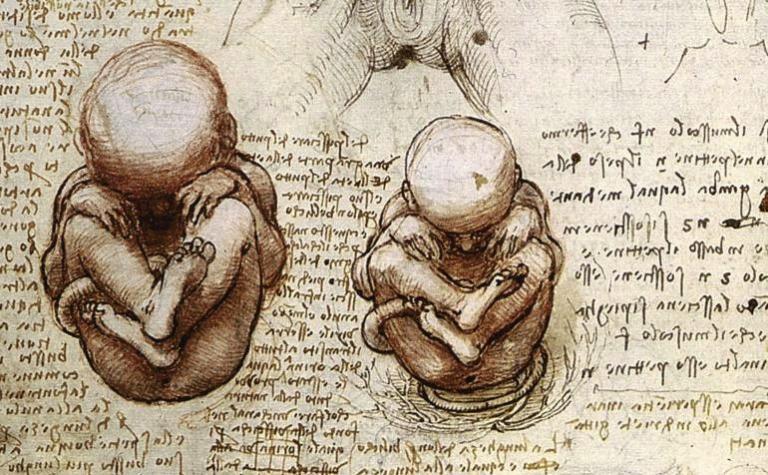
Catholic Hospital Claims Fetus is not a Person!

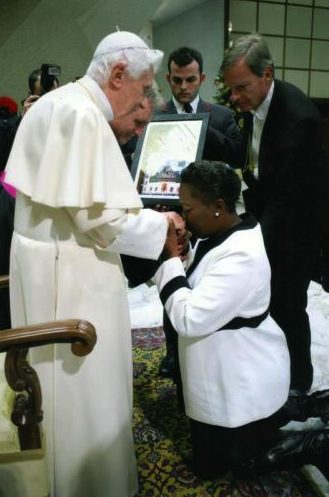
The disgrace of papal blessing for Ugandan homophobia
TRENDING AT PATHEOS Catholic

Rejecting Doom: Christian Hope And Human Action
Christianity is a religion of hope. We are to have hope and...

It’s What Comes From Within Which Matters
One of the most difficult things for us to understand is why...

Why I Choose the Eucharist Over the Sermon
Choose the Eucharist, Not the Sermon What are we supposed to get...

5 Design Elements Found in Spiritually Rooted Homes
Putting Spirituality Into Home Decor Our homes are more than our living...

Credo: A Story of God Told with the...
About 10 years ago, I began to imagine a personal "Credo" that...

The Anatomy of Divine Revelation in Catholic Thought
The claim that God has made Himself known to human beings is...
view all Catholic blogs
Ad-Free & Subscriber Log-In Subscription Support
- About Us
- 2026 Calendar
- Videos
- Podcasts
- Library of World Religions
- Faith In Media Tracker
- Advertise With Us
- Write for Us
- Privacy Policy
- Terms of Service
- Do Not Sell My Data
- Contact Us
- Radiant Digital
- Manage Newsletter Subscriptions
- Unsubscribe From Notifications
- Sitemap
Copyright 2008-2026, Patheos. All rights reserved.
Subscription Support Ad-Free & Subscriber Log-In
Follow Patheos