
BuddhistCatholicContemplativeEvangelicalGeneral ChristianHinduJewishLatter-day SaintMuslimNew VisionsProgressive Christian
Beliefs
- Buddhist
- Catholic
- Contemplative
- Evangelical
- General Christian
- Hindu
- Jewish
- Latter-day Saint
- More Voices
- Muslim
- New Visions
- Pagan
- Progressive Christian
Topics
- Religion News
- Food and Religion
- Sports and Religion
- Religious Art
- Religious Music and Entertainment
- Religious Events
- History and Religion
- Style and Religion
- Politics and Religion
- Women in Religion
- Recreation Outdoors and Religion
- Business Finance and Religion
- Careers Workplace and Religion
- Education and Religion
- Family Parenting and Religion
- Health Fitness and Religion
- Home and Religion
- Relationships and Religion
- Technology and Religion
- Travel and Religion
Columnists
- Buddhist Columnists
- Business Finance and Religion Columnists
- Careers Workplace and Religion Columnists
- Catholic Columnists
- Contemplative Columnists
- Education and Religion Columnists
- Evangelists Columnists
- Family Parenting and Religion Columnists
- General Christian Columnists
- Health Fitness and Religion Columnists
- Hindu Columnists
- History and Religion Columnists
- Home and Religion Columnists
- Jewish Columnists
- More Voices Columnists
- Latter Day Columnists
- Muslim Columnists
- New Visions Columnists
- Nonreligious Columnists
- Pagan Columnists
- Politics and Religion Columnists
- Progressive Columnists
- Recreation Outdoors and Religion Columnists
- Relationships and Religion Columnists
- Religion News Columnists
- Religious Art Columnists
- Religious Events Columnists
- Religious Music and Entertainment Columnists
- Sports and Religion Columnists
- Style and Religion Columnists
- Technology and Religion Columnists
- Travel and Religion Columnists
- Women in Religion Columnists
Resource Library
- 2026 Calendar
- Library of World Religions
- The 100 Most Holy Places on Earth
- Patheos Answers
- Podcasts
- Videos
- Faith Leaders Database
- Anglican Episcopalian
- Bahai
- Baptist
- Buddhism
- Christianity
- Confucianism
- Eastern Orthodoxy
- Hinduism
- Holiness and Pentecostal
- ISKCON
- Islam
- Judaism
- Lutheran
- Methodist
- The Church of Jesus Christ of Latter-day Saints
- New Age
- Paganism
- Presbytarian and Reformed
- Protestantism
- Religion Behind the Scenes
- Roman Catholic
- Scientology
- Shia Islam
- Sikhism
- Sufism
- Sunni Islam
- Taoism
- Zen
- See all religions
Research Tools
 Ad-Free & Subscriber Log-In Subscription Support
Ad-Free & Subscriber Log-In Subscription Support
Follow Patheos 

- Trending:
- Forgiveness
- |
- Marriage
- |
- Consciousness
- |
- Death Penalty
- |
- Election
- |
- Halloween
 Away with the Witch!
- Home
- Pagan
- Pagan Remains on Bonfire Night
Pagan Remains on Bonfire Night
Last updated on: November 7, 2018 at 10:11 am by Lyn Thurman
Pagan Remains on Bonfire Night 2018-11-07T10:11:04+01:00 Lyn Thurman
Patheos Explore the world's faith through different perspectives on religion and spirituality! Patheos has the views of the prevalent religions and spiritualities of the world.
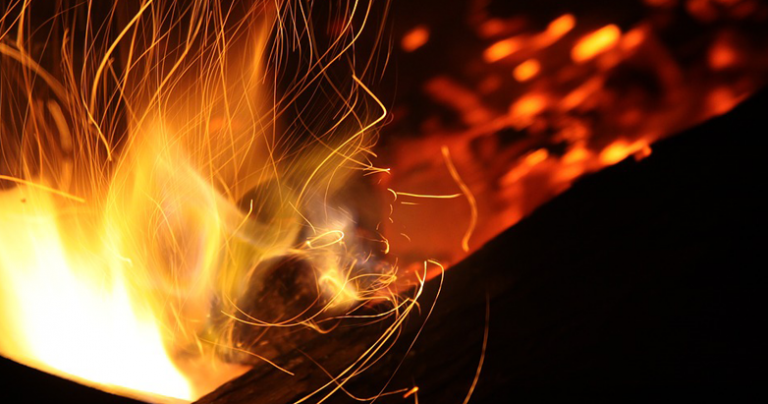
When I was a little girl, we didn’t really celebrate Halloween. My mum would fill the washing-up bowl with water and we’d bob for apples each year. It wasn’t a big deal like it’s become in recent years here in the UK. A tradition we always, without fail, followed was Bonfire Night on the 5th November. We’d have baked potatoes for dinner, a bonfire in the garden and sparklers in our hands.
Bonfire Night or Guy Fawkes Night is a peculiar British celebration. It dates to 1605 when a Catholic group decided to blow up the Protestant King James I in the Houses of Parliament. The group leader Guy Fawkes was arrested on 5th November after being discovered with barrels of gunpowder beneath the House of Lords in London.
At the time of Guy Fawkes unsuccessful plot, England was being pulled back and forth between Catholicism and Protestantism, so this was a big win for the Protestants (and the witch hating James I). The people of London were allowed to celebrate the King’s survival with bonfires as long as they were ‘without any danger or disorder’. In January 1606, the government passed the Observance of 5th November Act, an annual thanksgiving public holiday and a compulsory church service.
School kids through Britain are taught this rhyme:
Remember, remember the fifth of November,
Gunpowder, treason and plot.
Back when I was a child, kids would dress up a dummy and sit outside shops or knock on doors and ask ‘a penny for the Guy.’ You don’t see this anymore. The dummy would then, on Bonfire Night, serve as an effigy of Guy Fawkes to burn. Most families celebrated Bonfire Night privately but now there are many big public displays with fireworks (they represent the gunpowder that didn’t go off) and large fires on which to burn poor, old Guy.

Kids getting ready for Bonfire Night in the 1950s // Photo from Wikipedia
While this celebration appears to be about preserving the monarchy, it’s also about Protestants keeping the power of the church in its hands. In the early days of this holiday, effigies of the Pope were burnt instead of Fawkes.
There’s also a Pagan undercurrent to this celebration: Samhain.
It was well known at the time that the government had not been entirely successful at stopping older beliefs from being practiced. Most Pagan celebrations featured a fire, as they still do today (unless you happen to come to my ritual as I am probably the only Pagan who doesn’t know how to start a fire), and fires would be lit at Samhain and Beltane.
The government and the Church had difficulty in stopping ceremonial fires. People loved their bonfires and old beliefs died hard. Guy Fawkes and his plot to bring down government created the perfect opportunity to officially allow bonfires and celebrations to take place at, roughly, the time as Samhain.
Ancient practices could be covered and bonfire-loving commoners would have to sit through a compulsory service at church. It was a win-win for the state and church, which were essentially the same as the monarch was head of both.
While no longer an official holiday, Bonfire Night is still an important date on the calendar. And while people gather around bonfires, less than a week after Halloween, to watch Guy go up in flames, I smile to myself because the old ways live on.

About Lyn Thurman
Lyn Thurman is a witch and priestess on the south coast of England. She's the author of The Inner Goddess Revolution and Goddess Rising, and the creator of the Sea Whispers oracle. When she's not writing, she is helping authors build their business and find their voice at the Quiet Rebel Bureau (or she's obsessing over vegan cakes). You can read more about the author here.
Previous Post

October 26, 2018
Real monsters at Halloween
Next Post

November 9, 2018 Never not broken? There's a goddess for that.
Browse Our Archives
Select a Category Musings Paganism Reviews Wicca Witchcraft
Select a Month December 2020 November 2020 August 2020 May 2020 April 2020 February 2020 January 2020 November 2019 October 2019 September 2019 August 2019 July 2019 June 2019 May 2019 April 2019 March 2019 February 2019 January 2019 December 2018 November 2018 October 2018 September 2018 August 2018
Follow Us!
TAKE THE
Religious Wisdom Quiz
True or False: Gideon defeated the Midianites with an army of just 3,000 men.
Select your answer to see how you score.
TRUE FALSE
Related posts from Away with the Witch!


Finding and Working with a Genius Loci


Roman curse tablets in England
TRENDING AT PATHEOS Pagan

I was recently chatting with someone on Instagram. She asked me what...

While there are many people who share their results, the end of...

On July 23, I saw Christopher Nolan's The Odyssey which is Homer’s...

As I write this two big events have just finished up. One...

Restoring the Watershed of Divine Love
Perhaps cooperation is not something we manufacture through legislation, ideology, or moral...

Many UUs don’t pray because of bad experiences in a previous religion,...
view all Pagan blogs
Ad-Free & Subscriber Log-In Subscription Support
- About Us
- 2026 Calendar
- Videos
- Podcasts
- Library of World Religions
- Faith In Media Tracker
- Advertise With Us
- Write for Us
- Privacy Policy
- Terms of Service
- Do Not Sell My Data
- Contact Us
- Radiant Digital
- Manage Newsletter Subscriptions
- Unsubscribe From Notifications
- Sitemap
Copyright 2008-2026, Patheos. All rights reserved.
Subscription Support Ad-Free & Subscriber Log-In
Follow Patheos