
BuddhistCatholicContemplativeEvangelicalGeneral ChristianHinduJewishLatter-day SaintMuslimNew VisionsProgressive Christian
Beliefs
- Buddhist
- Catholic
- Contemplative
- Evangelical
- General Christian
- Hindu
- Jewish
- Latter-day Saint
- More Voices
- Muslim
- New Visions
- Pagan
- Progressive Christian
Topics
- Religion News
- Food and Religion
- Sports and Religion
- Religious Art
- Religious Music and Entertainment
- Religious Events
- History and Religion
- Style and Religion
- Politics and Religion
- Women in Religion
- Recreation Outdoors and Religion
- Business Finance and Religion
- Careers Workplace and Religion
- Education and Religion
- Family Parenting and Religion
- Health Fitness and Religion
- Home and Religion
- Relationships and Religion
- Technology and Religion
- Travel and Religion
Columnists
- Buddhist Columnists
- Business Finance and Religion Columnists
- Careers Workplace and Religion Columnists
- Catholic Columnists
- Contemplative Columnists
- Education and Religion Columnists
- Evangelists Columnists
- Family Parenting and Religion Columnists
- General Christian Columnists
- Health Fitness and Religion Columnists
- Hindu Columnists
- History and Religion Columnists
- Home and Religion Columnists
- Jewish Columnists
- More Voices Columnists
- Latter Day Columnists
- Muslim Columnists
- New Visions Columnists
- Nonreligious Columnists
- Pagan Columnists
- Politics and Religion Columnists
- Progressive Columnists
- Recreation Outdoors and Religion Columnists
- Relationships and Religion Columnists
- Religion News Columnists
- Religious Art Columnists
- Religious Events Columnists
- Religious Music and Entertainment Columnists
- Sports and Religion Columnists
- Style and Religion Columnists
- Technology and Religion Columnists
- Travel and Religion Columnists
- Women in Religion Columnists
Resource Library
- 2026 Calendar
- Library of World Religions
- The 100 Most Holy Places on Earth
- Patheos Answers
- Podcasts
- Videos
- Faith Leaders Database
- Anglican Episcopalian
- Bahai
- Baptist
- Buddhism
- Christianity
- Confucianism
- Eastern Orthodoxy
- Hinduism
- Holiness and Pentecostal
- ISKCON
- Islam
- Judaism
- Lutheran
- Methodist
- The Church of Jesus Christ of Latter-day Saints
- New Age
- Paganism
- Presbytarian and Reformed
- Protestantism
- Religion Behind the Scenes
- Roman Catholic
- Scientology
- Shia Islam
- Sikhism
- Sufism
- Sunni Islam
- Taoism
- Zen
- See all religions
Research Tools
 Ad-Free & Subscriber Log-In Subscription Support
Ad-Free & Subscriber Log-In Subscription Support
Follow Patheos 

- Trending:
- Forgiveness
- |
- Marriage
- |
- Consciousness
- |
- Death Penalty
- |
- Election
- |
- Halloween

- Home
- Religion News
- Orthodox v. Reform Perspectives: Do Jews need a rabbi present to solemnize a marriage?
Orthodox v. Reform Perspectives: Do Jews need a rabbi present to solemnize a marriage?
Last updated on: October 7, 2015 at 10:59 am by Deily
Orthodox v. Reform Perspectives: Do Jews need a rabbi present to solemnize a marriage? 2015-10-07T10:59:48-05:00 Deily
Patheos Explore the world's faith through different perspectives on religion and spirituality! Patheos has the views of the prevalent religions and spiritualities of the world.
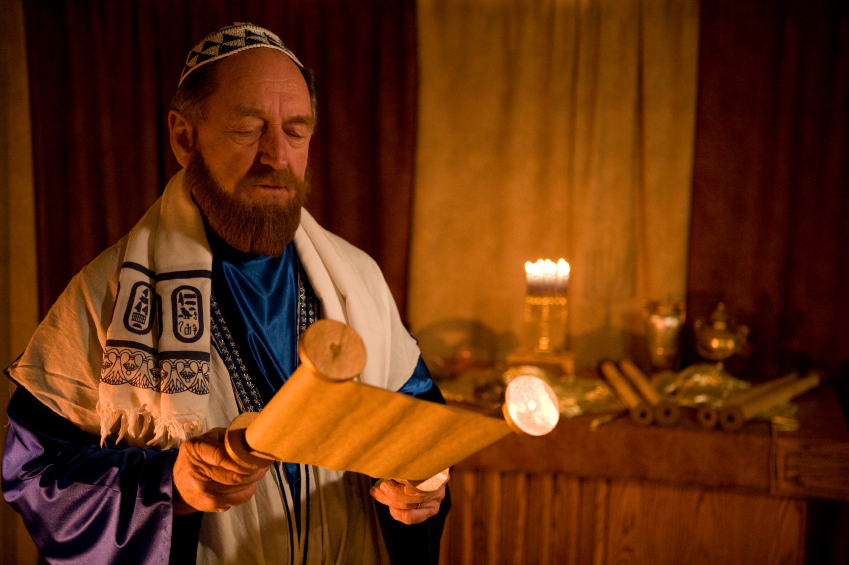
Courtesy iStock.com/mariusss
Question by Chris Jeffords:
Do Jews need a rabbi present to solemnize a marriage? (I know they don’t need one to lead prayers, and of course they can go to a JP if they want to.
Answer by Rabbi Amy Cohen:
According to halacha (Jewish Law) a Rabbi does not need to be present to officiate at a wedding. At a Jewish wedding, the individual who reads or chants the blessings is called a mesader kiddushin, one who “orders the ceremony.” The two partners marry one another, the officiate does not marry them. A mesader kiddushin must be knowledgeable about Jewish laws regarding weddings and marriages. Most couples who want to have a Jewish ceremony prefer to ask a Rabbi or Cantor to officiate. Within Jewish history, scholars have preferred the custom of having an ordained Rabbi perform marriages, including, “Maimonides, the great rabbinic authority of the 12th century who advised the Jews of Egypt that marriages required the supervision of an ordained rabbi.” (Diamant, pg. 53, The New Jewish Wedding)
Today, depending on what state you live in, a Rabbi can perform both the duties of the state and of the Jewish religion. As a Rabbi who also holds a Masters in Social Work, I strongly advise couples to seek out an ordained clergy member (of any denomination) because of our training in pre-marital counseling. A Rabbi ordained from any major movement has received this crucial training which often leads to more successful relationships.

Photo courtesy of deily.org
Answer by Yaakov ben Chaim Tzvi:
Thank you for the question Chris. In order for the marriage to be officially recognized within Orthodox Judaism a qualified Rabbi must officiate the wedding which takes place under a “Chupah” or canopy which is under an open sky signifying the presence of God. In addition to the Rabbi, there are two witnesses who testify to the validity of the marriage by signing a Ketubah, a marriage document which states the time, date and other items necessary for the marriage to be valid. The Jewish wedding is one of the most beautiful ceremonies within Judaism and in fact the concept of the wedding “veil” which the bride wears was taken from Judaism as a remembrance of Jacob’s wedding to Leah and Rachel. Prior to the marriage ceremony, the Groom and many of the men in attendance perform the “Bedekkin” ceremony where the Groom ensures that he is marrying the “right” woman since Jacob was tricked by Laban in scriptures. After the Bedekkin ceremony the Bride and Groom meet at the Chupah to solidify the marriage. Once the ceremony is complete, the Groom breaks a glass [wrapped in towel] under his feet to remember the destruction of the Holy Temple and his duty to ensure continuity for the Jewish people.
For a detailed step by step guide to the laws of Jewish marriage you can click here:
http://www.chabad.org/library/article_cdo/aid/476780/jewish/Wedding-Handbook.htm
Shalom

Photo courtesy deily.org
Previous Post

September 23, 2015
An Open Letter to Pope Francis by Dr. Hussein Rashid
Next Post

October 21, 2015 Is Halloween a Pagan holiday?
Browse Our Archives
Select a Category Buddhism Christianity General Hinduism Islam Judaism Native American Paganism
Select a Month April 2016 February 2016 January 2016 December 2015 November 2015 October 2015 September 2015 August 2015
Follow Us!
TAKE THE
Religious Wisdom Quiz
Who was the villain plotting to destroy the Jews in Esther?
Select your answer to see how you score.
Sanballat Ben-Hadad Tobiah Haman
Related posts from Ask an Expert

What Are You Thankful For? Three Faith Leaders...



Deily Interviews Dena Johnson of Dena Johnson Ministries
TRENDING AT PATHEOS Religion News

An LGBT Rabbi Responds To The Orlando Shooting
Omar Seddique’s father said, “This has nothing to do with religion.” He...

Could Religion Survive Contact With Extraterrestrial Life?
Stephen Hawking is reaching for the stars, but he may end up...
Deily Interviews Dena Johnson of Dena Johnson Ministries
Deily: Tell us a little about your background. Why did you decide...
Question How can I become a Christian? Answer from Pastor and Deily...
view all Religion News blogs
Ad-Free & Subscriber Log-In Subscription Support
- About Us
- 2026 Calendar
- Videos
- Podcasts
- Library of World Religions
- Faith In Media Tracker
- Advertise With Us
- Write for Us
- Privacy Policy
- Terms of Service
- Do Not Sell My Data
- Contact Us
- Radiant Digital
- Manage Newsletter Subscriptions
- Unsubscribe From Notifications
- Sitemap
Copyright 2008-2026, Patheos. All rights reserved.
Subscription Support Ad-Free & Subscriber Log-In
Follow Patheos