
BuddhistCatholicContemplativeEvangelicalGeneral ChristianHinduJewishLatter-day SaintMuslimNew VisionsProgressive Christian
Beliefs
- Buddhist
- Catholic
- Contemplative
- Evangelical
- General Christian
- Hindu
- Jewish
- Latter-day Saint
- More Voices
- Muslim
- New Visions
- Pagan
- Progressive Christian
Topics
- Religion News
- Food and Religion
- Sports and Religion
- Religious Art
- Religious Music and Entertainment
- Religious Events
- History and Religion
- Style and Religion
- Politics and Religion
- Women in Religion
- Recreation Outdoors and Religion
- Business Finance and Religion
- Careers Workplace and Religion
- Education and Religion
- Family Parenting and Religion
- Health Fitness and Religion
- Home and Religion
- Relationships and Religion
- Technology and Religion
- Travel and Religion
Columnists
- Buddhist Columnists
- Business Finance and Religion Columnists
- Careers Workplace and Religion Columnists
- Catholic Columnists
- Contemplative Columnists
- Education and Religion Columnists
- Evangelists Columnists
- Family Parenting and Religion Columnists
- General Christian Columnists
- Health Fitness and Religion Columnists
- Hindu Columnists
- History and Religion Columnists
- Home and Religion Columnists
- Jewish Columnists
- More Voices Columnists
- Latter Day Columnists
- Muslim Columnists
- New Visions Columnists
- Nonreligious Columnists
- Pagan Columnists
- Politics and Religion Columnists
- Progressive Columnists
- Recreation Outdoors and Religion Columnists
- Relationships and Religion Columnists
- Religion News Columnists
- Religious Art Columnists
- Religious Events Columnists
- Religious Music and Entertainment Columnists
- Sports and Religion Columnists
- Style and Religion Columnists
- Technology and Religion Columnists
- Travel and Religion Columnists
- Women in Religion Columnists
Resource Library
- 2026 Calendar
- Library of World Religions
- The 100 Most Holy Places on Earth
- Patheos Answers
- Podcasts
- Videos
- Faith Leaders Database
- Anglican Episcopalian
- Bahai
- Baptist
- Buddhism
- Christianity
- Confucianism
- Eastern Orthodoxy
- Hinduism
- Holiness and Pentecostal
- ISKCON
- Islam
- Judaism
- Lutheran
- Methodist
- The Church of Jesus Christ of Latter-day Saints
- New Age
- Paganism
- Presbytarian and Reformed
- Protestantism
- Religion Behind the Scenes
- Roman Catholic
- Scientology
- Shia Islam
- Sikhism
- Sufism
- Sunni Islam
- Taoism
- Zen
- See all religions
Research Tools
 Ad-Free & Subscriber Log-In Subscription Support
Ad-Free & Subscriber Log-In Subscription Support
Follow Patheos 

- Trending:
- Forgiveness
- |
- Marriage
- |
- Consciousness
- |
- Death Penalty
- |
- Election
- |
- Halloween
 Approaching Justice
- Home
- About Approaching Justice
- Rawls and Religion
- "Are Mormons Christian?" An Interfaith Round Table
- Home
- Latter-day Saint
- The Real Thomas B. Marsh Story
The Real Thomas B. Marsh Story
Last updated on: July 7, 2013 at 5:52 pm by Chris Henrichsen
The Real Thomas B. Marsh Story 2013-07-07T17:52:28-07:00 Chris Henrichsen
Patheos Explore the world's faith through different perspectives on religion and spirituality! Patheos has the views of the prevalent religions and spiritualities of the world.
The historian John Hamer wrote a post at By Common Consent about the early Latter-day Saint Apostle Thomas B. Marsh back on July 1, 2009 . The post is titled "The Milk & Strippings Story, Thomas B. Marsh, and Brigham Young." Today’s Sunday School lesson focused, in part, on the Thomas B. Marsh cream fable (I like Hamer’s use of "fable").
Here is a selection from John’s BCC post:
Thomas B. Marsh and his wife Elizabeth were baptized on September 3, 1830, and were therefore among the earliest members of the church. (Dan Vogel calculates that they were the 55th and 56th members, preceding all the future apostles save for William Smith and the Pratt brothers).[1] Marsh became an important early church leader and when the Council of the Twelve was organized in 1835, he was called to be one of the original members. Because he was the oldest original apostle, he became the quorum’s first president. And yet today, among Mormons, Thomas B. Marsh (if he is remembered at all) is remembered only in a story where his wife was jealous over the division of some “milk and strippings,” the fallout of which led the couple into apostasy.
History is somewhat different than the fable. Marsh was loyal to Joseph Smith and Sidney Rigdon in the crises of 1837, which saw the collapse of the church in Kirtland, and Marsh led efforts to expel potential troublemakers (Oliver Cowdery and the Whitmers) from their leadership roles in the church in Missouri. However, just a few months later, during the events of the 1838 Mormon War in Missouri, Marsh did voluntarily leave the faith, (along with fellow apostle Orson Hyde who soon returned). As Marsh explained in his October 24, 1838,affidavit, he left because he was alarmed that his fellow coreligionists had formed mobs, expelled all the non-Mormons from Daviess County, stolen their property, and burned their homes and towns to the ground.
Although the Mormons at the time were steeped in Gideon’s mythic defeat of the Midianites (Judges 7-8), where God required only 300 men to defeat 120,000, the danger in escalating the violence — in fighting mobs with mobs and in answering pillaging with pillaging — was extreme. The Mormons were as hopelessly outnumbered as Gideon. As much as the Saints eventually suffered after their defeat, even worse results were quite possible. The massacre at Haun’s Mill might just as easily have been replicated en masse at Far West, and the trial of Joseph Smith and other leaders may well have been a court martial and summary execution, (however illegal).
Whether or not one agrees with Marsh’s conviction that the acts committed by the Saints in northwestern Missouri were immoral and impious [2], I think we can at least agree that this seed of his apostasy from the faith was no small thing. Rather, it was a big thing. Thus, while the moral the Thomas B. Marsh fable, i.e., that faith can be shattered over something inconsequential, is true enough, it would probably make sense to tell a different, more appropriate fable to illustrate that moral.
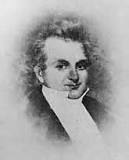
John goes on to discuss some of the theological complications of how we use the story of Thomas B. Marsh. Find the entire post here. The way Brigham Young "welcomes" Marsh back to the Church…well…caused me to shake my head.
People live complicated and nuanced lives. Thomas B. Marsh clearly did. Since reading John’s post four years ago, I have been more cautious when hearing narratives which paint others in a negative light. There is always more to the story. I would hope that others do the same to me.
Previous Post

July 5, 2013
Influence of Jean Bodin on Rawls #rawlsreligion
Next Post
July 8, 2013 Introducing the Faith & Social Justice New Roundup
Browse Our Archives
Select a Category Adventures in Parenting Adventures in Sunday School American History American Political Thought American Politics American Religion Blog Admin Books Campaign Chronicles Culture Current Events Faith & Social Justice News Roundup General Conference Green Party Guest Post Guns HuffPost Live Hymns of Social Justice Independence Rock Group Las Vegas Marginalia Mormon Studies Mormonism Music Personal and Family Philosophy Political Philosophy Pop culture Queer Pioneer Week Quote of the Day Rawls Rawls and Religion Religion Social Justice Social Justice Book Club Sports Theology U.S Constitution Uncategorized Unions Video Wyoming
Select a Month February 2014 January 2014 December 2013 November 2013 October 2013 September 2013 August 2013 July 2013 June 2013 May 2013 April 2013 March 2013 February 2013
TAKE THE
Religious Wisdom Quiz
What does Romans say about those who are led by the Spirit of God?
Select your answer to see how you score.
They will have eternal life They are saved They are the children of God (or sons of God) They will not sin
Related posts from Approaching Justice


Stephen Colbert's Tribute to Pete Seeger
Idaho State Rep Wants to Turn Back the...

TRENDING AT PATHEOS Latter-day Saint

Did Prayer Cure His Cancer? Or Was It...
At 4 AM one morning, Joshua W. Brown’s wife awoke to a...

8 Ways a Near-Death Experience Rewires the Soul
Does Consciousness Survive Physical Death? After 50 Years of Research, Dr. Raymond...

Holy Longing: What Our Restlessness Is Telling Us
“One can find so many pains when the rain is falling.” -John...

What this is NOT about. This blog is definitely not about...

Who said the Israelites were God’s chosen? That’s right, they did. Who...

The Spirit World Is the Real World: God...
A Monk’s Wisdom on Body and Spirit I sit with Brother Martin...
view all Latter-day Saint blogs
Ad-Free & Subscriber Log-In Subscription Support
- About Us
- 2026 Calendar
- Videos
- Podcasts
- Library of World Religions
- Faith In Media Tracker
- Advertise With Us
- Write for Us
- Privacy Policy
- Terms of Service
- Do Not Sell My Data
- Contact Us
- Radiant Digital
- Manage Newsletter Subscriptions
- Unsubscribe From Notifications
- Sitemap
Copyright 2008-2026, Patheos. All rights reserved.
Subscription Support Ad-Free & Subscriber Log-In
Follow Patheos