
BuddhistCatholicContemplativeEvangelicalGeneral ChristianHinduJewishLatter-day SaintMuslimNew VisionsProgressive Christian
Beliefs
- Buddhist
- Catholic
- Contemplative
- Evangelical
- General Christian
- Hindu
- Jewish
- Latter-day Saint
- More Voices
- Muslim
- New Visions
- Pagan
- Progressive Christian
Topics
- Religion News
- Food and Religion
- Sports and Religion
- Religious Art
- Religious Music and Entertainment
- Religious Events
- History and Religion
- Style and Religion
- Politics and Religion
- Women in Religion
- Recreation Outdoors and Religion
- Business Finance and Religion
- Careers Workplace and Religion
- Education and Religion
- Family Parenting and Religion
- Health Fitness and Religion
- Home and Religion
- Relationships and Religion
- Technology and Religion
- Travel and Religion
Columnists
- Buddhist Columnists
- Business Finance and Religion Columnists
- Careers Workplace and Religion Columnists
- Catholic Columnists
- Contemplative Columnists
- Education and Religion Columnists
- Evangelists Columnists
- Family Parenting and Religion Columnists
- General Christian Columnists
- Health Fitness and Religion Columnists
- Hindu Columnists
- History and Religion Columnists
- Home and Religion Columnists
- Jewish Columnists
- More Voices Columnists
- Latter Day Columnists
- Muslim Columnists
- New Visions Columnists
- Nonreligious Columnists
- Pagan Columnists
- Politics and Religion Columnists
- Progressive Columnists
- Recreation Outdoors and Religion Columnists
- Relationships and Religion Columnists
- Religion News Columnists
- Religious Art Columnists
- Religious Events Columnists
- Religious Music and Entertainment Columnists
- Sports and Religion Columnists
- Style and Religion Columnists
- Technology and Religion Columnists
- Travel and Religion Columnists
- Women in Religion Columnists
Resource Library
- 2026 Calendar
- Library of World Religions
- The 100 Most Holy Places on Earth
- Patheos Answers
- Podcasts
- Videos
- Faith Leaders Database
- Anglican Episcopalian
- Bahai
- Baptist
- Buddhism
- Christianity
- Confucianism
- Eastern Orthodoxy
- Hinduism
- Holiness and Pentecostal
- ISKCON
- Islam
- Judaism
- Lutheran
- Methodist
- The Church of Jesus Christ of Latter-day Saints
- New Age
- Paganism
- Presbytarian and Reformed
- Protestantism
- Religion Behind the Scenes
- Roman Catholic
- Scientology
- Shia Islam
- Sikhism
- Sufism
- Sunni Islam
- Taoism
- Zen
- See all religions
Research Tools
 Ad-Free & Subscriber Log-In Subscription Support
Ad-Free & Subscriber Log-In Subscription Support
Follow Patheos 

- Trending:
- Forgiveness
- |
- Marriage
- |
- Consciousness
- |
- Death Penalty
- |
- Election
- |
- Halloween
 Approaching Justice
- Home
- About Approaching Justice
- Rawls and Religion
- "Are Mormons Christian?" An Interfaith Round Table
- Home
- Latter-day Saint
- Charity vs. Justice part 2
Charity vs. Justice part 2
Last updated on: June 12, 2013 at 1:42 am by dwightwelch
Charity vs. Justice part 2 2013-06-12T01:42:47-07:00 dwightwelch
Patheos Explore the world's faith through different perspectives on religion and spirituality! Patheos has the views of the prevalent religions and spiritualities of the world.
As a mainline protestant pastor it may be odd to be writing a post on a Mormon blog. But I got to know Chris Henrichsen through his run for congress in Wyoming and I really came to respect not only his campaign but the person behind it. We’ve had a number of discussions about religion, politics, and life in Wyoming and so I was invited to write for this site. This is my first attempt to do so.
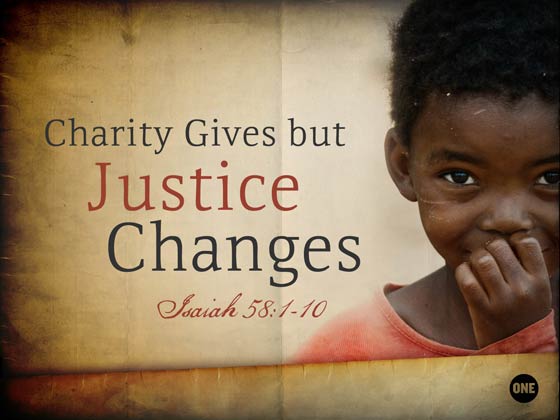
I wanted to follow up on a previous post on the difference between charity and justice because I think this question is especially relevant for people of faith. I first want to introduce Aristotle’s distinction between the two. Justice is what happens when the minimum conditions of life is enjoyed by all people. Charity is pure generosity which extends beyond the basic demands of justice.
In which case while charity is certainly preferable, it cannot be a replacement of justice. In an unjust society, charity is not in fact charity. Justice invariably involves politics because it is determinative of the very conditions of a society and how goods are distributed. As such it is the primary virtue by which any other virtue is sustained or not.
Sometimes charity is seen as preferable (as if it could be divorced from justice) because of the impact on the individual giver. But Chris rightly points out that this can’t be the primary basis by which we judge charity. Shouldn’t the needs of one’s neighbor be primary? But also as Reinhold Niebuhr points out, the giving behind charity can also involve mixed motivations.
Charity can be a source of power over the one who receives. A number of evangelical churches will not, for instance, help our community soup kitchen, because they can’t use it as a means to proselytize. This is because our soup kitchen was intentional about removing conditions for receiving help. And that is a dramatic source of grace for participants who experience most public and private agencies as filled with nothing but conditions, forms, hoops to jump through, and interrogations over their lives.
Also charity is a rather broad term because it includes all money donated whether it is to fix my church’s organ, feed people, or to build more comfortable pews. The majority of donations are to churches, which may help people but more often is a way to sustain the institutions that we enjoy and participate in. This is true whether it is parks, churches, schools, and artistic endeavors. And for corporate donators, it is also a chance to advertise. Now again, concrete needs may be addressed in this but I want to problematize the idea that charity always call upon our higher angels in a way that public services do not.
And there is a change in character and dispositions for people who live in societies who do have a high level of social services. It’s not just that they have less poverty and more income mobility but such societies have much higher levels of social solidarity. Especially when those public programs tie low income and middle income people together in shared goods. And the opposite is often the case; societies where austerity and zero sum economics is the norm, suspicion of the other as a threat becomes more prevalent. In the countries of southern Europe the rise of anti immigrant and fascist political groups has grown at an alarming rate during the economic crises.
As a pastor who relies on charitable giving, my church might be an example of the problems of dividing charity and justice. For one, our soup kitchen receives food from the Food Bank, which includes public dollars. And of course we’re tax exempt, which is predicated on the idea that we provide some social good and so we receive this public benefit. And even as we are grateful at the concrete good we can do, we are largely helpless in being able to respond to economic downturns and the removal of public services. The recent food stamps cuts in both the US Senate and House versions of the farm bill will directly hit many of the people that come into our church. There’s little reason to believe that we can make up the difference.
Lastly, this division between charity and justice finds no precedent in any moral philosophy or religious text before the 19th century. It just isn’t there. The Pslamist includes the king as much as individuals when it comes to our responsibilities to one another. The idea that what governments do is somehow outside the moral sphere would be unfathomable to any of our respective religious and moral traditions.
Next Post

June 12, 2013 No Liberals Here! (Adventures in Sunday School)
Browse Our Archives
Select a Category Adventures in Parenting Adventures in Sunday School American History American Political Thought American Politics American Religion Blog Admin Books Campaign Chronicles Culture Current Events Faith & Social Justice News Roundup General Conference Green Party Guest Post Guns HuffPost Live Hymns of Social Justice Independence Rock Group Las Vegas Marginalia Mormon Studies Mormonism Music Personal and Family Philosophy Political Philosophy Pop culture Queer Pioneer Week Quote of the Day Rawls Rawls and Religion Religion Social Justice Social Justice Book Club Sports Theology U.S Constitution Uncategorized Unions Video Wyoming
Select a Month February 2014 January 2014 December 2013 November 2013 October 2013 September 2013 August 2013 July 2013 June 2013 May 2013 April 2013 March 2013 February 2013
TAKE THE
Religious Wisdom Quiz
How many people were saved from Sodom?
Select your answer to see how you score.
3 4 5 6
Related posts from Approaching Justice


Stephen Colbert's Tribute to Pete Seeger
Idaho State Rep Wants to Turn Back the...

TRENDING AT PATHEOS Latter-day Saint

Did Prayer Cure His Cancer? Or Was It...
At 4 AM one morning, Joshua W. Brown’s wife awoke to a...

8 Ways a Near-Death Experience Rewires the Soul
Does Consciousness Survive Physical Death? After 50 Years of Research, Dr. Raymond...

Holy Longing: What Our Restlessness Is Telling Us
“One can find so many pains when the rain is falling.” -John...

What this is NOT about. This blog is definitely not about...

Who said the Israelites were God’s chosen? That’s right, they did. Who...

The Spirit World Is the Real World: God...
A Monk’s Wisdom on Body and Spirit I sit with Brother Martin...
view all Latter-day Saint blogs
Ad-Free & Subscriber Log-In Subscription Support
- About Us
- 2026 Calendar
- Videos
- Podcasts
- Library of World Religions
- Faith In Media Tracker
- Advertise With Us
- Write for Us
- Privacy Policy
- Terms of Service
- Do Not Sell My Data
- Contact Us
- Radiant Digital
- Manage Newsletter Subscriptions
- Unsubscribe From Notifications
- Sitemap
Copyright 2008-2026, Patheos. All rights reserved.
Subscription Support Ad-Free & Subscriber Log-In
Follow Patheos