
BuddhistCatholicContemplativeEvangelicalGeneral ChristianHinduJewishLatter-day SaintMuslimNew VisionsProgressive Christian
Beliefs
- Buddhist
- Catholic
- Contemplative
- Evangelical
- General Christian
- Hindu
- Jewish
- Latter-day Saint
- More Voices
- Muslim
- New Visions
- Pagan
- Progressive Christian
Topics
- Religion News
- Food and Religion
- Sports and Religion
- Religious Art
- Religious Music and Entertainment
- Religious Events
- History and Religion
- Style and Religion
- Politics and Religion
- Women in Religion
- Recreation Outdoors and Religion
- Business Finance and Religion
- Careers Workplace and Religion
- Education and Religion
- Family Parenting and Religion
- Health Fitness and Religion
- Home and Religion
- Relationships and Religion
- Technology and Religion
- Travel and Religion
Columnists
- Buddhist Columnists
- Business Finance and Religion Columnists
- Careers Workplace and Religion Columnists
- Catholic Columnists
- Contemplative Columnists
- Education and Religion Columnists
- Evangelists Columnists
- Family Parenting and Religion Columnists
- General Christian Columnists
- Health Fitness and Religion Columnists
- Hindu Columnists
- History and Religion Columnists
- Home and Religion Columnists
- Jewish Columnists
- More Voices Columnists
- Latter Day Columnists
- Muslim Columnists
- New Visions Columnists
- Nonreligious Columnists
- Pagan Columnists
- Politics and Religion Columnists
- Progressive Columnists
- Recreation Outdoors and Religion Columnists
- Relationships and Religion Columnists
- Religion News Columnists
- Religious Art Columnists
- Religious Events Columnists
- Religious Music and Entertainment Columnists
- Sports and Religion Columnists
- Style and Religion Columnists
- Technology and Religion Columnists
- Travel and Religion Columnists
- Women in Religion Columnists
Resource Library
- 2026 Calendar
- Library of World Religions
- The 100 Most Holy Places on Earth
- Patheos Answers
- Podcasts
- Videos
- Faith Leaders Database
- Anglican Episcopalian
- Bahai
- Baptist
- Buddhism
- Christianity
- Confucianism
- Eastern Orthodoxy
- Hinduism
- Holiness and Pentecostal
- ISKCON
- Islam
- Judaism
- Lutheran
- Methodist
- The Church of Jesus Christ of Latter-day Saints
- New Age
- Paganism
- Presbytarian and Reformed
- Protestantism
- Religion Behind the Scenes
- Roman Catholic
- Scientology
- Shia Islam
- Sikhism
- Sufism
- Sunni Islam
- Taoism
- Zen
- See all religions
Research Tools
 Ad-Free & Subscriber Log-In Subscription Support
Ad-Free & Subscriber Log-In Subscription Support
Follow Patheos 

- Trending:
- Forgiveness
- |
- Marriage
- |
- Consciousness
- |
- Death Penalty
- |
- Election
- |
- Halloween

-
About the Authors
- Home
- Evangelical
- History and Religion
- Pastors Complaining About Church Attendance: A Tradition
Pastors Complaining About Church Attendance: A Tradition
Last updated on: July 21, 2024 at 11:22 pm by Jacob Randolph
Pastors Complaining About Church Attendance: A Tradition 2024-07-21T23:22:50-04:00 Jacob Randolph
Patheos Explore the world's faith through different perspectives on religion and spirituality! Patheos has the views of the prevalent religions and spiritualities of the world.
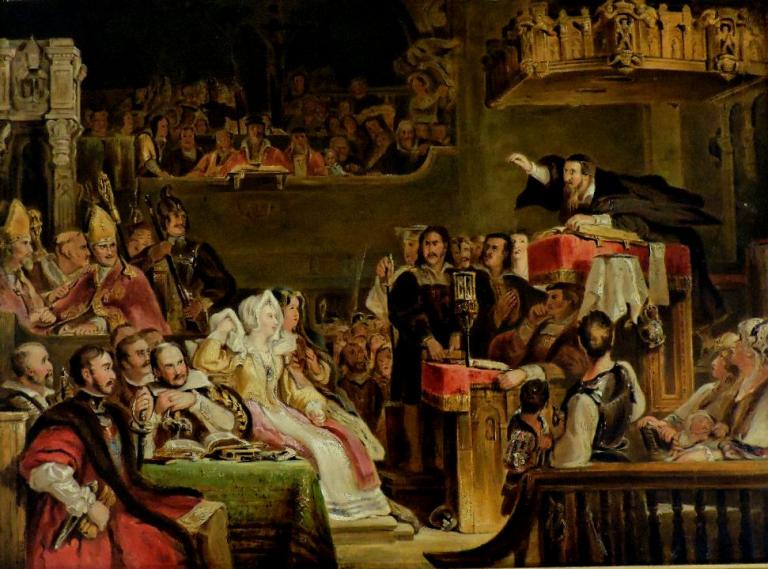
I’m old enough to remember going to Sunday evening services at my Baptist church growing up. Sunday mornings were the big event, of course, but Sunday evenings were for the die-hard church-goers, the hardcore Sabbatarians. Of course, it was a truism that church attendance was no sure indicator of eternal status. “Going to church doesn’t make you a Christian any more than sitting in a garage makes you a car.” At the same time, pastors emphasized church attendance was a necessity for disciples, since love for Christ’s bride was evidence of love for Christ himself. There was definitely an unspoken hierarchy of church members. The truly devout were the vacation-free, Wednesday-evening-and-twice-on-Sunday folks.
The American church landscape in 2024 is wildly different from the norms of my mid-90s evangelical upbringing. Digital media, generational gaps in wealth and labor patterns, demographic shifts, as well as social reckonings over racism, sexism, and predatory leaders, have made an impact on church attendance. The coronavirus pandemic proved to be a catalyst for speeding along changes that were already set in motion by decades of cultural shifts. As the numbers hit pastors’ desks week in and week out, it’s become clear that many church leaders are unsatisfied with the post-COVID religious world. Explanations for decline in church involvement vary. Jim Davis and Michael Graham’s recent book, The Great Dechurching, suggests a number of causes related to secularization, digitization, and politicization. Last Halloween, Trevin Wax published a piece offering his own hypothesis for the “great dechurching”: lazy Christians. Wax wrote that, rather than pointing the finger at church hurt or the increasing exposure of bad leaders, we evangelicals needed to look in the mirror. “I sympathize with those whose experience in the church has left them spiritually battered and bruised,” Wax wrote. “But most of today’s dechurching is the result of our wayward hearts, not church leader scandals. The human heart tends toward sin, and when we walk down a disobedient path, we’re inclined to rationalize our direction and decisions.” Dane Ortlund has repeatedly taken to X (Twitter) to decry poor or picky church attendees. Last summer, a video of JD Greear went viral when he called out those who came week in and week out but never engaged. And of course, over the last 25 years pastors have been engaged in a spiritual blood feud with traveling youth sports leagues.
It can be tempting to think recent poor church performance portends a long and steady decline in religious observance or group cohesion. The data over the last 5 years hasn’t exactly been encouraging. Pastors may find themselves longing for better days, for more faithful congregants, or more general investment in church life. The challenges of today’s church world have left many church leaders pining for “a New Reformation.” Looking to the past, we might see the energy of the young Reformers, the rigor of the Puritans, or the voluntary conversion of the Nonconformists, and assume the flame of church zeal burned brighter in those times. But a glance backward actually reveals something much more basic and, frankly, humorous. Evidence shows that church attendance was basically as frequent as social pressure or civil authorities demanded, which is no surprise. It also reveals that, basically, pastors have always complained about poor church attendance and low enthusiasm among their flocks. Literally from the time of the Reformation up to the present, church leaders have had higher standards for participation than do church attendees. And those leaders have been consistently disappointed when their congregants have failed to meet (or more often, utterly disregarded) the pastoral demands for frequent and consistent attendance. To illustrate this fact, I thought I might present a few vignettes from early Protestant history.
Early Modern Protestantism: A Period of Renewed Vitality?
The Reformation—a time of fresh discovery, lay empowerment, biblical exposition, and renewed focus on the transformative power of the gospel. How hungry the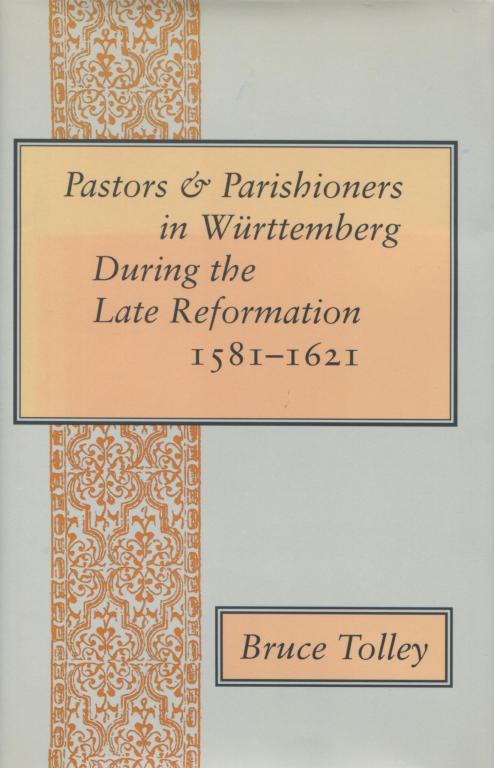 people must have been for unmixed truth and spiritual worship! Well, whatever their hunger for truth, early modern parishioners’ appetite for programming was not exactly ravenous. And early modern pastors were not so unlike our own evangelical shepherds in their anxiety about participation, especially among young people. Bruce Tolley’s research on Württemberg church attendance between 1581 and 1621 reveals a religious community not so unlike our own. Using visitation records over a forty-year span, Tolley paints a vivid picture of the scene in Germany. Most townsfolk kept regular, if suboptimal, church attendance, which in the 1600s meant going to Sunday morning preaching. Even though the clergy offered numerous services, including weekday services and Sunday vespers, the pastors found attendance—and thus piety—lacking in some regard. As Tolley writes, “the common Württemberger apparently had little interest in attending Sunday services in the afternoon and evening or the weekday worship.” Especially unpopular were the catechesis services, intended for the education especially of youths and required by city ordinance. Children would be absent from catechesis because of family work or, in the summertime, because they were playing. One visiting pastor reported that in the summer the children of Tuttlingen “seldom come to sermons; they are out picking strawberries, similarly playing about the houses.” Tolley writes that poor attendance for the catechesis service was such a problem in this period that “it prompted a whole series of decrees and ordinances prohibiting Sunday afternoon fruit picking and dancing and strictly regulating the tending of livestock on Sundays.” Absentee church members almost always had good reason, at least in their own minds, for staying away—the inconvenient timing of services, the obligations of labor, or the allure of recreation.
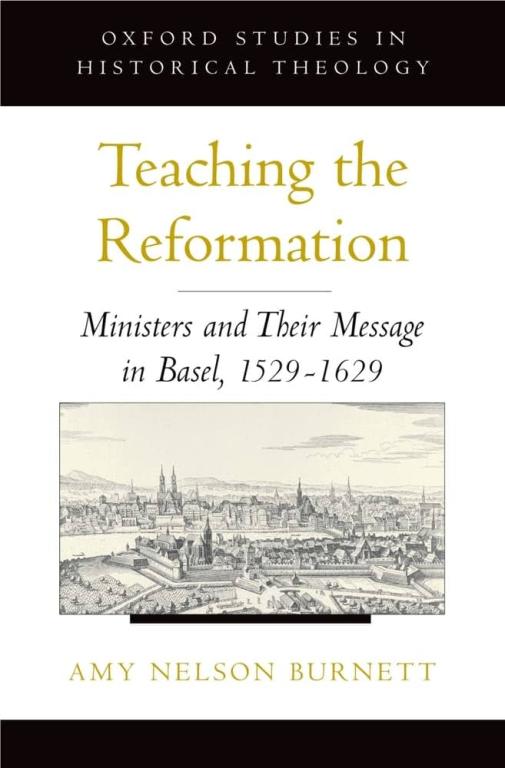
So too in the rural towns around Basel, a major center of Reformation activity, pastors continued to lament their parishioners’ lack of regard for church services. Amy Nelson Burnett writes that even amid several edicts from the city authorities over a decade, church members flouted the civil ordinances. According to Nelson Burnett, rural pastors bemoaned Sunday morning hunters and women at the market before church, people plowing fields during the sermon, gossiping outside the church doors during the service, or coming in late. And even if they came to church, pastors complained that some parishioners came into service smelling of schnapps and falling asleep during the preaching! Nelson Burnett interprets the evidence of Basel’s church records to imply that when and where church attendance improved, it was due less to an uptick in piety than to strict enforcement of city edicts.
 Anglican ministers similarly assessed the landscape of colonial Virginia in the 17th century. Jon Butler’s Awash in a Sea of Faith: Christianizing the American People, records minister Alexander Whitaker’s waning confidence in the piety of his Virginian would-be parishioners. Whitaker had become well-known for his praise of Virginian Christian morality in his 1613 sermon, Good News from Virginia, but according to Butler, by mid-century, “Whitaker complained bitterly about the lax Christian practice that continued despite his own energetic preaching and catechizing.” This was not uniformly the case, of course. Butler notes that the Massachusetts colony was particularly high in church affiliation and attendance, but even this early surge was challenged by second and third-generation Puritans, whose observance was sometimes quite spotty. (Roger Finke and Rodney Starke estimate that on the eve of the American Revolution, only 17% of colonists were religiously affiliated.) Certainly, in the eyes of Boston minister Cotton Mather, the lackluster attendance record of his fellow Congregationalists was a blight on the social organ as a whole. He wrote in his diary on May 23, 1702, that, while in prayer and asking God to increase his love of souls, Mather was inspired to write a pamphlet against the “destructive Impeity, wherein too many of this Town and Land indulged themselves; namely that of needless and frequent Absence from the religious Assemblies.” He cheekily remarked that since those indulgent ones were unlikely to be admonished in a sermon (since they wouldn’t be in attendance), a letter on the subject would be more useful. In fact, Mather’s address was one early example of a growing genre of early American pastoral literature, exhorting Christians to come to services early and often. One such pamphlet, published in 1785, warned that “the notorious profanation of the Christian sabbath by persons that call themselves Christians, either in unnecessary business or journeys, carnal pleasures or idle visits is a sad evidence of that infidelity and impiety which neither fear God nor regard man.”
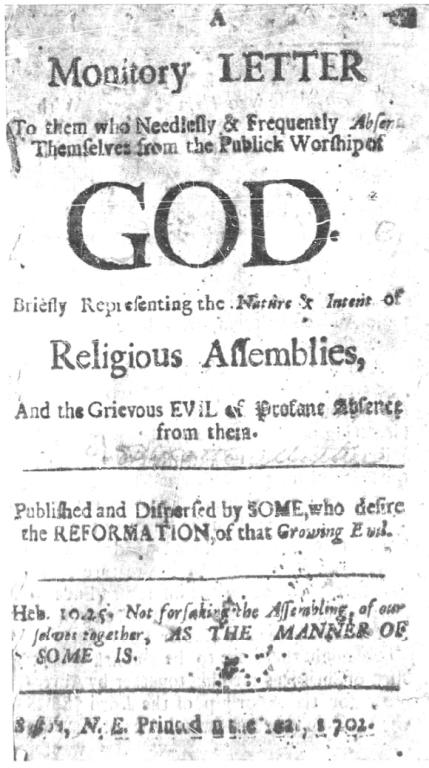
Cotton Mather’s pamphlet, A Monitory Letter to them who Needlessly & Frequently Absent Themselves from the Publick Worship of God
If Congregationalist ministers in Boston were concerned about religious laxity, English Baptist churches did not fare much better in the early 18th century. According to Ann Dunan-Page’s research, pastors of dissenting and nonconformist congregations in England faced the same headaches that established churches did. Sometimes people just didn’t come to church. A 1711 congregational report on absenteeism from a Baptist church in Cripplegate, London revealed that several members were abstaining from regular church attendance. One woman said she wanted to be in church but “having had a child lately & is excercised with it is not able to come[.]” Another, one Brother Grimes, claimed he “Went to hear Jos Jacobs on a subject in the Canticles on wch he has been ye 10 weeks & when he has don he will make good his place.” Sister Budephas said she and her husband were absent because “ye way is too farr,” and Sister Wood said similarly, “The reason she does not come in ye distance of ye way she had rather come but yet goes with her husband to hear Mr Pigott”. Weather, work, family, the allure of better preachers, recreation—all these were common reasons to stay away from church services. One church member of a Baptist church in Bampton, Oxfordshire, became the special object of pastor James Murch’s ire in 1707. Murch accused the man, Brother Morse, of sneaking out of the church’s business meetings, meetings that went on for hours, mind you. Morse, for his part, seems to have wearied of the church and its pastor. As Dunan-Page writes, “Morse at first pleaded the long distance that separated him from the regular meeting place of the church, but finally informed his fellow saints at Bampton that God had appeared to him to ask him to remove his membership elsewhere.”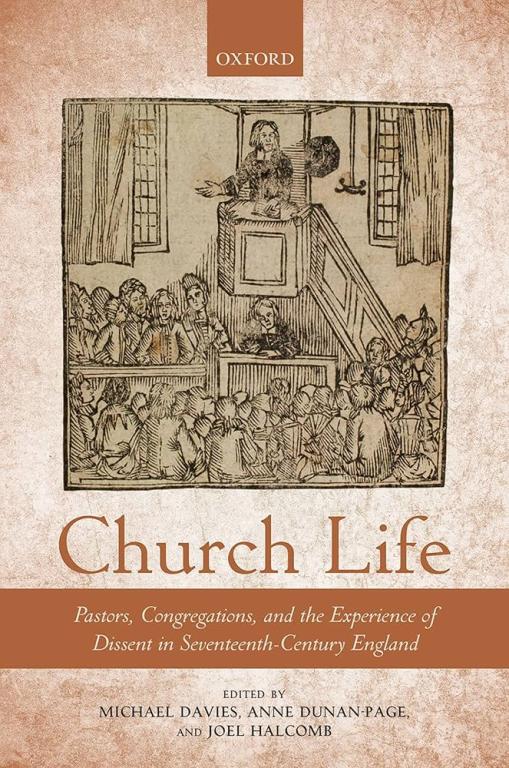
Going to Church and Staying Home
Twenty-first century evangelical pastors face many of the same psychological stressors that early modern Protestant ministers faced. It can be easy to assume that, in the light of the “pure gospel” and under the zealous care of biblically-sound shepherds, Protestant churches in those early years were better off—more biblical, more pious, more invested. Yet, like our modern church leaders, early modern ministers were driven by a concern that their churches were slipping, that piety was in decline, that theirs was a uniquely dangerous cultural moment. And those trends carry through the postbellum period, American industrialization. Heck, even pastors in the 1950s were irked by frequent and numerous “stay-aways.” Maybe that’s a particular Protestant anxiety linked to an indulgent apocalypticism. Maybe it’s just human nature. But it turns out that people in those churches were a lot like us—people who valued church affiliation, who wanted to participate, and who sometimes had a lot going on. Similarly, it turns out pastors from Reformation Germany to Puritan New England were not unlike the church leaders of today—anxious to see an increase in holiness and reverence for the things of God which, perhaps inescapably, they measured by participation in church programming. The more things change, the more they stay the same.
History and Religion
Previous Post

July 18, 2024
Kingdoms Of This World
Next Post

July 22, 2024 The '24 Election Has Changed. Here's What We Need To Do Now.
Recent Comments
"I love horror but would have to acclimate back to Lovecraft and especially Machen. Have ..."
Fairies, Witches, Folk Horror, and the ..."
"Very good point about MacDonald.I am certainly a Machen fan!"
Fairies, Witches, Folk Horror, and the ..."
"The Scottish author George MacDonald integrated fairy world into his fiction in a way that ..."
Fairies, Witches, Folk Horror, and the ..."
"I like the idea that we can have different streams. The coffee analogy is genius."
How Do You Take Your Evangelicalism?
Browse Our Archives
Select a Category abolitionism Abortion Abraham Joshua Heschel Abraham Kuyper Abraham Lincoln Academia Activism Adam Renberg Advent Adventist africa African American Religion Agnes Howard Albert Camus American History American Religious History American Revolution American West Anabaptists Ancient History Andrea Turpin Andrei Tarkovsky Anglicanism Annales Ansley Lillian Quiros anti-Catholicism Antisemitism Anxious Bench apologetics Apparitions Arash Azizi Archaeology archives art Artificial Intelligence Asia Asian Americans Augustine Authors Bad Bunny Baptism Baptists Barack Obama Battle of Hastings Benjamin Franklin Bernard-Henri Levy Beth Allison Barr Beth Moore Bethany Mannon Bible Bill Cunningham Billy Graham Black Music Bob Dylan Body Boenhoffer Books Breastfeeding Bruce Springsteen C.S. Lewis Calvinism Cancel Culture Capitalism Carmelites Catholicism Cedric Robinson Cesar Chavez Charismaticism charity Charles Dickens Charles Lindbergh Che Guevara Chicago Children Chinese Christianity Chris Gehrz Christ Christian death Christian Higher Education Christian life Christian Nation Christian Nationalism Christianity Today Christmas Church life Church Practice cinema Civil Religion Civil Rights Movement Civil War civility Classics Climate Change Cold War Colonial Mexico colonialism Comer Communism community complementarianism Conference on Faith and History Congregationalism Conspiracies Conspiracy Conversion Narratives Coronavirus Costa Rica Council of Nicaea Covid-19 Creation Critical Race Theory Crusades Culture culture wars Daniel K. Williams David Barton David Swartz Death Ways death with dignity DEI democracy Democratic Party Devotion Digital Age Diplomacy discipleship diversity Donald Trump Drama Dua Lipa Early Church early modern Early modern Catholicism Easter Eastern Christianity economic exploitation Education elections Elie Wiesel Elizabeth II Elizabeth Taylor emotions Empire Engineering England enslavement Entertainment Episcopal Church Erica Ramirez eschatology Eurocentrism Evangelicalism Evangelicals Exegesis Family Feminism Film Flannery O'Connor folk music Food Foreign Policy founding fathers Franciscans Franciscus Junius fundamentalism Funerals G.K. Chesterton Gender Genocide genre geography George W. Bush George Washington George Whitefield Global Christianity Global church Grief Guadalupe Guest Post guest post gun control gun violence Gustavo Gutierrez Hamid Dabashi Harold John Ockenga Harvest Hate Hawaiian Christianity Healing health care Heather Cox Richardson Hell Heresy Hermeneutics Higher Education Hinduism Hippocratic oath Historical Fiction Historical Methodology Historical Profession Historical Profession Historical Theology Historical Thinking historiography Holidays Holocaust horror movies Human rights Humanitarian Work humanities Hummingbirds Hungary hymns Imago Dei Immigration Injustice Interviews Iran Islam Islamophobia Israel Ivan's Childhood Jacob Randolph James Bratt Janine Giordano Drake Japanese history Japanese Literature Jean Paul Sartre Jesse Miranda Jesus Jesus Christ Jimmy Carter Joan Baez Joan Didion Joanne Freeman João B. Chaves Joao Chaves Joey Cochran John Calvin John Fea John Tillotson John Turner Johnny Cash Jonathan Edwards Jonathan Tran Joseph Smith Josh Howerton Journalism Jr. Judaism Jürgen Moltmann Just War Justice Justin Brierley Karl Barth Katelyn Beaty koi ponds Kris Kristofferson Kristin Kobes Du Mez Latin American Religious History Latino Americans Lectio Divina Leisure Lent Leonard Cohen liberal arts liberalism Liberation Theology Linda Ronstadt Lisa Clark Diller Literature Lou Reed Lynchings Lynneth Miller Renberg Mainline Protestantism Malcolm Foley Marilyn Monroe Maritime history Mark Noll Marriage Martin Luther Martin Luther King Martyrdom Marxism Mary Masih Alinejad mass shootings material culture medieval Christianity Medieval Ethiopia Melissa Borja memory Mennonites Mental Health Mental Illness Methodism Mexican Americans Mexicans Mike Madrid Miles Mullin Min Jin Lee Miscarriage Missionaries Mister Rogers Mitt Romney modernity Monasticism Mormonism Motherhood Mothers of the Church Moving Music Musicals Nadya Williams Nahua Christianity Native Americans Natsume Sōseki New Contributor New England New Year New York Nico Non-Violent Protest Orthodoxy pacifism Paleo Evangelicals Palestinians Parenting Patti Smith Paul Kingsnorth Pedro Calderón de la Barca Pentecostalism Philip Jenkins Phillis Wheatley physician-assisted suicide pilgrimage Pilgrims pluralism Plutocracy Poetry Politics Pope Francis Pope Leo XIV post-modernism prayer preaching Presbyterians prosperity gospel Protest Public history Publishing Puritans purity culture Quakers race Race Massacres Racial Capitalism racial reconciliation racialization Racism Raha Bahloulipour Re-Enchantment reading Reformation Refugees religion and the university religion and war Religious Freedom Religious Nones Religious Pluralism Religious Symbols religious violence Republican Party Revival Rita Coolidge Ritual Roger Williams Roman Catholic church Royalty Russell Moore same-sex marriage Sarah Irving-Stonebraker Scandinavia Science Science and Technology Scopes trial Scriptural Interpretation secularism Selena Quintanilla seminary Seventh-Day Adventists sexual morality Sexuality Sikhs Silence slaveholders theology Slavery Slavoj Zizek social justice Social Media Southern Baptist Convention Southern Religion Spain Spiritual Autobiography Spiritual but not religious Spiritual Discipline Sports Stanley Hauerwas Suffering Summer Camps Sunday Night Odds and Ends Supernatural Supreme Court Syriac Christianity Tal Howard Taylor Swift Teaching Technology Television Thanksgiving The Beatles The Mission theater TheoBros Theology Thomas Dixon Thomas Jefferson Thomas Kidd Thomas Merton Tim Gloege Tim Walz Tom Holland Tourism tradition Tragedy Translation Transnationalism Travel Trump Ukraine Uncategorized Unitarians United Methodist Church US History Vanessa Chan Velvet Underground Verónica A. Gutiérrez Veronica Gutierrez Vikings Violence Virgin Mary Virtue Virtue ethics Visions Voting War WCTU Wendell Berry Westminster Assembly White Evangelicalism Wildfires Winnie the Pooh Witches women Women in Ministry Women's and Gender Studies Work Worship writing Yasunari Kawabata Zena Hitz
Select a Month October 2026 September 2026 August 2026 July 2026 June 2026 May 2026 April 2026 March 2026 February 2026 January 2026 December 2025 November 2025 October 2025 September 2025 August 2025 July 2025 June 2025 May 2025 April 2025 March 2025 February 2025 January 2025 December 2024 November 2024 October 2024 September 2024 August 2024 July 2024 June 2024 May 2024 April 2024 March 2024 February 2024 January 2024 December 2023 November 2023 October 2023 September 2023 August 2023 July 2023 June 2023 May 2023 April 2023 March 2023 February 2023 January 2023 December 2022 November 2022 October 2022 September 2022 August 2022 July 2022 June 2022 May 2022 April 2022 March 2022 February 2022 January 2022 December 2021 November 2021 October 2021 September 2021 August 2021 July 2021 June 2021 May 2021 April 2021 March 2021 February 2021 January 2021 December 2020 November 2020 October 2020 September 2020 August 2020 July 2020 June 2020 May 2020 April 2020 March 2020 February 2020 January 2020 December 2019 November 2019 October 2019 September 2019 August 2019 July 2019 June 2019 May 2019 April 2019 March 2019 February 2019 January 2019 December 2018 November 2018 October 2018 September 2018 August 2018 July 2018 June 2018 May 2018 April 2018 March 2018 February 2018 January 2018 December 2017 November 2017 October 2017 September 2017 August 2017 July 2017 June 2017 May 2017 April 2017 March 2017 February 2017 January 2017 December 2016 November 2016 October 2016 September 2016 August 2016 July 2016 June 2016 May 2016 April 2016 March 2016 February 2016 January 2016 December 2015 November 2015 October 2015 September 2015 August 2015 July 2015 June 2015 May 2015 April 2015 March 2015 February 2015 January 2015 December 2014 November 2014 October 2014 September 2014 August 2014 July 2014 June 2014 May 2014 April 2014 March 2014 February 2014 January 2014 December 2013 November 2013 October 2013 September 2013 August 2013 July 2013 June 2013 May 2013 April 2013 March 2013 February 2013 January 2013 December 2012 November 2012 October 2012 September 2012 August 2012 July 2012 June 2012 May 2012
Follow Us!
TAKE THE
Religious Wisdom Quiz
What is the last book in the New Testament before Revelation?
Select your answer to see how you score.
Philemon 1 John Jude 3 John
Related posts from Anxious Bench

A Casserole is Not a Counterpoint
John Calvin: Pastor. Theologian. Immigrant Nuisance?
The Best Books for Understanding Christian History in...

Christmas in July: Candles in the Darkness Release
TRENDING AT PATHEOS Evangelical

Letters on Living the Faith by C.S. Lewis
Most of us met C.S. Lewis as a public intellectual. Mere Christianity....

When Halloween Unmasks Married Hearts
Written by Dr. David K. Ewen from Eternal Truth Bible College Behind...

Aristotle. He’s been called the father of logic, the father of the...

Methodist Central Hall and Westminster Abbey
Situated on the same square is Methodist Central Hall and Westminster Abbey. ...

57th Dove Awards Honor Dolly Parton, Crown New...
On gospel music’s biggest night, the 57th annual GMA Dove Awards honored...

The First Eucharistic Controversy: Christ’s Real Presence
For Catholics, the Eucharist is the source and summit of the Christian...
view all Evangelical blogs
What Are Your Thoughts?leave a comment
Ad-Free & Subscriber Log-In Subscription Support
- About Us
- 2026 Calendar
- Videos
- Podcasts
- Library of World Religions
- Faith In Media Tracker
- Advertise With Us
- Write for Us
- Privacy Policy
- Terms of Service
- Do Not Sell My Data
- Contact Us
- Radiant Digital
- Manage Newsletter Subscriptions
- Unsubscribe From Notifications
- Sitemap
Copyright 2008-2026, Patheos. All rights reserved.
Subscription Support Ad-Free & Subscriber Log-In
Follow Patheos