
BuddhistCatholicContemplativeEvangelicalGeneral ChristianHinduJewishLatter-day SaintMuslimNew VisionsProgressive Christian
Beliefs
- Buddhist
- Catholic
- Contemplative
- Evangelical
- General Christian
- Hindu
- Jewish
- Latter-day Saint
- More Voices
- Muslim
- New Visions
- Pagan
- Progressive Christian
Topics
- Religion News
- Food and Religion
- Sports and Religion
- Religious Art
- Religious Music and Entertainment
- Religious Events
- History and Religion
- Style and Religion
- Politics and Religion
- Women in Religion
- Recreation Outdoors and Religion
- Business Finance and Religion
- Careers Workplace and Religion
- Education and Religion
- Family Parenting and Religion
- Health Fitness and Religion
- Home and Religion
- Relationships and Religion
- Technology and Religion
- Travel and Religion
Columnists
- Buddhist Columnists
- Business Finance and Religion Columnists
- Careers Workplace and Religion Columnists
- Catholic Columnists
- Contemplative Columnists
- Education and Religion Columnists
- Evangelists Columnists
- Family Parenting and Religion Columnists
- General Christian Columnists
- Health Fitness and Religion Columnists
- Hindu Columnists
- History and Religion Columnists
- Home and Religion Columnists
- Jewish Columnists
- More Voices Columnists
- Latter Day Columnists
- Muslim Columnists
- New Visions Columnists
- Nonreligious Columnists
- Pagan Columnists
- Politics and Religion Columnists
- Progressive Columnists
- Recreation Outdoors and Religion Columnists
- Relationships and Religion Columnists
- Religion News Columnists
- Religious Art Columnists
- Religious Events Columnists
- Religious Music and Entertainment Columnists
- Sports and Religion Columnists
- Style and Religion Columnists
- Technology and Religion Columnists
- Travel and Religion Columnists
- Women in Religion Columnists
Resource Library
- 2026 Calendar
- Library of World Religions
- The 100 Most Holy Places on Earth
- Patheos Answers
- Podcasts
- Videos
- Faith Leaders Database
- Anglican Episcopalian
- Bahai
- Baptist
- Buddhism
- Christianity
- Confucianism
- Eastern Orthodoxy
- Hinduism
- Holiness and Pentecostal
- ISKCON
- Islam
- Judaism
- Lutheran
- Methodist
- The Church of Jesus Christ of Latter-day Saints
- New Age
- Paganism
- Presbytarian and Reformed
- Protestantism
- Religion Behind the Scenes
- Roman Catholic
- Scientology
- Shia Islam
- Sikhism
- Sufism
- Sunni Islam
- Taoism
- Zen
- See all religions
Research Tools
 Ad-Free & Subscriber Log-In Subscription Support
Follow Patheos 

- Trending:
- Advent
- |
- Forgiveness
- |
- Thanksgiving
- |
- Election
- |
- Seasonal Holidays
- |
- Marriage

-
About the Authors
- Home
- Evangelical
- The Five Emerging Factions in Evangelical Higher Education
The Five Emerging Factions in Evangelical Higher Education
Last updated on: April 5, 2022 at 2:24 am by Daniel K. Williams
The Five Emerging Factions in Evangelical Higher Education 2022-04-04T23:27:14-04:00 Daniel K. Williams
Patheos Explore the world's faith through different perspectives on religion and spirituality! Patheos has the views of the prevalent religions and spiritualities of the world.
Will the culture war flashpoints that are fragmenting American evangelicalism divide evangelical higher education as well?

This question was on my mind in the days leading up to the 2022 Conference on Faith and History that met at Baylor University last week, and now that I have returned from the conference, the question continues to concern me. Two plenary keynotes at the CFH (one from Kristin Du Mez and the other from Jemar Tisby) encouraged Christian historians to embrace activism on behalf of justice, but I suspect that competing evangelical interpretations of what constitutes justice will lead some Christian academics to embrace some causes that are directly opposed to those that other Christian academics embrace. This is not the first time, of course, that American Protestantism – or American Protestant higher education – has experienced a fissure on an issue of theology, social justice, or politics. But this time, when evangelical higher education fragments over issues of social justice, I expect that there will not be merely two separate factions, as there were in the modernist-fundamentalist debates of the 1920s. Instead, there will be at least five.
Faction 1: Conservative culture warriors: The most politically conservative evangelical faction to emerge from this split will be the culture warriors. Staunchly opposed to critical race theory, feminism, and so-called “socialism,” culture warrior colleges and universities (and faculty that identify with this view) see their Christian mission primarily in terms of training a new generation of Christians to resist cultural liberalism through a Christian faith that is inextricably connected with conservative political principles. Some of these institutions, such as Liberty University and Patrick Henry College, have developed close relationships with the Republican Party or conservative elected officials in recent years. Others, such as New Saint Andrews College in Moscow, Idaho, may not be election campaign stops for conservative Republican presidential contenders but are just as politically conservative and are closely connected with a Christian homeschooling movement that attempts to reject cultural liberalism in all its forms.
Culture warrior institutions are a leading segment of Christian higher education today. Liberty University enrolled 15,000 residential students and 80,000 online students in 2020. (By comparison, Wheaton College enrolls slightly less than 3,000 students; Calvin University has about 3,300 students; Azusa Pacific enrolls just over 10,000; and Baylor has an enrollment of slightly more than 20,000. Messiah University, the academic home of the current CFH president, has 2,338 students). Liberty University’s history department has two chairs – one for its residential program and the other for its online classes – and it offers a Ph.D. program. But at the CFH, the nation’s leading culture warrior institutions are barely represented at all. This year’s conference did not include any papers from faculty or students at Bob Jones University, Regent University (the university in Virginia Beach that Pat Robertson founded – and that hosted the 2016 CFH), or Patrick Henry College. There were two panelists from Liberty University, but neither one was a member of that university’s history faculty. So, if one looks only at the CFH, one might not know that culture warrior institutions are attracting tens of thousands of new evangelical undergraduate students every year.
Not every faculty member at these institutions fully embraces the Christian nationalist ideology of their school, but those who do necessarily become activists – but activists for a cause that is diametrically opposed to the social justice mission that Kristin Du Mez and Jemar Tisby encouraged historians to embrace. The chair of Liberty University’s residential history program teaches a graduate course, for instance, on “American Christian Heritage.” He is a member of the university’s Center for Apologetics and Cultural Engagement at Liberty University. Other members of the department teach courses such as the upper-level undergraduate course “Reagan’s America.” In addition to classes such as “Reagan’s America” and “American Christian Heritage,” Liberty University’s online catalog offers classes on Jacksonian America, “The World of Jonathan Edwards,” “History of American Entrepreneurship,” and the Korean and Vietnam Wars, but not a single class on the civil rights movement, African American history, the history of American women, or any aspect of gender studies. Instead of activism on behalf of minority groups, this Christian nationalist version of Christian higher education features an activism for a particular brand of conservatism – the conservatism that holds the American military and free enterprise in high regard and that celebrates the only two American presidents whose names headline a Liberty University history course: Andrew Jackson and Ronald Reagan.
Few other scholars, even at the most conservative Christian institutions, take this sort of Trumpist conservative partisanship seriously – which is why institutions in this category that once had some sort of connection to the CFH and the rest of the Christian scholarly world have become increasingly alienated in a faction of their own. They might have a substantial part of the evangelical market share, but they’re no longer in conversation with the rest of Christian academia, which increasingly views them as engaged in a wholly different enterprise from their own educational mission.
Faction 2: Color-blind (but anti-nationalist) conservatives: The second most-conservative faction to emerge from the split will be color-blind conservatives who eschew Christian nationalism. Like the culture warriors, institutions and individual academics who fall into this category are deeply concerned about the perceived moral decline of the United States, and they are also generally politically conservative and committed to free-market principles, but they don’t want to make their institutions adjuncts of the Republican Party. Evangelical institutions that fall into this category are strongly committed to biblical inerrancy and gender complementarianism, and they are critical of critical race theory. Among conservative intellectuals in the never-Trump crowd, faction 2 is attractive; it allows one to remain committed to all of the traditional principles of political conservatism while remaining critical of the Trump phenomenon, which has hardly any support among humanities faculty in colleges and universities, whether Christian or not. But as conservative as faction 2 evangelicals might seem to outsiders, they sometimes face a difficult time navigating the politics of their highly conservative denominations and evangelical culture in general because of their unwillingness to support Donald Trump.

Despite issuing an official statement opposing CRT, Grove City College became the subject of a months-long uproar after the college allowed Jemar Tisby and Bryan Stevenson (founder of the Equal Justice Initiative) to speak on campus but then found itself caught in a bind between the criticism from parents who worried that the college was embracing CRT and faculty and students who identified as conservative but didn’t want the college to compromise academic freedom. This week’s college conference on “The Limits of Government,” sponsored by the Institute for Faith and Freedom, presumably represents the type of activism that is more in line with Grove City College’s core constituency. Instead of Jemar Tisby, the conference will feature Lenny McAllister, an African American Republican who is described on the conference announcement as a “civil rights advocate” who is promoting “equality” through “free market solutions” and “adherence to the spirit of the U.S. Constitution.”
Evangelicals who fall into faction 2 profess a genuine concern for racial justice, but they define it in individualistic terms and often deny the existence of structural racism – especially when it challenges the principles of the free market, which they believe offers the greatest hope for long-term poverty relief. In doing this, they genuinely believe that they are upholding important principles of fairness; critical race theory, they think, is racist and therefore antithetical to Christian values. While often criticizing Donald Trump and the evangelicals who support him, they are usually unwilling to vote for pro-choice Democrats, because they view the sexual revolution and abortion as the most urgent moral problems of our time. So, for them, activism is much more likely to mean participating in a march against abortion or speaking out in defense of religious freedom when they feel that it is threatened by legislative initiatives such as the Equality Act than advocating for racial justice.
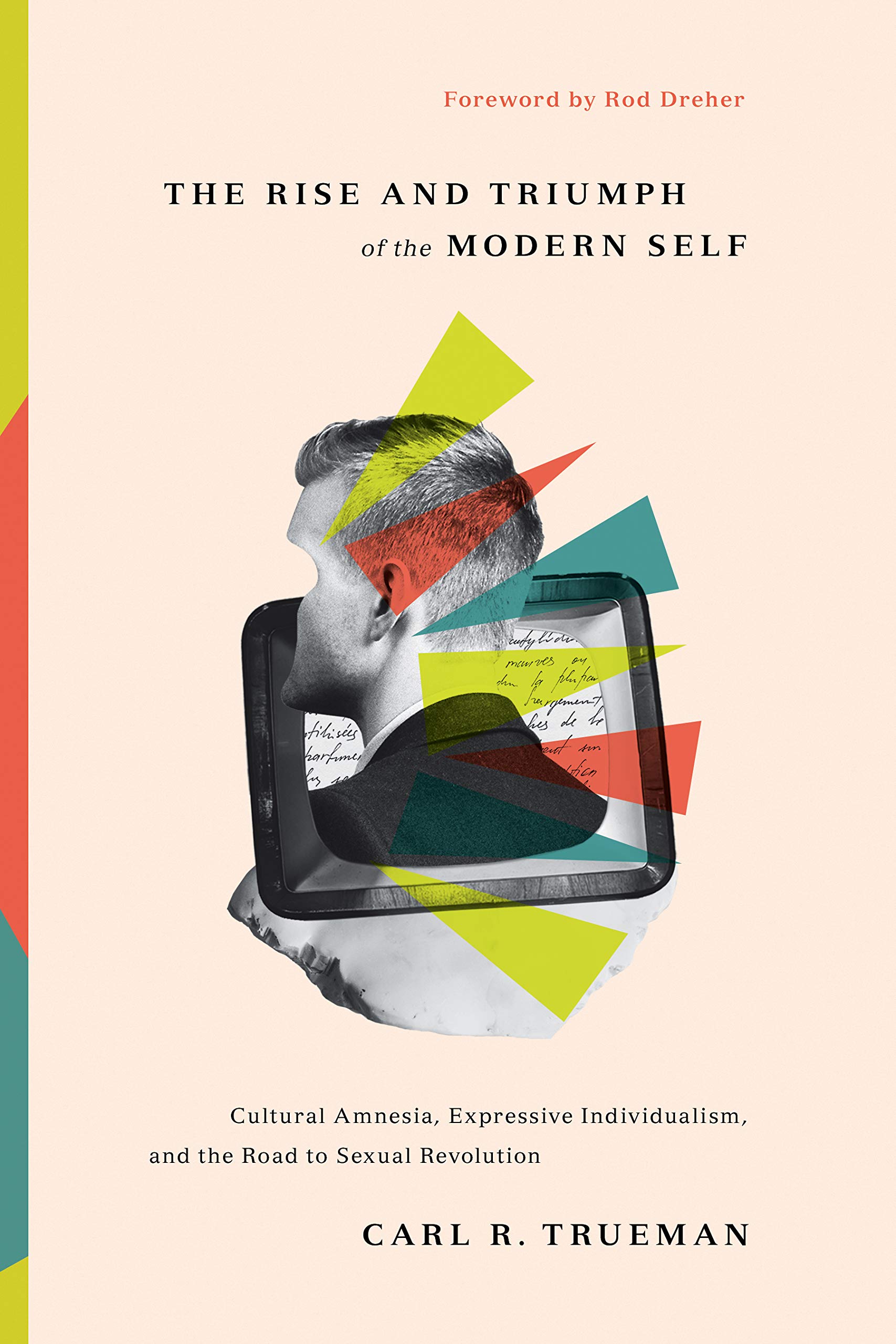
The historical scholarship of academics who endorse the beliefs of faction 2 is likely to be shaped by a conservative interpretation of American history that sees the decline of sexual morality or traditional religious practice (rather than debates over equality) as the most important trendline of the last few decades. Carl Trueman’s (Westminster Theological Seminary) The Rise and Triumph of the Modern Self: Cultural Amnesia, Expressive Individualism, and the Road to the Sexual Revolution, is a wonderful example of the type of scholarship that one can find from historians in this camp. It’s certainly activist in the sense that it is attempting to diagnose and correct the perceived problems of the sexual revolution rather than present a dispassionate narrative in the mode of Leopold von Ranke. And it’s unapologetically Christian and deeply theological. But it’s not the sort of activism that Jemar Tisby highlighted.
So, evangelical academics who fall into faction 2 are caught in a bind. They’re often critical of Christian nationalism in general (and may even view it as dangerously heretical idolatry), which separates them from evangelicals in faction 1. Indeed, some evangelical historians teaching at faction 2 institutions have written thoughtful critiques of Christian nationalism, as CFHer John Wilsey (Southern Baptist Theological Seminary) did in two separate books on civil religion and the idea of a Christian America. But at the same time, their strong opposition to the sexual revolution and their general belief in limited government and the free market makes them wary of joining evangelicals to their left who believe that Christian politics should center on opposition to structural racism and gender inequities. In the view of many members of their own highly conservative denominations who voted for Trump, these faction 2 academics may already be too progressive, but from the standpoint of most other Christian academics, their refusal to embrace anti-racist activism that is defined structurally rather than individually makes them far too conservative. Outside of a small group of faction 1 and faction 2 institutions, the assumptions about race among faction 2 academics are diametrically opposed to the prevailing assumptions of the profession and of secular academia in general. This will probably mean that faction 2 evangelical scholars will be increasingly intellectually marginalized in nearly all parts of academia, with the single exception of a small conservative academic subculture that only a few other historians are willing to engage with.
In the view of most of academia, faction 2 academics are on the wrong side of morality and history. Despite their attempts to separate themselves from the pro-Trump evangelicals, they’re going to have a hard time convincing other academics in the age of DEI that their views are not politically dangerous and immoral. I wish that were not the case, because I respect many scholars in faction 2 even if I don’t fully agree with them on every issue, but I think that my expectations that this faction will become increasingly marginalized and beleaguered are probably realistic. Before the Black Lives Matter movement and the rise of Donald Trump, it was possible to be a faction 2 conservative academic and be treated with respect, but those days may be coming to an end. Historians and other humanities scholars and social scientists who don’t believe in the existence of structural racism or the necessity of government policies to challenge it are going to find themselves increasingly adrift from the rest of academia.
Faction 3: Racially progressive complementarians: The third group to emerge from this fragmentation will be theologically conservative evangelicals (or evangelical institutions) that are committed to fighting against structural racism but are also biblical inerrantists and complementarian on gender roles. This view attracts a relatively small percentage of the evangelical population in the United States, but it has an outsized influence in the conservative Reformed world, especially in denominations such as the Presbyterian Church in America (PCA) and even in small academic pockets of the Southern Baptist Convention, where many people in the pew may be Trump voters but where academics believe they have the theological freedom to explore issues of structural racism while also holding firmly to their own denomination’s stance on biblical inerrancy and prohibitions on women’s ordination.
A number of PCA and Baptist colleges have history faculty who are in faction 3, and who have therefore made the exposure of structural racism and structural poverty a central part of their scholarship and teaching without challenging the gender complementarianism that is a part of their own denominations’ official doctrine or tradition. At the SBC-affiliated Mississippi College, for instance, CFH member Otis Pickett teaches courses on the history of mass incarceration, the civil rights movement, and the lives and legacies of Fannie Lou Hamer and Ida B. Wells. He even co-founded the Prison to College Pipeline Program to help incarcerated people earn a college degree and prepare themselves for life after prison. Racial justice and poverty relief are central to Pickett’s activist scholarship, but at the same time, he has remained a member of a gender complementarian church while teaching at a college that is associated with another gender complementarian denomination.
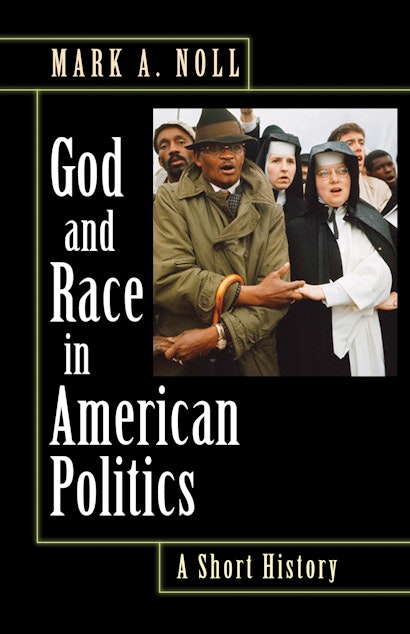
Perhaps because so many evangelical historians have been affiliated (either through their college or their own personal religious commitments) with denominations that affirm gender complementarianism as biblical, evangelical historians during the past decade have written a lot more to challenge racial injustice than gender inequity. To be sure, there has been a lot of useful scholarship on evangelical women (with some even using gender as a primary category of analysis, as new CFH board member Andrea Turpin’s highly insightful A New Moral Vision does), but until Kristin Du Mez’s Jesus and John Wayne and Beth Barr’s The Making of Biblical Womanhood, there were not many history books published by evangelical historians that systematically called into question modern American evangelical attitudes toward gender roles. Instead, there have been evangelical books, articles, and conference papers that highlight the fault lines of structural racism in the church and society, such as Mark Noll’s God and Race in American Politics and Karen Johnson’s One in Christ, and numerous courses on these themes offered at even highly conservative institutions, such as CFHer Paul Thompson’s course on Africa and the Slave Trade at the SBC-affiliated North Greenville University.
Some evangelical scholars in faction 3 are allies with the opponents of Christian nationalism in faction 2 on their right because of their shared opposition to the idolatry of Christian patriotism and the sinful legacies of the sexual revolution, and also as co-belligerents in the cause of social justice with gender egalitarians in faction 4 on their left, since gender egalitarians in faction 4 are just as deeply concerned about racial and economic justice as evangelical anti-racist complementarians in faction 3. But there are significant differences between these factions. Faction 3 evangelicals who embrace a mode of biblical interpretation that interprets much of scripture around a message of Jesus’s deliverance of the poor (Luke 4:18) may become frustrated with other Christians in faction 2 who interpret these scriptures very differently and whose politics is much more individualistic and free market-oriented. Faction 3 evangelicals who view the sexual revolution and second-wave feminism as anti-Christian forces and who think that gender complementarianism is biblical may become uncomfortable with evangelicals in faction 4 whose version of activist scholarship is squarely aimed against beliefs that they believe are biblically mandated. Both gender differences and sexuality are grounded in creation and are pictures of the gospel, they believe – which means that the path of justice and adherence to scripture requires them to uphold gender complementarianism and sexual conservatism rather than challenge patriarchy.
And if faction 3 evangelicals find themselves in some tension with other evangelical scholars outside their faction, they experience even greater strains with the American evangelical church at large, much of which deeply resents their campaign to expose structural racism in the church and society. Instead of writing apologetic credos against the larger society (as faction 2 scholars such as Carl Trueman have), faction 3 evangelicals often focus their scholarly jeremiads against their own church traditions by exposing the continuing structural racism within evangelicalism and calling the church to repentance. Faction 3 evangelicals are often the ones leading their churches in book discussions of The Color of Compromise and teaching classes on the history of American slavery at their colleges and universities. And when they write for a larger non-academic audience, they may be more likely to see their primary task as bringing the insights of historical study of race and justice to the church than trying to bring the theology of the church to a non-Christian society. Faction 3 is an uneasy place to be, because it requires scholars to be more progressive than their own church traditions most of the time because of their understanding of race, yet more conservative than even much of Christian (let alone secular) academia nearly all of the time because of their understanding of sex. Yet this is where many Christian historians in the CFH and elsewhere currently are.
Faction 4: Gender egalitarians: Evangelicals who embrace gender egalitarianism while remaining within evangelicalism or a closely related confessional Protestant tradition may eventually form a faction of their own that is distinct from both faction 3 and faction 5. Unlike faction 3 evangelicals, evangelical scholars in faction 4 believe that the Bible mandates gender egalitarianism in accordance with what they believe is the principle outlined in Galatians 3:28 and in the Bible’s larger teaching about women’s full image-bearing personhood. For some, reforming the church on this issue has become a social justice cause.
Some gender egalitarians in faction 4 would prefer to maintain good relationships with evangelicals in faction 3 and not make gender egalitarianism a first-order principle of justice in the way that racial justice is. This seems, for instance, to be the view that Wheaton College expressed in its statement “Teaching about Gender Roles,” which explicitly allowed for diverse views among faculty and students on women in pastoral positions even as the college also affirmed gender egalitarianism as a matter of justice in all academic areas outside of marriage and church ministry. But other evangelical institutions, such as Fuller Theological Seminary, have taken a more unequivocal stance in favor of gender equality: “Under no condition may the authority classroom be used to challenge the calling of any student on the basis of gender.”
Perhaps it’s not too surprising that evangelical historians who share Fuller Theological Seminary’s perspective on gender egalitarianism (but who may have come from gender complementarian traditions that they believe are perpetuating injustices against women) have made the exposure of structural patriarchy in the church a central part of their scholarship. Two of these works – Kristin Du Mez’s Jesus and John Wayne and Beth Barr’s The Making of Biblical Womanhood – have become wildly popular. I suspect that this is only the beginning of a flood of new titles that will examine what evangelical historians have only barely touched in the past: structural inequities on issues of gender.
But when this happens, the calls to make gender equity a matter of justice in the church will form a difficult dilemma for evangelicals in faction 3 whose own understanding of the Bible or whose denominations or academic institutions will make full acceptance of women’s ordination impossible. So, despite enthusiastically endorsing calls for justice on racial issues, faction 3 evangelicals may find themselves increasingly isolated from faction 4 evangelicals – especially if faction 4 evangelicals believe that gender complementarians are on the wrong side of morality and history, just as racial segregationists were.
Yet faction 4 evangelicals are also going to face increasing pressure from all of secular academia and even some of Christian academia to apply their own social justice advocacy on matters of sex and gender to LGBTQ+ issues by affirming the right of transgender people to define their own gender identity and the right of same-sex attracted people to marry someone of the same sex. If they do that, that will probably take them outside the boundaries of evangelical orthodoxy as it is currently understood. But if they don’t do that, they will find themselves as part of a faction whose following is about as small in the evangelical world as that of faction 3. Many of the leading evangelical colleges and universities in the United States (including Baylor, Calvin, and Wheaton) probably align most closely with faction 4. So do many of the leading evangelical historians. But if this is true of evangelical academia, it’s not true of evangelicalism as a whole. In an American evangelical world in which at least 80 percent of white evangelical voters voted for Trump (twice) and in which some of the remaining 20 percent were faction 2 and 3 evangelicals who were gender complementarians, the percentage of evangelicals who are dedicated to campaigning for social justice and who support women’s equality in ministry but yet also want to confine sexual relationships to heterosexual marriage is quite small. And in academia at large, faction 4 evangelicals’ opposition to same-sex marriage and transgender identities will make it difficult for them to be taken seriously as full advocates of DEI – which, I suspect, will increase the pressure for some of them to follow their beliefs to what at least a few will decide is their logical conclusion: full inclusion of LGBTQ+ people, regardless of their sexual practices or chosen gender expressions.
I suspect that within the next decade, we will see a split among evangelical institutions (and evangelical scholars) that are in faction 4. Some will resist the pressure to moderate their views on sexual ethics and will therefore begin to have more in common with conservative allies in faction 3, despite their gender egalitarianism. Others will change their statements on sexuality and will become increasingly distant from other gender egalitarian evangelicals, despite their shared critique of Christian patriarchy.
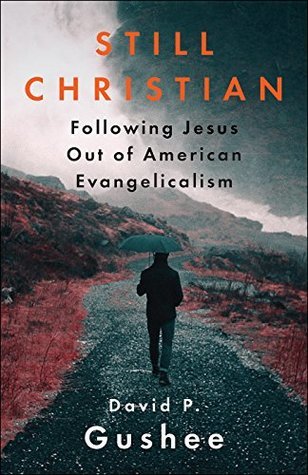
Faction 5: LGBTQ+ advocates: Within the last few years, some academics who once self-identified as evangelicals have publicly announced that they endorse same-sex marriage and the full inclusion of LGBTQ+ individuals in church ministry without requiring that they remain celibate. Mercer University Christian ethics professor David Gushee (who started his career as a Southern Baptist) announced five years ago that he was “following Jesus out of American evangelicalism” and accepting same-sex marriage as a legitimate Christian practice.
So far, we have not seen evangelical historians produce scholarship promoting LGBTQ+ rights, but I suspect that we will eventually see an emergence of this faction at institutions that have long been considered bulwarks of the evangelical higher education tradition. Three years ago, Azusa Pacific University rescinded its prohibition on same-sex dating among students – though it continued to oppose same-sex marriage and affirm that sex must be confined to a marital relationship. And last month, a news story broke that Calvin University was attempting to navigate an uneasy compromise on same-sex marriage by offering a path for a staff member who had married a same-sex partner to continue working at a university center if that center were removed from the university’s oversight.
At several Christian universities, faculty have been at the forefront of calls to liberalize official statements about LGBTQ+ issues. If some Christian universities drop their prohibitions on same-sex sexual activity entirely, will any history faculty members feel free to follow David Gushee’s practice of writing books and articles advocating for LGBTQ+ inclusion? And will that practice in turn split evangelical higher education even further?
Based on current trends, I believe that the answer is probably yes. If that happens, we may find faction 5 evangelicals occupying a middle ground between mainline Protestantism and evangelicalism. In many cases, these scholars will be post-evangelicals who are now members of a mainline denomination that affirms same-sex marriage, and they will teach at colleges and universities that are still explicitly Christian but that no longer line up with the current prevailing evangelical view of biblical teaching on sexuality. Right now, it is still theoretically possible for a history faculty member with Reformed beliefs to move from Calvin University to Wheaton College and then to Covenant College, but as the fault lines between the various factions hardens, this sort of transition may not be possible. Covenant College and Calvin University may become such theologically distant cousins that easy transitions between them may become a thing of the past.
The fragmentation of evangelical higher education into such different factions – each of which is suspicious of the moral and theological commitments of the others – will make it increasingly difficult for nearly all evangelical institutions to maintain their base of support. By carving out a path for itself in faction 2, for instance, Grove City College found that it both alienated its conservative anti-CRT constituency of alumni and parents while simultaneously raising the ire of history faculty who wanted the college to be more open to the sort of scholarship that was produced by evangelicals in faction 3. Stances on women in ministry – whatever they might be – threaten evangelical institutions’ donations and enrollment numbers. And if a longstanding evangelical institution such as Azusa Pacific or Calvin were to move squarely toward acceptance of same-sex relationships and announce that it was willing to hire gay faculty who were married to same-sex partners (as Mennonite-affiliated Goshen College did in 2015), this would certainly have a profound effect on the school’s identity, because acceptance of same-sex relationships is not an isolated issue; it is intrinsically connected to larger questions about biblical interpretation and authority, as well as sexuality and human personhood.
Social justice advocacy, after all, is about more than just an isolated issue. It’s about how we understand the creation order, the gospel, and God’s purpose for humanity. And as evangelical scholars embark on this path, they may find out that they disagree with each other more than they imagined. It may have been easier in the CFH when disagreements focused mainly on historical methodology. Now that the conversation has moved on to scholarly activism, we may find that the disagreements point to much more significant fault lines.
So, how do we navigate these potential fractures in evangelical higher education during the coming years? Kristin Du Mez closed her plenary address by urging Christian historians to handle disagreements with “honesty, empathy, and courage.” I endorse this call. We need to be honest about our own beliefs and the sources of our disagreement with others. We need to be empathetic toward our historical subjects and toward other historians with whom we disagree. We need to be courageous in advocating for what we believe is right. And, I would add, if we want to be evangelical, we need to ground our conviction in the testimony of scripture – though recognizing, of course, that others may interpret scripture in different ways.
I think that we can engage in this sort of dialogue in the CFH, and I encourage others to join the conversation. The discussion won’t always be comfortable, but it will be thought-provoking, challenging, and intellectually stimulating. And I hope that it will continue to be conducted with charity and grace. Perhaps honestly acknowledging the sources of evangelical higher education’s fragmentation will make it easier for us to navigate these divisions in a genuinely Christ-like manner even as the fault lines continue to grow during the next few years.

Next Post

April 5, 2022 College for Christians
Browse Our Archives
Select a Category abolitionism Abortion Abraham Joshua Heschel Abraham Kuyper Abraham Lincoln Academia Activism Adam Renberg Advent Adventist africa African American Religion Agnes Howard Albert Camus American History American Religious History American Revolution American West Anabaptists Ancient History Andrea Turpin Andrei Tarkovsky Anglicanism Annales Ansley Lillian Quiros anti-Catholicism Antisemitism Anxious Bench apologetics Apparitions Arash Azizi Archaeology archives art Artificial Intelligence Asia Asian Americans Augustine Authors Bad Bunny Baptism Baptists Barack Obama Battle of Hastings Benjamin Franklin Bernard-Henri Levy Beth Allison Barr Beth Moore Bethany Mannon Bible Bill Cunningham Billy Graham Black Music Bob Dylan Body Boenhoffer Books Breastfeeding Bruce Springsteen C.S. Lewis Calvinism Cancel Culture Capitalism Carmelites Catholicism Cedric Robinson Cesar Chavez Charismaticism charity Charles Dickens Charles Lindbergh Che Guevara Chicago Children Chinese Christianity Chris Gehrz Christ Christian death Christian Higher Education Christian life Christian Nation Christian Nationalism Christianity Today Christmas Church life Church Practice cinema Civil Religion Civil Rights Movement Civil War civility Classics Climate Change Cold War Colonial Mexico colonialism Comer Communism community complementarianism Conference on Faith and History Congregationalism Conspiracies Conspiracy Conversion Narratives Coronavirus Costa Rica Council of Nicaea Covid-19 Creation Critical Race Theory Crusades Culture culture wars Daniel K. Williams David Barton David Swartz Death Ways death with dignity DEI democracy Democratic Party Devotion Digital Age Diplomacy discipleship diversity Donald Trump Drama Dua Lipa Early Church early modern Early modern Catholicism Easter Eastern Christianity economic exploitation Education elections Elie Wiesel Elizabeth II Elizabeth Taylor emotions Empire Engineering England enslavement Entertainment Episcopal Church Erica Ramirez eschatology Eurocentrism Evangelicalism Evangelicals Exegesis Family Feminism Film Flannery O'Connor folk music Food Foreign Policy founding fathers Franciscans Franciscus Junius fundamentalism Funerals G.K. Chesterton Gender Genocide genre geography George W. Bush George Washington George Whitefield Global Christianity Global church Grief Guadalupe guest post Guest Post gun control gun violence Gustavo Gutierrez Hamid Dabashi Harold John Ockenga Harvest Hate Hawaiian Christianity Healing health care Heather Cox Richardson Hell Heresy Hermeneutics Higher Education Hinduism Hippocratic oath Historical Fiction Historical Methodology Historical Profession Historical Profession Historical Theology Historical Thinking historiography Holidays Holocaust horror movies Human rights Humanitarian Work humanities Hummingbirds Hungary hymns Imago Dei Immigration Injustice Interviews Iran Islam Islamophobia Israel Ivan's Childhood Jacob Randolph James Bratt Janine Giordano Drake Japanese history Japanese Literature Jean Paul Sartre Jesse Miranda Jesus Jesus Christ Jimmy Carter Joan Baez Joan Didion Joanne Freeman João B. Chaves Joao Chaves Joey Cochran John Calvin John Fea John Tillotson John Turner Johnny Cash Jonathan Edwards Jonathan Tran Joseph Smith Josh Howerton Journalism Jr. Judaism Jürgen Moltmann Just War Justice Justin Brierley Karl Barth Katelyn Beaty koi ponds Kris Kristofferson Kristin Kobes Du Mez Latin American Religious History Latino Americans Lectio Divina Leisure Lent Leonard Cohen liberal arts liberalism Liberation Theology Linda Ronstadt Lisa Clark Diller Literature Lou Reed Lynchings Lynneth Miller Renberg Mainline Protestantism Malcolm Foley Marilyn Monroe Maritime history Mark Noll Marriage Martin Luther Martin Luther King Martyrdom Marxism Mary Masih Alinejad mass shootings material culture medieval Christianity Medieval Ethiopia Melissa Borja memory Mennonites Mental Health Mental Illness Methodism Mexican Americans Mexicans Mike Madrid Miles Mullin Min Jin Lee Miscarriage Missionaries Mister Rogers Mitt Romney modernity Monasticism Mormonism Motherhood Mothers of the Church Moving Music Musicals Nadya Williams Nahua Christianity Native Americans Natsume Sōseki New Contributor New England New Year New York Nico Non-Violent Protest Orthodoxy pacifism Paleo Evangelicals Palestinians Parenting Patti Smith Paul Kingsnorth Pedro Calderón de la Barca Pentecostalism Philip Jenkins Phillis Wheatley physician-assisted suicide pilgrimage Pilgrims Piracy pluralism Plutocracy Poetry Politics Pope Francis Pope Leo XIV post-modernism prayer preaching Presbyterians prosperity gospel Protest Public Executions Public history Publishing Puritans purity culture Quakers race Race Massacres Racial Capitalism racial reconciliation racialization Racism Raha Bahloulipour Re-Enchantment reading Reformation Refugees religion and the university religion and war Religious Freedom Religious Nones Religious Pluralism Religious Symbols religious violence Republican Party Revival Rita Coolidge Ritual Roger Williams Roman Catholic church Royalty Russell Moore same-sex marriage Sarah Irving-Stonebraker Scandinavia Science Science and Technology Scopes trial Scriptural Interpretation secularism Selena Quintanilla seminary Seventh-Day Adventists sexual morality Sexuality Sikhs Silence slaveholders theology Slavery Slavoj Zizek social justice Social Media Southern Baptist Convention Southern Religion Spain Spiritual Autobiography Spiritual but not religious Spiritual Discipline Sports Stanley Hauerwas Suffering Summer Camps Sunday Night Odds and Ends Supernatural Supreme Court Syriac Christianity Tal Howard Taylor Swift Teaching Technology Television Thanksgiving The Beatles The Mission theater TheoBros Theology Thomas Dixon Thomas Jefferson Thomas Kidd Thomas Merton Tim Gloege Tim Walz Tom Holland Tourism tradition Tragedy Translation Transnationalism Travel Trump Ukraine Uncategorized Unitarians United Methodist Church US History Vanessa Chan Velvet Underground Verónica A. Gutiérrez Veronica Gutierrez Vikings Violence Virgin Mary Virtue Virtue ethics Visions Voting War WCTU Wendell Berry Westminster Assembly White Evangelicalism Wildfires Winnie the Pooh Witches women Women in Ministry Women's and Gender Studies Work Worship writing Yasunari Kawabata Zena Hitz
Select a Month November 2026 October 2026 September 2026 August 2026 July 2026 June 2026 May 2026 April 2026 March 2026 February 2026 January 2026 December 2025 November 2025 October 2025 September 2025 August 2025 July 2025 June 2025 May 2025 April 2025 March 2025 February 2025 January 2025 December 2024 November 2024 October 2024 September 2024 August 2024 July 2024 June 2024 May 2024 April 2024 March 2024 February 2024 January 2024 December 2023 November 2023 October 2023 September 2023 August 2023 July 2023 June 2023 May 2023 April 2023 March 2023 February 2023 January 2023 December 2022 November 2022 October 2022 September 2022 August 2022 July 2022 June 2022 May 2022 April 2022 March 2022 February 2022 January 2022 December 2021 November 2021 October 2021 September 2021 August 2021 July 2021 June 2021 May 2021 April 2021 March 2021 February 2021 January 2021 December 2020 November 2020 October 2020 September 2020 August 2020 July 2020 June 2020 May 2020 April 2020 March 2020 February 2020 January 2020 December 2019 November 2019 October 2019 September 2019 August 2019 July 2019 June 2019 May 2019 April 2019 March 2019 February 2019 January 2019 December 2018 November 2018 October 2018 September 2018 August 2018 July 2018 June 2018 May 2018 April 2018 March 2018 February 2018 January 2018 December 2017 November 2017 October 2017 September 2017 August 2017 July 2017 June 2017 May 2017 April 2017 March 2017 February 2017 January 2017 December 2016 November 2016 October 2016 September 2016 August 2016 July 2016 June 2016 May 2016 April 2016 March 2016 February 2016 January 2016 December 2015 November 2015 October 2015 September 2015 August 2015 July 2015 June 2015 May 2015 April 2015 March 2015 February 2015 January 2015 December 2014 November 2014 October 2014 September 2014 August 2014 July 2014 June 2014 May 2014 April 2014 March 2014 February 2014 January 2014 December 2013 November 2013 October 2013 September 2013 August 2013 July 2013 June 2013 May 2013 April 2013 March 2013 February 2013 January 2013 December 2012 November 2012 October 2012 September 2012 August 2012 July 2012 June 2012 May 2012
Follow Us!
TAKE THE
Religious Wisdom Quiz
I fall like lightning from heaven. I will be bound in the Abyss for a thousand years. Who am I?
Select your answer to see how you score.
A fallen angel Satan The false prophet The Red Horse and Rider
Related posts from Anxious Bench
Christians Helped Invent Race. Some Now Call It...

Angelina Grimké and the Turmoils of Perfection
Corrupting the Youth? What Universities Are Really For
On Different Educations and the Global Church
TRENDING AT PATHEOS Evangelical

As was predicted many years ago, the Interpreter Foundation's website is...

"Why Do Churches Talk So Much About Money?"
If you were inclined to do so, you could probably find any...

Watch and Pray: On Mark 13:33-37
Jesus said to his disciples: “Be watchful! Be alert! You do not...

Debate on Purgatory & Biblical Evidences for It
This is from a combox on my video channel, Catholic Bible Highlights....

Set the table for the coming King
On Thursday we visited my sister-in-law for Thanksgiving, and throughout the entire...

If I Stop Becoming, Will I Disappear?
(At our most recent half day Zen retreat, Dr Chris Hoff, a...
view all Evangelical blogs
Ad-Free & Subscriber Log-In Subscription Support
- About Us
- 2026 Calendar
- Videos
- Podcasts
- Library of World Religions
- Faith In Media Tracker
- Advertise With Us
- Write for Us
- Privacy Policy
- Terms of Service
- Do Not Sell My Data
- Contact Us
- Radiant Digital
- Manage Newsletter Subscriptions
- Unsubscribe From Notifications
- Sitemap
Copyright 2008-2026, Patheos, part of the Radiant Digital network of media brands. All rights reserved.
Subscription Support Ad-Free & Subscriber Log-In
Follow Patheos