
BuddhistCatholicContemplativeEvangelicalGeneral ChristianHinduJewishLatter-day SaintMuslimNew VisionsProgressive Christian
Beliefs
- Buddhist
- Catholic
- Contemplative
- Evangelical
- General Christian
- Hindu
- Jewish
- Latter-day Saint
- More Voices
- Muslim
- New Visions
- Pagan
- Progressive Christian
Topics
- Religion News
- Food and Religion
- Sports and Religion
- Religious Art
- Religious Music and Entertainment
- Religious Events
- History and Religion
- Style and Religion
- Politics and Religion
- Women in Religion
- Recreation Outdoors and Religion
- Business Finance and Religion
- Careers Workplace and Religion
- Education and Religion
- Family Parenting and Religion
- Health Fitness and Religion
- Home and Religion
- Relationships and Religion
- Technology and Religion
- Travel and Religion
Columnists
- Buddhist Columnists
- Business Finance and Religion Columnists
- Careers Workplace and Religion Columnists
- Catholic Columnists
- Contemplative Columnists
- Education and Religion Columnists
- Evangelists Columnists
- Family Parenting and Religion Columnists
- General Christian Columnists
- Health Fitness and Religion Columnists
- Hindu Columnists
- History and Religion Columnists
- Home and Religion Columnists
- Jewish Columnists
- More Voices Columnists
- Latter Day Columnists
- Muslim Columnists
- New Visions Columnists
- Nonreligious Columnists
- Pagan Columnists
- Politics and Religion Columnists
- Progressive Columnists
- Recreation Outdoors and Religion Columnists
- Relationships and Religion Columnists
- Religion News Columnists
- Religious Art Columnists
- Religious Events Columnists
- Religious Music and Entertainment Columnists
- Sports and Religion Columnists
- Style and Religion Columnists
- Technology and Religion Columnists
- Travel and Religion Columnists
- Women in Religion Columnists
Resource Library
- 2026 Calendar
- Library of World Religions
- The 100 Most Holy Places on Earth
- Patheos Answers
- Podcasts
- Videos
- Faith Leaders Database
- Anglican Episcopalian
- Bahai
- Baptist
- Buddhism
- Christianity
- Confucianism
- Eastern Orthodoxy
- Hinduism
- Holiness and Pentecostal
- ISKCON
- Islam
- Judaism
- Lutheran
- Methodist
- The Church of Jesus Christ of Latter-day Saints
- New Age
- Paganism
- Presbytarian and Reformed
- Protestantism
- Religion Behind the Scenes
- Roman Catholic
- Scientology
- Shia Islam
- Sikhism
- Sufism
- Sunni Islam
- Taoism
- Zen
- See all religions
Research Tools
 Ad-Free & Subscriber Log-In Subscription Support
Ad-Free & Subscriber Log-In Subscription Support
Follow Patheos 

- Trending:
- Forgiveness
- |
- Marriage
- |
- Consciousness
- |
- Death Penalty
- |
- Election
- |
- Halloween
 altmuslim
- Home
- Muslim
- To Know Oneself is to Know God
To Know Oneself is to Know God
Last updated on: June 6, 2018 at 6:12 pm by Guest Contributor
To Know Oneself is to Know God 2018-06-06T18:12:58-04:00 Guest Contributor
Patheos Explore the world's faith through different perspectives on religion and spirituality! Patheos has the views of the prevalent religions and spiritualities of the world.
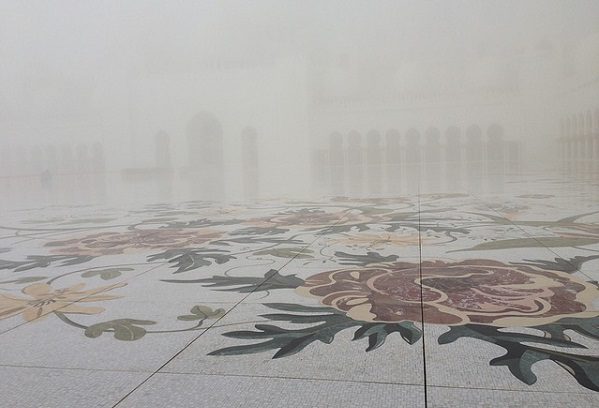
Fog rolling in at a mosque; Image source: Pixabay
This is Day 22 of the #30Days30Writers Ramadan series.
A quarter of the world’s population, or around 1.8 billion Muslims around the world, are currently in a time of Ramadan. In Ramadan, we’re fasting during the day from sun up to sun down. In Chicago where I live, this means that from around 3:45 a.m. to around 8:15 p.m., we are refraining from water (or any liquid), food, sex and trying to be more mindful of our bad habits, our speech and our actions.
The month is an opportunity to become closer to God through fasting. In the Quran, it says “O ye who believe! Fasting is prescribed to you as it was prescribed to those before you, that ye may (learn) self-restraint.” (2:183) I like the translations that use the term “prescribe*”* because it implies fasting is the prescription and the month of Ramadan is a time of healing.
Different translations have provided for different versions of the end of this verse, including to “learn self-restraint,” “guard against evil,” “have fear of God,” and “become pious.” These don’t necessarily contradict each other because healing can contribute to either or all these interconnected effects.
The question then becomes: What is the connection between fasting and healing, and then between becoming more spiritual, connected to God, self-disciplined and pious? This is a question I’ve been thinking about this Ramadan in particular, realizing that in past ones I didn’t give this as much thought.
When we are in a state of fasting without food and water, especially towards the end of our fasts, we are in a deeper, calmer state. The little amount of energy causes us to focus less on all the exterior stimuli but rather to just be with ourselves. We are unable to distract ourselves or suppress our emotions via food, water, and caffeine, which are the most common suppressants of emotions that people subconsciously turn to. We may be in a state of distress, a state in which we cannot distract ourselves or suppress our emotions via food, water and caffeine, sleep-deprived and lacking energy- – usually, all at once.
We are, therefore, raw. Our guards are down, our defenses are down, and as a result we are more exposed and truer to ourselves. Some feel more lonely during this month and some see their communities more often than usual. This can also trigger certain reactions and feelings inside of us.
Many people find themselves breaking down and crying or expressing more anger during fasting. There is a realness and purpose to this: It is to express the emotion that is already inside of us, that we no longer have the energy and tools to suppress and hide. Therefore, this becomes a very cathartic and humbling experience.
During this process, our subconscious and unconscious minds convey information to our conscious mind, therefore allowing us to become aware of it. These messages come in a variety of forms: in the form of habits and behaviors that we commit involuntarily and realize after the fact; in the form of the thoughts we have that we are surprised by (and sometimes in denial about), including the dark ones; in the form of strange dreams, surfacing memories or flashbacks, in which our subconscious tell our conscious minds about what we really fear, desire, feel hungry for, and what we don’t miss and can therefore let go of.
We are taught that during this month Satan is locked up, and so we cannot even blame our actions and thoughts on Satan’s influence, but rather must accept that these are representative of our true selves. We become more self-aware by learning about ourselves — learning about what behavioral habits we have but also learning about what our emotions are, what are thoughts are, our fears and our pain. The feelings and thoughts that we were suppressing start to surface if we pay attention.
The purpose and trick are not to feel self-shame at our exposure to ourselves, although it can be tempting because it’s challenging work to see our true, raw selves. The purpose here is to be accepting of it and open to receiving this information, rather than justifying and dismissing it (which is easier, yes).
The trick is to really believe that there is a method to the madness. To trust in God and understand that all that is happening within us, all the knowledge and information we’re gathering about ourselves, is by God’s will. It’s purposeful, and it is divine.
To heal from anything, we must diagnose what that is first. To improve and grow as Muslims and as humans, the first step is to understand what we’re working with. When we live our lives with constant distractions, (food and drink being a very common one), when we live in a state in which we often use our energy to suppress our feelings and blame our actions on external factors, including Satan’s influence, then how can we know what we’re working with?
This month is difficult, but it is difficult on purpose. The growth is in the pain, and the blessing is in the struggle. To be self-aware, we must be introspective and look inside for information and data we receive about ourselves, to accept this without self-judgment and self-shame but rather an open mind and open heart, and to use this as an opportunity to grow. This is part of the healing process, and fasting was the prescription.
As we get to know ourselves more and possess the inspiration to grow, we then become closer to God. God writes in the Quran, “And We have already created man and know what his soul whispers to him, and We are closer to him than [his] jugular vein,” (50:16). Therefore, to be self-aware is to be aware of God. Jesus also said that to know oneself is to know God, as written in the Gnostic Gospel of Thomas.
As the last ten days of Ramadan begin, many of us worry about balancing our time and “catching up” on worship. I would challenge us to shift our attitude to become more receptive and open to the data we are gaining about ourselves and to continue self-awareness and mindfulness. If we can be conscious of this in the background during our daily lives, during and after the fasting, then this is a state of worship.
We could be in a constant state of worship for the rest of Ramadan by just being open to receiving the messages God is giving us about ourselves through the fasting or observance of Ramadan. It is difficult, and the blessing is in the struggle.

About Kinza Khan
Kinza Khan is a domestic violence attorney in Chicago, IL, and on the side she enjoys freelance writing and public speaking. She is also currently a fellow at Interfaith Youth Core and on the Speakers Bureau. Kinza was born and raised in Chicago to Pakistani immigrants parents. She is interested in civil rights, social justice, psychology, social and emotional intelligence, and the arts. She is a former columnist for Altmuslim. You can read more about the author here.
Previous Post

June 5, 2018
Carpe Meam - Seize the Soul in Ramadan and Beyond
Next Post
June 6, 2018 A Tale of Two Iftars
Browse Our Archives
Select a Category 2012 Elections 30 Dayd 30 Writers (2017) 30 Days 30 Writers 30 Days 30 Writers (2015) 30 Days 30 Writers (2016) 30 Days 30 Writers (2018) 30 Days 30 Writers 2017 Ali Asadullah Ali Eteraz Alper Bilgili Arthur Richards Asides Asma Uddin Black History Month Briefings Charles Turner Commentary Cyrus McGoldrick Eman H Aly Fatimah Popal Hajj Hajj and Dhul Hijjah Hesham Hassaballa Hisham Hellyer Ibrahim Abusharif Inas Younis Irfan Yusuf Jalal Baig Junaid Afeef Laila Alawa Laila Alwala Mas'ood Cajee Muqtedar Khan Nakia Jackson Newsmakers Parvez Ahmed Podcasts Rabia Chaudry Rafia Zakaria Ramadan Reviews Safiyyah Ally Saud Inam Shahed Amanullah Svend White The Opinionated Oncologist Visions Wajahat Ali Zahed Amanullah Zahir Janmohamed Zainab Khan
Select a Month November 2018 October 2018 September 2018 August 2018 July 2018 June 2018 May 2018 April 2018 March 2018 February 2018 January 2018 December 2017 November 2017 October 2017 September 2017 August 2017 July 2017 June 2017 May 2017 April 2017 March 2017 February 2017 January 2017 December 2016 November 2016 October 2016 September 2016 August 2016 July 2016 June 2016 May 2016 April 2016 March 2016 February 2016 January 2016 December 2015 November 2015 October 2015 September 2015 August 2015 July 2015 June 2015 May 2015 April 2015 March 2015 February 2015 January 2015 December 2014 November 2014 October 2014 September 2014 August 2014 July 2014 June 2014 May 2014 April 2014 March 2014 February 2014 January 2014 December 2013 November 2013 October 2013 September 2013 August 2013 July 2013 June 2013 May 2013 April 2013 March 2013 February 2013 January 2013 December 2012 November 2012 October 2012 September 2012 August 2012 July 2012 June 2012 May 2012 April 2012 March 2012 February 2012 January 2012 December 2011 November 2011 October 2011 September 2011 August 2011 July 2011 June 2011 May 2011 April 2011 March 2011 February 2011 January 2011 December 2010 November 2010 October 2010 September 2010 August 2010 July 2010 June 2010 May 2010 April 2010 March 2010 February 2010 January 2010 December 2009 November 2009 October 2009 September 2009 August 2009 July 2009 June 2009 May 2009 April 2009 March 2009 February 2009 January 2009 December 2008 November 2008 October 2008 September 2008 August 2008 July 2008 June 2008 May 2008 April 2008 March 2008 February 2008 January 2008 December 2007 November 2007 October 2007 September 2007 August 2007 July 2007 June 2007 May 2007 April 2007 March 2007 February 2007 January 2007 December 2006 November 2006 October 2006 September 2006 August 2006 July 2006 June 2006 May 2006 April 2006 March 2006 February 2006 January 2006 December 2005 November 2005 October 2005 September 2005 August 2005 July 2005 June 2005 May 2005 April 2005 March 2005 February 2005 January 2005 December 2004 November 2004 October 2004 September 2004 August 2004 July 2004 June 2004 May 2004 April 2004 March 2004 February 2004 January 2004 December 2003 November 2003 October 2003 September 2003 August 2003 July 2003 June 2003 May 2003 April 2003 March 2003 February 2003 January 2003 December 2002 November 2002 October 2002 September 2002 August 2002 July 2002 June 2002 May 2002 April 2002 March 2002
Follow Us!
TAKE THE
Religious Wisdom Quiz
Who was healed of leprosy after washing seven times in the Jordan River?
Select your answer to see how you score.
Hezekiah Naaman Hazael Ben-hadad
Related posts from altmuslim
Ramadan Reflections - Are You Discussing Ideas, Events...

My Ramadan Truth - Dismantling the Armor of...

On the Courage to be Vulnerable and the...
#MyRamadanIs - Facilitating Safe Spaces to Share Ramadan...
TRENDING AT PATHEOS Muslim

25 Years Later: How Much Has Changed for...
As we approach the 25th anniversary of September 11th, I’ve found myself...

Podcast: Third Spaces & The Rise of Yemeni...
In the latest episode of The Artistic Foodies Podcast, hosts Abbas...

HalalFest Picks: Best 60 Halal Spots for Super...
Back in 2016, I came up with a list of 29...

Unity Is America’s Strength — Division Is Its...
by Hidayatullah Ahsan When Valentina Gomez, a Republican candidate for Congress in...

Zohran Mamdani and New York’s Fight Against Islamophobia
This past June, against all odds, Zohran Mamdani won the Democratic primary...

What the Fourth of July Means to a...
As we mark another Fourth of July, millions of Americans will celebrate...
view all Muslim blogs
Ad-Free & Subscriber Log-In Subscription Support
- About Us
- 2026 Calendar
- Videos
- Podcasts
- Library of World Religions
- Faith In Media Tracker
- Advertise With Us
- Write for Us
- Privacy Policy
- Terms of Service
- Do Not Sell My Data
- Contact Us
- Radiant Digital
- Manage Newsletter Subscriptions
- Unsubscribe From Notifications
- Sitemap
Copyright 2008-2026, Patheos. All rights reserved.
Subscription Support Ad-Free & Subscriber Log-In
Follow Patheos